Issue · Environment

Environment

Every environment bill, vote, and legislator stance in United States, automatically classified by Maddy, our AI policy reader.

Total bills
1,989
119th Congress
Top supporter
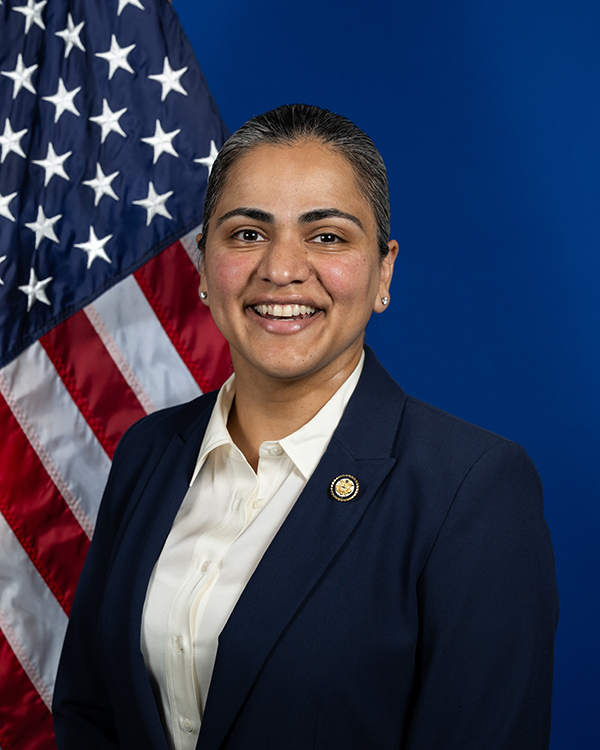
Aisha Wahab
100% support rate
Top opponent
Marsha Blackburn
11% support rate
Ranked legislators
10
5 support · 5 oppose
Key legislators

Who's moving environment in United States

Legislators moving environment in United States
Legislator Party Stance Support rate Decisive votes
Aisha Wahab
Aisha Wahab House · District 14
D
Strong +
100% 7
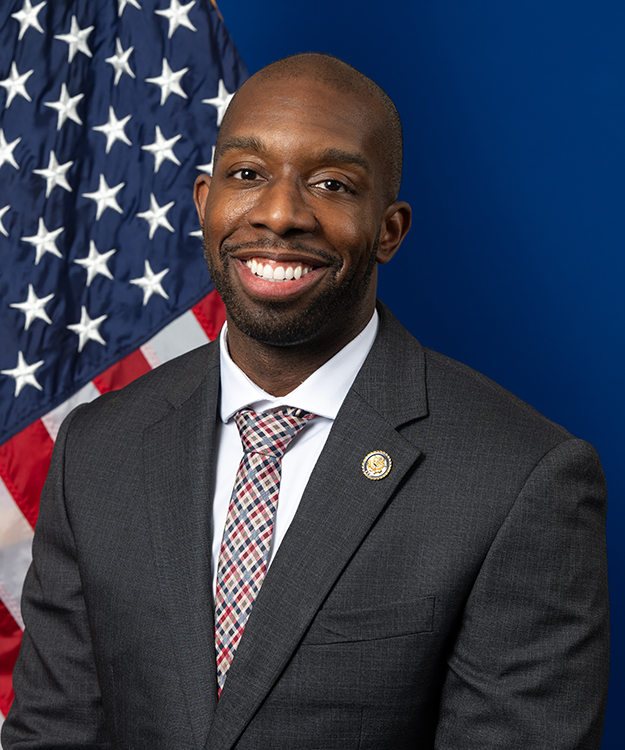
Everton Blair Jr.
Everton Blair Jr. House · District 13
D
Strong +
89% 9
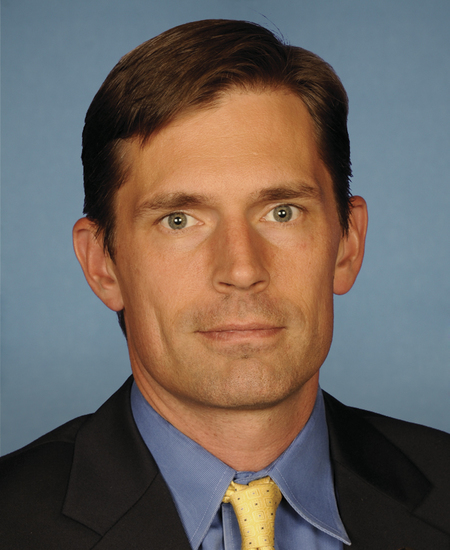
Martin Heinrich
Martin Heinrich Senate
D
Strong +
84% 37
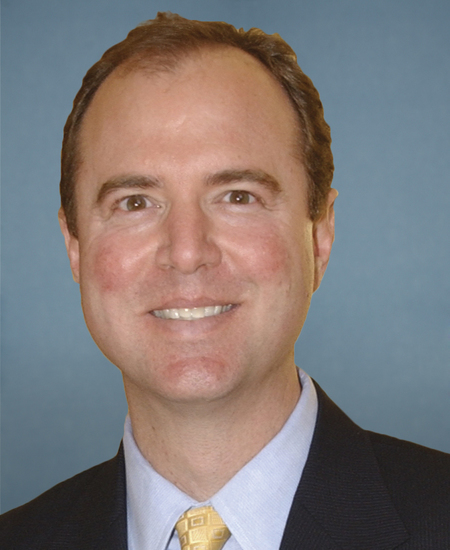
Adam B. Schiff
Adam B. Schiff Senate
D
Support
79% 53
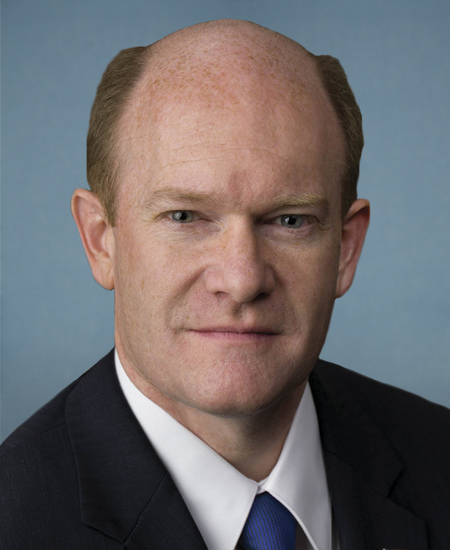
Christopher A. Coons
Christopher A. Coons Senate
D
Support
79% 52
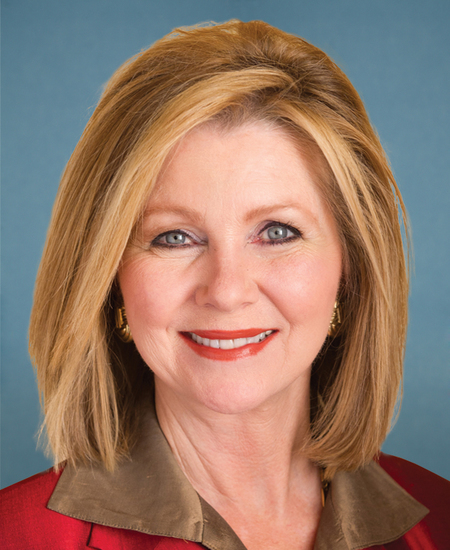
Marsha Blackburn
Marsha Blackburn Senate
R
Strong −
11% 36
Ted Budd
Ted Budd Senate
R
Strong −
20% 40
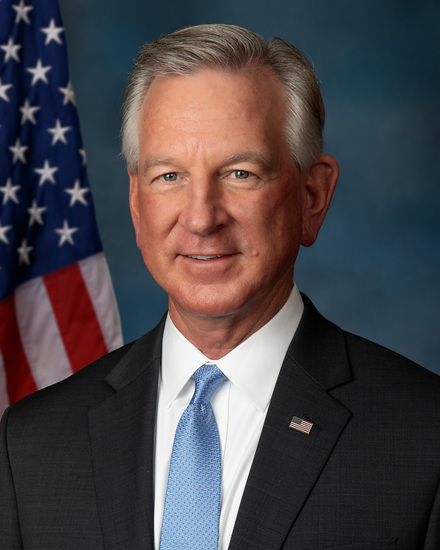
Tommy Tuberville
Tommy Tuberville Senate
R
Oppose
21% 53
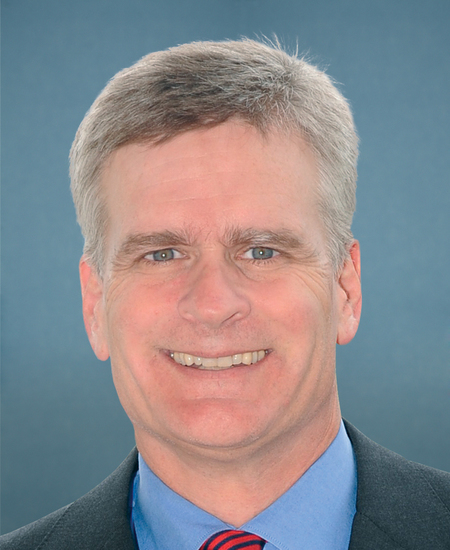
Bill Cassidy
Bill Cassidy Senate
R
Oppose
22% 54
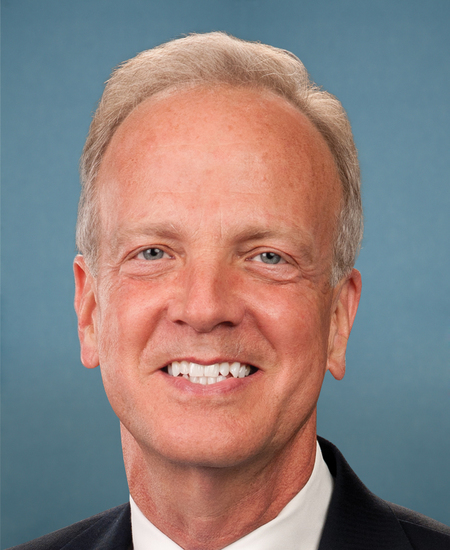
Jerry Moran
Jerry Moran Senate
R
Oppose
23% 53
Showing 1,351–1,360 of 1,989 bills

All environment bills

in committee · United States · House Dec 2, 2025

HR 5823: Watershed Protection and Forest Recovery Act of 2025

The Watershed Protection and Forest Recovery Act of 2025 creates a federal program to rapidly address watershed damage on National Forest System lands after natural disasters. It authorizes state, local, tribal, or water district sponsors to implement emergency measures like erosion control and flood mitigation within two years of a disaster, with the federal government covering all costs (waiving required matching funds). The program limits sponsor liability for normal operations but holds them responsible for damages resulting from willful or reckless actions. Sponsors may also monitor and maintain projects for up to three years to prevent future risks to downstream water resources.
in committee · United States · Senate Apr 2, 2025

S 1252: Renewable Natural Gas Incentive Act of 2025

This bill creates a new $1.00 per gallon tax credit for renewable natural gas (RNG) used as fuel in vehicles, boats, or aircraft. It directly affects RNG producers (who must register and certify their product) and businesses that buy or use RNG for transportation fuel. Key provisions require producers to register with the IRS, provide specific certification about the fuel's origin and volume, and limit blended RNG treatment to amounts specified in contracts. The credit expires after December 31, 2035, and applies only to RNG produced and used within the United States.
in committee · United States · Senate Feb 12, 2026

S 3082: American Shores Protection Act of 2025

This bill prohibits new oil and gas exploration, development, and production in specific offshore areas along Florida, Georgia, and South Carolina coasts. It bans leasing for these activities from enactment until June 30, 2032, covering the Eastern Gulf of Mexico (per the 2006 Gulf of Mexico Energy Security Act), the South Atlantic Planning Area, and the Straits of Florida Planning Area. Existing leases issued before the bill's enactment remain unaffected. The bill directly affects oil and gas companies seeking permits in these designated coastal zones.
in committee · United States · Senate Mar 27, 2025

S 1166: Excess Urban Heat Mitigation Act of 2025

S 1166, the Excess Urban Heat Mitigation Act of 2025, creates a federal grant program to fund heat-mitigation projects in high-risk urban areas. It directs at least 75% of annual $30 million funding toward "covered census tracts" (areas with poverty rates ≥20%) and prioritizes projects like tree planting, cool roofs, and community cooling centers. Eligible entities must include community engagement plans and address health/environmental connections in their proposals. The program requires annual reporting on grant recipients and sets a federal cost-share cap of 80% (with 100% possible for economic hardship cases).
in committee · United States · House Dec 1, 2025

HR 5661: Water Preservation and Affordability Act of 2025

The Water Preservation and Affordability Act of 2025 amends the Clean Water Act to require federal water infrastructure funding recipients to prioritize "resource preservation techniques," defined as water efficiency (reuse, conservation), energy efficiency, stormwater mitigation, sustainable design, and environmental innovation. It mandates that projects receiving loans for treatment works repairs or expansions must evaluate and use these techniques to the maximum extent practicable. The bill increases annual funding for the Clean Water Infrastructure Resiliency Program from $25 million to $50 million (2026-2031) and authorizes $40 million yearly for a wastewater efficiency pilot program (2026-2031). These changes directly affect municipal water systems and wastewater treatment facilities receiving federal grants or loans under the Clean Water Act.
in committee · United States · House Jun 24, 2025

HR 3538: Wildlife Confiscations Network Act of 2025

HR 3538, the Wildlife Confiscations Network Act of 2025, establishes a national network to handle the care of live wildlife seized at U.S. borders due to illegal trafficking. It creates a coordinated system where Federal wildlife law enforcement (like the U.S. Fish and Wildlife Service) can partner with qualified facilities - including zoos, sanctuaries, and rehabilitation centers - to provide immediate care, maintain evidence integrity, and manage long-term placement for confiscated animals. The bill expands a successful Southern California pilot that already placed over 4,100 animals by creating a centralized database and single point of contact for law enforcement. It authorizes $5 million annually (2026-2030) to support this network, directly affecting border agencies and participating care facilities while addressing capacity gaps at ports of entry.
Sub-Topics Wildlife
in committee · United States · House May 8, 2025

HR 3268: Federal Bird Safe Buildings Act of 2025

This bill requires federal agencies to incorporate bird-safe features in public buildings during construction, acquisition, or major facade renovations (over 50% alteration). It mandates the General Services Administration (GSA) to develop and regularly update a design guide with practical strategies - like specific glass treatments, lighting modifications, and maintenance practices - to reduce bird collisions. The guide must be shared with all federal agencies and included in annual compliance reports to Congress, which also require annual assessments of bird fatalities at federal buildings. Exemptions apply to historic sites like the White House, Supreme Court, and Capitol complex.
in committee · United States · Senate Dec 2, 2025

S 888: Oregon Recreation Enhancement Act

This bill designates approximately 128,000 acres of federal land in Oregon (including Rogue Canyon and Molalla recreation areas) for management focused on recreation, conservation, and wildfire risk reduction. It requires the federal land managers to conduct wildfire risk assessments within 280 days and develop mitigation plans within a year, including forest thinning and evacuation routes for nearby communities. The bill withdraws these designated lands from mining, mineral leasing, and disposal, while preserving existing rights and recreational uses. It also expands the Wild Rogue Wilderness by 59,512 acres and withdraws specific lands in Curry and Josephine Counties from mineral activities.
in committee · United States · House Jul 22, 2025

HR 4603: FAIR Act

HR 4603, the FAIR Act, prohibits state energy regulators from approving rates for electric utilities that use specific diversity, equity, and inclusion (DEI) practices or consider environmental, social, and governance (ESG) factors in rate decisions. It blocks rate approvals if a utility enforces mandatory training on race/ethnicity superiority, requires employees to sign statements about systemic bias, or uses quotas based on protected characteristics. The bill also restricts utilities from considering ESG factors like climate initiatives or supplier diversity programs unless directly required by federal or state law. Exceptions apply only for mandatory legal compliance (e.g., federal emissions rules) without discretionary ESG considerations. This directly affects state-regulated electric utilities and their rate-setting processes.
Sub-Topics Utility Regulation
in committee · United States · House Oct 28, 2025

HR 5852: Upper Raritan River Watershed Wild and Scenic River Study Act of 2025

HR 5852 authorizes a study to evaluate the Upper Raritan River Watershed in New Jersey for potential inclusion in the National Wild and Scenic Rivers System. The bill designates specific segments of the North Branch Raritan River, South Branch Raritan River, and Lamington-Black River, along with their tributaries, for this study. The Secretary of the Interior must complete the study within three years of funding and submit a report to Congress detailing the findings. This bill does not protect the rivers directly but initiates a process to assess their eligibility for future conservation designation under federal law. The study would specifically cover the Upper Raritan River watershed in New Jersey.
Showing 1,351 to 1,360 of 1,989 bills