

Issue · Education
Education
Every education bill, vote, and legislator stance in United States, automatically classified by Maddy, our AI policy reader.
Total bills
1,237
119th Congress
Top supporter
Ben Ray Luján
92% support rate
Top opponent
Thomas Massie
12% support rate
Ranked legislators
10
5 support · 5 oppose
Key legislators
Who's moving education in United States
| Legislator | Party | Stance | Support rate | Decisive votes |
|---|---|---|---|---|
Ben Ray Luján
Senate
|
D |
Strong +
|
92% | 12 |
Elissa Slotkin
Senate
|
D |
Strong +
|
92% | 12 |
Gary C. Peters
Senate
|
D |
Strong +
|
92% | 12 |

John W. Hickenlooper
Senate
|
D |
Strong +
|
92% | 12 |

Maria Cantwell
Senate
|
D |
Strong +
|
92% | 12 |
Thomas Massie
House · District 4
|
R |
Strong −
|
12% | 8 |
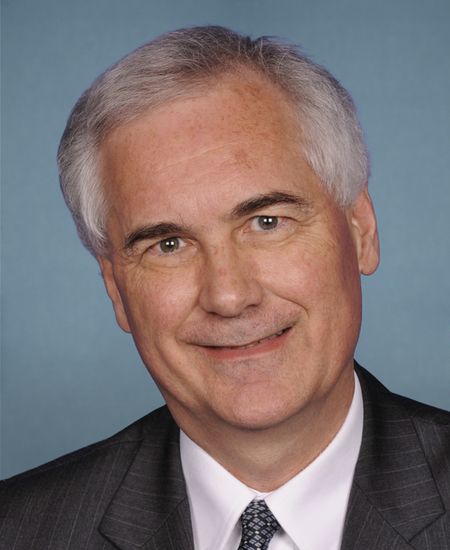
Tom McClintock
House · District 5
|
R |
Strong −
|
12% | 8 |
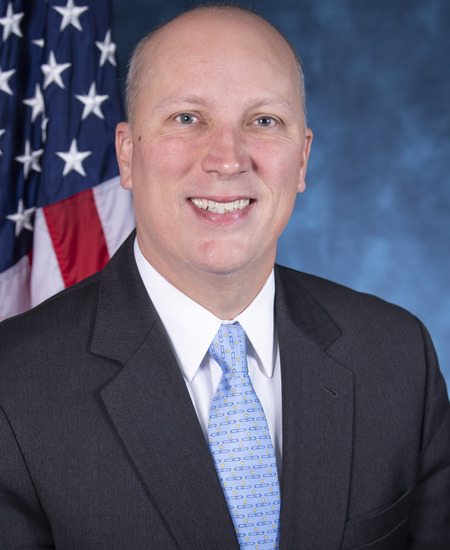
Chip Roy
House · District 21
|
R |
Strong −
|
14% | 7 |

Rand Paul
Senate
|
R |
Strong −
|
17% | 12 |
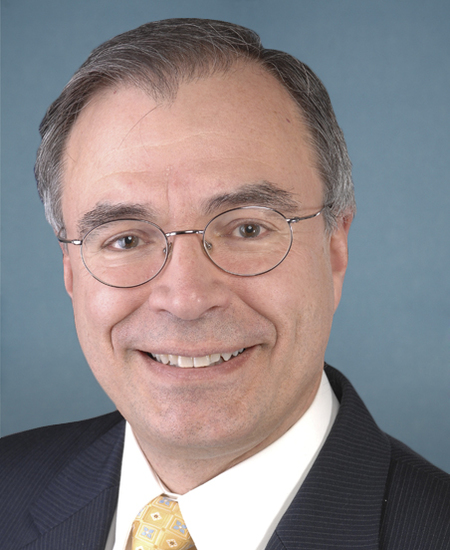
Andy Harris
House · District 1
|
R |
Strong −
|
20% | 10 |
Showing 641–650 of 1,237
bills
All education bills
HR 1557: Stop Sexual Harassment in K–12 Act
Topics
✓ EducationSupports EducationMandates trauma-informed prevention education and Title IX Coordinator requirements to address harassment, enhancing student safety and well-being in K-12 schools.
✓ Labor & EmploymentSupports Labor & EmploymentMandates workplace harassment prevention, surveys, and training for school staff, directly improving workplace safety for employees in education sector.
HR 6392: Home School Graduation Recognition Act
S 163: Protecting Students on Campus Act of 2025
Sub-Topics
Higher Education
HR 5084: Teacher Loan Forgiveness Enhancement Act
Topics
✓ Budget & TaxesSupports Budget & TaxesBill creates federal loan forgiveness program for teachers, increasing government spending to fund public education (an essential program) and aligns with 'funds essential programs' indicator.
✓ EducationSupports EducationForgives federal loans for public K-12 teachers after 8 years, directly supporting educators by reducing debt burden and retaining teachers in public schools.
HR 6607: FAAN Act
Topics
✓ EducationSupports EducationBill provides $1B grant program for nursing schools in underserved areas, increasing faculty, enrollment, facilities, and underrepresented recruitment - directly funding higher education access and infrastructure.
✓ HealthcareSupports HealthcareFunds nursing schools in underserved areas to increase workforce, improve access, and support medical professionals - directly advances healthcare delivery.
HR 4155: American Agricultural Security Research Act of 2025
Topics
✓ EducationSupports EducationExplicitly funds education programs at higher education institutions (land-grant universities) as part of agricultural research centers, supporting higher education.
✓ TechnologySupports TechnologyFunds research in 'digital agriculture' as a key focus area, advancing technology applications in farming through $10M annual grants for tech-focused agricultural programs.
Tags
Agriculture
Rural Communities
HR 2506: AID Youth Employment Act
Topics
✓ Criminal JusticeSupports Criminal JusticeBill specifically targets youth involved in the justice system for employment support, aiming to reduce recidivism and improve rehabilitation through workforce development partnerships.
✓ EducationSupports EducationRequires partnerships with educational agencies and allocates $4.2B for youth programs, directly engaging education systems to support marginalized students' access and opportunities.
✓ HousingSupports HousingTargets homeless youth (a housing issue) through employment programs, addressing homelessness as a core focus, though indirectly via job training.
✓ Labor & EmploymentSupports Labor & EmploymentBill creates federal grants for youth employment (14-24) with $4.2B funding, focusing on marginalized groups. Directly advances employment opportunities and standards for vulnerable workers.
HR 1458: VETS Opportunity Act of 2025
Topics
✓ EducationSupports EducationEnsures VA education benefits cover courses with meaningful instruction and instructor interaction, strengthening quality of higher education access for veterans.
✓ VeteransSupports VeteransAmends VA education rules to ensure meaningful instruction for veterans in independent study courses, strengthening benefit quality and access to approved programs.
S 204: Families’ Rights and Responsibilities Act
Topics
✗ EducationOpposes EducationBill restricts government interference in parental education decisions, opposing mandates that constrain parental choices in curriculum and school policies.
✓ HealthcareSupports HealthcareBill protects parental rights in healthcare decisions, limiting government interference except in cases of serious physical harm to the child.
Tags
Families