

Issue · Education
Education
Every education bill, vote, and legislator stance in United States, automatically classified by Maddy, our AI policy reader.
Total bills
1,237
119th Congress
Top supporter
Ben Ray Luján
92% support rate
Top opponent
Thomas Massie
12% support rate
Ranked legislators
10
5 support · 5 oppose
Key legislators
Who's moving education in United States
| Legislator | Party | Stance | Support rate | Decisive votes |
|---|---|---|---|---|
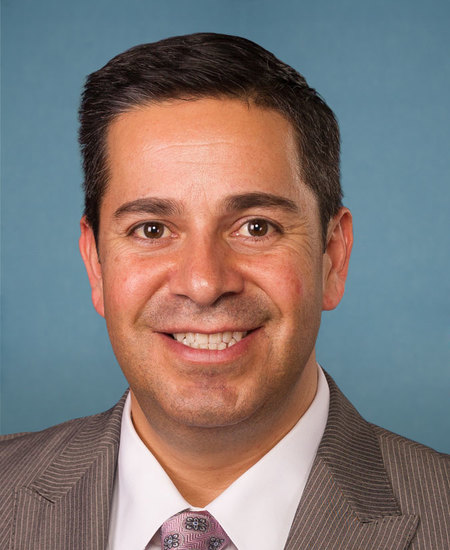
Ben Ray Luján
Senate
|
D |
Strong +
|
92% | 12 |
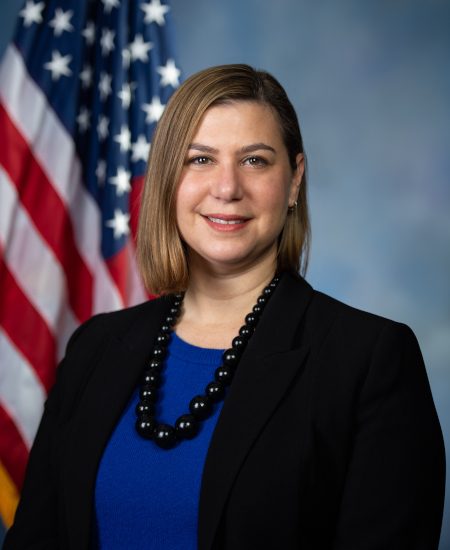
Elissa Slotkin
Senate
|
D |
Strong +
|
92% | 12 |
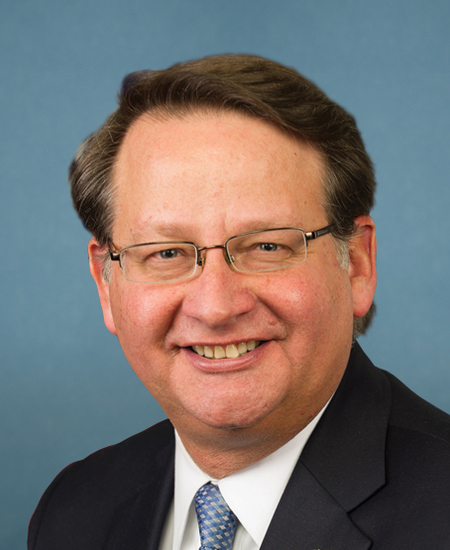
Gary C. Peters
Senate
|
D |
Strong +
|
92% | 12 |

John W. Hickenlooper
Senate
|
D |
Strong +
|
92% | 12 |

Maria Cantwell
Senate
|
D |
Strong +
|
92% | 12 |
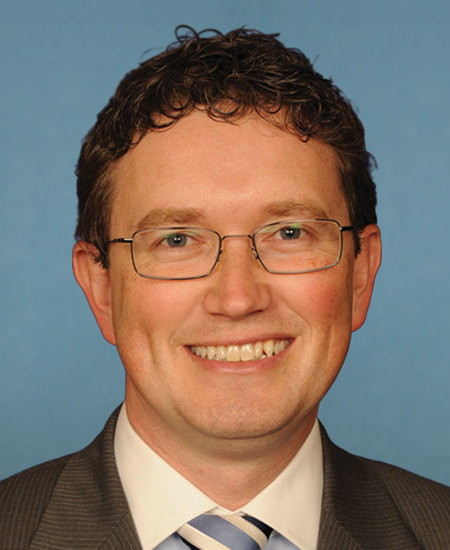
Thomas Massie
House · District 4
|
R |
Strong −
|
12% | 8 |
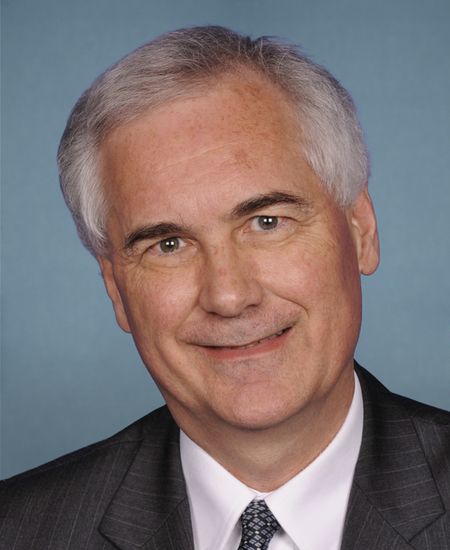
Tom McClintock
House · District 5
|
R |
Strong −
|
12% | 8 |
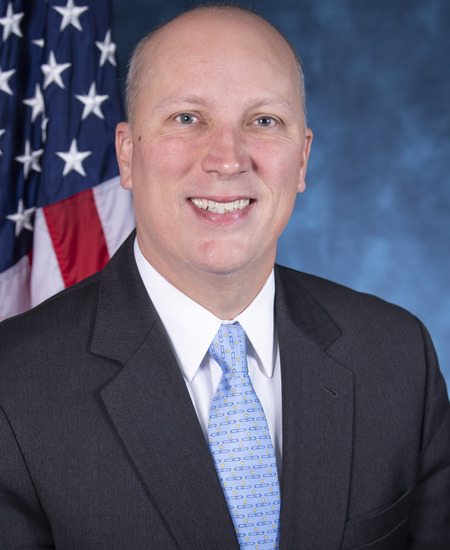
Chip Roy
House · District 21
|
R |
Strong −
|
14% | 7 |

Rand Paul
Senate
|
R |
Strong −
|
17% | 12 |
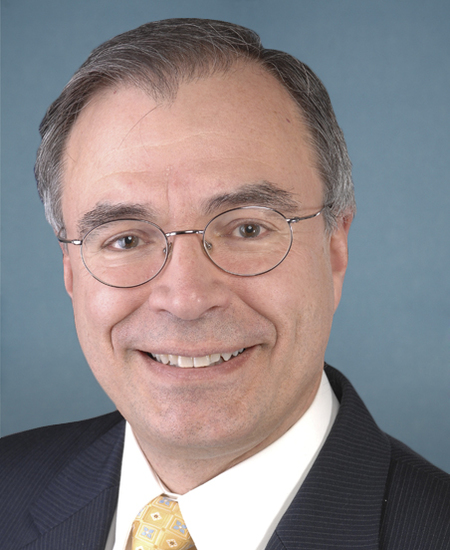
Andy Harris
House · District 1
|
R |
Strong −
|
20% | 10 |
Showing 601–610 of 1,237
bills
All education bills
HR 6725: Jobs, On-the-Job Earn-While-You-Learn Training, and Apprenticeships for Young African-Americans Act
Topics
✓ Budget & TaxesSupports Budget & TaxesBill creates competitive grants for apprenticeship programs, allocating government funds to boost enrollment - direct funding for public service.
✓ EducationSupports EducationBill creates grants funding outreach/mentoring for African American youth in apprenticeships, expanding educational access to underserved communities in workforce training programs.
✓ Labor & EmploymentSupports Labor & EmploymentCreates competitive grants for apprenticeships targeting African American youth, mandates enrollment plans, and establishes Diversity Administrator to boost participation in employment programs.
✓ TechnologySupports TechnologyBill includes grants for apprenticeships in tech fields and promotes digital equity through workforce development programs
HR 2355: Collegiate Housing and Infrastructure Act of 2025
Topics
✓ EducationSupports EducationEnables tax-qualified grants for student housing infrastructure, directly supporting higher education access and campus living conditions without restricting funding.
✓ HousingSupports HousingAllows 501(c)(3) nonprofits to fund student housing infrastructure via tax-exempt grants, directly advancing affordable housing access for college students through charitable funding mechanisms.
Sub-Topics
Higher Education
HR 4825: COTA Act
Topics
✓ EducationSupports EducationMandates career guidance for skilled trades, expanding student access to high-demand career pathways via community colleges and workforce programs.
✓ Labor & EmploymentSupports Labor & EmploymentPromotes high-skill, high-wage career pathways in construction, healthcare, and tech through workforce guidance, advancing employment opportunities and job quality.
HR 5807: Empowering Individuals to Succeed Through Education and Workforce Training Act
Topics
✓ EducationSupports EducationFunds childcare/groceries/transport for workforce training participants, directly enhancing access to educational programs under WIOA.
✓ Labor & EmploymentSupports Labor & EmploymentFunds childcare, groceries, and transportation for workforce trainees, removing barriers to employment participation and aligning with employment standards.
Sub-Topics
Career & Technical Education
Early Childhood
Student Financial Aid
Apprenticeships
Workforce Development
HR 2585: Armenian Genocide Education Act
S 360: A bill to provide for across-the-board rescissions of nonsecurity discretionary spending.
Topics
✗ Budget & TaxesOpposes Budget & TaxesBill mandates automatic cuts to nonsecurity discretionary programs (e.g., education, transportation), defunding essential services per its summary.
✗ EducationOpposes EducationBill mandates automatic 1-5% annual cuts to nonsecurity discretionary programs including education, directly reducing funding for K-12 and higher education programs.
✗ TransportationOpposes TransportationBill mandates across-the-board cuts to nonsecurity discretionary programs, including transportation funding, reducing resources for infrastructure projects.
HR 4444: Student Loan Bankruptcy Improvement Act of 2025
Sub-Topics
Student Financial Aid
HR 7343: Foster Youth Workforce Opportunity Act
Topics
✓ EducationSupports EducationExpands educational access for foster youth via funding for apprenticeships, GED, and remedial education, lowering eligibility age to 14 and extending program duration.
✓ Labor & EmploymentSupports Labor & EmploymentExpands job training and education access for foster youth transitioning to workforce, directly supporting employment readiness and workforce development programs.
HR 3574: To amend the Internal Revenue Code of 1986 to permit qualified distributions from section 529 plans for certain transportation and parking expenses.
Topics
✓ Budget & TaxesSupports Budget & TaxesExpands tax-advantaged 529 plan uses for transportation, providing tax relief to families on education-related costs.
✓ EducationSupports EducationExpands 529 plan use to cover transportation/parking costs, reducing financial barriers for college students and families, thus supporting educational access and funding.