Issue · Education

Education

Every education bill, vote, and legislator stance in United States, automatically classified by Maddy, our AI policy reader.

Total bills
1,215
119th Congress
Top supporter
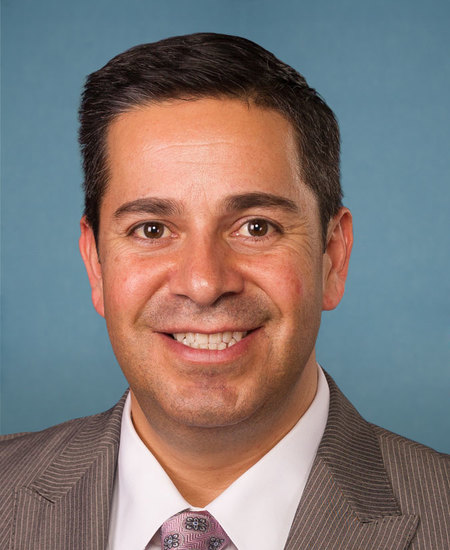
Ben Ray Luján
90% support rate
Top opponent
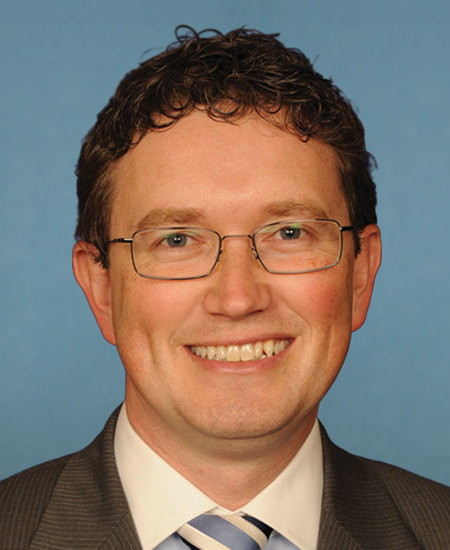
Thomas Massie
12% support rate
Ranked legislators
10
5 support · 5 oppose
Key legislators

Who's moving education in United States

Legislators moving education in United States
Legislator Party Stance Support rate Decisive votes
Ben Ray Luján
Ben Ray Luján Senate
D
Strong +
90% 10
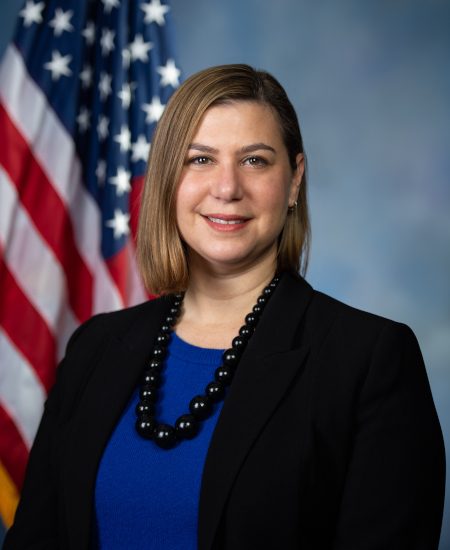
Elissa Slotkin
Elissa Slotkin Senate
D
Strong +
90% 10
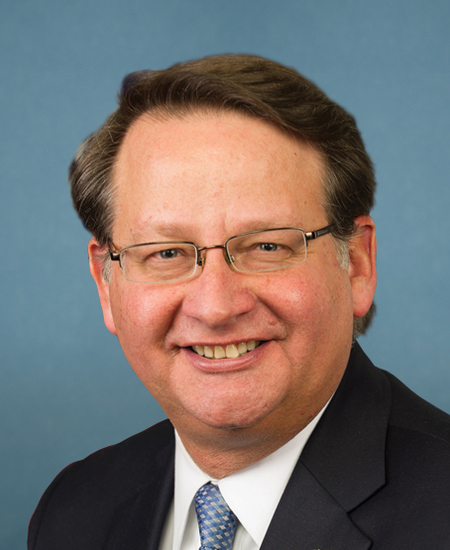
Gary C. Peters
Gary C. Peters Senate
D
Strong +
90% 10
John W. Hickenlooper
John W. Hickenlooper Senate
D
Strong +
90% 10
Maria Cantwell
Maria Cantwell Senate
D
Strong +
90% 10
Thomas Massie
Thomas Massie House · District 4
R
Strong −
12% 8
Tom McClintock
Tom McClintock House · District 5
R
Strong −
12% 8
Chip Roy
Chip Roy House · District 21
R
Strong −
14% 7
Andy Harris
Andy Harris House · District 1
R
Strong −
20% 10
Keith Self
Keith Self House · District 3
R
Strong −
20% 10
Showing 271–280 of 1,215 bills

All education bills

in committee · United States · Senate Apr 16, 2026

S 4328: FLEX Act

The FLEX Act amends the Elementary and Secondary Education Act to increase federal funding and flexibility for high-quality charter schools. It requires that at least 15 percent of Title IV funds go to charter schools, raising the previous requirement of 12.5 percent, and expands allowable uses of these funds to include new academic programs, personalized learning, and facility improvements. The bill also introduces advance payment options for grant recipients to help with planning and program design, while allowing states to use existing charter authorization applications to streamline the grant process. Additionally, the legislation directs the Secretary of Education to consult with charter school operators before issuing new rules and limits the number of non-essential regulations imposed on these schools.
Sub-Topics School Choice
in committee · United States · Senate Apr 28, 2026

S 4415: TEACH Improvement Act of 2026

The TEACH Improvement Act of 2026 amends the federal TEACH Grant program to better support teacher preparation by establishing stricter eligibility criteria for institutions and clarifying rules for post-baccalaureate students. The bill defines "eligible institutions" as those providing high-quality teacher training, financial stability, and ongoing support services, while also creating a specific pathway for individuals with bachelor's degrees to earn teaching credentials without pursuing a graduate degree. Key provisions include setting grant amounts of $4,000 to $5,000 per year, requiring recipients to serve as full-time teachers in high-need fields for four years within eight years, and introducing a new loan conversion process if service obligations are not met. Additionally, the act imposes penalties on institutions where more than 50% of their graduates fail to complete their service obligations, restricting their ability to offer grants until they demonstrate improved outcomes. The legislation also mandates annual reporting on grant conversions and servicer performance to ensure accountability and transparency in the program's administration.
in committee · United States · Senate May 20, 2026

S 4578: Gateway to Careers Act of 2026

The Gateway to Careers Act of 2026 creates a new grant program to help states fund partnerships between workforce agencies, schools, and employers designed to guide individuals through specific career paths. These partnerships will receive federal funding to develop programs that connect education and training with in-demand jobs, while also providing essential support services like childcare, transportation, and mental health care to help participants complete their training. The bill prioritizes partnerships involving community colleges and those serving people facing barriers to employment, requiring applicants to use evidence-based strategies to improve student outcomes. To ensure accountability, the program mandates regular reporting on participant progress, job placement rates, and earnings, with a portion of funds reserved for independent evaluations of the initiative's effectiveness.
in committee · United States · House Apr 28, 2026

HRES 1221: Supporting the designation of the week of April 27 through May 1, 2026, as "National Specialized Instructional Support Personnel Appreciation Week".

This resolution designates the week of April 27 through May 1, 2026, as National Specialized Instructional Support Personnel Appreciation Week to honor school counselors, social workers, psychologists, nurses, and other allied health professionals. The bill formally recognizes the vital role these workers play in providing prevention services, mental health support, and early interventions that help students overcome barriers to learning. By commending these individuals and their organizations, the measure encourages policymakers to raise awareness about the importance of these support staff in creating safe and effective school environments.
Sub-Topics Student Health
in committee · United States · House Apr 28, 2026

HR 8558: To amend the Research and Development, Competition, and Innovation Act to require each institution of higher education to certify as part of an application for a research and development award that such institution does not operate certain branch campuses, and for other purposes.

This bill requires U.S. universities seeking federal research funding to certify that they do not operate permanent branch campuses in specific countries, including China, Russia, Iran, and others. The legislation defines a branch campus as a separate location that offers degree programs and has its own faculty and administrative control. If a university operates such a campus in a listed nation, it would be ineligible to receive federal research awards. The list of restricted countries also allows the Secretary of State to add additional nations as appropriate.
Sub-Topics Higher Education
passed · United States · Senate Apr 22, 2026

SRES 685: A resolution designating April 22, 2026, as "National Assistive Technology Awareness Day".

This resolution designates April 22, 2026, as National Assistive Technology Awareness Day to highlight the importance of devices that help people with disabilities and older adults perform daily tasks. The bill directly affects individuals with disabilities, older adults, assistive technology specialists, and organizations that support access to these tools. It serves as a commemorative measure to recognize the role of assistive technology in promoting inclusion, education, and employment, while also honoring the professionals who facilitate its distribution. The text provides background statistics on disability prevalence and explains how state programs assist with device exchange, loans, and financing.
Tags People with Disabilities
in committee · United States · House Apr 27, 2026

HR 8501: Rehabilitation of Historic Schools Act of 2026

The Rehabilitation of Historic Schools Act of 2026 allows public school buildings to qualify for federal tax credits when they are rehabilitated, provided the buildings were used as public schools for five years before and after the renovation. This change removes a previous restriction that had excluded public educational facilities from receiving these financial incentives. The bill requires the Treasury Department to report data on the number of rehabilitated schools, student enrollment, and renovation costs to Congress within five years of enactment. These provisions apply to properties placed in service after the law is passed, aiming to encourage the preservation and repair of historic public school infrastructure.
in committee · United States · Senate May 20, 2026

S 4599: Scratch Cooked Meals for Students Act of 2026

The Scratch Cooked Meals for Students Act of 2026 creates a five-year pilot program to provide grants to school districts that prepare meals using unprocessed or minimally processed ingredients. To receive funding, schools must apply and prioritize those serving low-income students and those committed to self-operation or collective bargaining agreements. The grants cover costs for staff training, kitchen equipment, employee wages, and technology, while recipients must work with a technical assistance center to create implementation plans. Schools receiving the money will report on their progress by tracking the percentage of whole ingredients used and the number of scratch-cooked menu items served. The program is authorized to receive $20 million annually from fiscal years 2027 through 2031.
in committee · United States · Senate May 20, 2026

S 4597: Early Childhood Workforce Advancement Act of 2026

The Early Childhood Workforce Advancement Act of 2026 authorizes competitive grants to help partnerships create or expand training programs for early childhood education careers. These grants are intended for groups that include colleges, child care providers, and local businesses to work together on education and training initiatives. The funds can be used to develop educational materials, support student recruitment and retention, provide work-based learning experiences, and offer professional development for teachers and staff. Priority is given to applicants serving rural and urban areas, particularly those addressing documented shortages of child care providers and focusing on infants, toddlers, and children with disabilities. Recipients must submit detailed applications and annual reports to demonstrate how the programs benefit students and improve outcomes in the workforce.
in committee · United States · Senate Apr 29, 2026

S 4441: CREATE AI Act

The CREATE AI Act establishes the National Artificial Intelligence Research Resource, a centralized system designed to connect U.S. researchers and educators with advanced computational tools, data, software, and educational materials. Managed by the National Science Foundation, this resource will be built by coordinating contributions from federal agencies, state governments, and private organizations to support artificial intelligence research and workforce development. Access to these tools is primarily reserved for eligible U.S.-based universities, nonprofits, government entities, and small businesses, with a specific provision to exclude individuals employed by designated foreign countries. The bill also outlines a flexible fee structure that includes a free tier for users, mandates the use of open-source software where possible, and requires annual public reporting on the resource's progress.
Showing 271 to 280 of 1,215 bills
Previous 1 27 28 29 122 Next