Issue · Education

Education (K-12 Education)

Every education bill, vote, and legislator stance in United States, automatically classified by Maddy, our AI policy reader.

Total bills
167
119th Congress
Top supporter
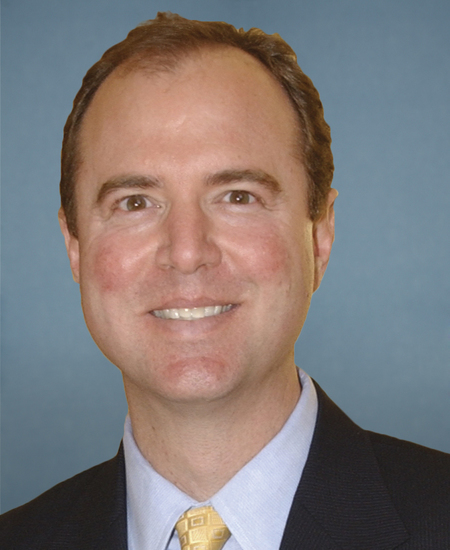
Adam B. Schiff
100% support rate
Top opponent
Donald G. Davis
0% support rate
Ranked legislators
10
5 support · 5 oppose
Key legislators

Who's moving k-12 education in United States

Legislators moving k-12 education in United States
Legislator Party Stance Support rate Votes
Adam B. Schiff
Adam B. Schiff Senate
D
Strong +
100% 4
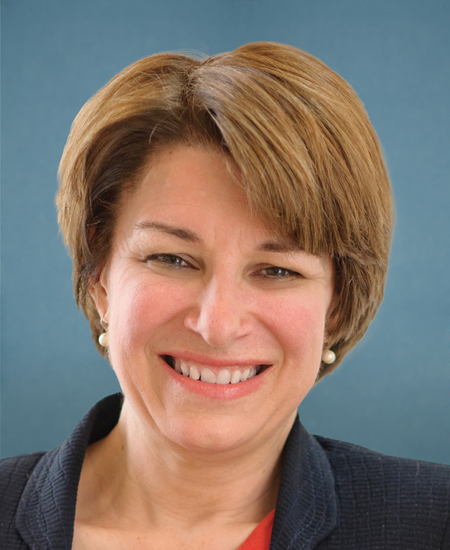
Amy Klobuchar
Amy Klobuchar Senate
D
Strong +
100% 4
Angela D. Alsobrooks
Angela D. Alsobrooks Senate
D
Strong +
100% 4
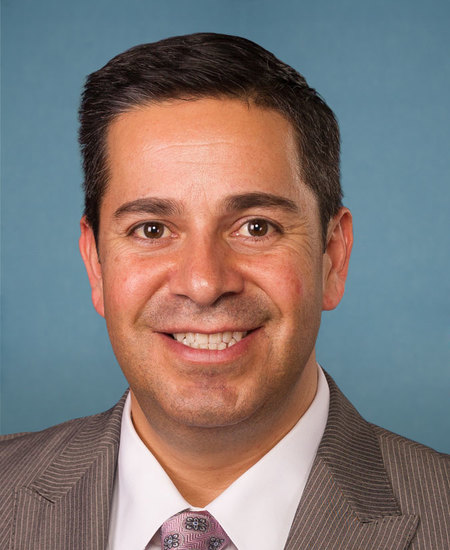
Ben Ray Luján
Ben Ray Luján Senate
D
Strong +
100% 4
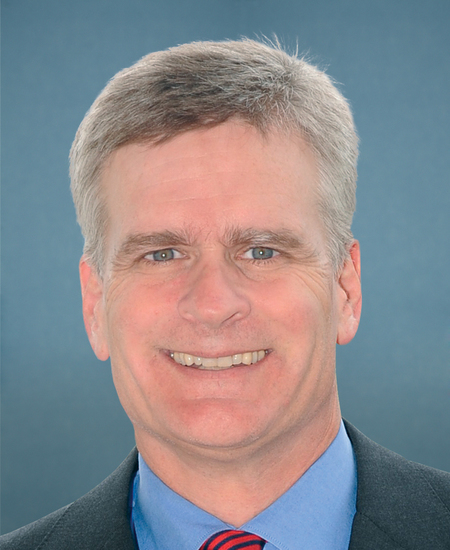
Bill Cassidy
Bill Cassidy Senate
R
Strong +
100% 4
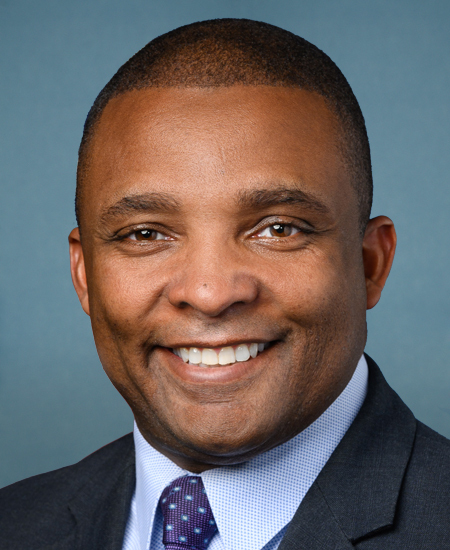
Donald G. Davis
Donald G. Davis House · District 1
D
Strong −
0% 3
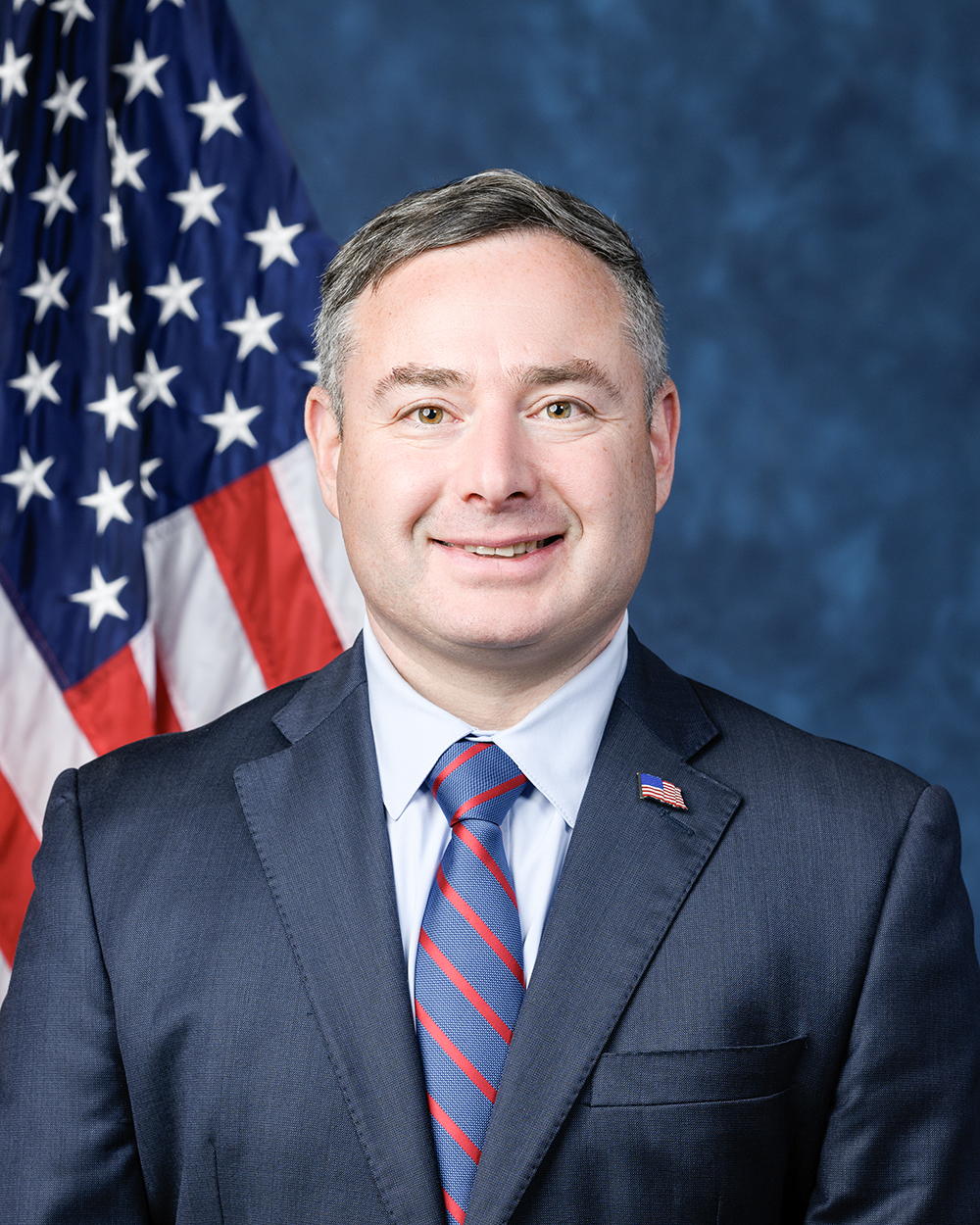
Eugene Simon Vindman
Eugene Simon Vindman House · District 7
D
Strong −
0% 3
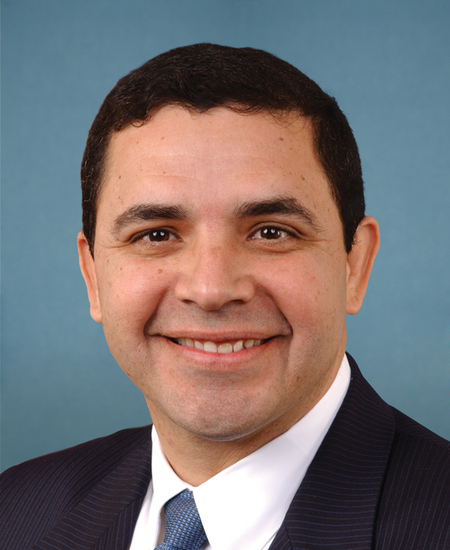
Henry Cuellar
Henry Cuellar House · District 28
D
Strong −
0% 3
Laura Gillen
Laura Gillen House · District 4
D
Strong −
0% 3
Marie Gluesenkamp Perez
Marie Gluesenkamp Perez House · District 3
D
Strong −
0% 3
Showing 121–130 of 167 bills

All education bills

in committee · United States · House May 21, 2025

HR 3551: Teaching Asian American, Native Hawaiian, and Pacific Islander History Act

This bill amends federal education law to require K-12 schools to include Asian American, Native Hawaiian, and Pacific Islander (AANHPI) history in American history and civics education. It directs the Department of Education to update curriculum standards, teacher training programs, and national assessments to ensure AANHPI contributions and experiences are integrated into existing history lessons. The policy affects all public schools receiving federal education funding by mandating specific inclusion of AANHPI history alongside traditional American history content. This change aims to address historical gaps in curricula that have excluded these communities' diverse roles and experiences.
in committee · United States · Senate Feb 4, 2026

S 3777: Rebuild America’s Schools Act of 2026

The Rebuild America's Schools Act of 2026 would provide $20 billion annually (2027-2031) to improve public school facilities across the United States. The bill directs funds to states based on previous Title I funding allocations, requiring states to contribute 10% of the funds (with some exceptions) and develop plans for equitable distribution to school districts. Local educational agencies must prioritize schools with high numbers of students eligible for free or reduced-price lunch, and funds can be used for construction, renovation, energy efficiency upgrades, removal of toxic substances, and making facilities accessible. The bill also establishes school infrastructure bonds to leverage private investment and includes specific provisions to repair foundations damaged by pyrrhotite.
in committee · United States · House Jan 20, 2026

HR 7157: Supporting Teachers Through Tax Fairness Act

This bill creates a tax exclusion for K-12 public school teachers, allowing them to exclude up to $50,000 of their wages from federal income tax. Teachers in schools where 75%+ students qualify for free/reduced lunches, in rural areas, or teaching special education/STEM subjects qualify for a higher exclusion of $65,000. To qualify, teachers must work at least 900 hours in a school year at a public elementary or secondary school (including charter schools). The exclusion applies to taxable years beginning after December 31, 2025, and requires schools to verify eligibility for the IRS. It directly affects eligible K-12 public school teachers by reducing their taxable income.
in committee · United States · House Apr 7, 2025

HR 2691: To abolish the Department of Education and to provide funding directly to States for elementary and secondary education, and for other purposes.

HR 2691 would abolish the U.S. Department of Education 30 days after enactment, terminating all its programs except the Federal Pell Grant and Direct Loan programs for higher education. It redirects federal funding for elementary and secondary education directly to states through block grants, calculated based on each state's share of national individual income tax payments. States receiving these funds would be required to use them for K-12 education, with no federal restrictions on how they distribute the money. The bill transfers oversight of the remaining higher education programs to the Treasury Secretary. This change would shift control of K-12 education funding from the federal government to state governments.
in committee · United States · House Feb 13, 2025

HR 1331: Teacher and School Leader Quality Partnership Grants Act

HR 1331 establishes a federal grant program to improve teacher and school leader preparation in high-need schools. It funds partnerships between high-need local educational agencies, institutions of higher education, and other stakeholders to support teacher and school leader residency programs and professional development. The bill requires eligible partnerships to prepare educators who are "profession-ready" to teach diverse students, with specific training in comprehensive literacy instruction, working with English learners, and supporting students with disabilities. It also establishes accountability measures, including evaluation plans that track educator retention, certification pass rates, and the percentage of profession-ready educators hired in high-need schools.
in committee · United States · House Feb 25, 2025

HRES 163: Expressing the sense of the House of Representatives that the goal of education in schools across America shall be that virtually every student in the United States achieves grade-level reading proficiency, providing them with the foundation to develop the skills and knowledge needed for success in school, work, and life.

HRES 163 is a non-binding resolution expressing the House of Representatives' goal that all U.S. students achieve grade-level reading proficiency as a foundation for success in school, work, and life. It encourages schools to implement 1-on-1 tutoring for students reading below grade level (5 days/week) and promotes collaboration between schools, states, and private organizations to develop literacy programs for both students and adults. The resolution cites research supporting these approaches but does not create new laws or mandate specific actions.
in committee · United States · Senate May 21, 2025

SRES 240: A resolution affirming that diversity, equity, inclusion, and accessibility are fundamental values of the United States and emphasizing the ongoing need to address discrimination and inequality in the workplace, pre-K through 12th grade and higher education systems, government programs, the military, and our society.

This resolution (SRES 240) affirms that diversity, equity, inclusion, and accessibility are core U.S. values and emphasizes the need to address ongoing discrimination across multiple sectors. It directly affects workplaces, K-12 and higher education systems, healthcare, housing, government programs, and the military by citing data on persistent inequities - such as racial disparities in housing discrimination, wage gaps, and underrepresentation in leadership. The resolution does not create new laws but encourages federal, state, and local entities to adopt inclusive policies and remove barriers to opportunity. It references evidence from agencies like the Department of Housing and Urban Development and the Equal Employment Opportunity Commission to support its focus on systemic discrimination. The Senate calls for promoting environments where all individuals can achieve their full potential.
Sub-Topics Early Childhood K-12 Education Employment Discrimination Tags People with Disabilities
in committee · United States · House Jul 24, 2025

HR 4699: BIKE Act of 2025

HR 4699, the BIKE Act of 2025, requires federal grant funding to support bicycle safety education programs for elementary and secondary school students. It mandates the Secretary of Transportation to revise Highway Safety Program Guideline No. 14 to include specific provisions for teaching bicycling skills, traffic rules, road navigation, safety precautions, and helmet use. The revised guidelines must be developed with input from educators and disseminated to state education agencies for integration into school curricula. This bill directly affects public school students and school districts through new safety education requirements and federal funding opportunities.
in committee · United States · House Apr 9, 2025

HRES 321: Supporting the goals and ideals of the Rise Up for LGBTQI+ Youth in Schools Initiative, a call to action to communities across the country to demand equal educational opportunity, basic civil rights protections, and freedom from erasure for all students, particularly LGBTQI+ young people, in K-12 schools.

HRES 321 is a symbolic resolution supporting the "Rise Up for LGBTQI+ Youth in Schools Initiative," which calls for communities to demand equal educational opportunities, civil rights protections, and inclusion for LGBTQI+ students in K-12 schools. It urges states and localities to adopt policies prohibiting bias-based discrimination, exclusion, and erasure of LGBTQI+ students - particularly transgender, nonbinary, Black, Indigenous, and disabled youth - while recognizing existing efforts like National Day of Silence. The resolution does not create new laws or allocate funds but formally endorses community-led advocacy to address hostile school environments documented in studies showing discrimination correlates with higher absenteeism, lower grades, and mental health challenges among LGBTQI+ students. It directly affects state education policies and school climates, encouraging local action without federal enforcement.
Sub-Topics K-12 Education
in committee · United States · House May 7, 2025

HR 3250: Developing and Advancing Innovative Learning Models

HR 3250 creates a federal grant program to support the development and adoption of evidence-based innovative learning models in K-12 schools. The bill directly affects the Department of Education's Institute for Education Sciences, state education agencies, and local school districts, which would receive funding to develop, research, and implement these models. Key mechanisms include competitive grants for early development, mid-phase evaluation, and expansion of promising models; requirements that models be evidence-based and developed with school community input; and annual reporting requirements for grantees. The bill prohibits federal mandates on specific learning models while requiring that grant funds supplement rather than replace existing funding. The program is authorized for funding from 2026-2035 (Title I) and 2027-2036 (Title II).
Showing 121 to 130 of 167 bills
Previous 1 12 13 14 17 Next