

Issue · Budget & Taxes
Budget & Taxes
Every budget & taxes bill, vote, and legislator stance in United States, automatically classified by Maddy, our AI policy reader.
Total bills
2,349
119th Congress
Top supporter
Clay Fuller
86% support rate
Top opponent
Eleanor Holmes Norton
0% support rate
Ranked legislators
10
5 support · 5 oppose
Key legislators
Who's moving budget & taxes in United States
| Legislator | Party | Stance | Support rate | Votes |
|---|---|---|---|---|
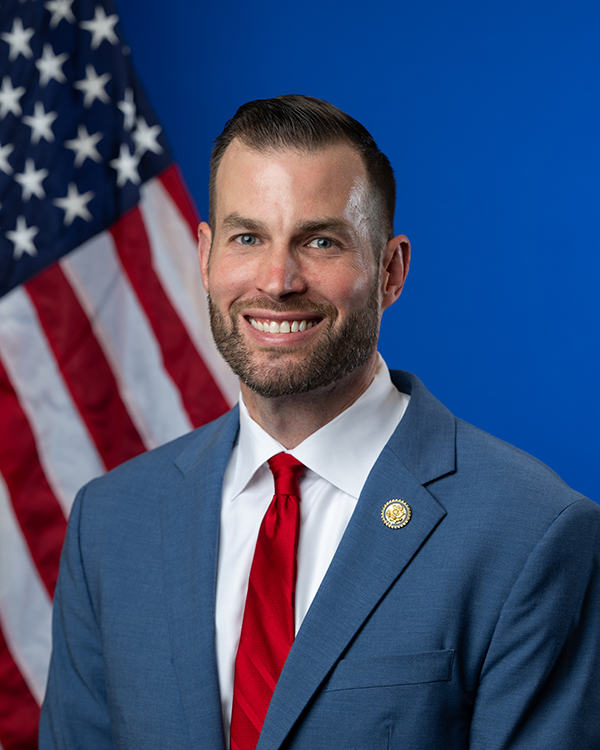
Clay Fuller
House · District 14
|
R |
Strong +
|
86% | 55 |
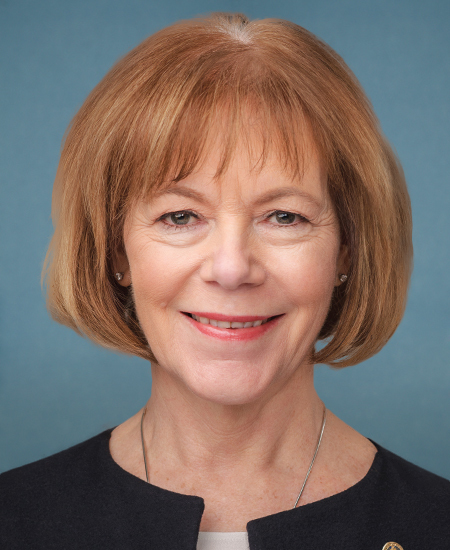
Tina Smith
Senate
|
D |
Strong +
|
83% | 251 |
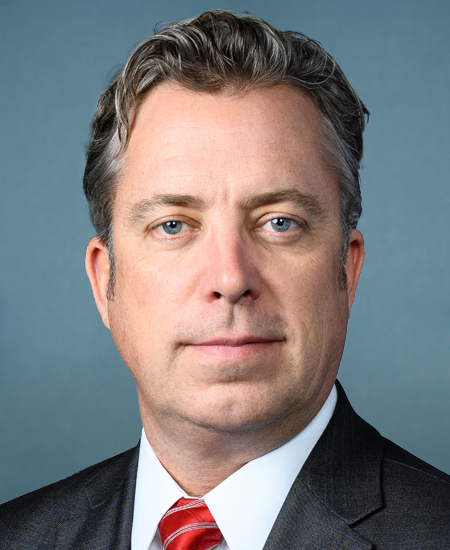
Andrew Ogles
House · District 5
|
R |
Strong +
|
83% | 175 |
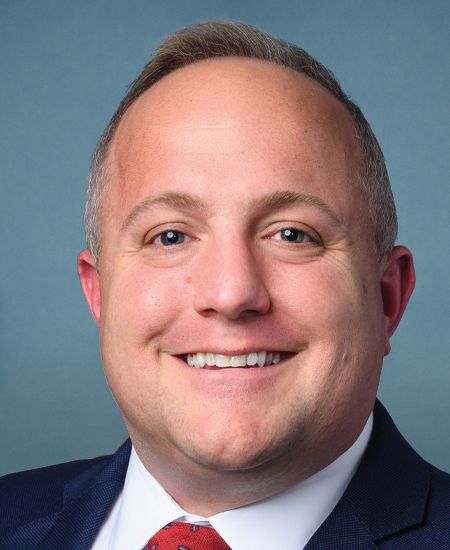
Russell Fry
House · District 7
|
R |
Strong +
|
82% | 186 |
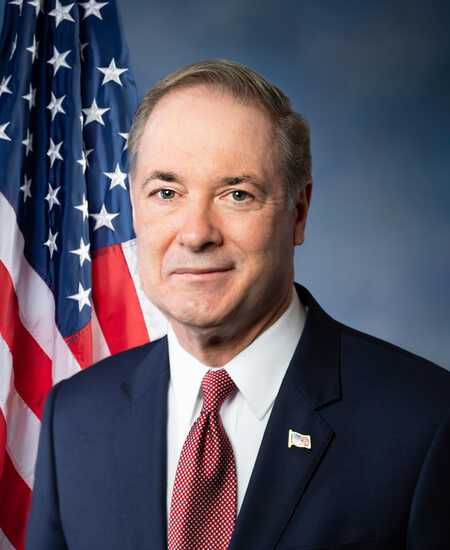
John Joyce
House · District 13
|
R |
Strong +
|
82% | 185 |

Eleanor Holmes Norton
House · District At-Large
|
D |
Strong −
|
0% | 46 |
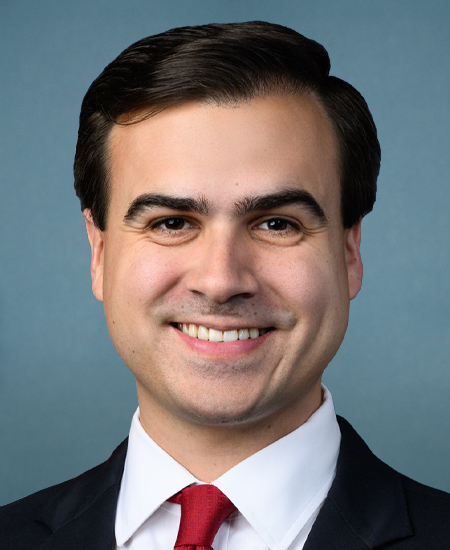
Pablo José Hernández
House · District At-Large
|
D |
Strong −
|
7% | 46 |
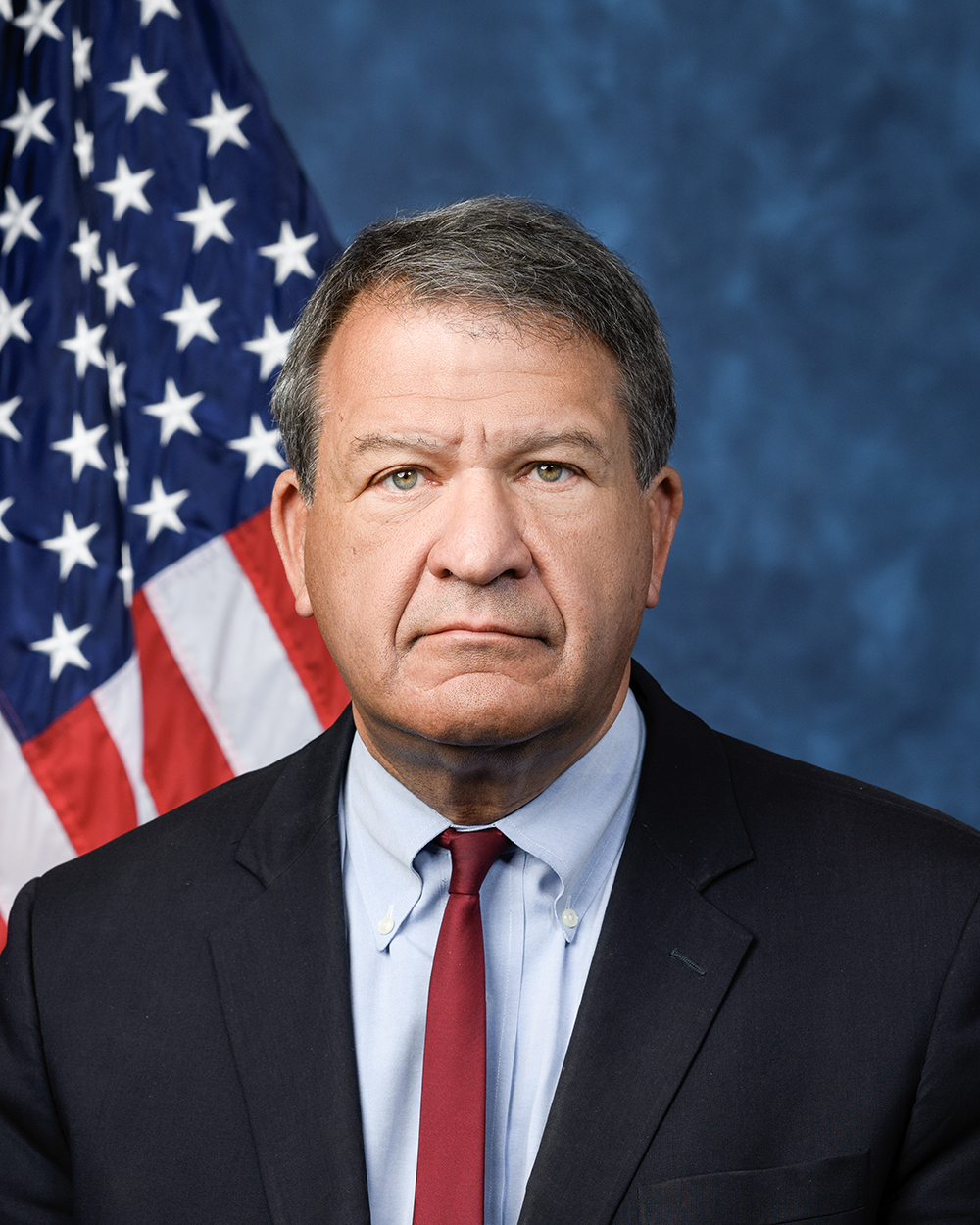
George Latimer
House · District 16
|
D |
Strong −
|
14% | 181 |
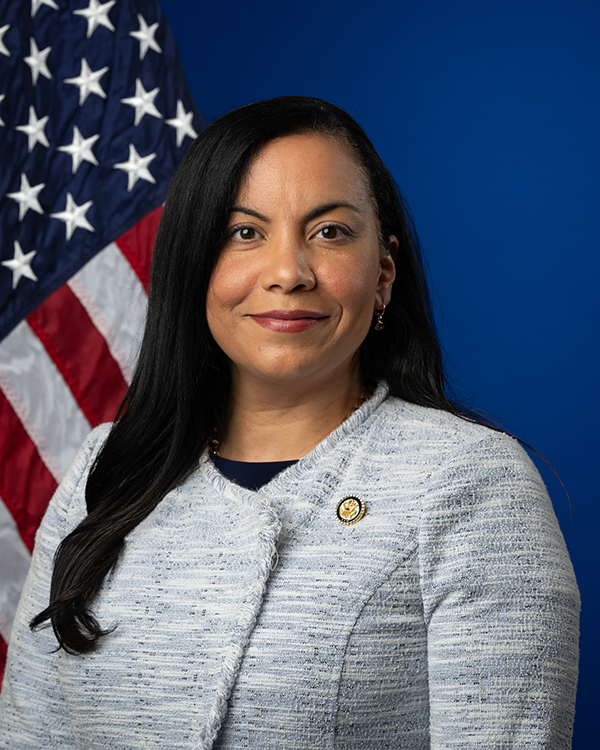
Analilia Mejia
House · District 11
|
D |
Strong −
|
14% | 52 |
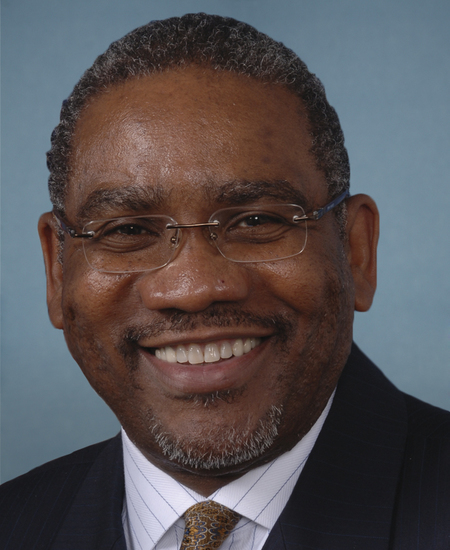
Gregory W. Meeks
House · District 5
|
D |
Strong −
|
14% | 181 |
Showing 2,311–2,320 of 2,349
bills
All budget & taxes bills
S 173: Fueling Alternative Transportation with a Carbon Aviation Tax Act of 2025
Topics
✓ Budget & TaxesSupports Budget & TaxesImposes higher aviation fuel tax to fund clean air program, directly increasing tax revenue for public environmental service.
✓ EnergySupports EnergyTax on private aviation fuel (fossil-based) funds clean air initiatives, reducing fossil fuel dependence and supporting environmental goals per bill's tax structure and Clean Communities Trust Fund.
✓ EnvironmentSupports EnvironmentTax on private jets reduces emissions; revenue funds Clean Communities Trust for air quality monitoring
HR 2692: No Tax Breaks for Union Busting (NTBUB) Act
Topics
✓ Budget & TaxesSupports Budget & TaxesCloses tax loophole by denying deductions for anti-union employer spending, aligning with fiscal responsibility and closing tax avoidance mechanisms.
✓ Labor & EmploymentSupports Labor & EmploymentDenies tax deductions for anti-union employer spending, directly protecting collective bargaining rights and worker organizing efforts.
HR 1873: Broadband Grant Tax Treatment Act
Topics
✓ Budget & TaxesSupports Budget & TaxesExcludes federal broadband grants from taxable income, providing tax relief to recipients and preventing double taxation on public infrastructure funding.
✓ EducationSupports EducationBill enables tax-free broadband grants for entities supporting digital equity programs, directly enhancing educational access and infrastructure for schools under Infrastructure Act provisions.
✓ TechnologySupports TechnologyExcludes broadband grants from taxable income, reducing financial barriers for providers and local governments deploying infrastructure, directly expanding internet access.
S 3605: Disaster Zone Energy Affordability and Investment Act
HR 1020: BOOST Act
Topics
✓ Budget & TaxesSupports Budget & TaxesProvides 75% tax credit (up to $400) for rural homeowners to improve broadband access, offering direct tax relief to lower-income households in designated areas.
✓ TechnologySupports TechnologyDirectly expands rural broadband access through tax credits for signal boosters and equipment, targeting unserved areas per FCC criteria.
HRES 382: Providing a point of order in the House of Representatives during the 119th Congress against reconciliation measures that reduce benefits under the Medicaid program or the supplemental nutrition assistance program.
Topics
✓ Budget & TaxesSupports Budget & TaxesPrevents cuts to Medicaid/SNAP funding for vulnerable groups, protecting essential government spending on social programs.
✓ HealthcareSupports HealthcareBlocks Medicaid/SNAP benefit cuts for vulnerable groups, protecting healthcare coverage and nutrition assistance programs.
Sub-Topics
Medicaid
S 4073: Transportation Security Administration Pay Act of 2026
Topics
✓ Budget & TaxesSupports Budget & TaxesBill provides temporary Treasury funding to maintain TSA employee pay during budget gaps, ensuring continuity of essential government spending without tax changes. Directly funds a critical program per fiscal management focus.
✓ Labor & EmploymentSupports Labor & EmploymentEnsures TSA employees maintain standard pay/benefits during funding gap, protecting income stability and employment standards.
Sub-Topics
Appropriations
S 2073: State Public Option Act
Topics
✓ Budget & TaxesSupports Budget & TaxesBill enables premium tax credits and caps Medicaid buy-in premiums at 8.5% of income, providing tax relief for lower-income residents and supporting public health funding through fiscal mechanisms.
✓ HealthcareSupports HealthcareCreates Medicaid buy-in with capped premiums (8.5% income), cost-sharing limits, and mandates comprehensive reproductive care, expanding coverage access and affordability.