

Issue · Budget & Taxes
Budget & Taxes
Every budget & taxes bill, vote, and legislator stance in United States, automatically classified by Maddy, our AI policy reader.
Total bills
2,349
119th Congress
Top supporter
Clay Fuller
86% support rate
Top opponent
Eleanor Holmes Norton
0% support rate
Ranked legislators
10
5 support · 5 oppose
Key legislators
Who's moving budget & taxes in United States
| Legislator | Party | Stance | Support rate | Votes |
|---|---|---|---|---|
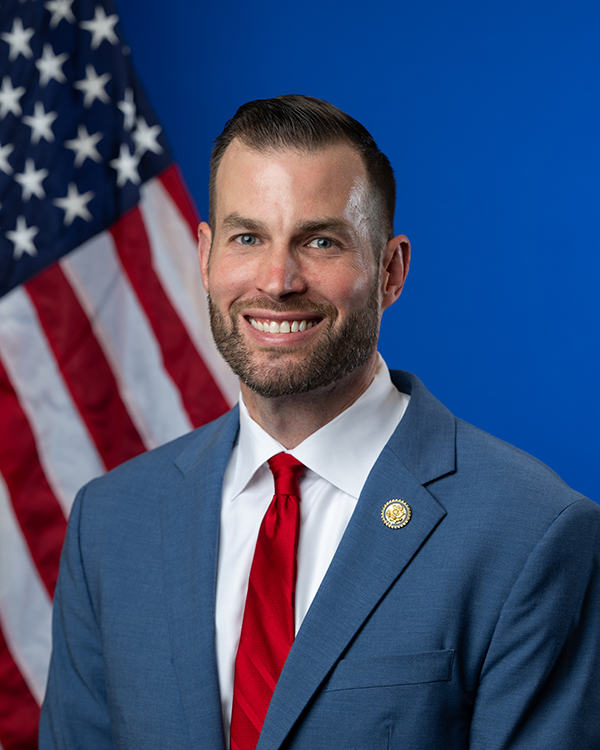
Clay Fuller
House · District 14
|
R |
Strong +
|
86% | 55 |
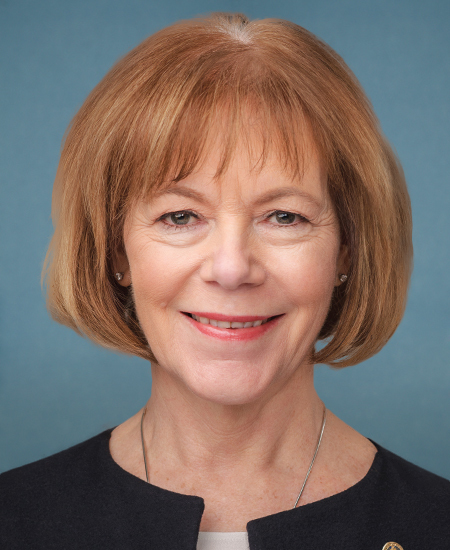
Tina Smith
Senate
|
D |
Strong +
|
83% | 251 |
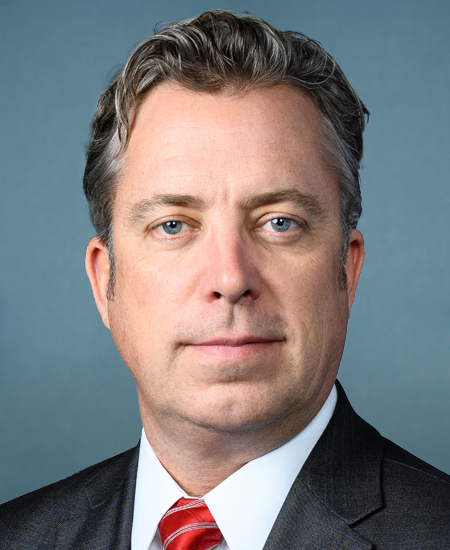
Andrew Ogles
House · District 5
|
R |
Strong +
|
83% | 175 |
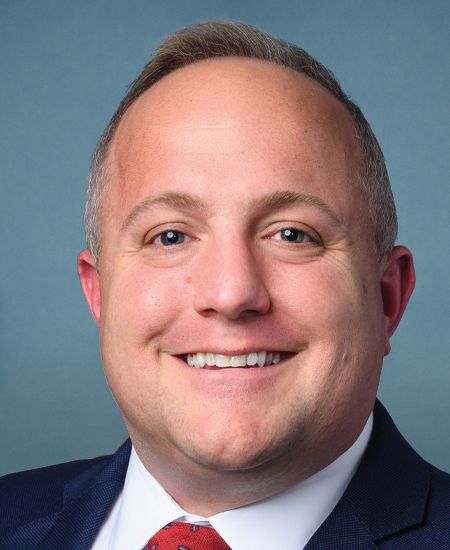
Russell Fry
House · District 7
|
R |
Strong +
|
82% | 186 |
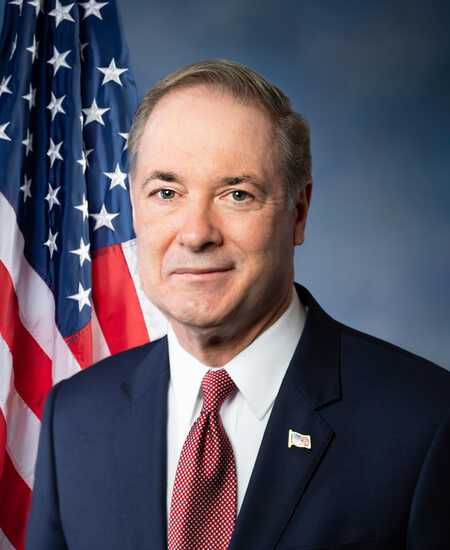
John Joyce
House · District 13
|
R |
Strong +
|
82% | 185 |
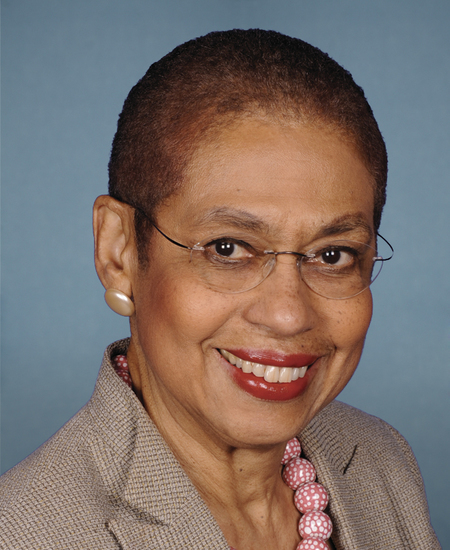
Eleanor Holmes Norton
House · District At-Large
|
D |
Strong −
|
0% | 46 |
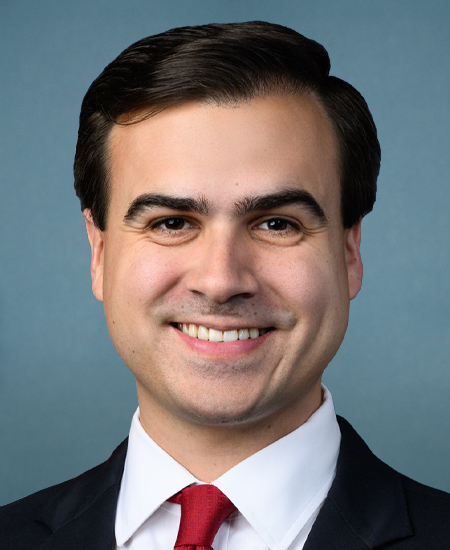
Pablo José Hernández
House · District At-Large
|
D |
Strong −
|
7% | 46 |
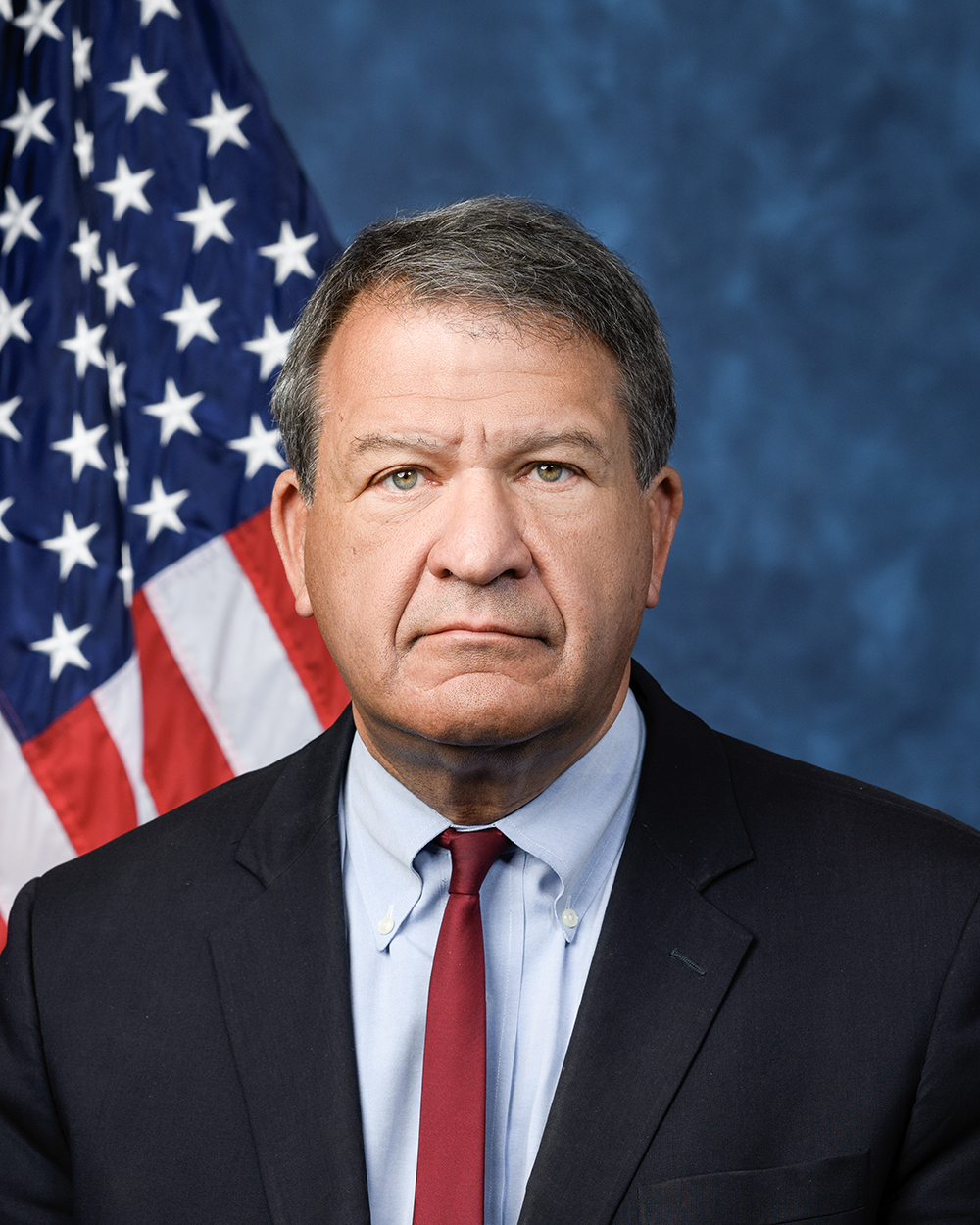
George Latimer
House · District 16
|
D |
Strong −
|
14% | 181 |
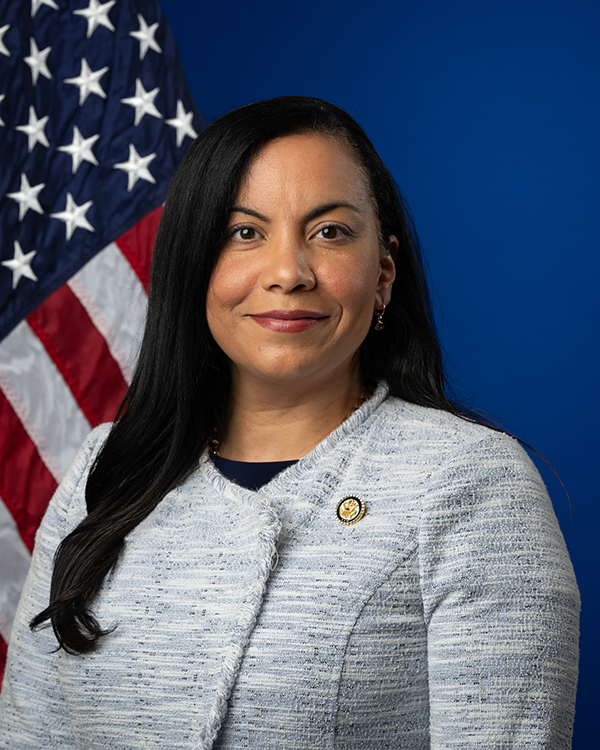
Analilia Mejia
House · District 11
|
D |
Strong −
|
14% | 52 |
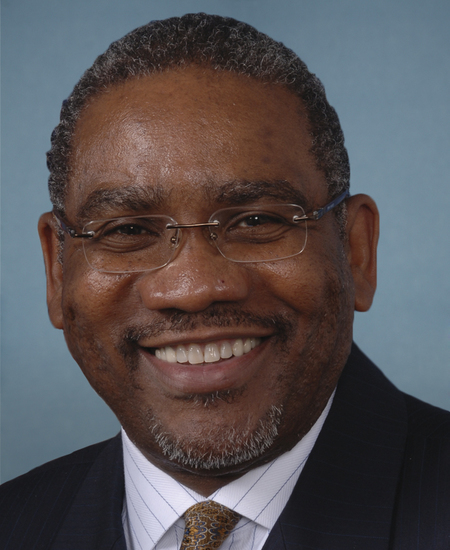
Gregory W. Meeks
House · District 5
|
D |
Strong −
|
14% | 181 |
Showing 2,321–2,330 of 2,349
bills
All budget & taxes bills
S 3817: Stop Presidential Embezzlement Act
S 3666: A bill to reauthorize the West Valley demonstration project.
Topics
✓ Budget & TaxesSupports Budget & TaxesBill explicitly increases annual funding for nuclear waste cleanup project from $75M to $150M, directly advancing fiscal support for a state environmental program.
✓ EnvironmentSupports EnvironmentBill increases funding for nuclear waste cleanup project, directly advancing environmental protection by reducing contamination at a hazardous site.
SJRES 2: A joint resolution proposing amendments to the Constitution of the United States relative to the line item veto, a limitation on the number of terms that a Member of Congress may serve, and requiring a vote of two-thirds of the membership of both Houses of Congress on any legislation raising or imposing new taxes or fees.
Sub-Topics
Appropriations
HRES 328: Expressing support for the staff of public, school, academic, and special libraries in the United States and the essential services those libraries provide to communities, recognizing the need for funding commensurate with the broad scope of social service and community supports provided by libraries, preserving the right of all citizens of the United States to freely access information and resources in their communities, supporting a strong union voice for library workers, and defending the civil rights of library staff.
Topics
✓ Budget & TaxesSupports Budget & TaxesBill explicitly calls for 'full federal, state, and local funding' to sustain library services, directly advancing public funding for essential community resources.
✓ Labor & EmploymentSupports Labor & EmploymentExplicitly states 'supporting a strong union voice for library workers,' directly aligning with collective bargaining protections under Labor & Employment indicators.
✓ TechnologySupports TechnologyBill explicitly recognizes libraries as critical for community internet access and free information, calling for funding to sustain these digital services and support underserved groups.
Sub-Topics
Collective Bargaining
S 3497: Shelter Act
Sub-Topics
Tax Credits
S 1548: Nurse Corps Tax Parity Act of 2025
Topics
✓ Budget & TaxesSupports Budget & TaxesExcludes NHSC nurse scholarships from federal income tax, providing tax relief for healthcare workers and aligning with tax parity for public service programs.
✓ HealthcareSupports HealthcareExcludes NHSC nurse payments/scholarships from federal income tax, reducing financial barriers for healthcare workforce participation. Directly supports nurse recruitment/retention in underserved areas.
✓ Labor & EmploymentSupports Labor & EmploymentTax exclusion for NHSC scholarships/benefits increases net compensation for nurses, directly enhancing worker financial benefits under Labor & Employment.
HR 4208: Taxpayer Protection Act
S 3904: American Homeownership Act
Topics
✓ Budget & TaxesSupports Budget & TaxesRestricts tax deductions for large institutional owners, closing a tax loophole that benefits wealthy entities. Aligns with fiscal responsibility by generating revenue and promoting affordable housing exceptions.
✓ HousingSupports HousingRestricts tax deductions for large institutional owners with exceptions for affordable housing properties, rehabilitation, and new construction, directly advancing housing affordability and development.
S 3840: Health Investment Zones Act of 2026
Topics
✓ Budget & TaxesSupports Budget & TaxesBill creates 30% wage tax credit for Health Investment Zone workers and funds health programs via grants/Medicare incentives, advancing tax incentives and public spending.
✓ HealthcareSupports HealthcareBill creates tax credits, grants, and loan repayments to address health disparities in designated zones, directly funding healthcare improvements and workforce incentives.
✓ Labor & EmploymentSupports Labor & EmploymentBill provides 30% tax credit for wages paid to qualified workers in Health Investment Zones, directly supporting worker compensation and employment incentives.