Issue · Budget & Taxes

Budget & Taxes

Every budget & taxes bill, vote, and legislator stance in United States, automatically classified by Maddy, our AI policy reader.

Total bills
2,411
119th Congress
Top supporter
Clay Fuller
87% support rate
Top opponent
Eleanor Holmes Norton
0% support rate
Ranked legislators
10
5 support · 5 oppose
Key legislators

Who's moving budget & taxes in United States

Legislators moving budget & taxes in United States
Legislator Party Stance Support rate Decisive votes
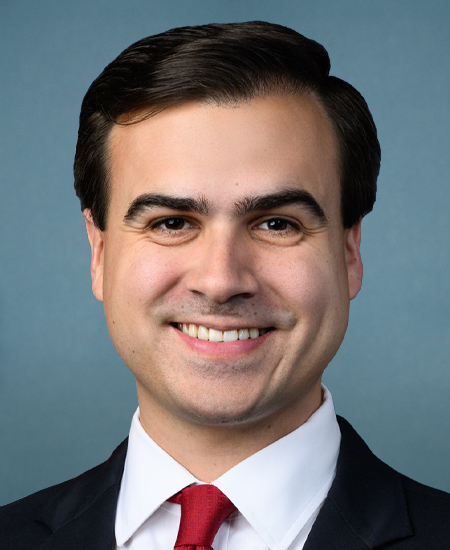
Clay Fuller
Clay Fuller House · District 14
R
Strong +
87% 46
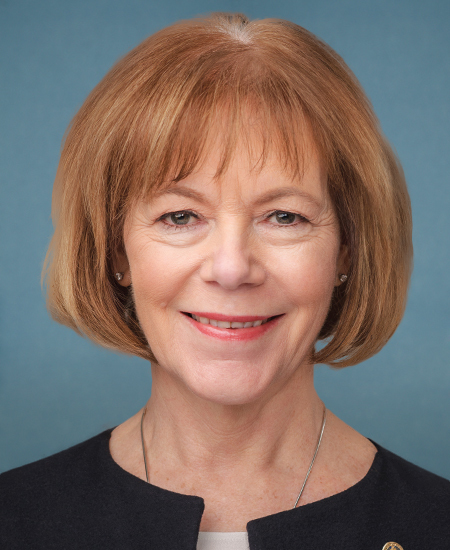
Tina Smith
Tina Smith Senate
D
Strong +
83% 77
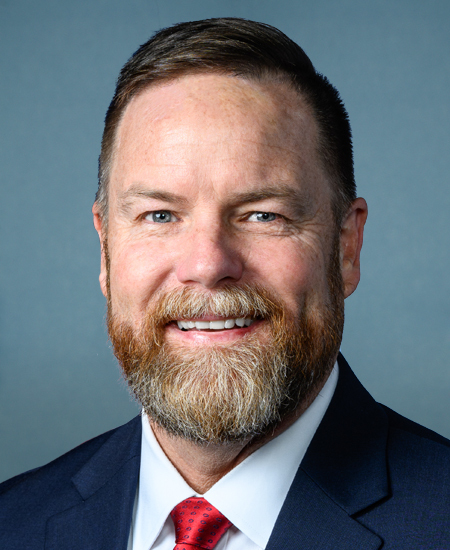
Andrew Ogles
Andrew Ogles House · District 5
R
Strong +
83% 65
Aaron Bean
Aaron Bean House · District 4
R
Strong +
83% 69
Ben Cline
Ben Cline House · District 6
R
Strong +
83% 69
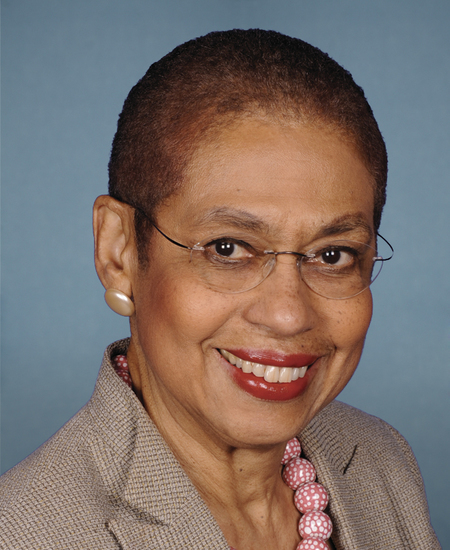
Eleanor Holmes Norton
Eleanor Holmes Norton House · District At-Large
D
Strong −
0% 26
Pablo José Hernández
Pablo José Hernández House · District At-Large
D
Strong −
7% 28
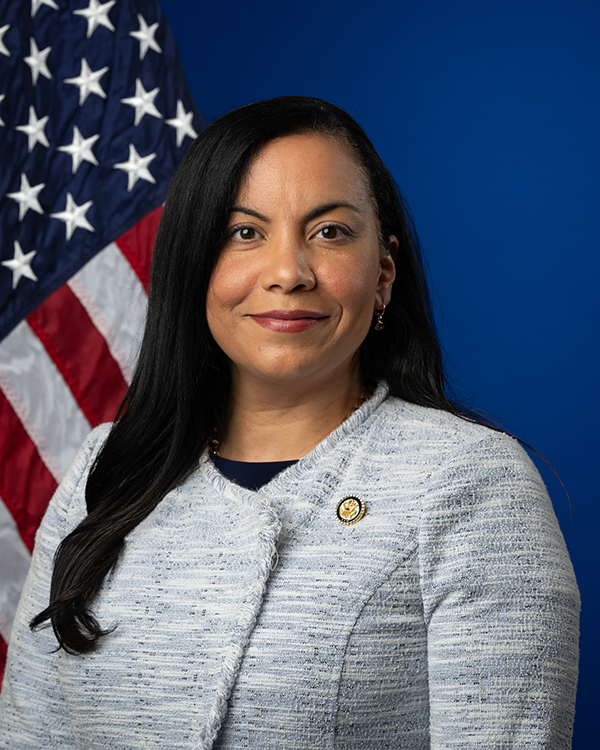
Analilia Mejia
Analilia Mejia House · District 11
D
Strong −
13% 45
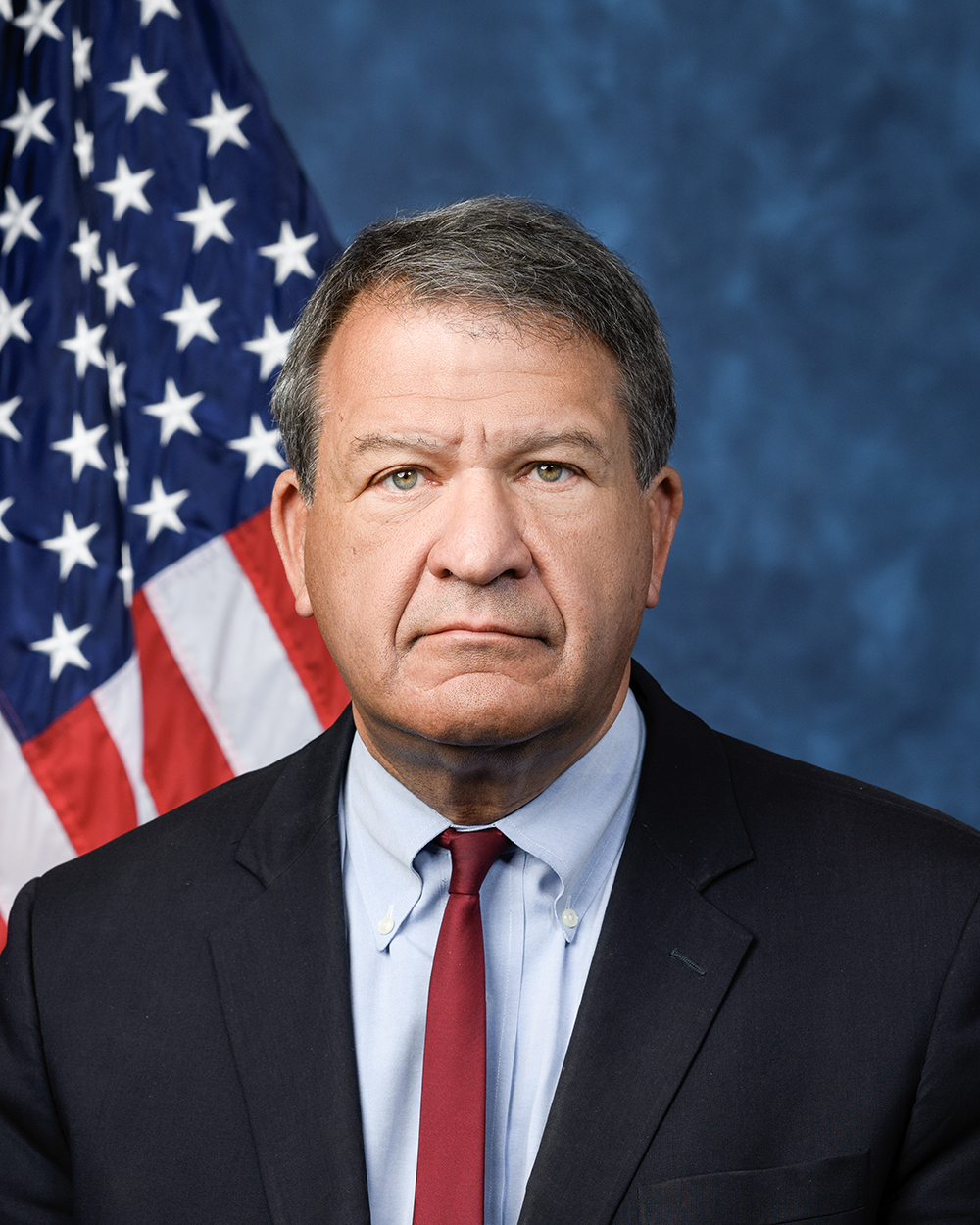
George Latimer
George Latimer House · District 16
D
Strong −
13% 67
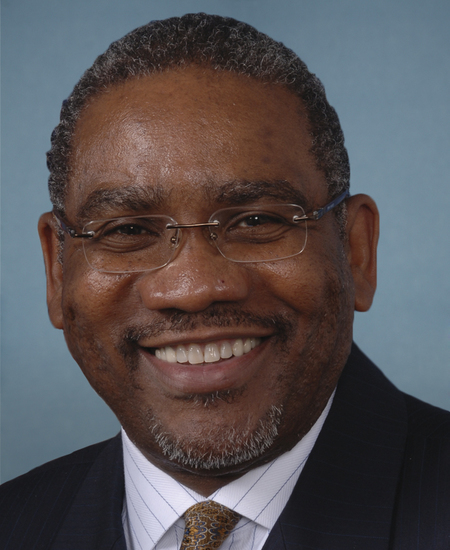
Gregory W. Meeks
Gregory W. Meeks House · District 5
D
Strong −
14% 66
Showing 1,961–1,970 of 2,411 bills

All budget & taxes bills

in committee · United States · House Jan 7, 2026

HR 6965: IMPROVE Safety for Schools Act

The IMPROVE Safety for Schools Act requires schools receiving federal funding to provide parents with information about gun safety devices and their purchase. It creates a tax credit of up to $300 for purchasing firearm safety devices (secure gun storage), with income limitations that reduce the credit for higher earners. The bill also prohibits disclosure of tax return information related to this credit to federal agencies. Additionally, it includes provisions for de-escalation training for school staff and school safety specialist positions at schools. This bill directly affects local educational agencies, parents of schoolchildren, and taxpayers who purchase firearm safety devices.
in committee · United States · House Jan 23, 2025

HR 715: BNA Fairness Act

HR 715, the BNA Fairness Act, amends the tax code to exclude the basic needs allowance provided to members of the Armed Forces from taxable income. This allowance, paid for daily living expenses like food and housing, directly affects active-duty service members who receive it. The bill adds a specific provision clarifying that this allowance qualifies as a non-taxable "qualified military benefit" under existing tax law. The change takes effect for tax years after the bill becomes law, ensuring service members no longer pay income tax on this specific benefit.
Sub-Topics Income Tax
passed · United States · Senate Dec 11, 2025

S 2584: Enduring Justice for Victims of Trafficking Act

The Enduring Justice for Victims of Trafficking Act (S 2584) makes a $5,000 special assessment on non-indigent individuals or entities convicted of federal trafficking offenses permanent by removing a 2025 expiration date. Previously, this assessment was set to end on September 30, 2025, but the bill extends it indefinitely. The assessment applies in addition to existing fees under federal law and funds victim services. It directly affects federal trafficking convicts who are not indigent, ensuring ongoing support for victims without changing eligibility or offense scope.
Sub-Topics Human Trafficking
in committee · United States · Senate Jul 31, 2025

S 2580: Promoting American Competition in Aquaculture Research Act

This bill reauthorizes federal aquaculture research funding at $15 million annually for fiscal years 2025-2029, directly affecting U.S. research programs under the National Agricultural Research, Extension, and Teaching Policy Act. It also modifies cost rules for grants by applying a standard indirect cost limitation (from Section 1462) while removing a separate restriction (from Section 1473), allowing research institutions more flexibility in overhead expenses. These changes aim to streamline funding for aquaculture research and development. The bill impacts federal research programs, universities, and private entities receiving grants under this subtitle.
failed · United States · House Mar 18, 2026

HJRES 139: Proposing an amendment to the Constitution of the United States requiring a balanced budget for the Federal Government.

This joint resolution proposes a constitutional amendment prohibiting total federal expenditures for a year from exceeding the average annual federal receipts collected in the three prior years, adjusted for changes in the population of U.S. citizens and inflation. Expenditures for payment of debt and receipts derived from borrowing are excluded. Under the amendment, Congress may authorize specific expenditures in excess of the limit with (1) a roll call vote of two-thirds of each chamber, or (2) a roll call vote for any year in which a declaration of war is in effect. The amendment also prohibits any bill to levy a new tax or increase the rate of any tax from becoming law unless it has been approved by a roll call vote of two-thirds of the whole number of each chamber of Congress. The requirements take effect in the fifth year beginning after ratification of the amendment.
in committee · United States · Senate Feb 27, 2025

S 798: Capital Gains Inflation Relief Act of 2025

The Capital Gains Inflation Relief Act of 2025 would allow taxpayers to adjust the basis of certain assets for inflation when calculating capital gains tax. For assets held more than three years, it would create an "indexed basis" (adjusted basis plus inflation adjustment based on GDP deflator changes) for assets like stocks, digital assets, and property. This would potentially reduce taxable capital gains on qualifying assets. The bill would apply to assets acquired after December 31, 2025, with specific exceptions for certain foreign stocks and transactions between related parties.
in committee · United States · House Dec 17, 2025

HR 6781: Trump Tariff Rebate Act

HR 6781, the Trump Tariff Rebate Act, increases the standard federal income tax deduction for taxpayers filing in 2026 and 2027. It adds $4,000 to the standard deduction for joint filers or surviving spouses, $3,000 for heads of household, and $2,000 for other filers during those tax years. The bill applies only to the 2026 and 2027 tax returns (filed in 2027 and 2028) and provides a temporary tax benefit based on filing status. It does not relate to actual tariff refunds but uses "tariff rebate" as a defined tax provision name.
Sub-Topics Income Tax
in committee · United States · House May 13, 2025

HR 3327: Public Safety Retirees Healthcare Protection Act of 2025

The Public Safety Retirees Healthcare Protection Act of 2025 increases the tax exclusion for health and long-term care insurance premiums paid by retired public safety officers from $3,000 to $6,000 annually. This change applies to distributions from governmental retirement plans used for these insurance costs, directly affecting retired police officers, firefighters, and other public safety personnel. The bill amends the Internal Revenue Code to allow a higher portion of retirement income to remain tax-free for these retirees. It takes effect for taxable years beginning after December 31, 2025.
Sub-Topics Long-Term Care Tags Public Safety
in committee · United States · House Feb 5, 2025

HR 1006: Higher Education Accountability Tax Act

HR 1006, the Higher Education Accountability Tax Act, increases the excise tax on investment income for private colleges and universities from 1.4% to 10% for all affected institutions, with an additional 20% tax for schools that raise tuition faster than inflation. It directly affects private colleges with annual investment income exceeding $250,000, particularly those increasing net tuition prices (for first-time, full-time undergraduates) at a rate exceeding the Consumer Price Index (CPI) over three years. The bill modifies existing tax code provisions to implement these rate changes, effective for taxable years beginning after December 31, 2024. This creates a tiered tax structure based on both investment income size and tuition growth relative to inflation.
in committee · United States · Senate Jul 31, 2025

S 2621: A bill to amend the Public Health Service Act to reauthorize support for State-based maternal mortality review committees, to direct the Secretary of Health and Human Services to disseminate best practices on maternal mortality prevention to hospitals, State-based professional societies, and perinatal quality collaboratives, and for other purposes.

This bill reauthorizes funding for state-level maternal mortality review committees, which analyze pregnancy-related deaths to identify preventable causes. It requires the Health and Human Services Secretary to share annual best practices for preventing maternal mortality with hospitals, medical societies, and maternity care groups. The bill increases annual funding for these programs from $58 million to $100 million, extending support through fiscal years 2026-2030. These changes directly affect state health agencies, hospitals, and medical professionals working on maternal health. The focus is on improving death record accuracy and implementing proven prevention strategies.
Showing 1,961 to 1,970 of 2,411 bills