Issue · Healthcare

Healthcare

Every healthcare bill, vote, and legislator stance in South Dakota, automatically classified by Maddy, our AI policy reader.

Total bills
57
2026 Regular Session
Top supporter
Helene Duhamel
88% support rate
Top opponent
John Carley
29% support rate
Ranked legislators
10
5 support · 5 oppose
Key legislators

Who's moving healthcare in South Dakota

Legislators moving healthcare in South Dakota
Legislator Party Stance Support rate Votes
Helene Duhamel
Helene Duhamel Senate · District 32
R
Strong +
88% 26
Liz Larson
Liz Larson Senate · District 10
D
Strong +
86% 29
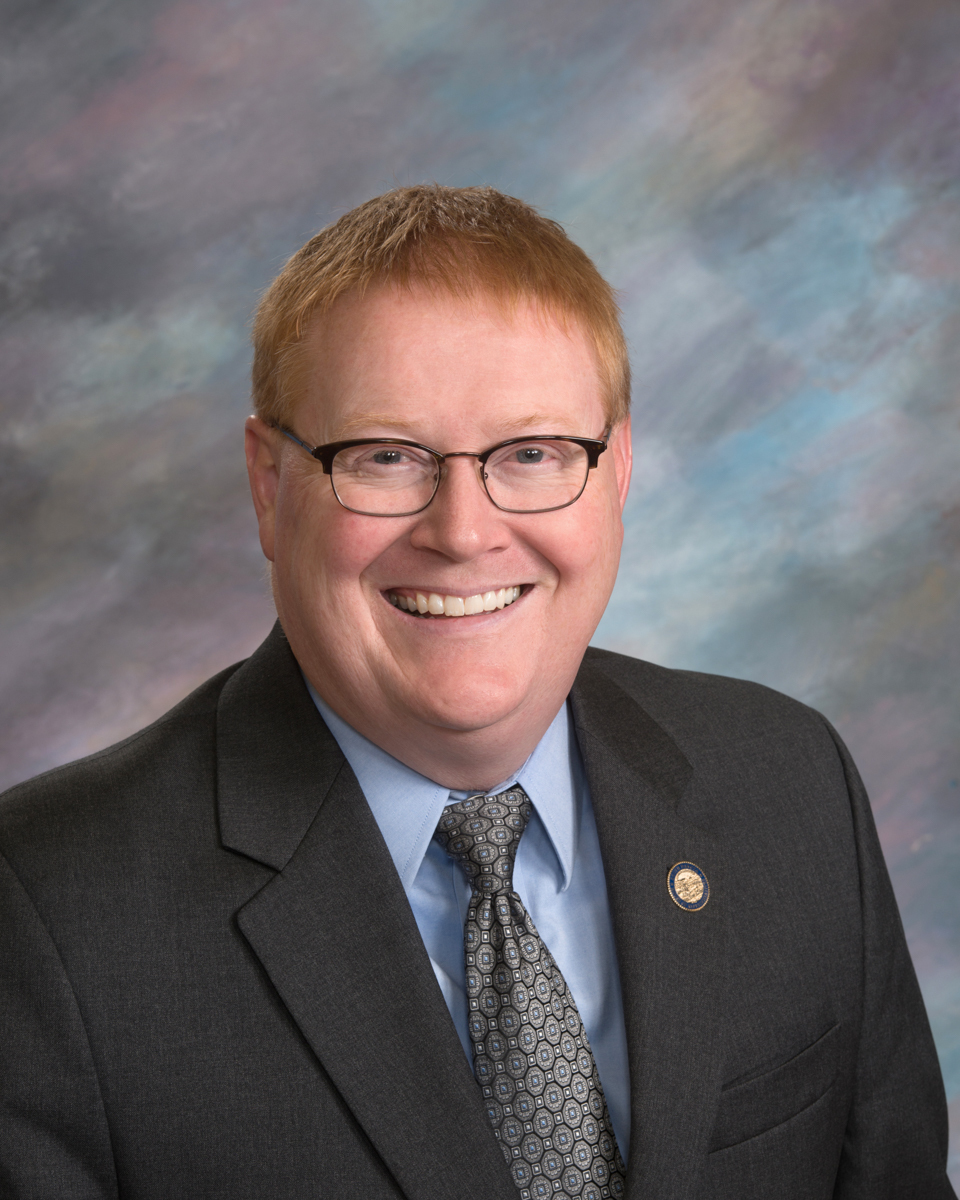
Jamie Smith
Jamie Smith Senate · District 15
D
Strong +
83% 41
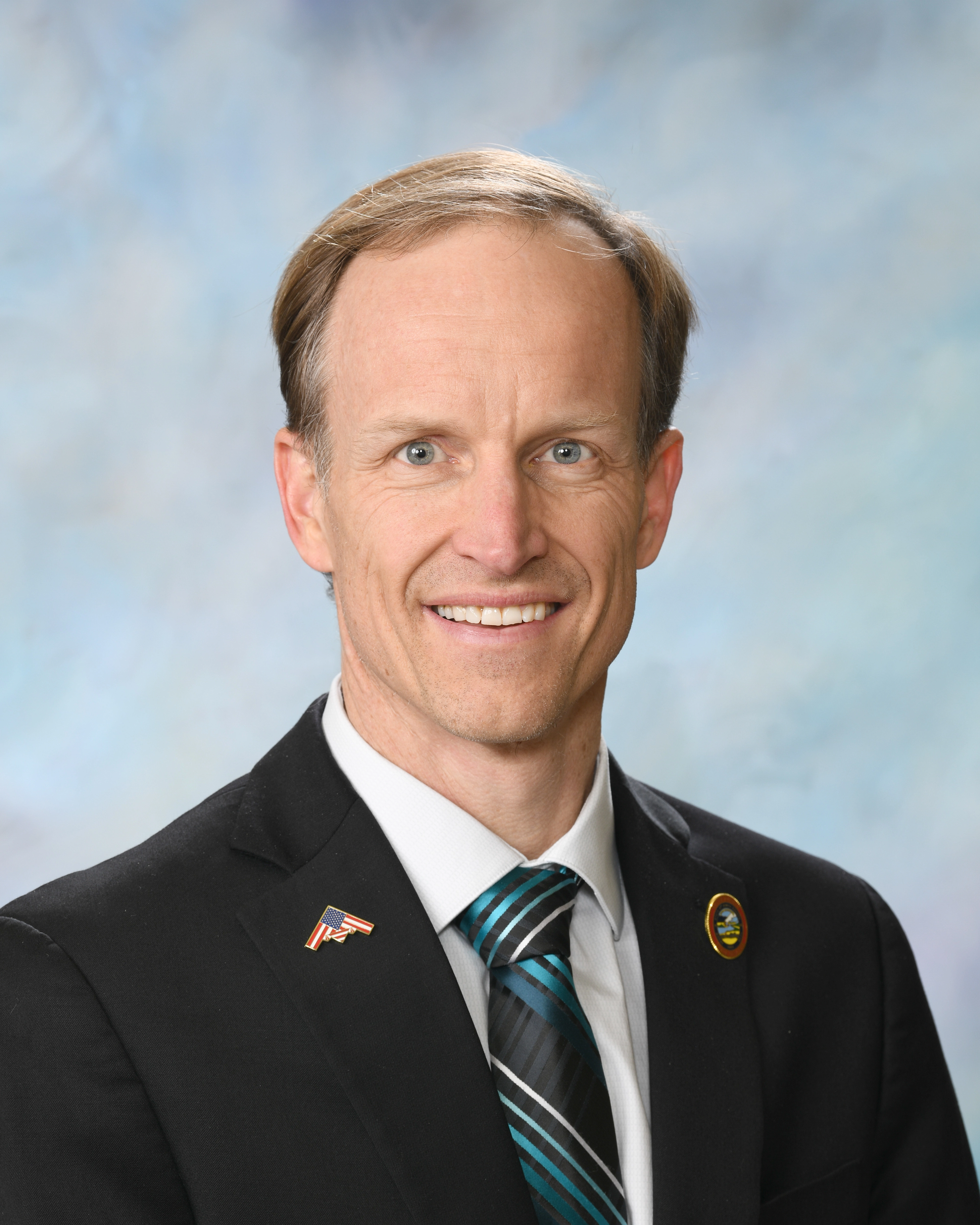
Tim Reed
Tim Reed Senate · District 7
R
Strong +
82% 36
Scott Moore
Scott Moore House · District 23
R
Strong +
81% 52
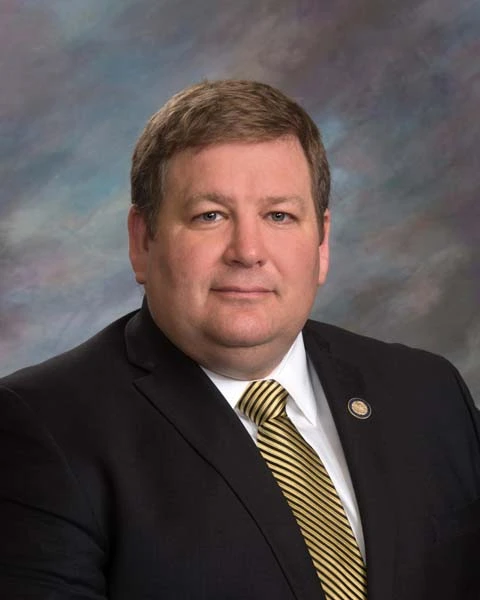
John Carley
John Carley Senate · District 29
R
Oppose
29% 29
Bethany Soye
Bethany Soye House · District 9
R
Oppose
29% 19
Taffy Howard
Taffy Howard Senate · District 34
R
Oppose
31% 28
Tina Mulally
Tina Mulally House · District 35
R
Oppose
31% 40
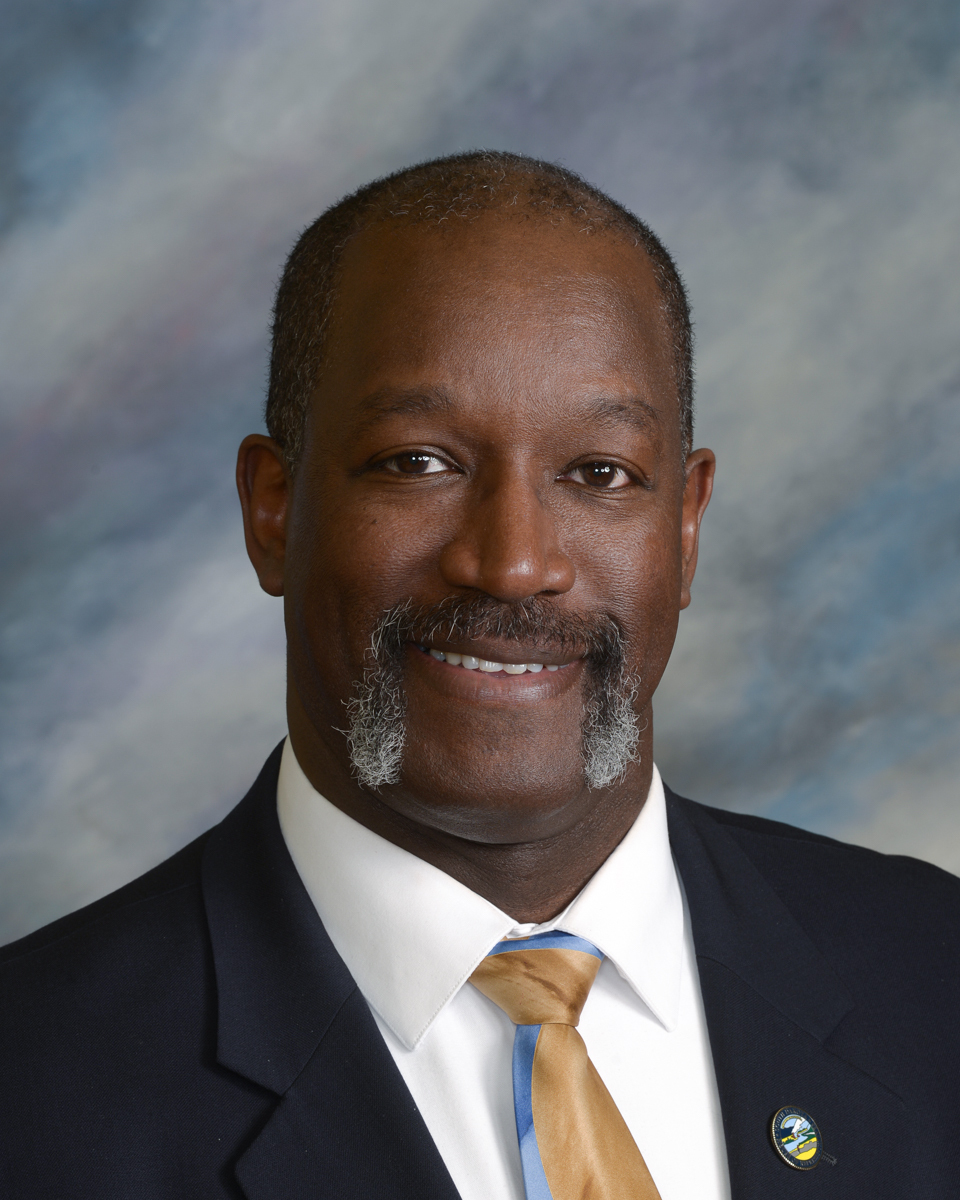
Tony Randolph
Tony Randolph House · District 35
R
Oppose
35% 48
Showing 51–57 of 57 bills

All healthcare bills

passed · South Dakota · House Feb 9, 2026

HB 1228: provide a stipend to certain members of the National Guard who donate an organ for the purpose of transplantation to another individual.

This bill (HB 1228) provides financial support to South Dakota National Guard members who donate an organ for transplantation. It requires the Department of the Military to pay a stipend based on recovery time: 50% of active-duty basic pay for two weeks or less recovery, or 150% for longer recovery, as certified by a doctor. To qualify, members must follow National Guard donation protocols, give one month's notice before surgery, and undergo the procedure at an approved transplant hospital. The stipend is only available if the member does not receive paid leave from their civilian employer for the donation. The bill directly affects National Guard members who choose to donate organs while serving.
passed · South Dakota · House Jan 22, 2026

HB 1039: provide requirements related to the cardiac health evaluation of minors.

HB 1039 requires all students participating in school sports to undergo a pre-participation physical exam within one year of the season start. The exam must include heart health questions about the student's personal and family history, documented on a state-approved form signed by a licensed healthcare provider. Schools must collect these forms before students can join athletic activities. Additionally, the Department of Health must create and distribute educational materials about sudden cardiac arrest to all school districts and healthcare providers, outlining screening guidelines and symptoms requiring specialist referral. This bill directly affects minors in school sports, their schools, and healthcare practitioners conducting these evaluations.
signed · South Dakota · Senate Mar 9, 2026

SB 87: clarify and establish requirements related to forensic medical examinations.

South Dakota's SB 87 ensures counties cover the full cost of forensic medical examinations for victims of sexual assault or rape, eliminating out-of-pocket expenses for victims. The bill specifies covered costs include physician services, necessary tests (like STD screenings and pregnancy tests), supplies, and medications, with payments capped at Medicaid rates. It allows minors aged 16+ to consent to exams without parental permission and permits exams for protected persons without guardian consent, provided informed consent is obtained. Hospitals and clinics cannot bill victims beyond these Medicaid-based limits, and must notify victims of their no-cost access regardless of cooperation with law enforcement.
passed · South Dakota · House Jan 26, 2026

HB 1081: exempt certain individuals from, and require specific notice for, jury duty.

HB 1081 exempts certain healthcare providers, public safety workers, and caregivers from jury duty under specific conditions. Healthcare providers caring for pregnant patients or those with serious medical conditions can request exemption if their absence would cause patient hardship, such as uncontrolled pain or worsened health. Public safety workers (like police and EMTs) and individuals solely responsible for daily care of a permanently disabled household member may also be exempt if their absence risks public safety or the disabled person’s health. The bill also requires courts to notify jurors 14 days in advance of their required service date.
signed · South Dakota · House Mar 9, 2026

HB 1101: prohibit an insurer from declining or limiting life, disability, or long-term care insurance policies based solely on an individual's status as a living organ donor.

HB 1101 prohibits insurers from denying or limiting life, disability, or long-term care insurance coverage solely because someone is a living organ donor. It specifically bans insurers from: (1) refusing coverage based on donor status, (2) requiring donors to stop donating to maintain coverage, or (3) charging higher premiums or imposing other restrictions due to donor status alone. The bill ensures that living organ donors cannot face insurance discrimination without evidence of actual increased health risk. This directly protects individuals who donate organs while alive from unfair treatment by insurance companies.
passed · South Dakota · Senate Feb 4, 2026

SB 104: require the reimbursement of therapy using equine movement through the state medicaid program.

SB 104 requires South Dakota's Medicaid program to reimburse licensed therapists for equine-assisted therapy. The bill mandates reimbursement for physical therapists, occupational therapists, or speech-language pathologists who provide therapy using horse-human interactions to help patients meet treatment goals. This applies to Medicaid recipients and requires the state to submit a federal plan amendment by August 1, 2026, to implement the coverage. The law specifically defines "therapy using equine movement" as therapeutic activities leveraging horse interactions to achieve clinical objectives.
Sub-Topics Medicaid
died · South Dakota · Senate Feb 17, 2026

SB 169: place requirements on the use of artificial intelligence systems by health carriers in making determinations about the provision of health care services.

SB 169 requires South Dakota health insurers to follow specific rules when using artificial intelligence (AI) systems to make coverage decisions for health care services. The bill mandates that AI tools must base decisions on individual patient medical history, clinical circumstances, and relevant clinical data - not just group data - and must apply equally to all patients with similar needs. It also prohibits AI from denying or delaying coverage; only licensed doctors or healthcare professionals can make such final decisions after reviewing patient-specific details. Insurers must submit annual reports detailing AI usage and human oversight, and the state insurance division can inspect systems for compliance. This directly affects health insurers and their AI systems used in coverage determinations.
Showing 51 to 57 of 57 bills
Previous 1 4 5 6