Issue · Criminal Justice

Criminal Justice

Every criminal justice bill, vote, and legislator stance in South Dakota, automatically classified by Maddy, our AI policy reader.

Total bills
50
2026 Regular Session
Top supporter
Erik Muckey
95% support rate
Top opponent
John Carley
21% support rate
Ranked legislators
10
5 support · 5 oppose
Key legislators

Who's moving criminal justice in South Dakota

Legislators moving criminal justice in South Dakota
LegislatorPartyStanceSupport rateVotes
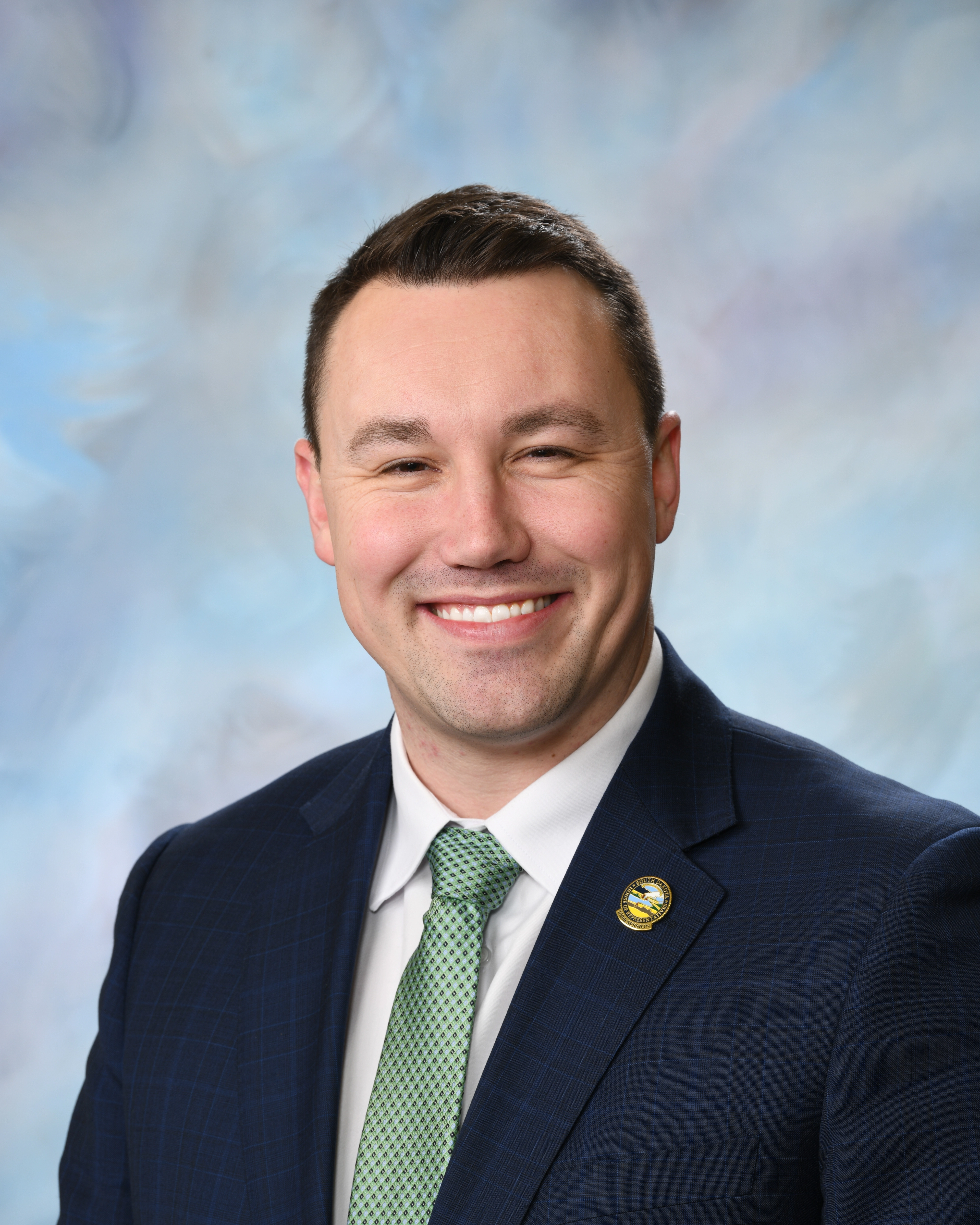
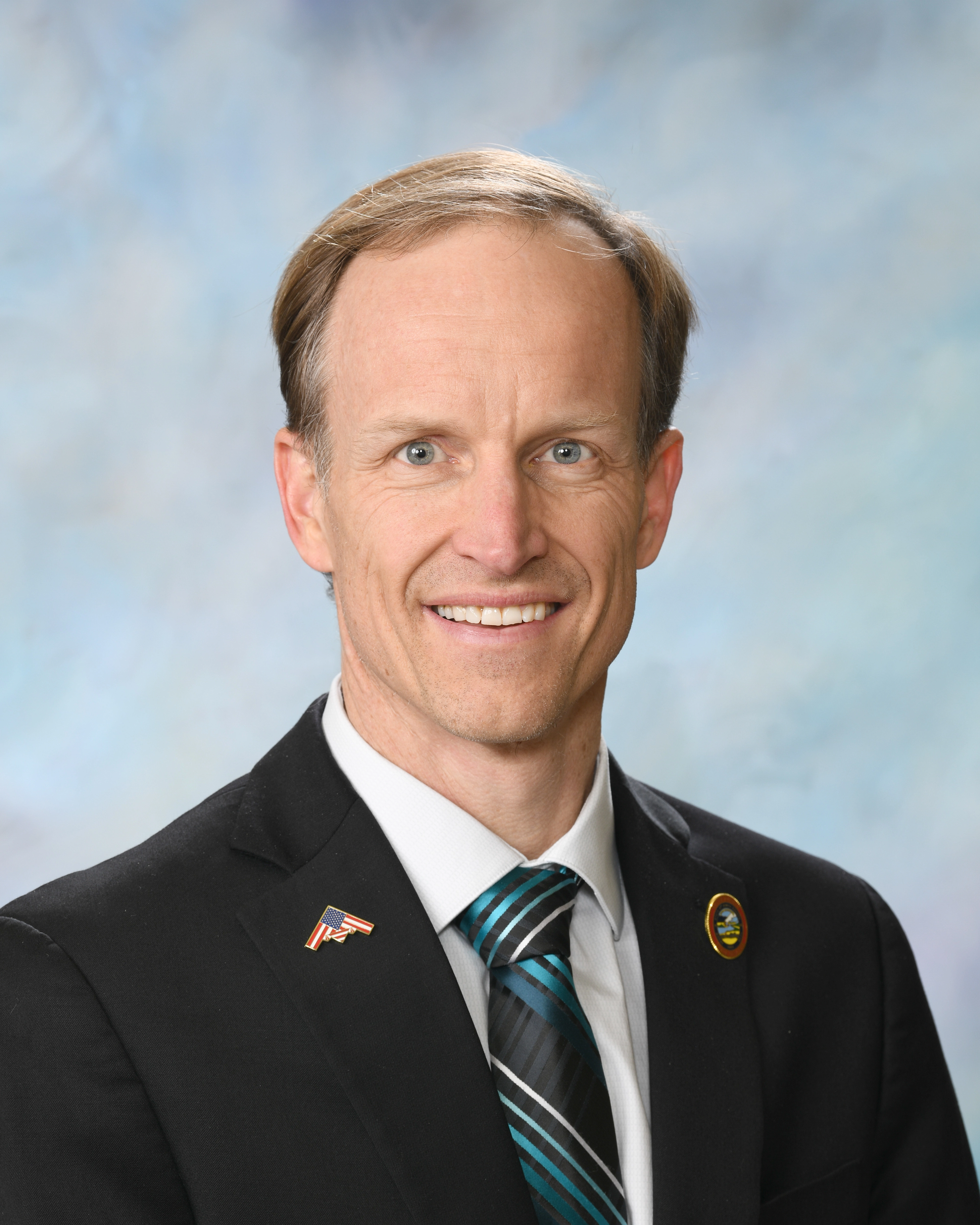
Erik Muckey
Erik Muckey House · District 15
D
Strong +
95%50
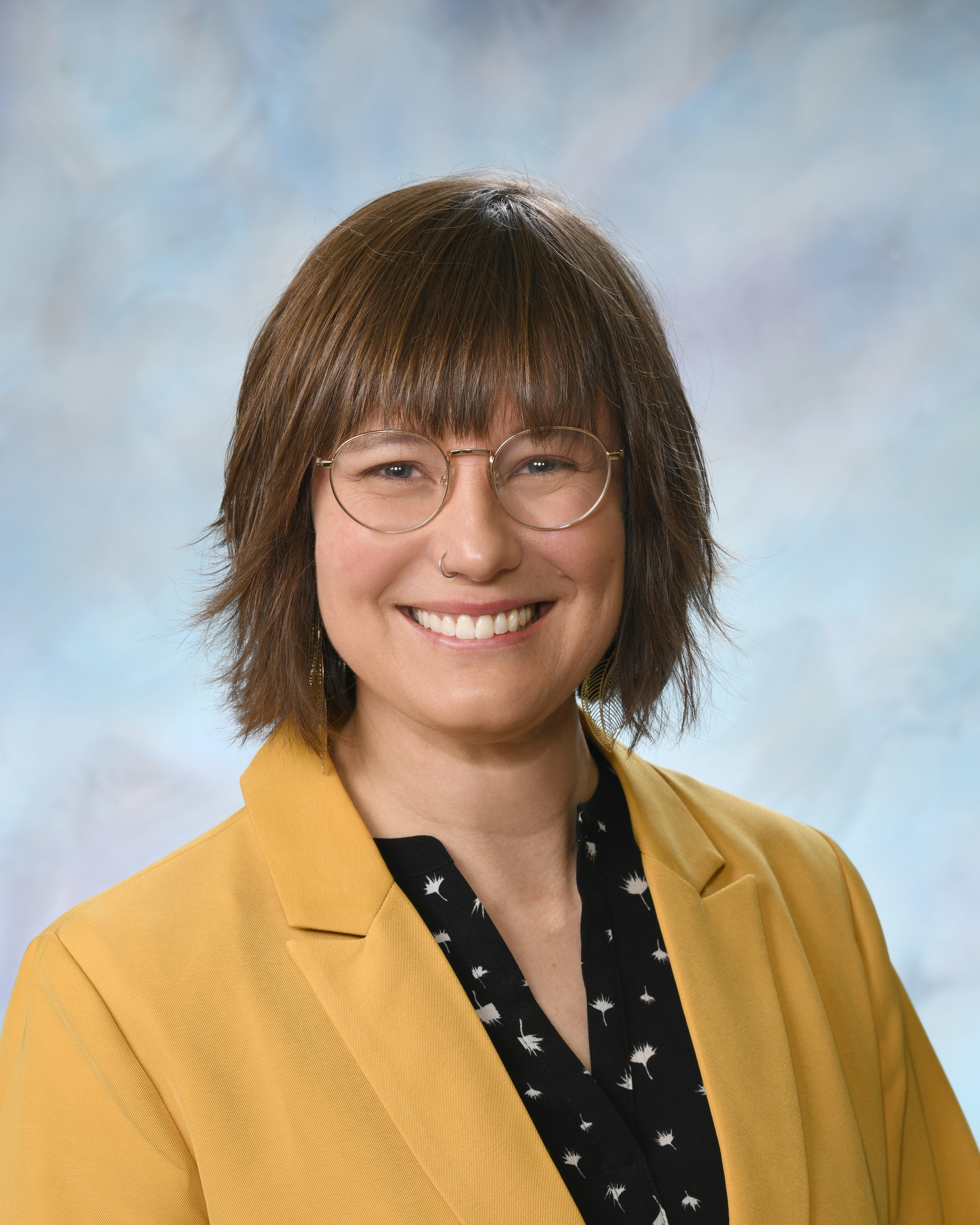
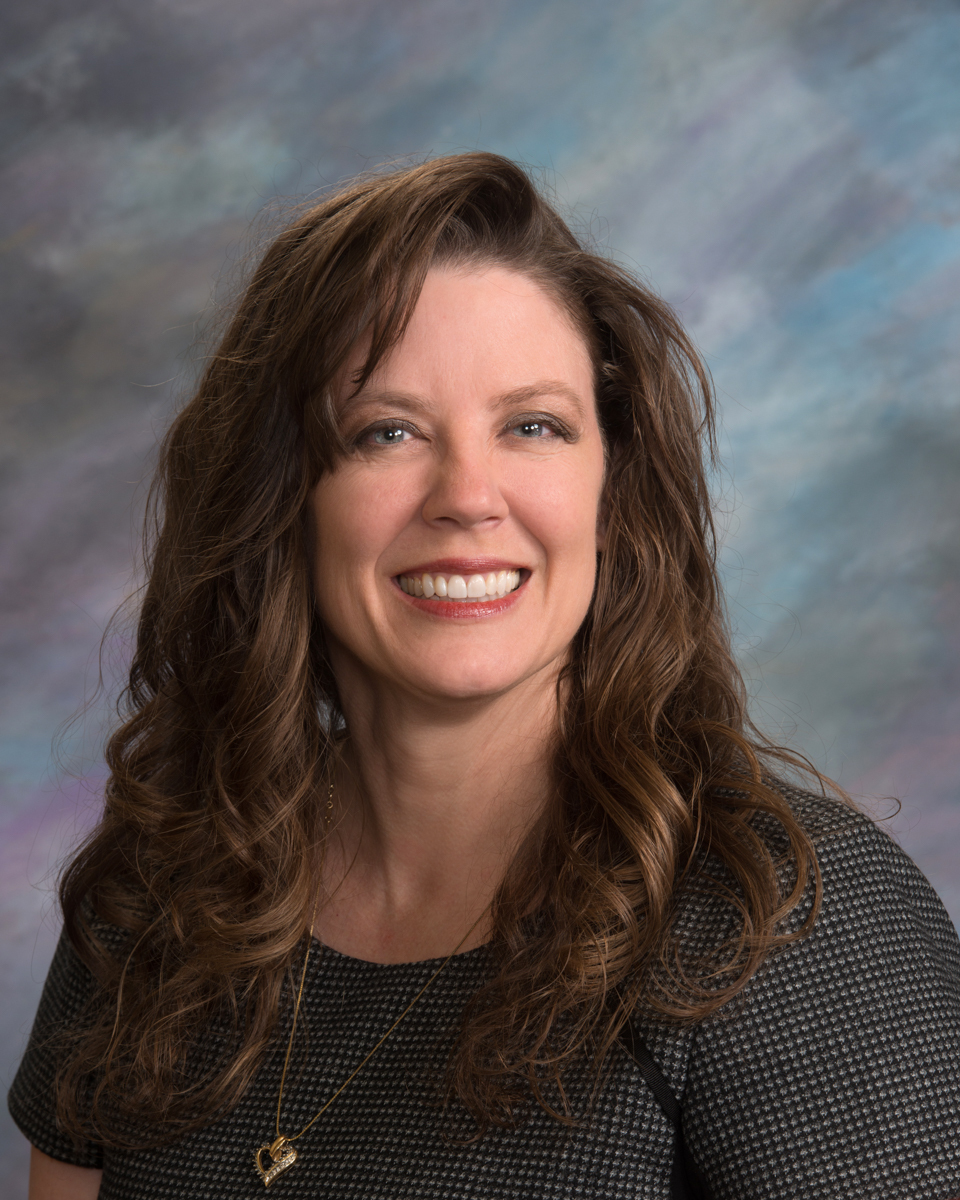
Nicole Uhre-Balk
Nicole Uhre-Balk House · District 32
D
Strong +
88%51
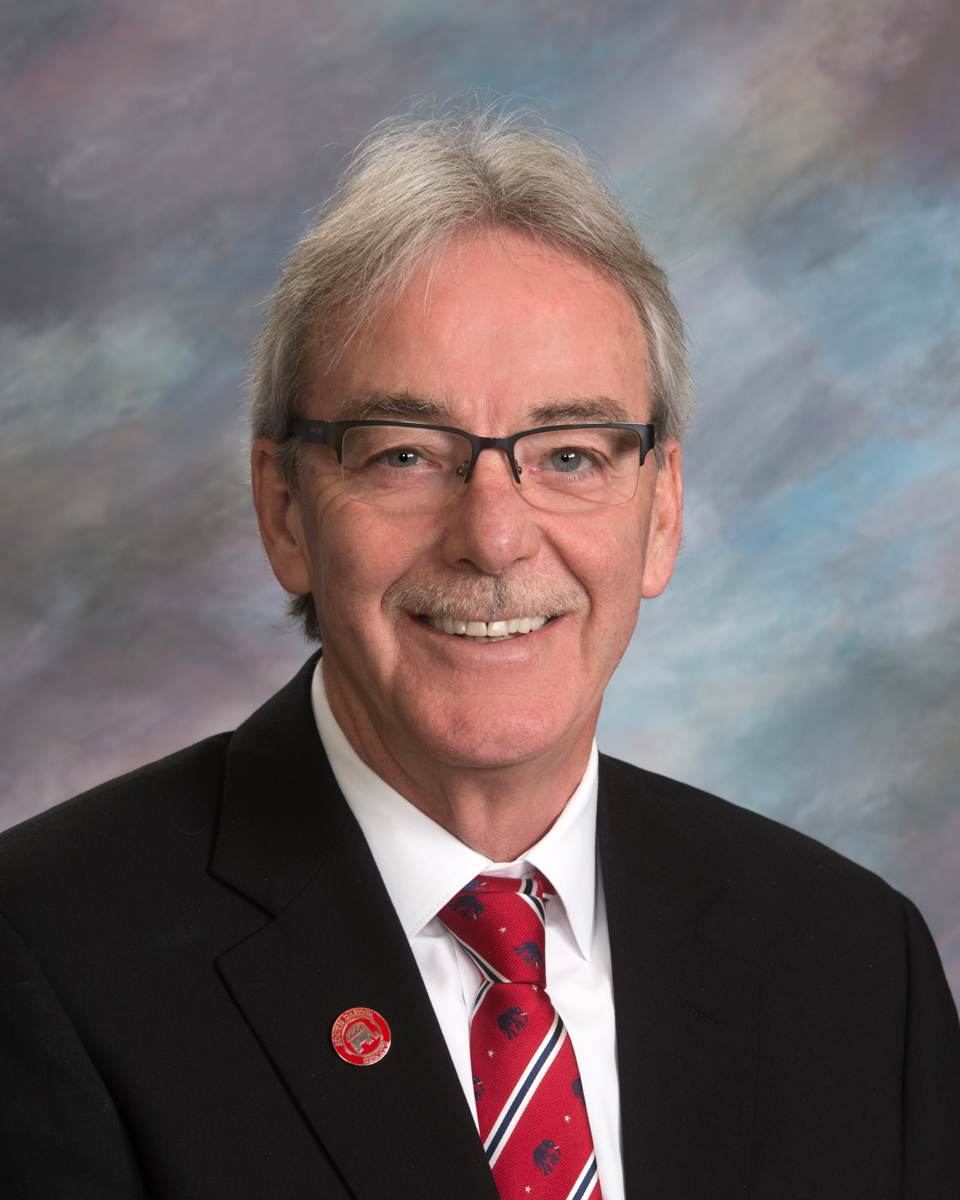
Ernie Otten
Ernie Otten Senate · District 6
R
Strong +
86%34
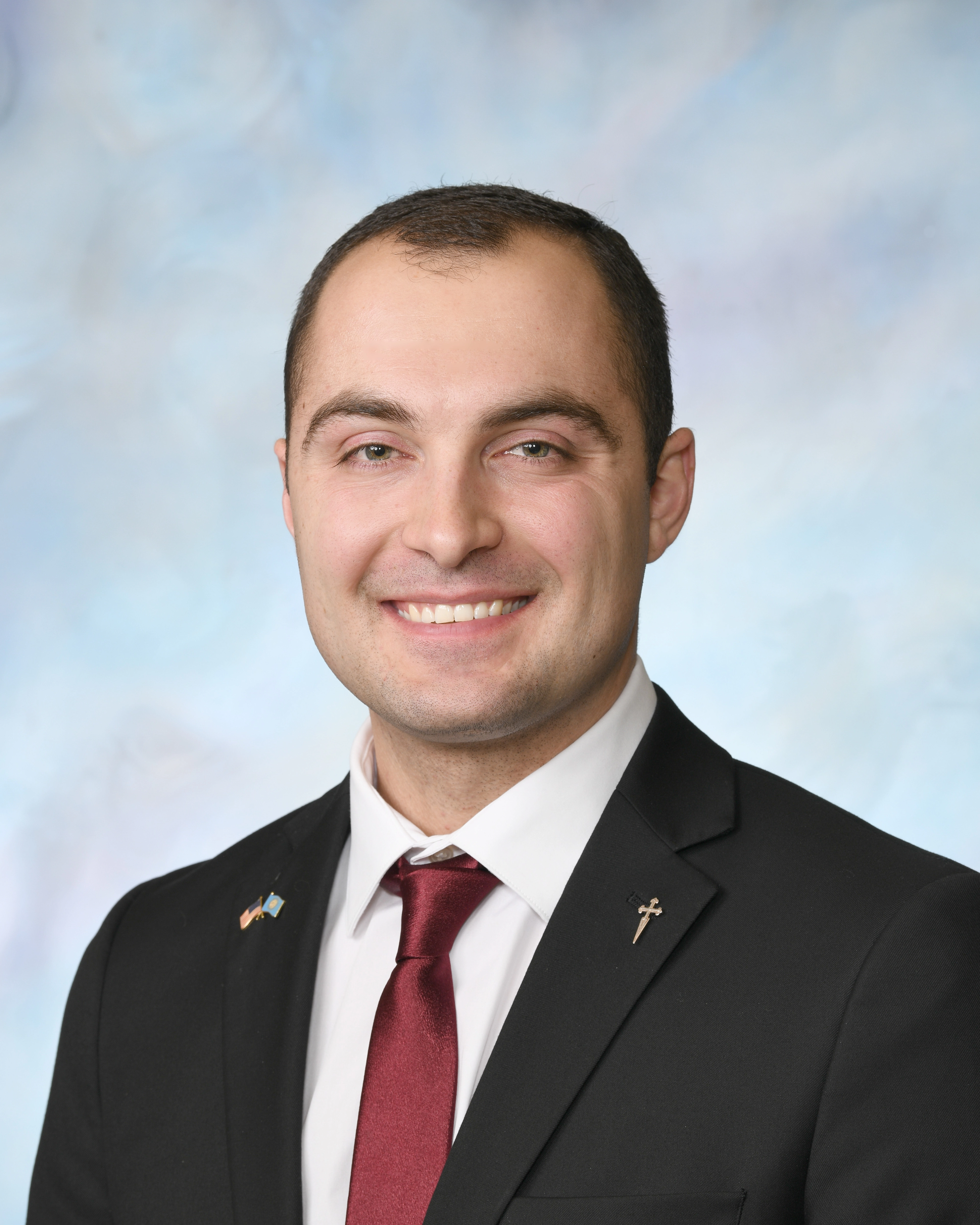
Jack Kolbeck
Jack Kolbeck House · District 13
R
Strong +
85%51
Erin Healy
Erin Healy House · District 10
D
Strong +
82%57
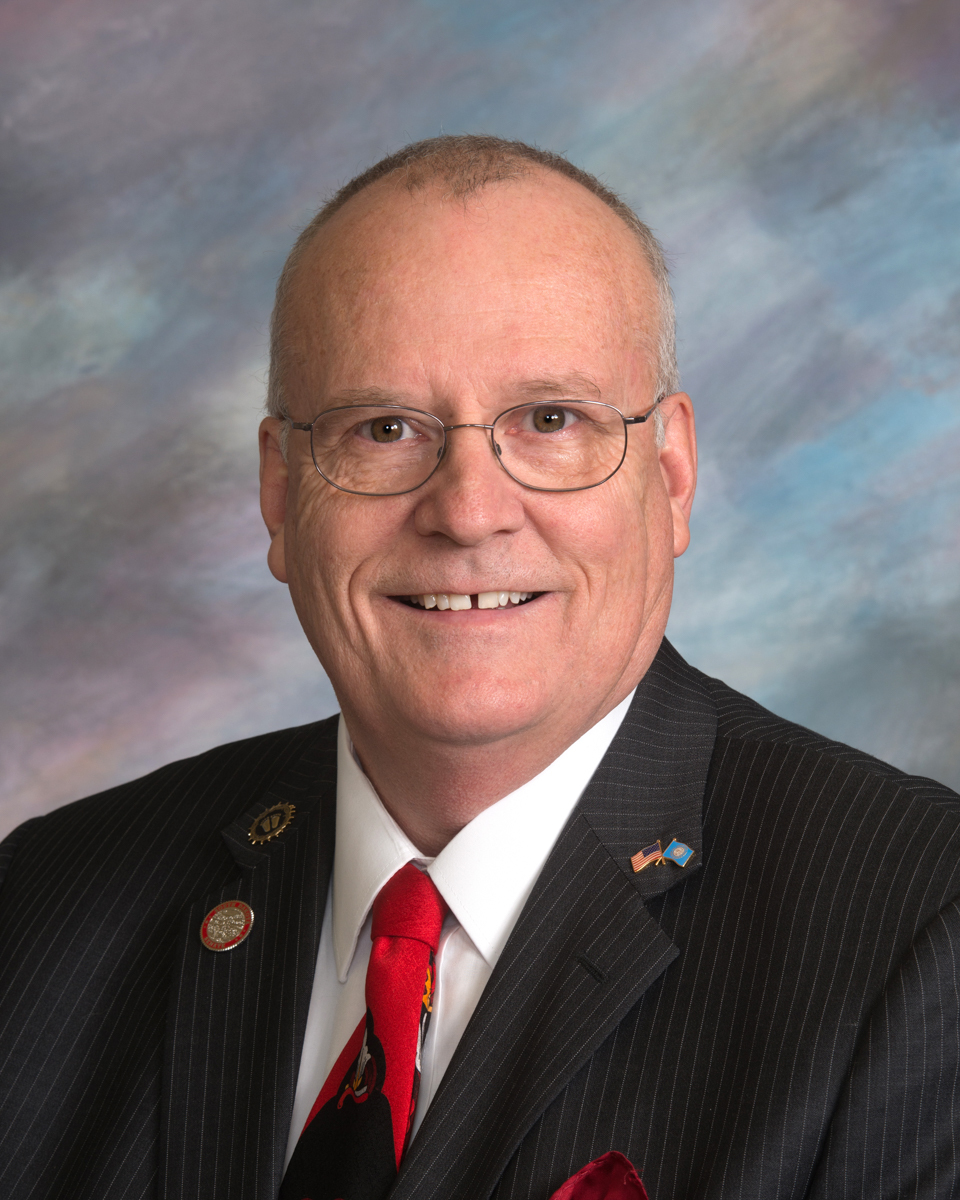
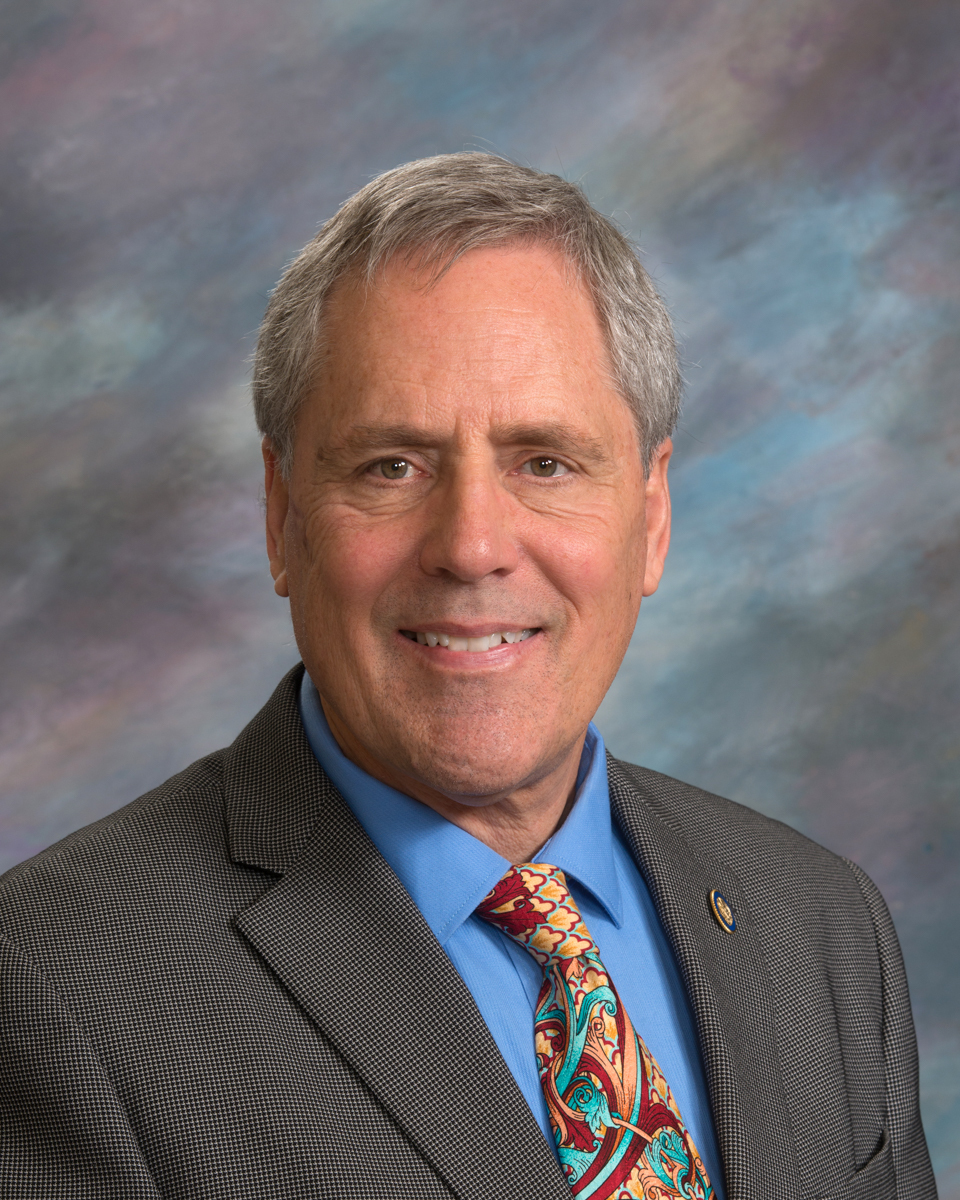
John Carley
John Carley Senate · District 29
R
Oppose
21%34
Taffy Howard
Taffy Howard Senate · District 34
R
Oppose
23%34
Phil Jensen
Phil Jensen House · District 33
R
Oppose
24%52
Logan Manhart
Logan Manhart House · District 1
R
Oppose
24%59
Heather Baxter
Heather Baxter House · District 34
R
Oppose
24%59
Showing 1–10 of 50 bills

All criminal justice bills

passed · South Dakota · House Feb 23, 2026

HB 1322: revise a provision related to the transportation of an inmate upon discharge from a correctional facility.

HB 1322 revises a South Dakota law requiring correctional facilities to provide transportation for inmates when they are released (upon parole, sentence completion, or discharge). It mandates that facilities must provide transportation to one of three locations chosen by the inmate: the county where they lived before incarceration, the county where they were sentenced, or a location with equivalent mileage to the nearest of those two options. This change ensures inmates have a clear choice of destination while preventing facilities from routing them to unnecessarily distant locations. The bill does not alter existing requirements for providing inmates with clothing or a small cash allowance upon release. The policy directly affects all inmates leaving South Dakota correctional facilities.
signed · South Dakota · House Mar 30, 2026

HB 1300: except victims of human trafficking or domestic abuse from certain clemency notice requirements.

This bill exempts victims of human trafficking or domestic abuse from specific clemency notice requirements when applying for clemency. It directly affects individuals in these victim categories who are seeking clemency by removing a requirement to receive certain notices. To qualify, applicants must submit their own affidavit confirming victim status (citing specific statutes) plus affidavits from two professionals (e.g., law enforcement, mental health providers, or victim advocates) who verify the claim. The professionals must represent different agencies to ensure independent verification.
died · South Dakota · Senate Feb 5, 2026

SB 238: authorize the removal of occupants from certain short-term lodging accommodations, and to provide a penalty therefor.

SB 238 allows hotels, campgrounds, and RV parks in South Dakota to request that guests leave if they fail to check out or pay by the scheduled time. Before removing a guest, the lodging must provide a written or electronic notice, giving them 24 hours to depart. If a guest refuses to leave after this notice, they face a Class 1 misdemeanor charge. Guests wrongly removed can sue for damages and legal fees. The law directly affects short-term lodging businesses and their guests who miss check-out deadlines.
passed · South Dakota · House Feb 18, 2026

HB 1268: repeal capital punishment.

HB 1268 would repeal South Dakota's death penalty by removing it as a sentencing option for Class A felonies, including first-degree murder. The bill directly affects individuals convicted of capital offenses, replacing the death penalty with life imprisonment as the maximum sentence. Key provisions amend sections of the criminal code (specifically §§ 22-6-1, 22-16-12, and others) to eliminate the death penalty from Class A felony sentencing and adjust felony classifications accordingly. This change would apply to all future cases, meaning convicted individuals would no longer face execution as a possible penalty for the most serious crimes.
Sub-Topics Sentencing
signed · South Dakota · House Mar 30, 2026

HB 1298: prohibit the electronic publication of certain information about a judicial officer or law enforcement officer and provide a penalty therefor.

HB 1298 prohibits publishing a judicial or law enforcement officer's home address, date of birth, or social security number online without their consent if done with the intent to cause fear for the officer's safety or their immediate family's safety. The law applies only to electronic publications and targets individuals who share such sensitive personal information under these specific conditions. Violating this prohibition is classified as a Class 6 felony. The bill directly protects officers by restricting the online dissemination of their personal details that could enable threats or harassment.
passed · South Dakota · Senate Mar 4, 2026

SB 220: authorize a comprehensive study of juvenile correctional and residential facilities, to make an appropriation therefor, and to declare an emergency.

SB 220 directs South Dakota's Department of Corrections to conduct a study evaluating juvenile correctional and residential facilities. The study must examine best practices, therapeutic housing models, vocational training combined with mental health services, and staff-to-youth ratios, including inspections at three facilities outside South Dakota. The bill appropriates $50,000 from the general fund to cover study costs and requires a written report to the Legislative Research Council by September 1, 2026. This is a procedural study bill with no direct policy changes or new requirements for facilities, solely aimed at gathering information for future decisions.
passed · South Dakota · House Mar 3, 2026

HCR 6015: encouraging the Executive Board of the Legislative Research Council to form an interim legislative committee to study the role and function of county boards of mental illness.

This concurrent resolution (HCR 6015) requests the Legislative Research Council's Executive Board to form a committee to study expanding state involvement in the national instant criminal background check system. It specifically directs the committee to examine how to better identify individuals with mental health issues seeking firearms, while addressing due process rights, reporting standards, and training requirements for those handling background check information. The study will also evaluate county mental health boards' roles, existing commitment processes, and how they might interact with background check systems. The resolution does not create new law but asks for a report with findings and recommendations for future legislative action. (Note: The bill title incorrectly references "county boards of mental illness" instead of the actual focus on background checks and mental health in firearm contexts.)
Sub-Topics Firearms
died · South Dakota · House Feb 6, 2026

HB 1296: permit a court to require that a defendant participate in global position monitoring as a condition of release for certain offenses.

HB 1296 requires courts to mandate GPS monitoring for defendants charged with domestic abuse offenses (as defined under South Dakota law) as a condition of release. The bill specifies that defendants must wear a 24/7 GPS device that tracks location in real-time and alerts law enforcement if they enter restricted zones, with defendants covering all device costs. Victims of domestic abuse can choose to receive free notification tools (via app or device) that alert them if the defendant approaches restricted areas or their location, but only after consenting and receiving clear information about the system. The law also mandates courts to consult victims about restricted zones and provide detailed explanations of the monitoring process, including risks, victim support services, and emergency contacts.
signed · South Dakota · House Mar 30, 2026

HB 1262: make an appropriation for a non-residential, school-based, therapeutic services facility in Brown County and to declare an emergency.

HB 1262 appropriates $2 million from the general fund to construct a juvenile corrections center in Brown County, including necessary infrastructure like utilities and equipment. The bill directs the Department of Corrections to manage the project, with the Bureau of Human Resources overseeing design and construction. It declares an emergency to expedite funding, requiring immediate use of the allocated funds for the facility's completion. The bill does not affect specific individuals but directly provides resources for a state-run juvenile corrections facility in Brown County.
passed · South Dakota · House Feb 18, 2026

HB 1252: provide for indigent legal services by the Commission on Indigent Legal Services, and to provide an appropriation therefor.

HB 1252 requires South Dakota counties and municipalities to provide legal representation for people who cannot afford a lawyer (indigent defendants) through three methods: establishing public defender offices, using court-appointed attorneys via a coordinated plan, or contracting with licensed attorneys. It specifies that counties pay for these services, with reimbursement possible by deducting costs from defendants' funds (as court costs or probation conditions) or through a state fund that redistributes payments based on county spending. The bill also creates a lien on defendants' property (capped at $1,500 for minors' parents) to recover costs, and mandates how counties must report and enforce these reimbursements.
Showing 1 to 10 of 50 bills
1 2 3 5 Next