Issue · Criminal Justice

Criminal Justice (Victims' Rights)

Every criminal justice bill, vote, and legislator stance in South Dakota, automatically classified by Maddy, our AI policy reader.

Total bills
4
2026 Regular Session
Top supporter
Al Novstrup
100% support rate
Top opponent
Aaron Aylward
0% support rate
Ranked legislators
10
5 support · 5 oppose
Key legislators

Who's moving victims' rights in South Dakota

Legislators moving victims' rights in South Dakota
Legislator Party Stance Support rate Votes
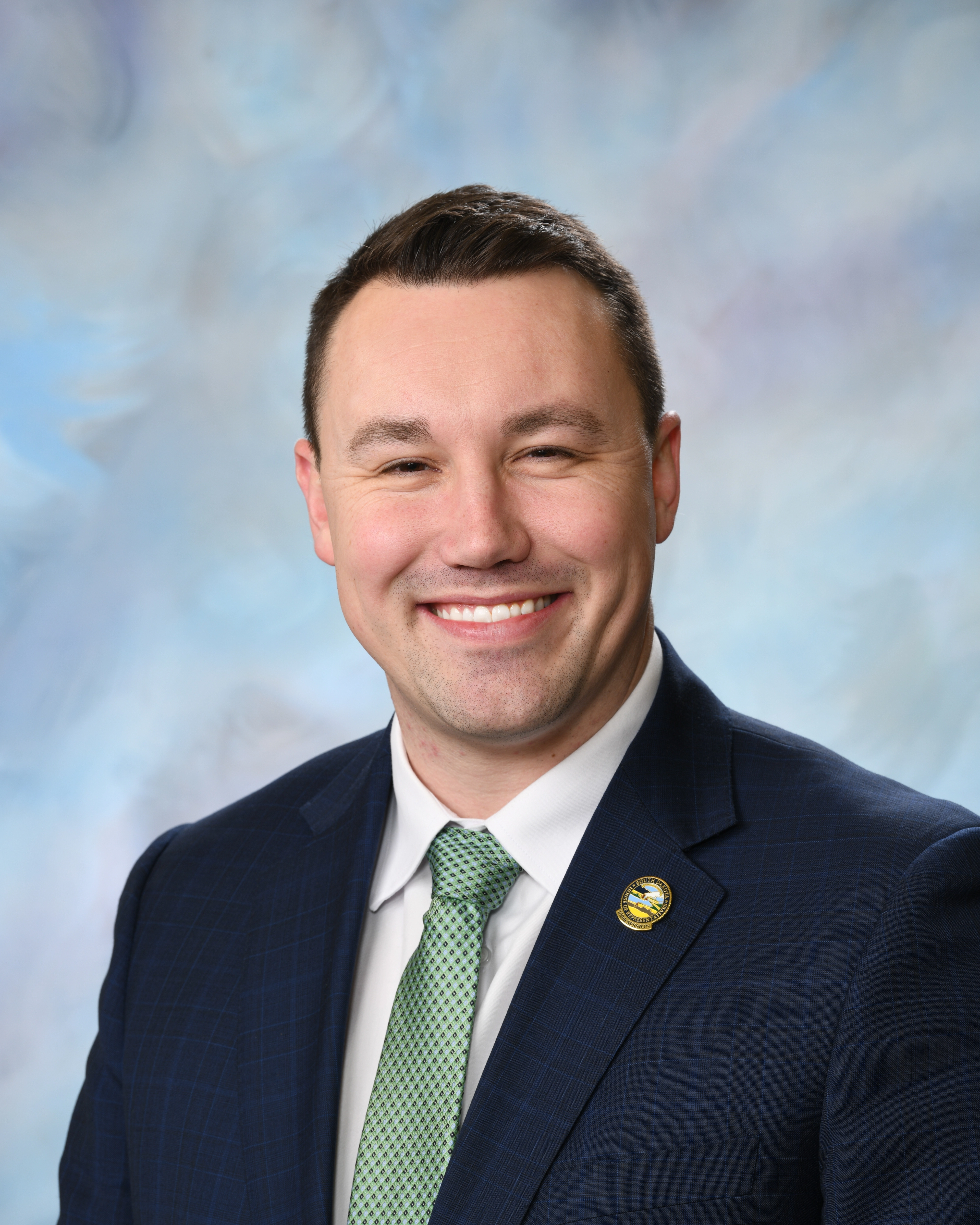
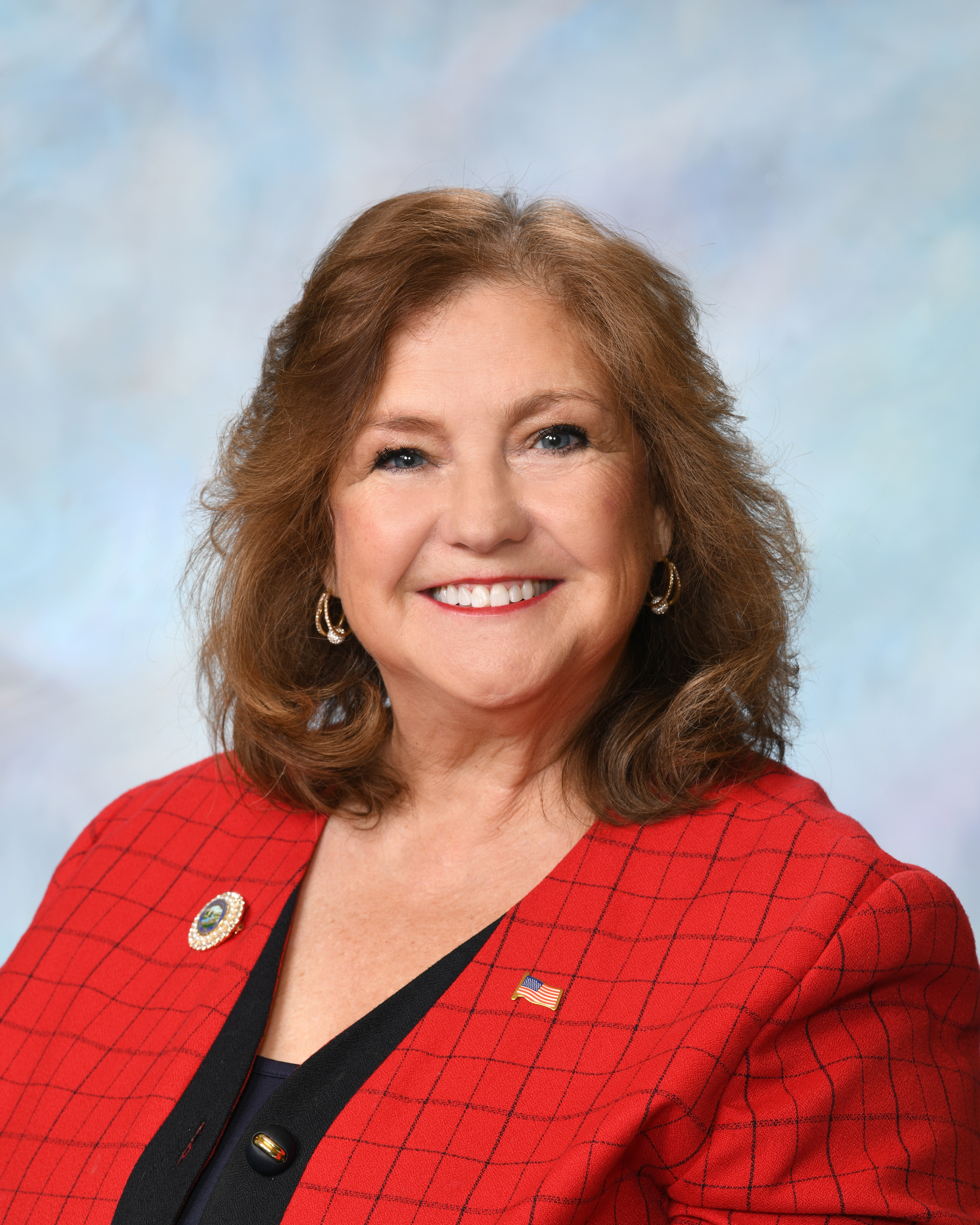
Al Novstrup
Al Novstrup House · District 3
R
Strong +
100% 4
Chris Kassin
Chris Kassin House · District 17
R
Strong +
100% 4
Erik Muckey
Erik Muckey House · District 15
D
Strong +
100% 4
Jack Kolbeck
Jack Kolbeck House · District 13
R
Strong +
100% 4
John Sjaarda
John Sjaarda House · District 2
R
Strong +
100% 4
Aaron Aylward
Aaron Aylward House · District 6
R
Strong −
0% 3
Heather Baxter
Heather Baxter House · District 34
R
Strong −
0% 3
Kathy Rice
Kathy Rice House · District 29
R
Strong −
0% 3
Logan Manhart
Logan Manhart House · District 1
R
Strong −
0% 3
Phil Jensen
Phil Jensen House · District 33
R
Strong −
0% 3
Showing 4 of 4 bills

All criminal justice bills

signed · South Dakota · House Mar 30, 2026

HB 1300: except victims of human trafficking or domestic abuse from certain clemency notice requirements.

This bill exempts victims of human trafficking or domestic abuse from specific clemency notice requirements when applying for clemency. It directly affects individuals in these victim categories who are seeking clemency by removing a requirement to receive certain notices. To qualify, applicants must submit their own affidavit confirming victim status (citing specific statutes) plus affidavits from two professionals (e.g., law enforcement, mental health providers, or victim advocates) who verify the claim. The professionals must represent different agencies to ensure independent verification.
passed · South Dakota · House Feb 9, 2026

HB 1214: require that courts consider as a mitigating factor during sentencing an individual's history as a victim of abuse and provide for a reduced sentence in certain circumstances.

HB 1214 requires South Dakota courts to consider a defendant's history of abuse as a mitigating factor during sentencing for certain crimes. To qualify, defendants must provide documented evidence (such as court records, hospital reports, or protective orders) proving the abuse was a substantial factor in their offense. If approved, sentences are reduced: life without parole becomes a maximum of 35 years, life with parole becomes a maximum of 30 years, and fixed terms are reduced by at least one-third. The law excludes Class A felonies, sex offenses, and related attempts, and allows retroactive resentencing for cases before July 1, 2026.
signed · South Dakota · Senate Mar 9, 2026

SB 87: clarify and establish requirements related to forensic medical examinations.

South Dakota's SB 87 ensures counties cover the full cost of forensic medical examinations for victims of sexual assault or rape, eliminating out-of-pocket expenses for victims. The bill specifies covered costs include physician services, necessary tests (like STD screenings and pregnancy tests), supplies, and medications, with payments capped at Medicaid rates. It allows minors aged 16+ to consent to exams without parental permission and permits exams for protected persons without guardian consent, provided informed consent is obtained. Hospitals and clinics cannot bill victims beyond these Medicaid-based limits, and must notify victims of their no-cost access regardless of cooperation with law enforcement.
signed · South Dakota · House Mar 30, 2026

HB 1200: make an appropriation for victim services provided by nonprofit organizations.

HB 1200 appropriates $8 million from South Dakota's general fund to the Department of Public Safety for grants to nonprofit organizations providing specific victim services. It directly supports nonprofits focused on helping children abused or neglected, domestic violence victims, sexual assault victims, or victims of commercial sexual exploitation/trafficking. The bill allows grant funds to cover 24/7 emergency services, counseling, crisis lines, case management, sexual assault nurse examiner training, and child advocacy center services - excluding new programs or legal aid. Nonprofits must apply annually between July 1 and August 31, report on services delivered, and prioritize organizations seeking additional funding. The appropriation becomes effective June 30, 2026.