Issue · Healthcare

Healthcare

Every healthcare bill, vote, and legislator stance in South Dakota, automatically classified by Maddy, our AI policy reader.

Total bills
57
2026 Regular Session
Top supporter
Helene Duhamel
88% support rate
Top opponent
John Carley
29% support rate
Ranked legislators
10
5 support · 5 oppose
Key legislators

Who's moving healthcare in South Dakota

Legislators moving healthcare in South Dakota
Legislator Party Stance Support rate Votes
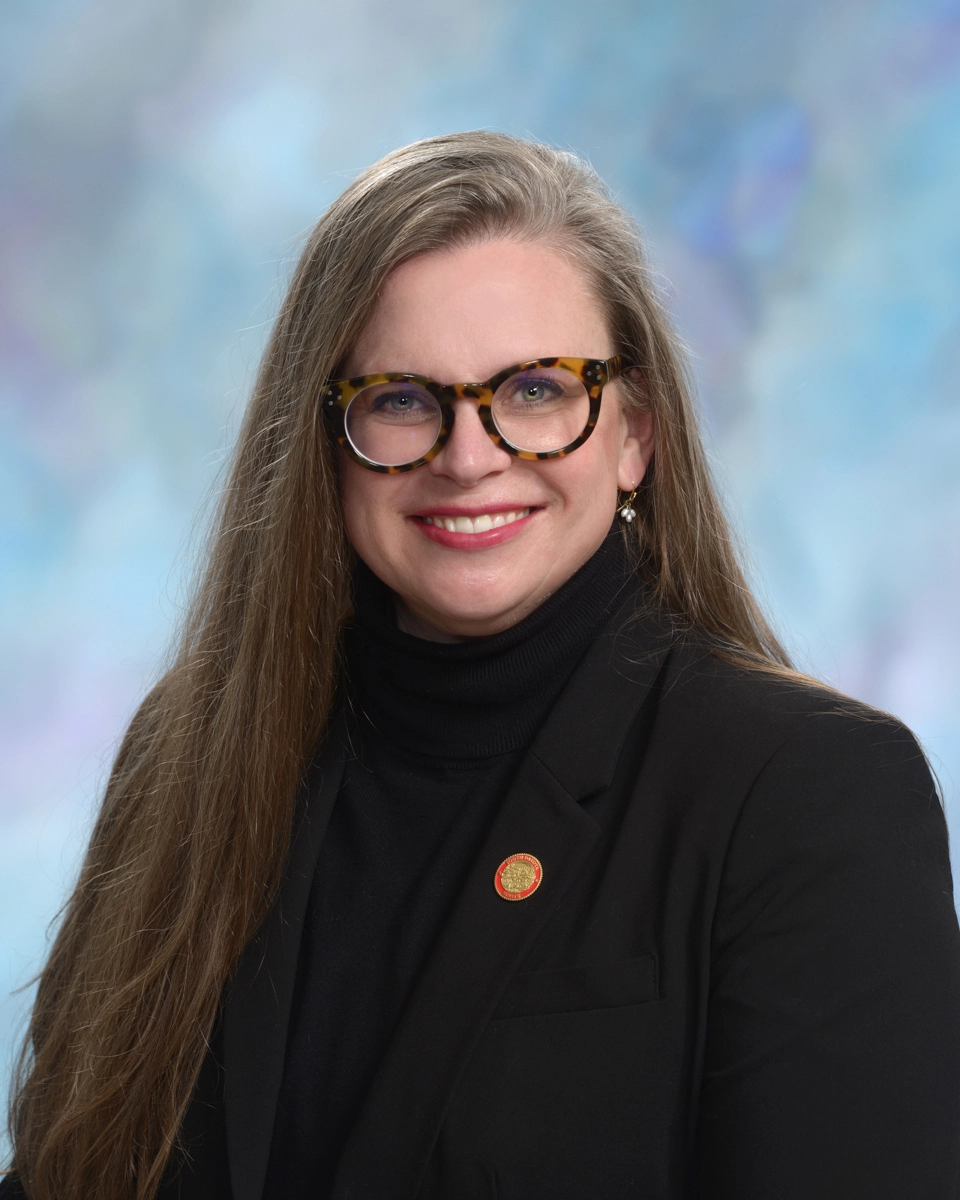
Helene Duhamel
Helene Duhamel Senate · District 32
R
Strong +
88% 26
Liz Larson
Liz Larson Senate · District 10
D
Strong +
86% 29
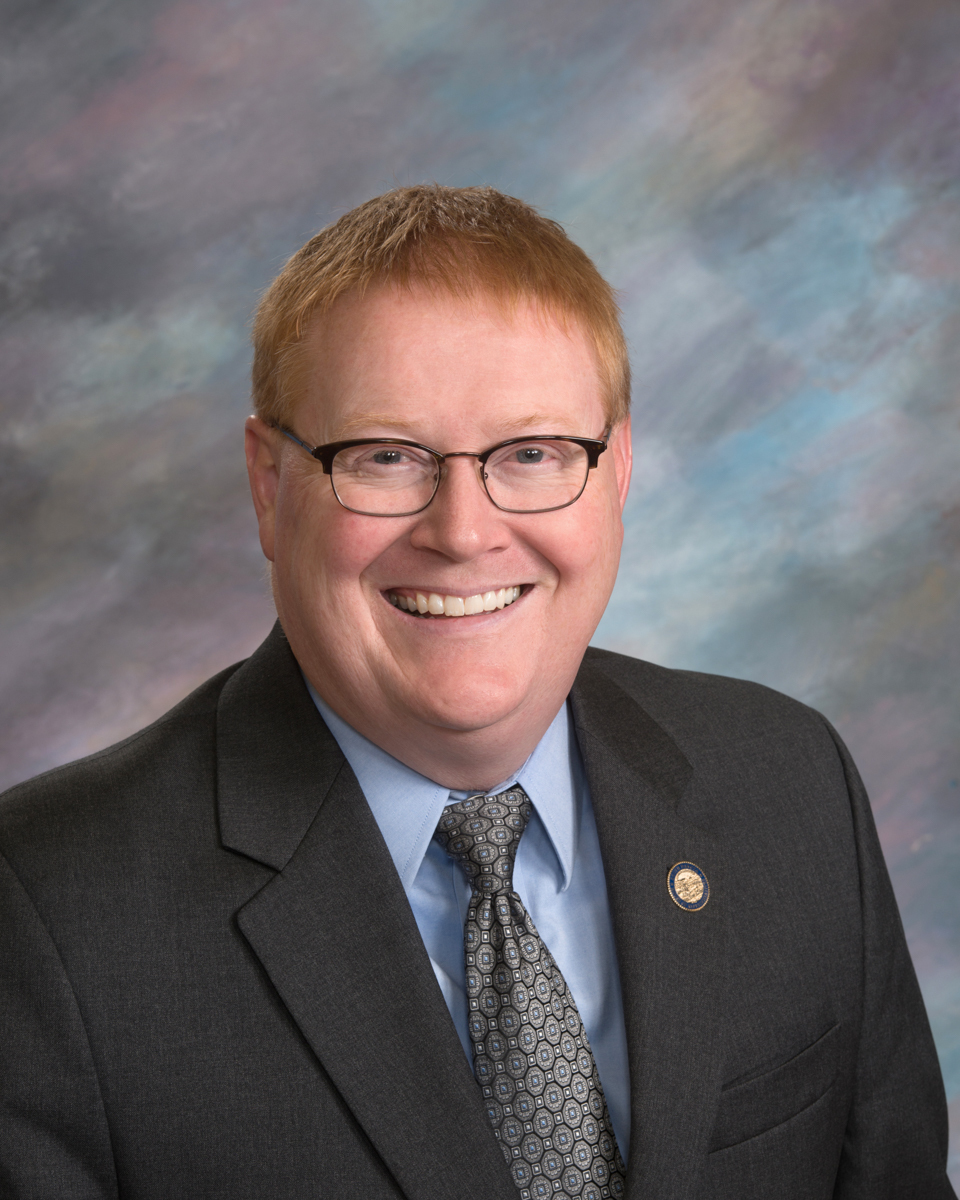
Jamie Smith
Jamie Smith Senate · District 15
D
Strong +
83% 41
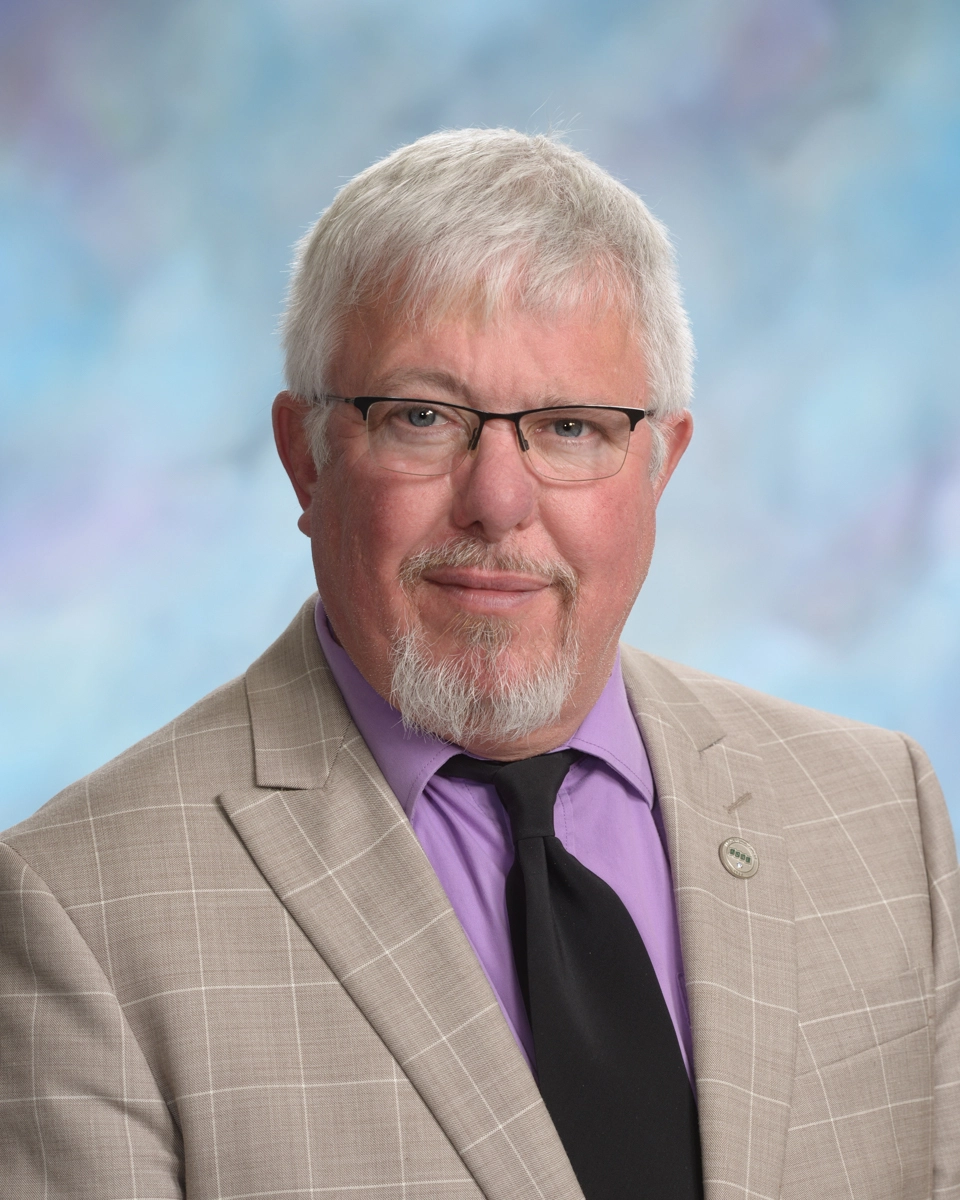
Tim Reed
Tim Reed Senate · District 7
R
Strong +
82% 36
Scott Moore
Scott Moore House · District 23
R
Strong +
81% 52
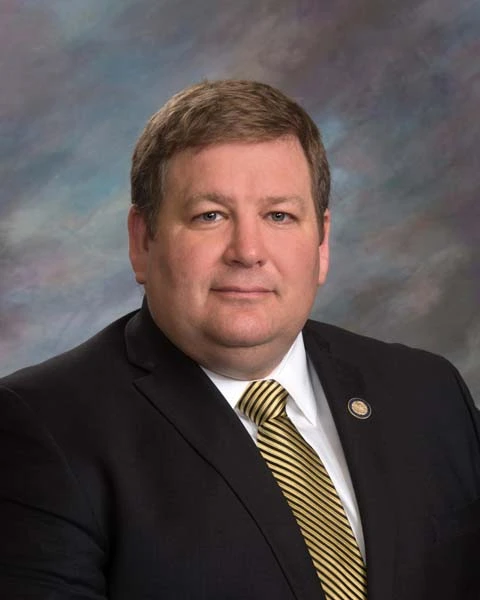
John Carley
John Carley Senate · District 29
R
Oppose
29% 29
Bethany Soye
Bethany Soye House · District 9
R
Oppose
29% 19
Taffy Howard
Taffy Howard Senate · District 34
R
Oppose
31% 28
Tina Mulally
Tina Mulally House · District 35
R
Oppose
31% 40
Tony Randolph
Tony Randolph House · District 35
R
Oppose
35% 48
Showing 31–40 of 57 bills

All healthcare bills

passed · South Dakota · Senate Feb 11, 2026

SB 194: limit the potency of cannabis products sold at medical cannabis dispensaries.

SB 194 limits THC potency in medical cannabis products sold at South Dakota dispensaries. It prohibits dispensaries from selling cannabis flower with over 30% THC, liquid concentrates over 60% THC, edibles exceeding 5mg THC per serving or 100mg per container, and cannabis oil over 5% THC. These specific THC thresholds apply directly to products sold at licensed medical dispensaries. The bill aims to restrict the strength of cannabis products available through the state's medical program.
signed · South Dakota · House Mar 30, 2026

HB 1183: revise qualifications for immunity from prosecution following a drug-related overdose.

HB 1183 revises South Dakota's law granting immunity from prosecution for drug possession charges after an overdose. It directly affects individuals experiencing a drug-related overdose who contact emergency services for medical help. The key change specifies that immunity only applies if the evidence used for any charges stems from the overdose event itself and the need for medical assistance. This clarifies eligibility for the existing immunity provision, requiring that the evidence leading to prosecution originated during the overdose situation. The bill does not expand immunity but refines the conditions under which it applies.
signed · South Dakota · House Mar 9, 2026

HB 1143: authorize the possession and self-administration of diabetes medications by a student on school property and at school-related events and activities.

HB 1143 allows students with diabetes to possess and self-administer nasal glucagon (a medication for severe low blood sugar) on school property or at school events. It directly affects students diagnosed with diabetes who require this specific treatment. The bill requires a licensed healthcare provider’s diagnosis, written parent authorization, and a physician’s statement detailing the medication’s purpose, dosage, and administration guidelines to be kept on file at the school. Schools must maintain these documents in the student’s health record or with the school nurse. This change expands existing provisions for asthma and anaphylaxis medications to include nasal glucagon for diabetes management.
signed · South Dakota · House Mar 9, 2026

HB 1146: adopt the physician assistant licensure compact.

South Dakota would join the Physician Assistant Licensure Compact, allowing physician assistants (PAs) licensed in other participating states to practice in South Dakota without obtaining a separate state license. This directly affects PAs - especially active-duty military personnel and their spouses - who can use their existing license from another participating state to practice in South Dakota. The key mechanism is the "Compact Privilege," which permits PAs to provide medical services where the patient is located, while maintaining patient safety through existing state licensing board oversight. This reduces licensing barriers for PAs and improves access to medical care across state lines.
Sub-Topics Medical Licensing
vetoed · South Dakota · House Mar 30, 2026

HB 1138: require the licensure of non-medical home care agencies, and to provide a penalty therefor.

HB 1138 requires non-medical home care agencies in South Dakota to obtain a license from the Department of Health before operating. Agencies must submit applications, pay a fee (capped at $100), and verify that home care aides complete 10 hours of mandatory training (covering dementia care, safety, nutrition, and abuse reporting) and pass criminal background checks. The bill directly affects home care agencies, their employees (home care aides), and clients receiving services like bathing assistance, meal prep, or companionship in their homes. Operating without a license is a Class 1 misdemeanor, and agencies must maintain client records and allow department inspections.
passed · South Dakota · House Jan 22, 2026

HB 1053: require that terminal care facilities allow terminally ill patients to use medical cannabis.

HB 1053 requires terminal care facilities (hospitals, inpatient hospice, or residential hospice) to permit terminally ill patients with a medical cannabis card to store and use medical cannabis within the facility. It mandates that patients provide their registry card and a physician's note documenting the need, while prohibiting smoking or vaping on-site. Facilities must establish policies for administration and storage but are not required to procure or administer cannabis. This applies only to patients with a terminal condition (life expectancy under one year) and excludes emergency departments. The bill does not override federal enforcement actions against facilities that comply with federal law.
signed · South Dakota · House Mar 10, 2026

HB 1164: establish the crime of fraudulent assisted reproduction and provide a penalty and civil liability therefor.

HB 1164 makes it a Class 5 felony for licensed healthcare providers to use reproductive material (like sperm or eggs) without a patient’s written consent during assisted reproduction procedures (e.g., IVF). It directly affects healthcare providers, patients, donors, and children born from such procedures. The bill establishes civil liability, allowing patients, spouses, intended parents, children, or donors to sue for $10,000 in liquidated damages plus other costs and attorney fees. Lawsuits must be filed within five years of the child’s 18th birthday or when evidence (like DNA results) is discovered.
in committee · South Dakota · House Feb 25, 2026

HB 1150: make an appropriation to increase the rate of payment for federally qualified health centers.

HB 1150 provides $8 million in total funding ($4 million from the general fund and $4 million in federal fund expenditure authority) to the South Dakota Department of Social Services. This funding increases payment rates for federally qualified health centers (FQHCs) in South Dakota, as defined by federal regulations (42 C.F.R. § 405.2401). The bill directly affects FQHCs by raising reimbursement rates for services they provide, improving their funding stability. The funding becomes effective June 30, 2026, and unspent amounts revert per standard state procedures.
signed · South Dakota · House Jan 29, 2026

HB 1044: make an appropriation to implement the rural health transformation program, and to declare an emergency.

This bill appropriates $500 million in federal funds to the South Dakota Department of Health to implement the rural health transformation program, authorized under the One Big Beautiful Bill Act (Pub. L. No. 119-21). It directly affects rural healthcare providers and facilities by funding program implementation. Key provisions include requiring the health secretary to approve vouchers for payments and mandating unspent funds by June 30, 2031, to revert per state law. The bill also declares an emergency to expedite its implementation upon passage.
Sub-Topics Appropriations
failed · South Dakota · House Mar 9, 2026

HB 1160: repeal the medical marijuana oversight committee.

HB 1160 repeals the legal requirement for a medical marijuana oversight committee in South Dakota. The bill ends a committee that was mandated to meet twice yearly to evaluate the medical cannabis program, including patient access, dispensary operations, testing facilities, and regulatory safeguards. This change removes the committee's structure and duties, which included making recommendations to the legislature about the program's effectiveness and regulations. The repeal applies to the medical cannabis program established under existing law.
Showing 31 to 40 of 57 bills
Previous 1 3 4 5 6 Next