Issue · Healthcare

Healthcare

Every healthcare bill, vote, and legislator stance in South Dakota, automatically classified by Maddy, our AI policy reader.

Total bills
57
2026 Regular Session
Top supporter
Helene Duhamel
88% support rate
Top opponent
John Carley
29% support rate
Ranked legislators
10
5 support · 5 oppose
Key legislators

Who's moving healthcare in South Dakota

Legislators moving healthcare in South Dakota
Legislator Party Stance Support rate Votes
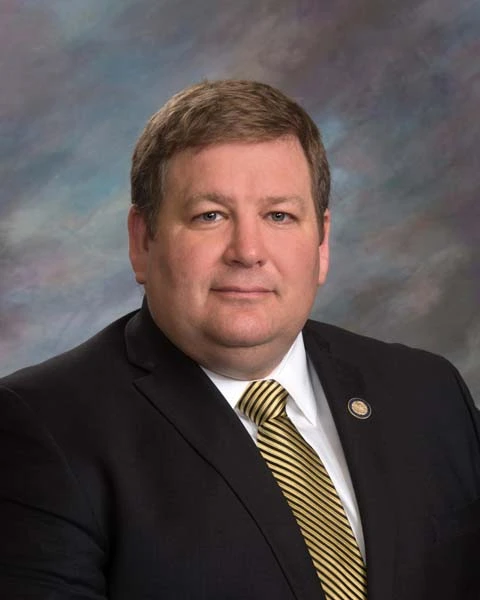
Helene Duhamel
Helene Duhamel Senate · District 32
R
Strong +
88% 26
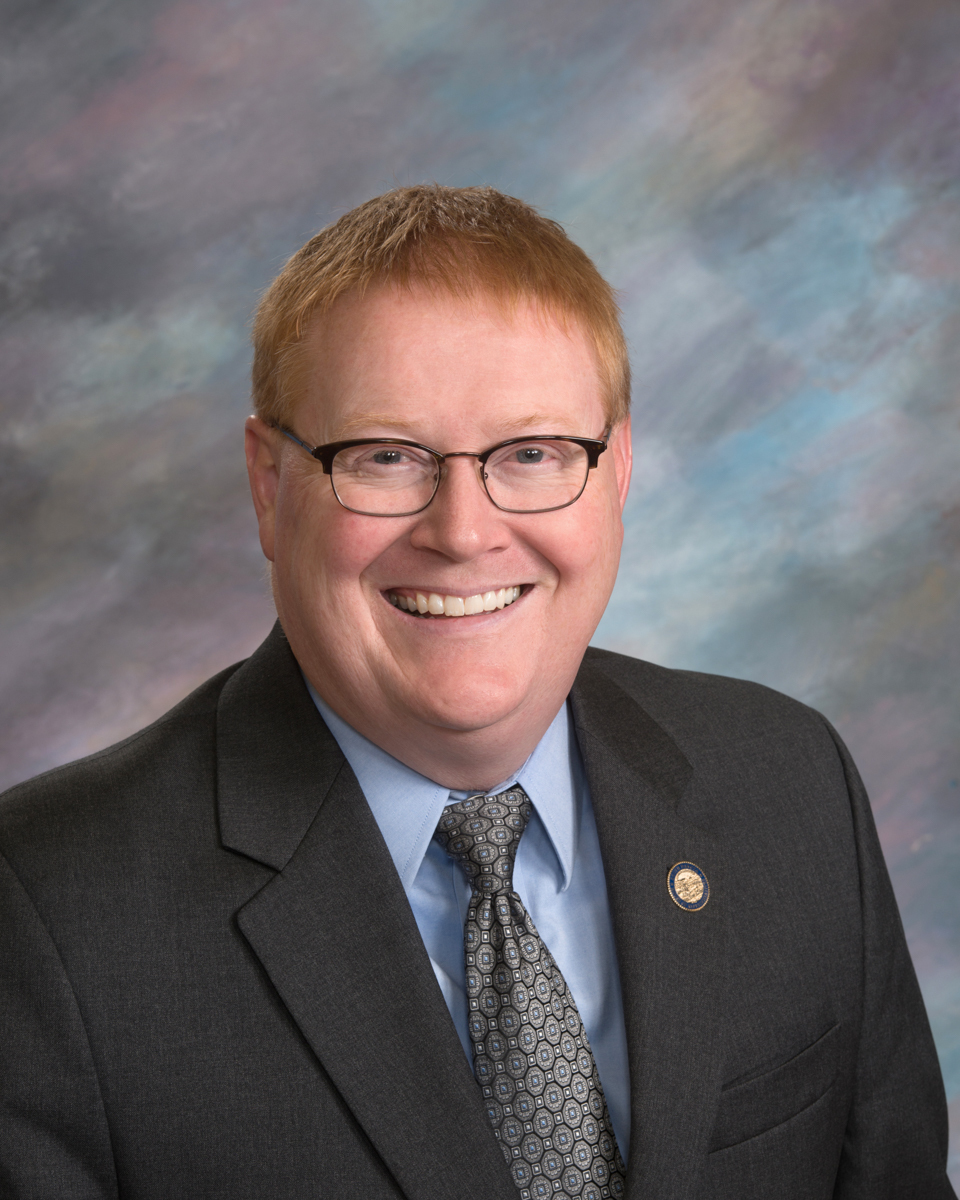
Liz Larson
Liz Larson Senate · District 10
D
Strong +
86% 29
Jamie Smith
Jamie Smith Senate · District 15
D
Strong +
83% 41
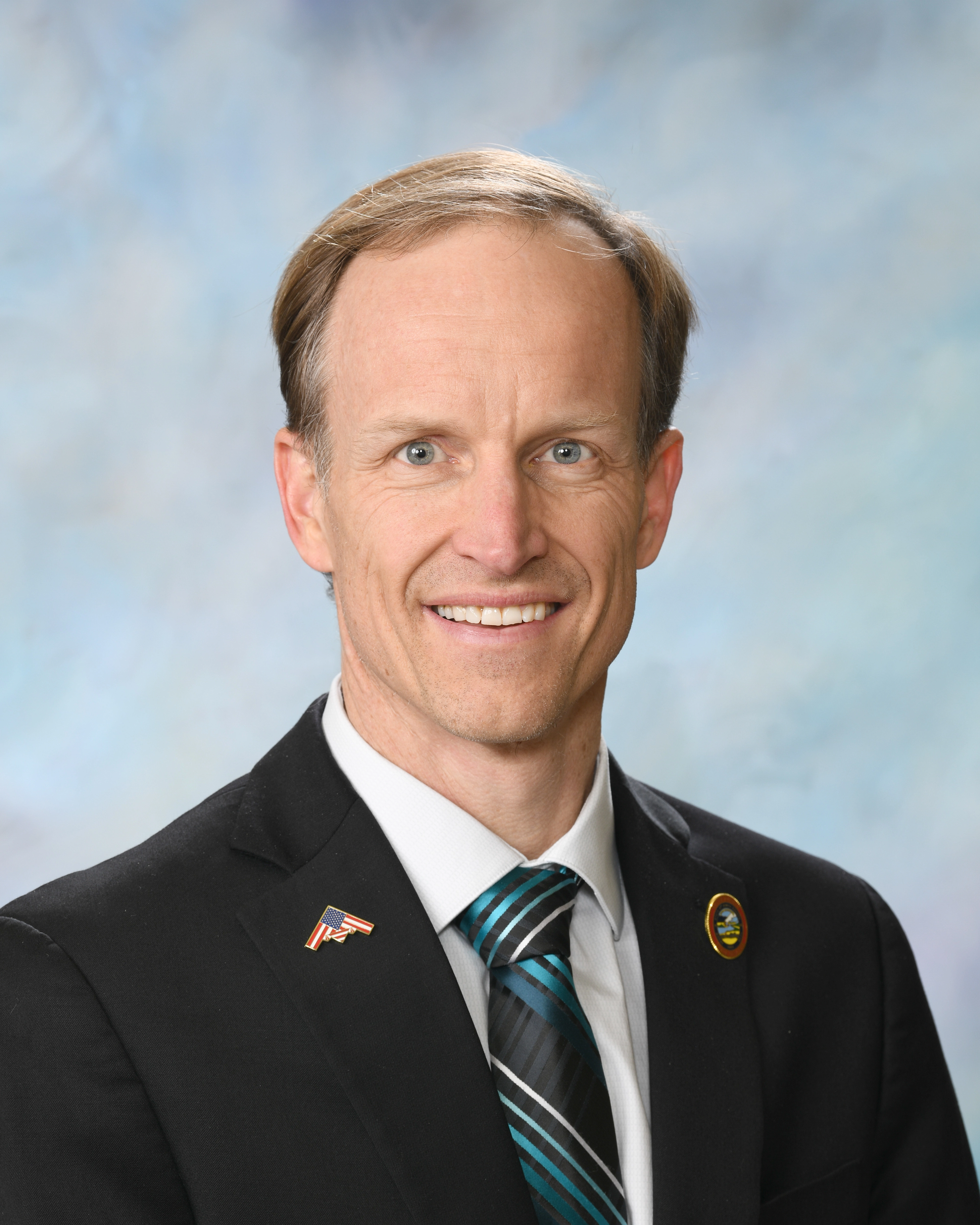
Tim Reed
Tim Reed Senate · District 7
R
Strong +
82% 36
Scott Moore
Scott Moore House · District 23
R
Strong +
81% 52
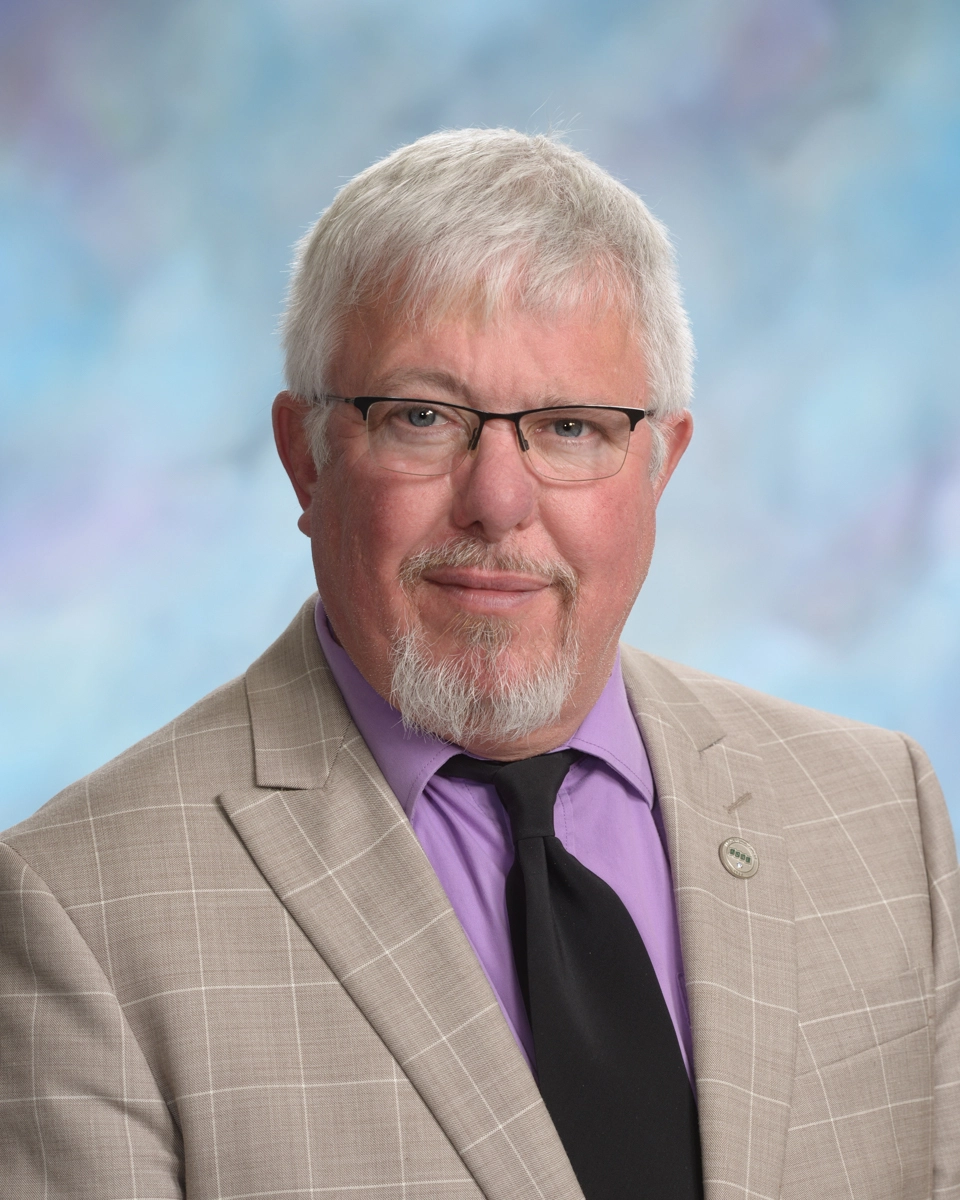
John Carley
John Carley Senate · District 29
R
Oppose
29% 29
Bethany Soye
Bethany Soye House · District 9
R
Oppose
29% 19
Taffy Howard
Taffy Howard Senate · District 34
R
Oppose
31% 28
Tina Mulally
Tina Mulally House · District 35
R
Oppose
31% 40
Tony Randolph
Tony Randolph House · District 35
R
Oppose
35% 48
Showing 21–30 of 57 bills

All healthcare bills

signed · South Dakota · Senate Mar 30, 2026

SB 89: create a task force to study the provision of emergency medical services as an essential service and the funding thereof.

SB 89 requires all South Dakota counties and municipalities to ensure a minimum level of emergency medical services (including response times, staffing, and treatment protocols) are available within their boundaries for prehospital care. It directs the state health department to create rules defining these minimum standards, covering aspects like ambulance response and required personnel. The bill also establishes a legislative task force to study funding mechanisms for these services and report recommendations by November 2026. The law would take effect on July 1, 2028, impacting local governments responsible for emergency medical service provision.
signed · South Dakota · House Mar 10, 2026

HB 1099: reschedule the pharmaceutical composition of crystalline polymorph psilocybin in a drug product approved by the Food and Drug Administration as a Schedule IV controlled substance.

HB 1099 would reclassify FDA-approved psilocybin medications from Schedule I to Schedule IV under South Dakota law. This change would allow medical providers to prescribe these specific pharmaceutical products without the strict restrictions currently applied to Schedule I substances. The bill specifically affects only psilocybin in drug products approved by the FDA, not raw psilocybin or unapproved formulations. This amendment aligns South Dakota's scheduling with federal approval status for medical use.
passed · South Dakota · House Feb 11, 2026

HB 1231: clarify documentation requirements for assistance animals in rental dwelling units.

HB 1231 clarifies documentation requirements for renters with disabilities who need assistance animals (including emotional support, service, or therapy animals) in rental housing. Landlords may only request documentation confirming the tenant’s disability and need for the animal, issued by a licensed health provider within the past year (unless the disability is obvious or permanent). The documentation must include the provider’s license details, be based on a personal assessment, and cannot be required if the disability or need is already apparent. This bill directly affects renters with disabilities and landlords, while exempting small owner-occupied buildings (4 units or fewer) and single-family homes sold without agents. Violating these rules by providing false documentation may lead to eviction or a $1,000 fee.
Sub-Topics Landlords Renters Tenant Rights Tags People with Disabilities
in committee · South Dakota · House Feb 5, 2026

HB 1068: authorize the dispensing of ivermectin and hydroxychloroquine under a written protocol developed by a health care provider, and to provide liability protection therefor.

HB 1068 allows South Dakota pharmacists to dispense ivermectin and hydroxychloroquine to adults 18+ based on written protocols created by physicians. These protocols must include risk assessments, drug information (indications, usage, side effects), and instructions for handling adverse events. The law shields physicians and pharmacists from liability for good-faith compliance, except in cases of gross negligence or willful misconduct. It directly affects healthcare providers who dispense these drugs and patients receiving them under this new process.
failed · South Dakota · House Jan 29, 2026

HJR 5002: proposing and submitting to the voters at the next general election an amendment to the Constitution of the State of South Dakota, repealing the requirement to provide expanded medicaid.

This bill proposes a constitutional amendment to remove South Dakota's legal requirement to provide expanded Medicaid coverage. It specifically targets Section 10 of Article XXI, which currently mandates that the state provide Medicaid benefits to adults aged 18-65 with incomes at or below 133% of the federal poverty level. If approved by voters, the amendment would eliminate this constitutional obligation, allowing the state to potentially modify or discontinue the expanded eligibility rules. The change directly affects low-income South Dakota adults who currently qualify under the existing Medicaid expansion.
Sub-Topics Medicaid
signed · South Dakota · House Feb 9, 2026

HB 1023: establish requirements and liability protection for registered nurses and licensed practical nurses serving on ambulance crews.

This bill (HB 1023) allows registered nurses (RNs) and licensed practical nurses (LPNs) to serve on ambulance crews in South Dakota under specific conditions. It requires nurses to demonstrate competence in emergency care skills to medical or program directors before working on ambulances, and mandates that their care must stay within their license scope and be supervised. The bill also provides liability protection for RNs and LPNs for routine ambulance care, shielding them from most civil lawsuits unless the care involved gross negligence or willful misconduct. This directly affects ambulance services seeking to employ nurses and the nurses themselves who wish to provide emergency care on ambulances.
passed · South Dakota · House Feb 25, 2026

HB 1105: restrict contracts and declarations that prohibit the use of commercial or residential property for any healthcare service in medically underserved areas or communities, or in areas with a medically underserved population under federal law.

HB 1105 prevents property owners in specific areas from using contracts or declarations to block healthcare services on commercial property. It applies to municipalities/townships under 3,000 people (per federal census) or areas officially designated as medically underserved by South Dakota’s Department of Health. The bill invalidates any contract or declaration that restricts the use of commercial property for healthcare services like clinics, diagnoses, or treatment in these areas. This directly affects property owners and developers who previously could impose such restrictions, while enabling healthcare providers to operate in underserved communities.
signed · South Dakota · House Mar 30, 2026

HB 1006: create a taskforce to study the creation of Indian medicaid managed care entities in the state.

This bill creates a taskforce to study how South Dakota could establish Medicaid managed care entities specifically serving tribal communities, as defined under federal law. The taskforce includes representatives from all federally recognized South Dakota tribes, state health and social services agencies, healthcare providers, insurance companies, and tribal relations officials. It must gather input from stakeholders and submit findings and potential legislation to the Governor by December 2028. The bill does not implement new programs but sets a process for evaluating this option.
Sub-Topics Medicaid Tags Tribal Nations
signed · South Dakota · House Mar 30, 2026

HB 1140: permit a court to impose as a condition of probation, or parole in certain circumstances, treatment at a nonprofit entity awarded an alternative care program grant.

HB 1140 allows South Dakota courts to require defendants on probation or parole to complete treatment at nonprofit organizations that have received state grants for "alternative care programs," specifically for individuals convicted of repeat DUI/DWI offenses. The bill adds this option as a condition of probation (under § 23A-27-18.3), requiring the defendant’s consent, program availability, and pre-sentencing application approval. It directly affects individuals convicted of third or fourth DUI/DWI offenses who are on probation or parole, offering an alternative to jail time through treatment. The law modifies driver’s license revocation rules (§ 32-23-4 and 32-23-4.6), allowing courts to permit limited driving (e.g., for work or treatment) upon successful completion of such programs. This creates a concrete pathway for court-mandated treatment instead of incarceration for eligible offenders.
passed · South Dakota · Senate Feb 11, 2026

SB 181: cause the repeal of the medical cannabis chapter upon the federal re-scheduling of cannabis.

SB 181 would end South Dakota's medical cannabis program if the federal government reclassifies cannabis as a Schedule III drug under federal law. It specifically repeals the state's medical cannabis chapter (Chapter 34-20G) upon confirmation by the attorney general that the U.S. Food and Drug Administration has made this federal change. The law requires the Department of Health to notify all current medical cannabis cardholders and licensed businesses about the repeal and its effective date. This change only affects South Dakota's medical cannabis program and would not impact recreational cannabis laws or other state regulations.
Showing 21 to 30 of 57 bills
Previous 1 2 3 4 6 Next