

establish the crime of fraudulent assisted reproduction and provide a penalty and civil liability therefor.
HB 1164 makes it a Class 5 felony for licensed healthcare providers to use reproductive material (like sperm or eggs) without a patient’s written consent during assisted reproduction procedures (e.g., IVF). It directly affects healthcare providers, patients, donors, and children born from such procedures. The bill establishes civil liability, allowing patients, spouses, intended parents, children, or donors to sue for $10,000 in liquidated damages plus other costs and attorney fees. Lawsuits must be filed within five years of the child’s 18th birthday or when evidence (like DNA results) is discovered.
Bill status
signed
all 5 stages cleared
Introduction
Jan 2026
Committee Review
Feb 2026
House Passage
Feb 2026
Senate Passage
Mar 2026
Signed into Law
Mar 2026
Introduced Jan 28, 2026
Signed Mar 10, 2026
Maddy AI version diff · 1 comparison
What changed between versions
Introduced
→
Enrolled
·
4 edits
·
Mar 3, 2026
MODERATE
This bill introduces new criminal and civil protections for individuals undergoing assisted reproduction procedures. It establishes a new felony crime for healthcare providers who knowingly use reproductive material without a patient's written consent and creates a civil lawsuit pathway for patients, children, and donors to seek damages if their consent was violated.
Scope change
The bill expands the scope of South Dakota law by adding entirely new sections to Chapter 22-22A, creating specific legal remedies for reproductive material misuse that did not previously exist.
DEFINITION
New definitions were added for 'assisted reproduction procedure,' 'donor,' and 'reproductive material' to clarify the terms used in the new law.
ENFORCEMENT
A new Class 5 felony was created for licensed healthcare providers who use reproductive material without the patient's written consent or use their own material without consent.
ELIGIBILITY
New eligibility criteria were established allowing patients, children born from the procedure, intended parents, and donors to file civil lawsuits against providers who violated consent requirements.
TIMELINE
A five-year statute of limitations was added for civil actions, starting from the child's 18th birthday or when evidence of the violation is discovered.
Floor votes
How they voted
This bill passed the Senate by voice vote (no roll call recorded).
Full legislative history
Actions timeline
Total actions
14
Key actions
9
Committee
2
Mar 10, 2026
Signed into law
Signed by the Governor on 2026-03-10 H.J. 547
executive
Mar 4, 2026
Upper · Passed
Signed by the President S.J. 470
upper
Mar 3, 2026
Upper · Passed
Signed by the Speaker H.J. 492
upper
Mar 2, 2026
Upper · Passed
Senate Do Pass , Passed, YEAS 33, NAYS 0 S.J. 426
upper
Feb 26, 2026
Upper · Passed
Certified uncontested, placed on consent , Passed,
upper
Feb 26, 2026
Upper · Passed
Judiciary Do Pass , Passed, YEAS 5, NAYS 0
upper
Feb 10, 2026
Introduced
First read in Senate and referred to Senate Judiciary S.J. 232
upper
Feb 9, 2026
Lower · Passed
House of Representatives Do Pass , Passed, YEAS 65, NAYS 0 H.J. 262
lower
Feb 6, 2026
Lower · Passed
Certified uncontested, placed on consent , Passed, H.J. 13
lower
Feb 6, 2026
Lower · Passed
Judiciary Do Pass , Passed, YEAS 11, NAYS 0 H.J. 13
lower
Jan 28, 2026
Introduced
First read in House and referred to House Judiciary H.J. 164
lower
11 primary · 0 co-sponsors
Sponsors
Role
Legislator
Party
State
District
P
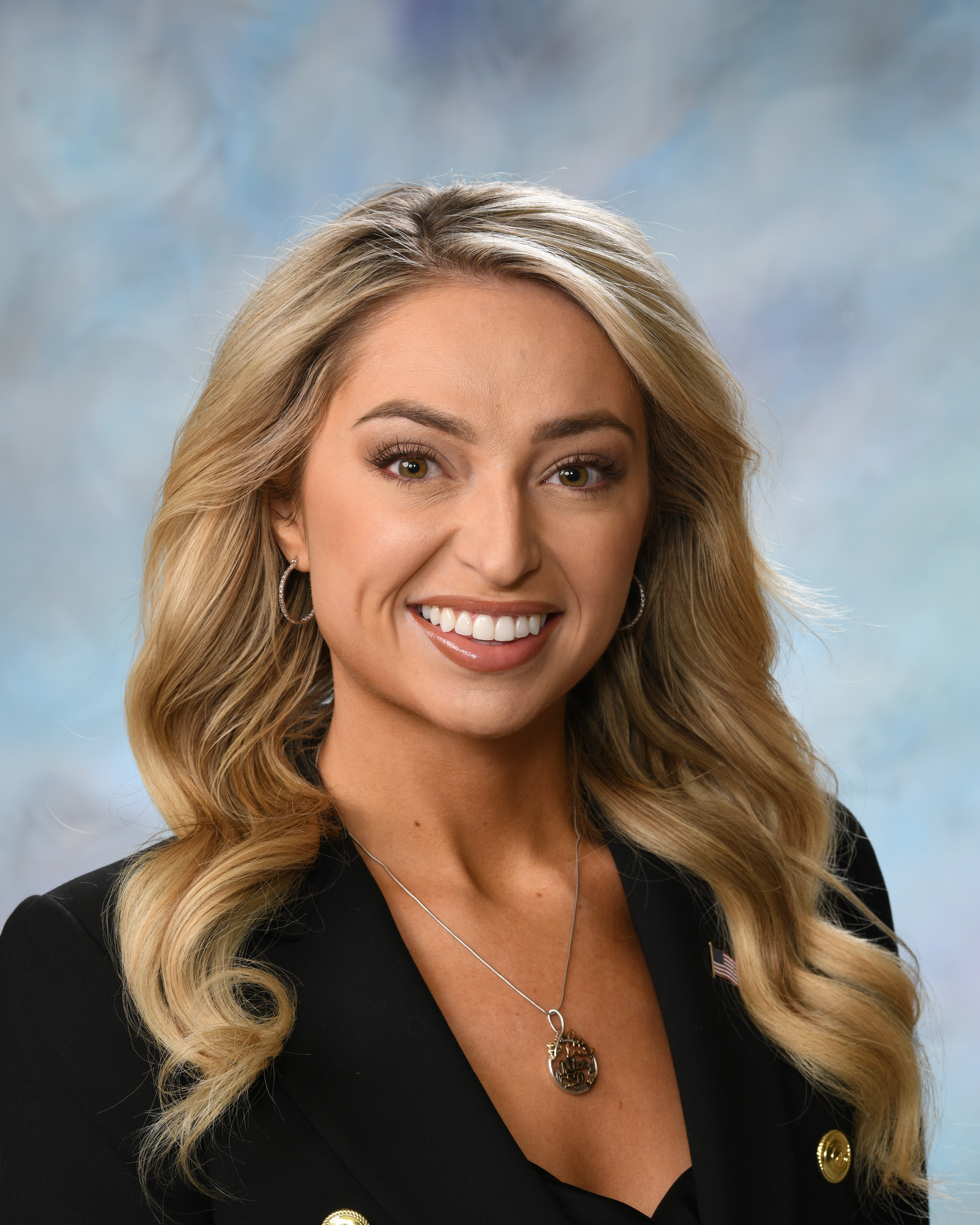
Amber Hulse
RRepublican
P
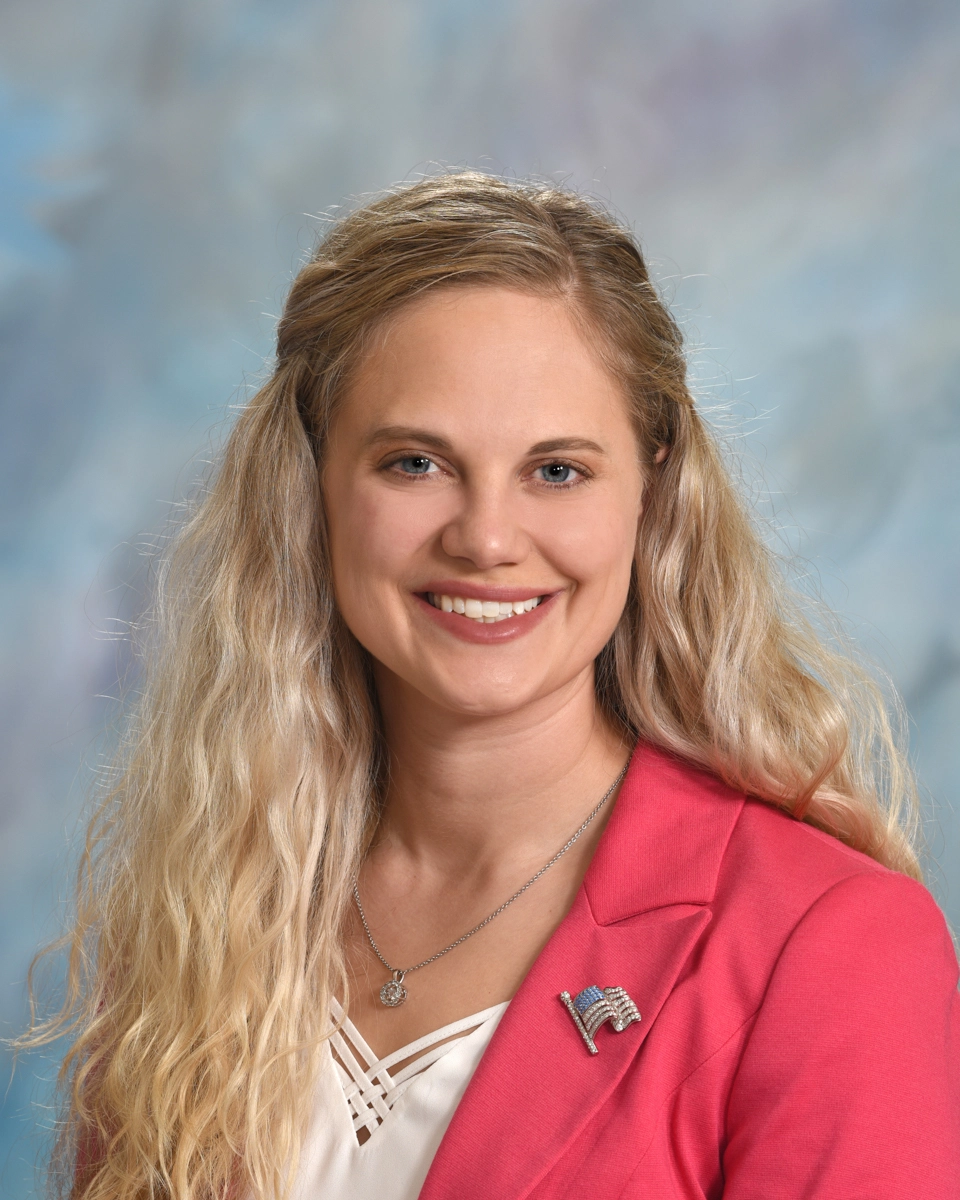
Bethany Soye
RRepublican
P
Carl Perry
RRepublican
P

Dylan Jordan
RRepublican
P
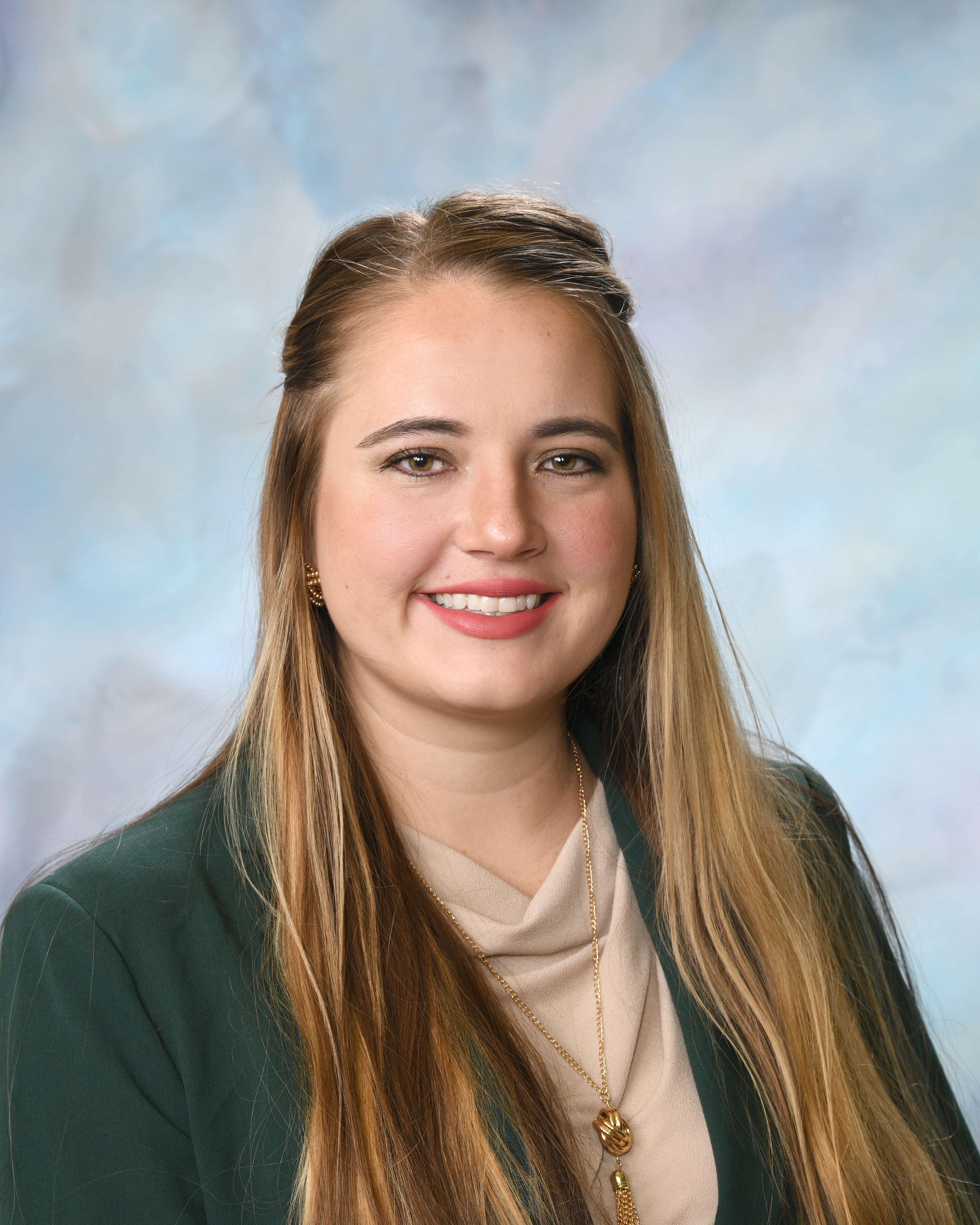
Jana Hunt
RRepublican
P
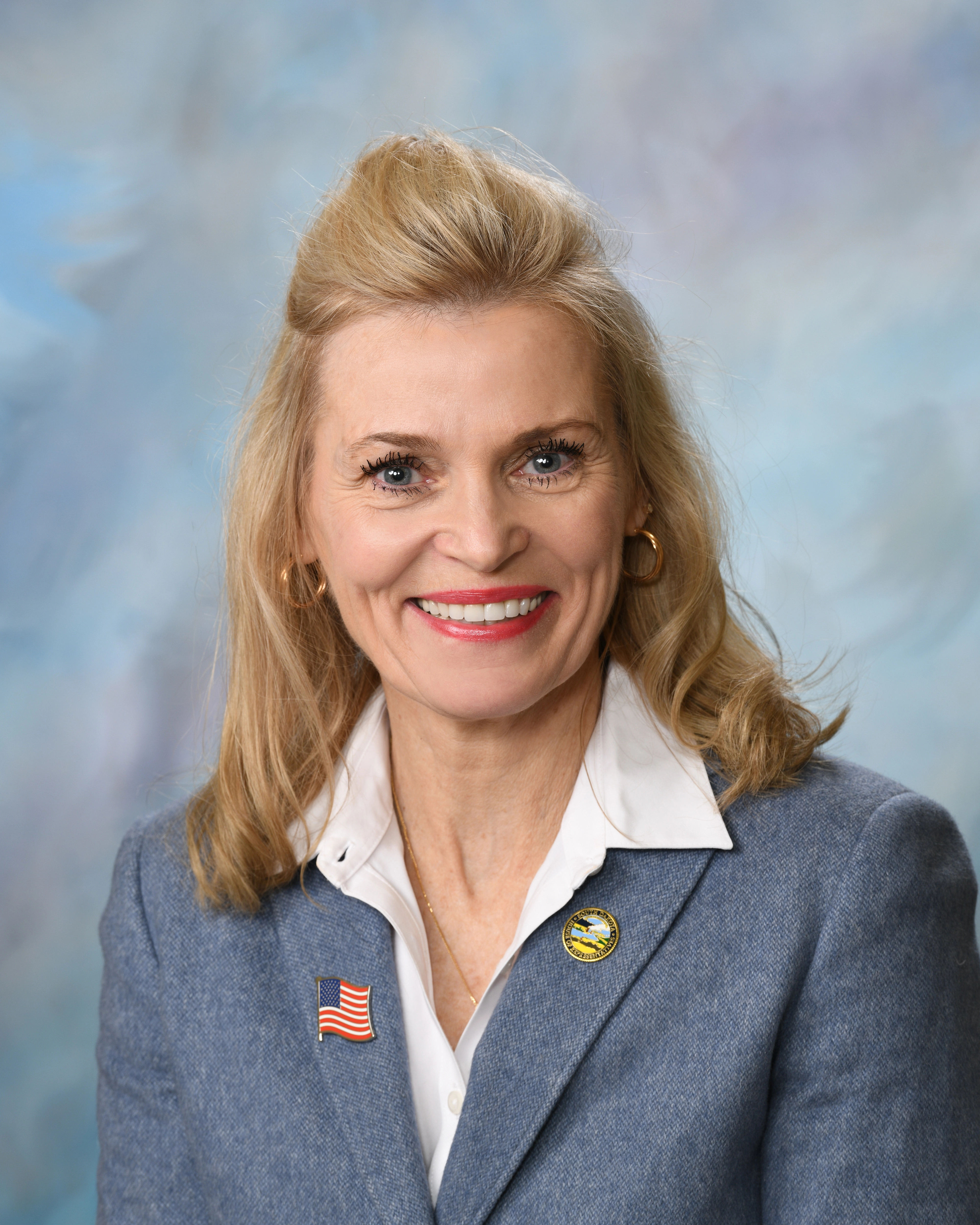
Josephine Garcia
RRepublican
P
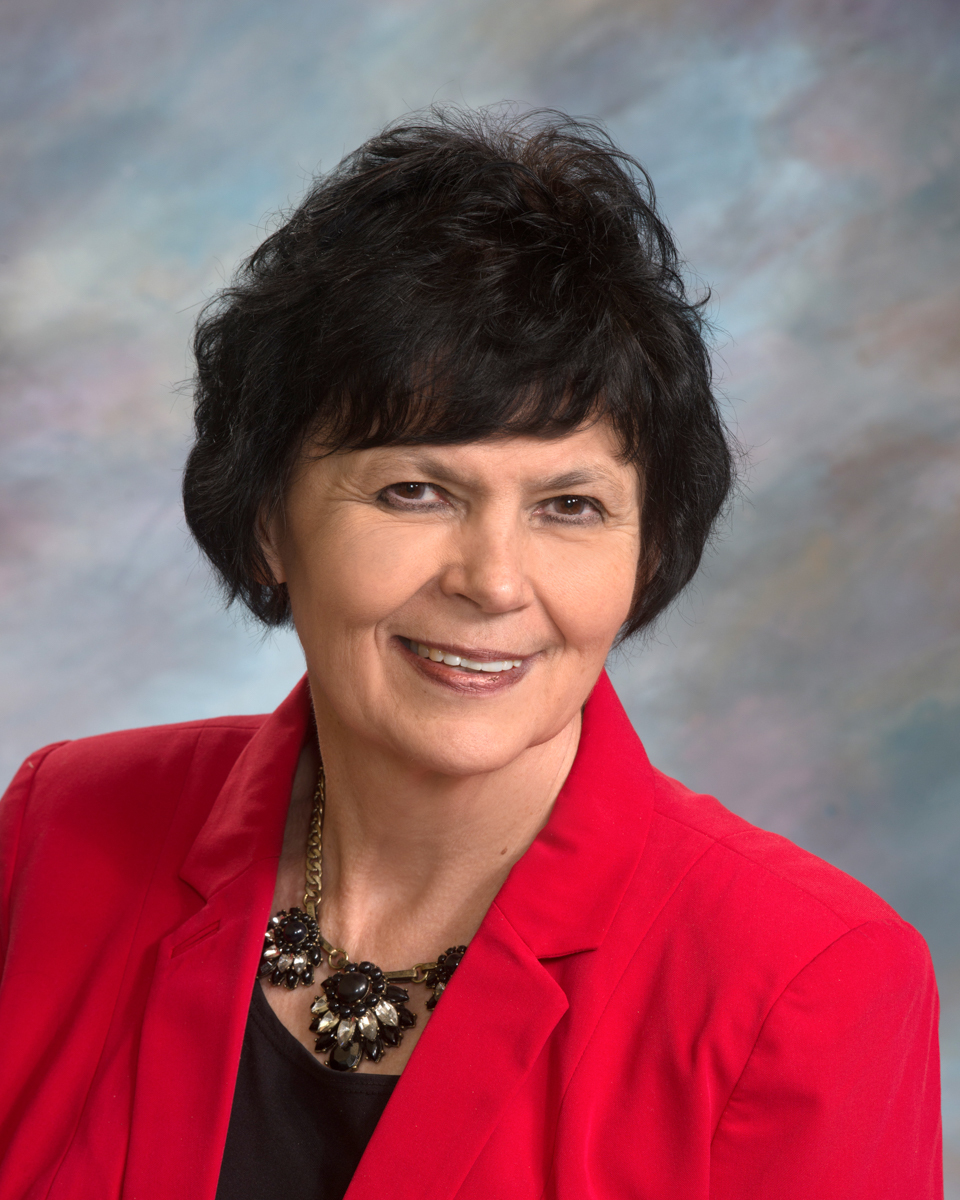
Lana Greenfield
RRepublican
P
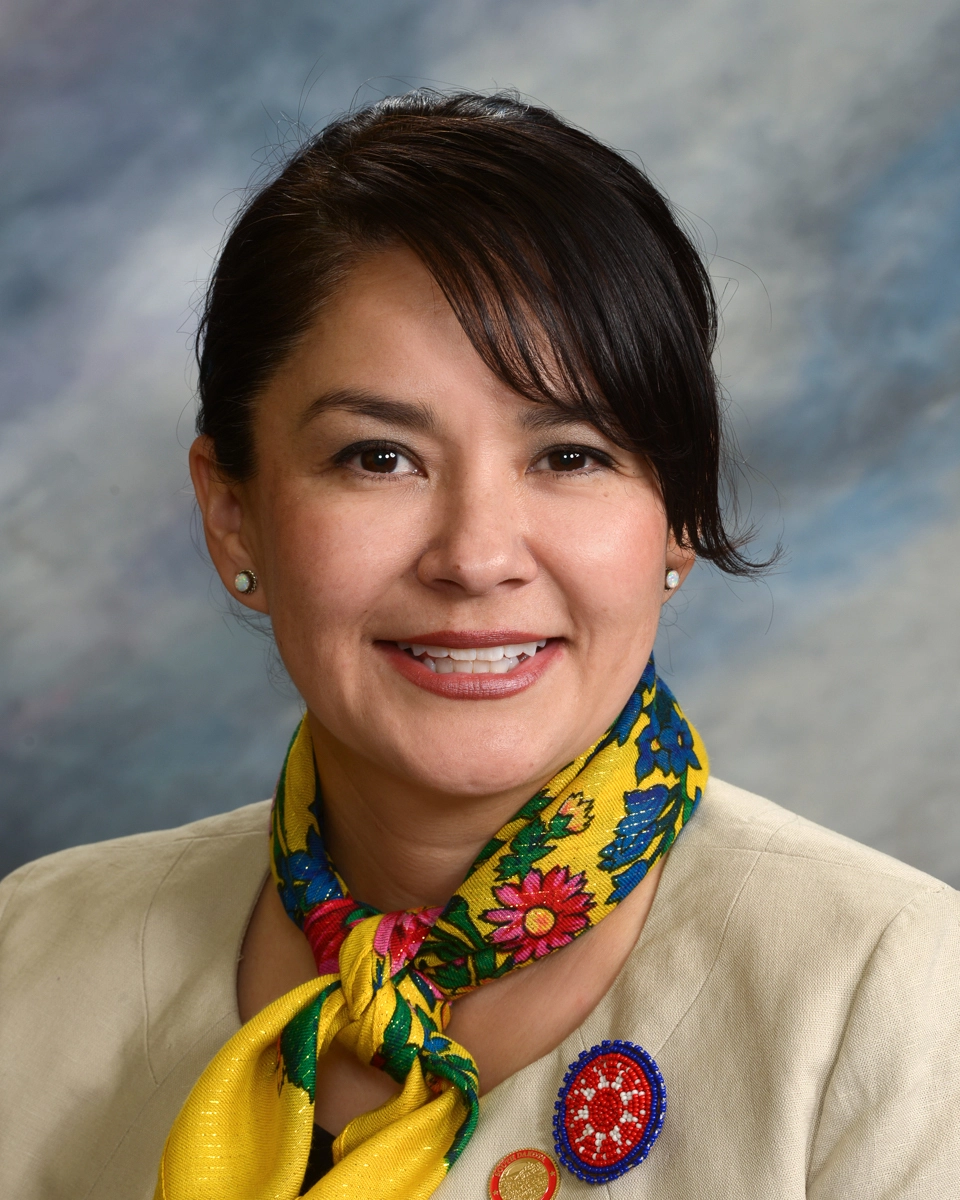
Red Dawn Foster
DDemocratic
P
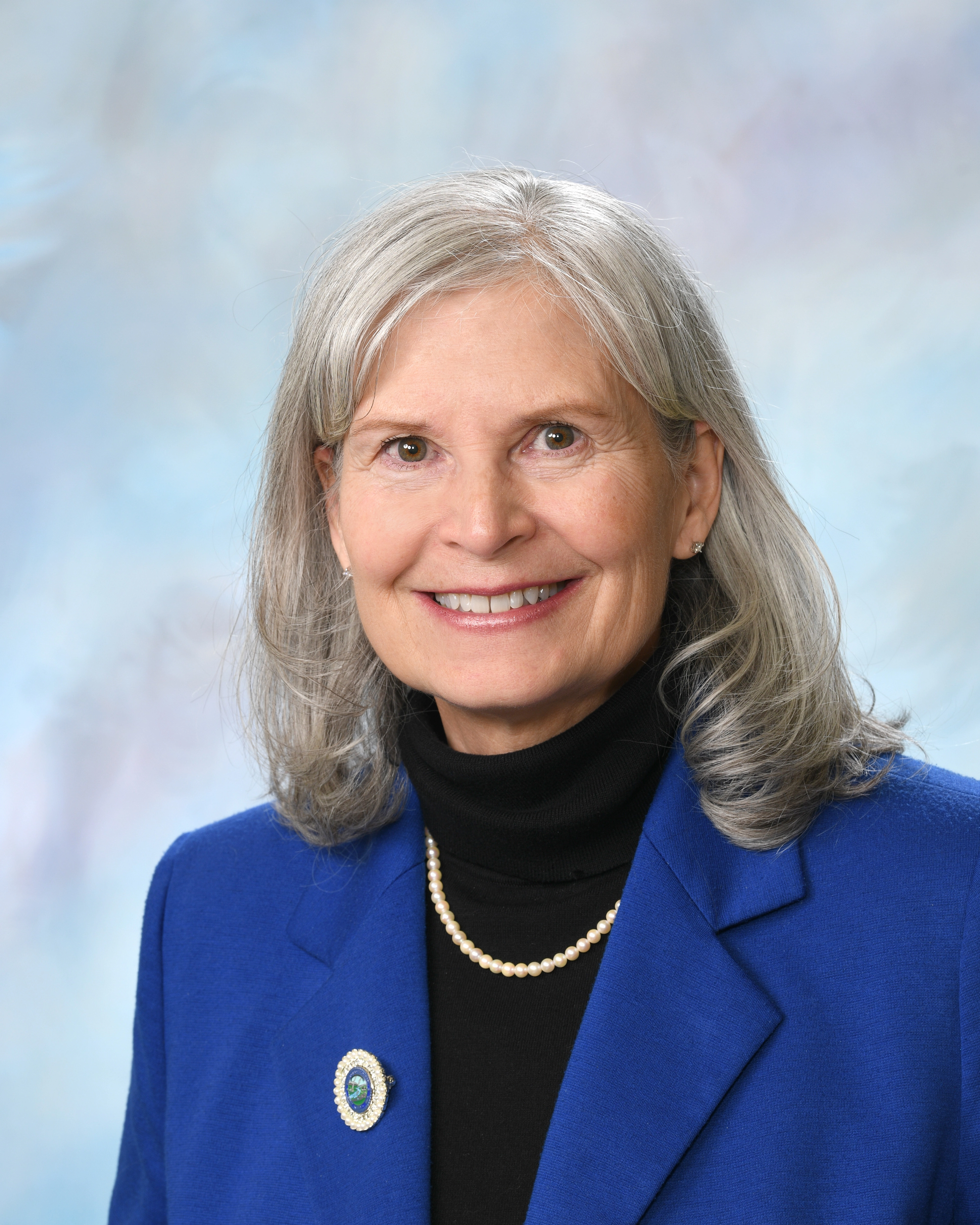
Terri Jorgenson
RRepublican
P
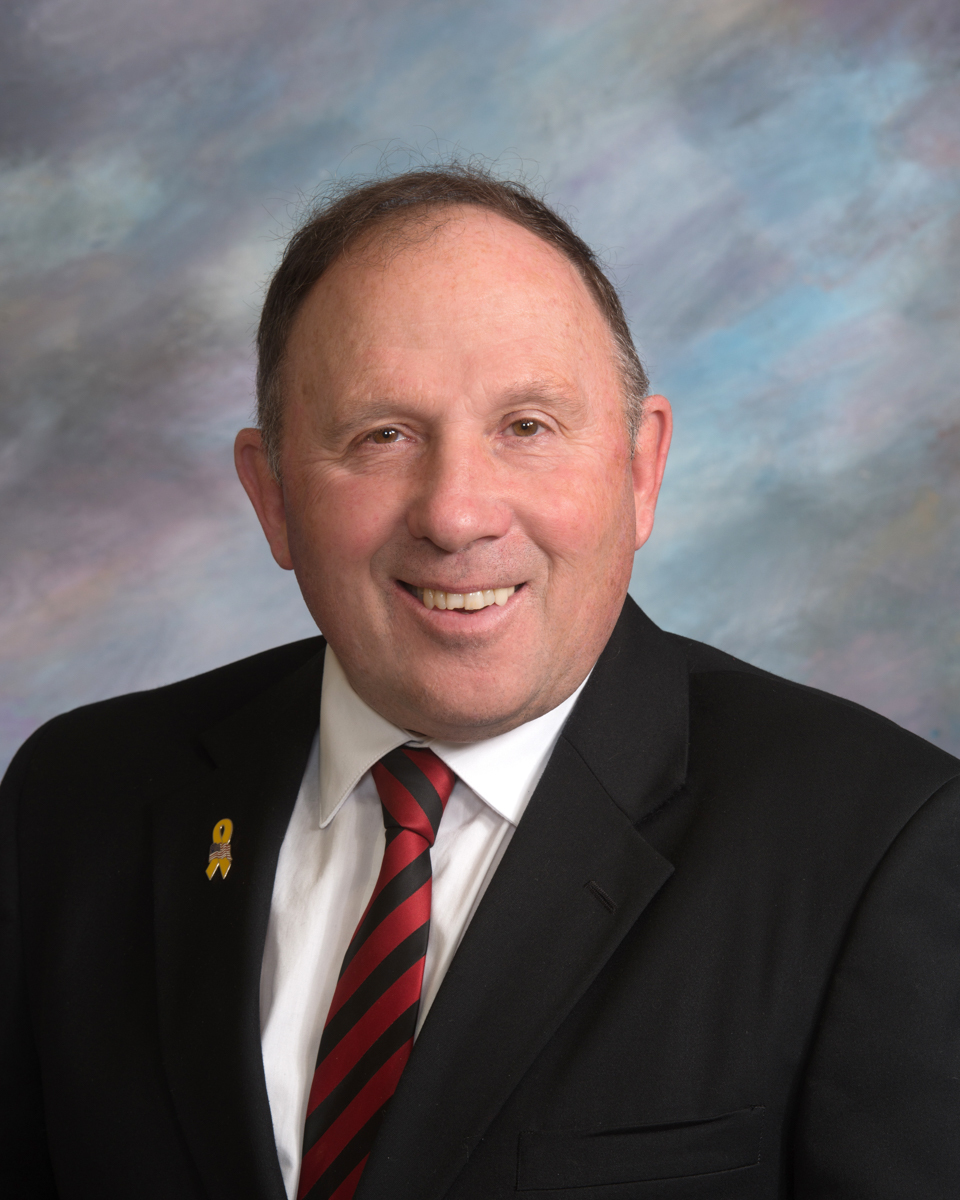
Tim Goodwin
RRepublican
P
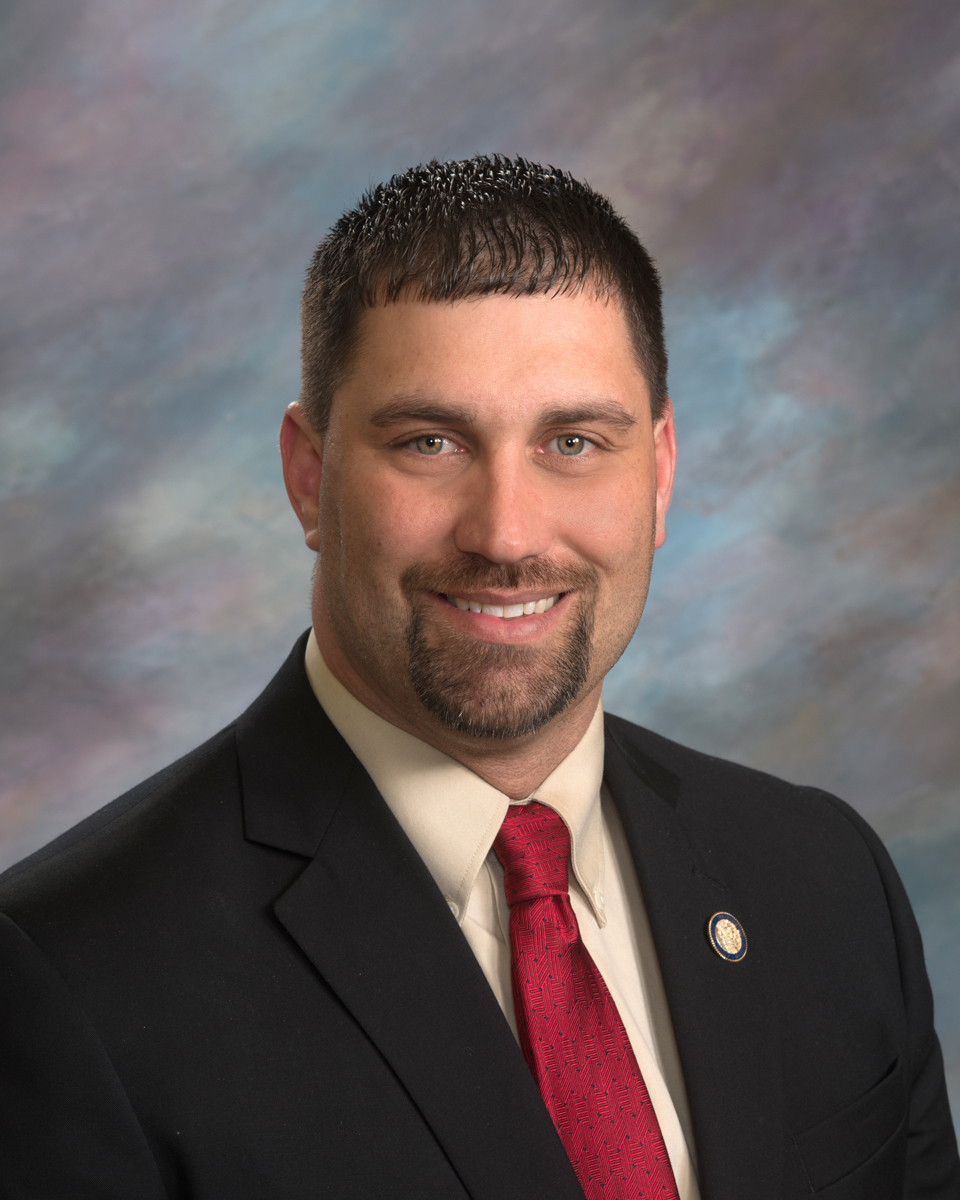
Tom Pischke
RRepublican
Ask Maddy
·
AI policy assistant
Ask Maddy about HB 1164
Scope: SD
Hi! I can help you understand HB 1164. What would you like to know?
Try one of these
i
Maddy answers using official bill text and legislative records. Always verify before sharing.
Sources cited inline