Issue · Criminal Justice

Criminal Justice (Corrections)

Every criminal justice bill, vote, and legislator stance in South Dakota, automatically classified by Maddy, our AI policy reader.

Total bills
15
2026 Regular Session
Top supporter
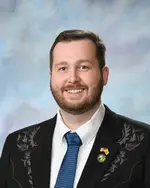
David Kull
100% support rate
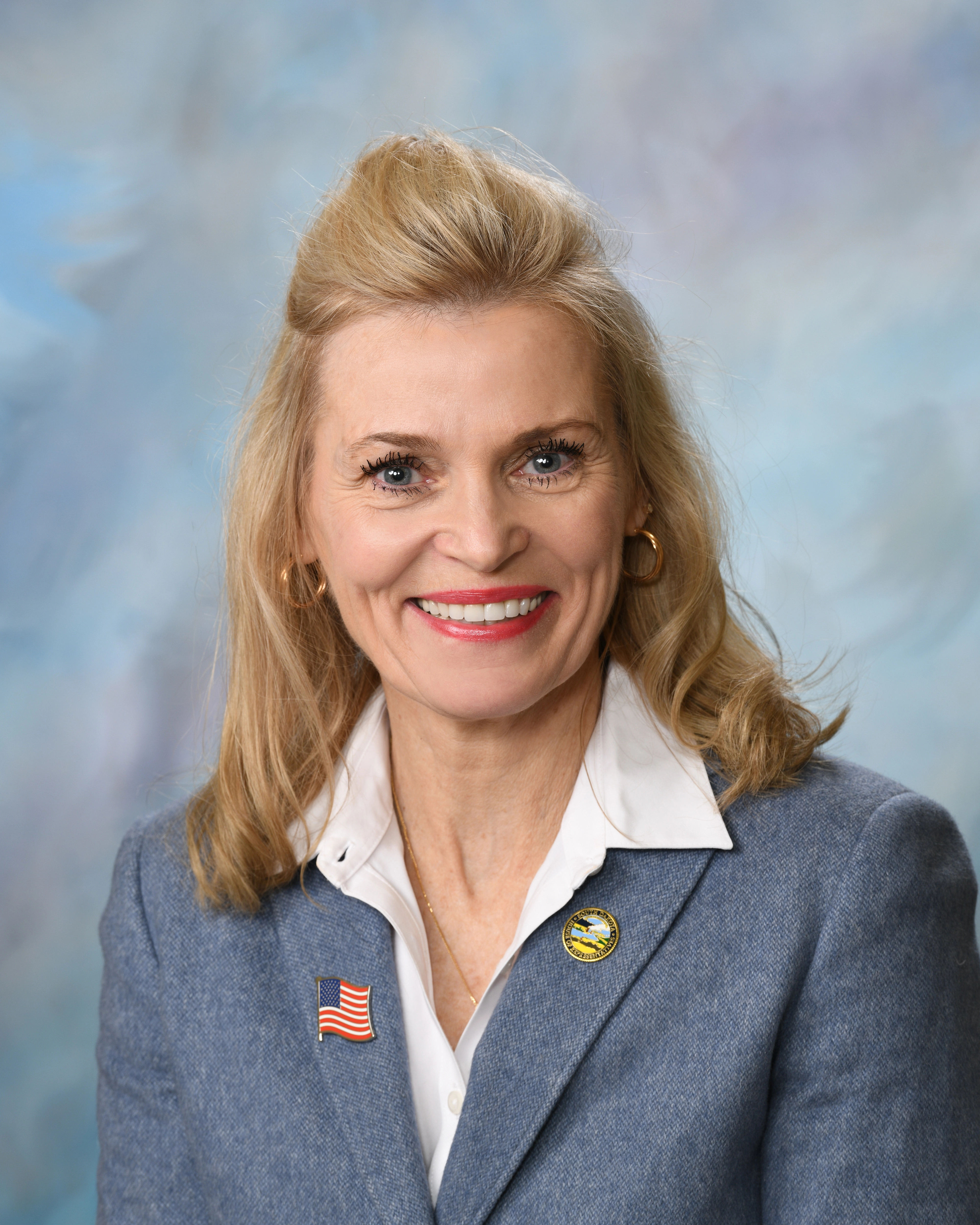
Top opponent
Aaron Aylward
0% support rate
Ranked legislators
10
5 support · 5 oppose
Key legislators

Who's moving corrections in South Dakota

Legislators moving corrections in South Dakota
Legislator Party Stance Support rate Votes
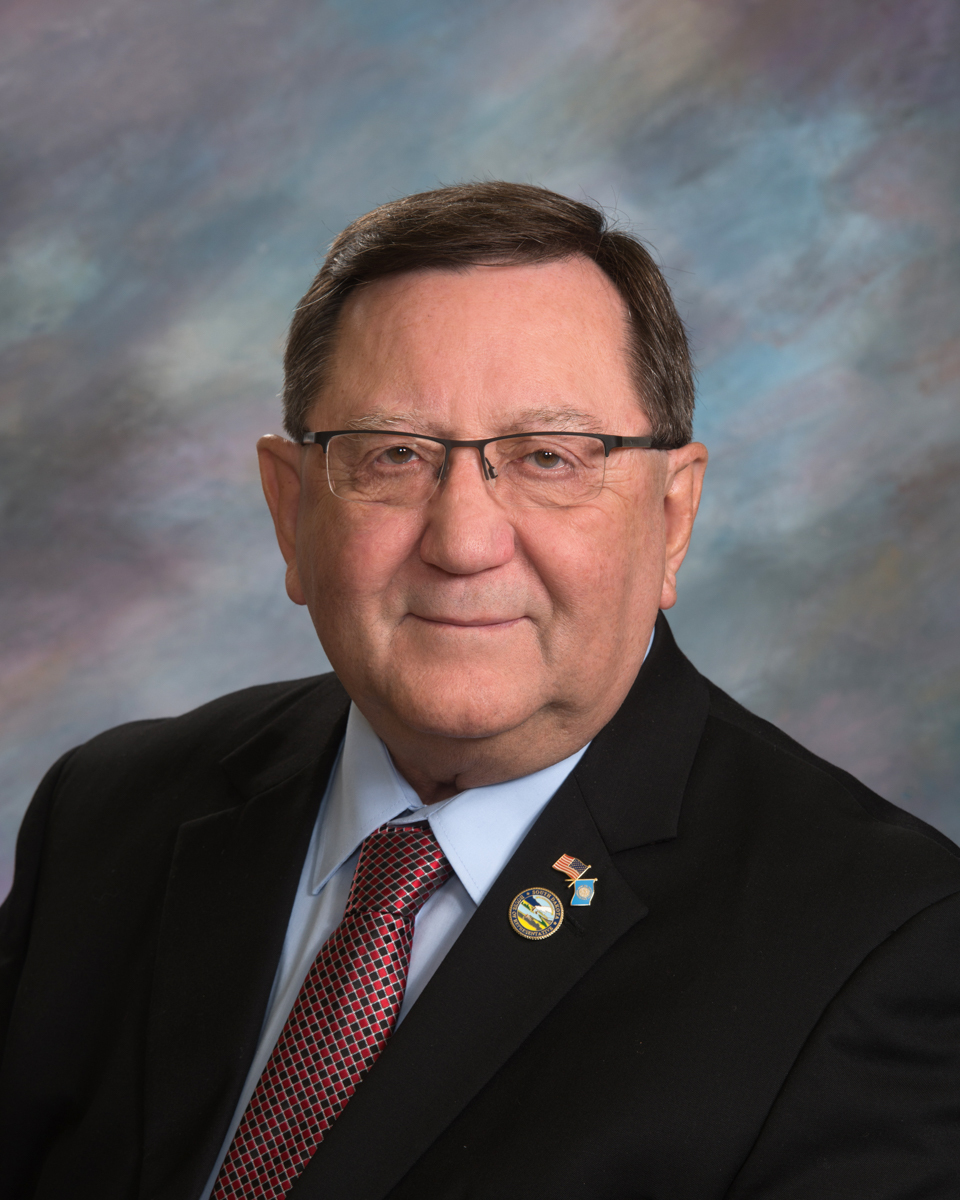
David Kull
David Kull House · District 2
R
Strong +
100% 8
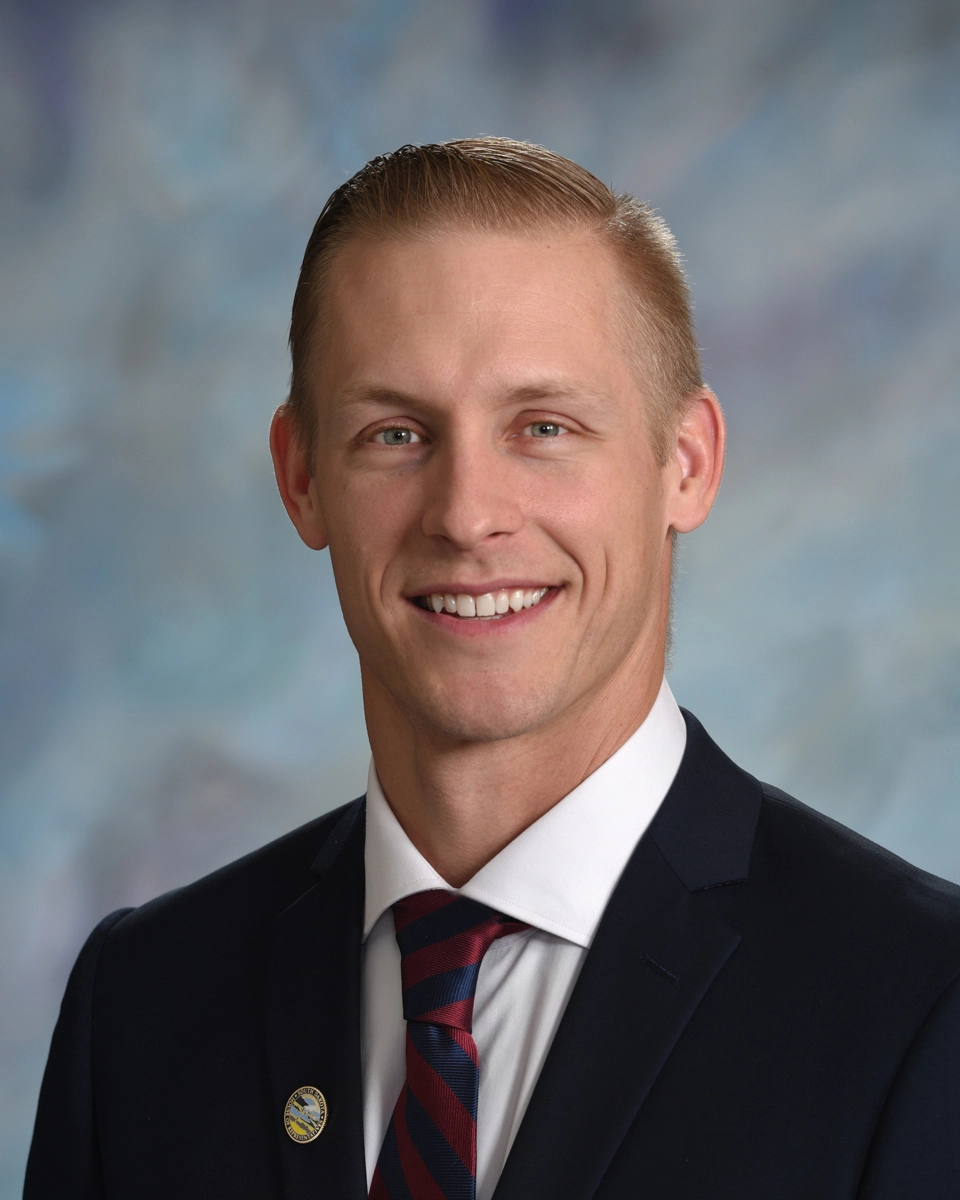
Ernie Otten
Ernie Otten Senate · District 6
R
Strong +
100% 8
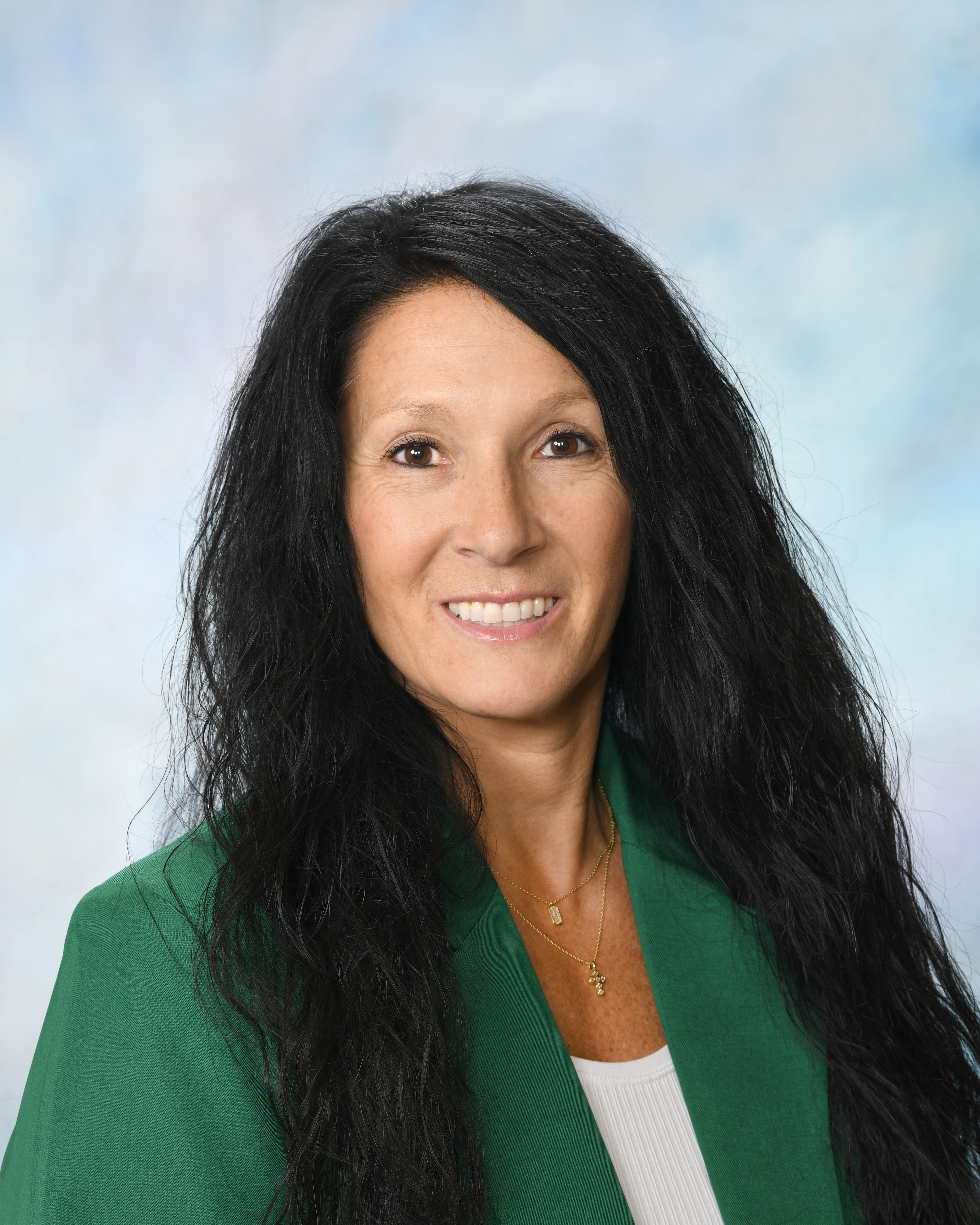
Glen Vilhauer
Glen Vilhauer Senate · District 5
R
Strong +
100% 8
John Hughes
John Hughes House · District 13
R
Strong +
100% 8
Larry Zikmund
Larry Zikmund Senate · District 14
R
Strong +
100% 8
Aaron Aylward
Aaron Aylward House · District 6
R
Strong −
0% 5
Heather Baxter
Heather Baxter House · District 34
R
Strong −
0% 5
Brandei Schaefbauer
Brandei Schaefbauer House · District 3
R
Strong −
20% 5
Dylan Jordan
Dylan Jordan House · District 4
R
Strong −
20% 5
Josephine Garcia
Josephine Garcia House · District 5
R
Strong −
20% 5
Showing 1–10 of 15 bills

All criminal justice bills

passed · South Dakota · House Feb 23, 2026

HB 1322: revise a provision related to the transportation of an inmate upon discharge from a correctional facility.

HB 1322 revises a South Dakota law requiring correctional facilities to provide transportation for inmates when they are released (upon parole, sentence completion, or discharge). It mandates that facilities must provide transportation to one of three locations chosen by the inmate: the county where they lived before incarceration, the county where they were sentenced, or a location with equivalent mileage to the nearest of those two options. This change ensures inmates have a clear choice of destination while preventing facilities from routing them to unnecessarily distant locations. The bill does not alter existing requirements for providing inmates with clothing or a small cash allowance upon release. The policy directly affects all inmates leaving South Dakota correctional facilities.
passed · South Dakota · Senate Mar 4, 2026

SB 220: authorize a comprehensive study of juvenile correctional and residential facilities, to make an appropriation therefor, and to declare an emergency.

SB 220 directs South Dakota's Department of Corrections to conduct a study evaluating juvenile correctional and residential facilities. The study must examine best practices, therapeutic housing models, vocational training combined with mental health services, and staff-to-youth ratios, including inspections at three facilities outside South Dakota. The bill appropriates $50,000 from the general fund to cover study costs and requires a written report to the Legislative Research Council by September 1, 2026. This is a procedural study bill with no direct policy changes or new requirements for facilities, solely aimed at gathering information for future decisions.
signed · South Dakota · House Mar 30, 2026

HB 1262: make an appropriation for a non-residential, school-based, therapeutic services facility in Brown County and to declare an emergency.

HB 1262 appropriates $2 million from the general fund to construct a juvenile corrections center in Brown County, including necessary infrastructure like utilities and equipment. The bill directs the Department of Corrections to manage the project, with the Bureau of Human Resources overseeing design and construction. It declares an emergency to expedite funding, requiring immediate use of the allocated funds for the facility's completion. The bill does not affect specific individuals but directly provides resources for a state-run juvenile corrections facility in Brown County.
passed · South Dakota · House Feb 20, 2026

HB 1276: establish policies and procedures for the use of solitary confinement in a juvenile facility.

HB 1276 establishes strict rules for using solitary confinement in South Dakota's juvenile facilities. It prohibits solitary confinement for discipline, punishment, or convenience - allowing it only when a juvenile poses an immediate risk of physical harm to self or others. The bill requires facilities to first try less restrictive methods, get approval from a facility leader, and form an interdisciplinary team (including mental health staff and administrators) to review cases within 24 hours and reassess weekly if confinement lasts more than seven days. Facilities must document all cases, provide continuous monitoring (every 15 minutes in-person), ensure access to basic needs like medical care and education, and notify parents within one business day. This applies directly to all juveniles held in state-operated juvenile facilities.
passed · South Dakota · House Feb 11, 2026

HB 1192: allow the parole of certain inmates sentenced to life imprisonment without parole.

HB 1192 allows parole consideration for inmates sentenced to life imprisonment without parole who were aged 18-26 at the time of their offense (excluding first-degree rape). It requires the parole board to review cases after 25 years of incarceration, with mandatory initial hearings within six months of eligibility. The board must consider factors like the inmate's youth at the time of crime, rehabilitation efforts, completion of educational programs, victim input, and evidence of maturity. The law applies retroactively to all qualifying inmates sentenced before July 1, 2026. It modifies existing parole eligibility rules by creating a specific pathway for this age group.
signed · South Dakota · Senate Mar 30, 2026

SB 42: enhance the penalties for ingestion, possession with intent to deliver, and delivery of a controlled substance in a state correctional facility.

SB 42 increases penalties for possessing, delivering, or ingesting controlled substances within South Dakota state correctional facilities. It changes inmate possession of controlled substances from a Class 3 to a Class 4 felony, delivery to inmates from a Class 4 to a Class 3 felony, and ingestion by inmates from a Class 6 to a Class 5 felony. These changes directly affect inmates, staff, and visitors who bring or use controlled substances in prisons. The bill strengthens criminal penalties for drug-related activities in correctional settings without altering treatment programs.
signed · South Dakota · House Feb 17, 2026

HB 1076: revise restrictions on residence within a community safety zone and to declare an emergency.

HB 1076 revises restrictions on where sex offenders can live near community safety zones (areas near schools, parks, or shelters). It adds two new exceptions allowing offenders to reside there: if they established their home before July 1, 2024, or if the school/park was built after they moved in. The bill expands existing exceptions for offenders in prison, halfway houses, homeless shelters, or healthcare facilities. Violations remain felonies, with repeat offenses carrying harsher penalties. The bill also declares an emergency to take immediate effect.
Sub-Topics Corrections
signed · South Dakota · House Mar 9, 2026

HB 1126: revise a provision related to driving under the influence.

HB 1126 revises South Dakota's penalties for repeat driving under the influence (DUI) offenses. It targets individuals with five or more prior DUI convictions within 15 years (down from 25 years), requiring a mandatory minimum six-year prison sentence for a sixth or subsequent offense, with at least one year on parole. The bill mandates specific monitoring tools like ignition interlocks or alcohol bracelets during supervision and extends driver's license revocation periods, with limited exceptions for employment or medical needs after completing treatment. These changes apply directly to repeat DUI offenders meeting the revised conviction thresholds.
signed · South Dakota · House Mar 30, 2026

HB 1140: permit a court to impose as a condition of probation, or parole in certain circumstances, treatment at a nonprofit entity awarded an alternative care program grant.

HB 1140 allows South Dakota courts to require defendants on probation or parole to complete treatment at nonprofit organizations that have received state grants for "alternative care programs," specifically for individuals convicted of repeat DUI/DWI offenses. The bill adds this option as a condition of probation (under § 23A-27-18.3), requiring the defendant’s consent, program availability, and pre-sentencing application approval. It directly affects individuals convicted of third or fourth DUI/DWI offenses who are on probation or parole, offering an alternative to jail time through treatment. The law modifies driver’s license revocation rules (§ 32-23-4 and 32-23-4.6), allowing courts to permit limited driving (e.g., for work or treatment) upon successful completion of such programs. This creates a concrete pathway for court-mandated treatment instead of incarceration for eligible offenders.
signed · South Dakota · Senate Mar 30, 2026

SB 139: revise a provision related to the transportation of an inmate upon discharge from a correctional facility.

SB 139 revises South Dakota law to clarify transportation requirements for inmates being discharged from correctional facilities. It requires correctional facilities to provide transportation to a location chosen by the inmate from three options: the county where the inmate lived at the time of the offense, the county where they received their sentence, or any location at the same distance as the closer of those two counties (based on mileage). This change gives inmates more flexibility in selecting a release location while ensuring transportation is provided to a reasonably accessible place near their previous residence or sentencing location. The bill directly affects inmates released from South Dakota correctional facilities under parole, suspended sentences, or final discharge.
Showing 1 to 10 of 15 bills
1 2 Next