Issue · Healthcare

Healthcare

Every healthcare bill, vote, and legislator stance in Oregon, automatically classified by Maddy, our AI policy reader.

Total bills
567
119th Congress
Top supporter
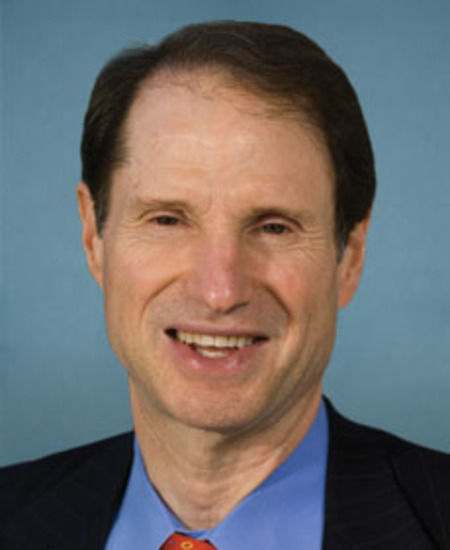
Ron Wyden
76% support rate
Top opponent
Cliff Bentz
39% support rate
Ranked legislators
6
5 support · 1 oppose
Key legislators

Who's moving healthcare in Oregon

Legislators moving healthcare in Oregon
Legislator Party Stance Support rate Votes
Ron Wyden
Ron Wyden Senate
D
Support
76% 223
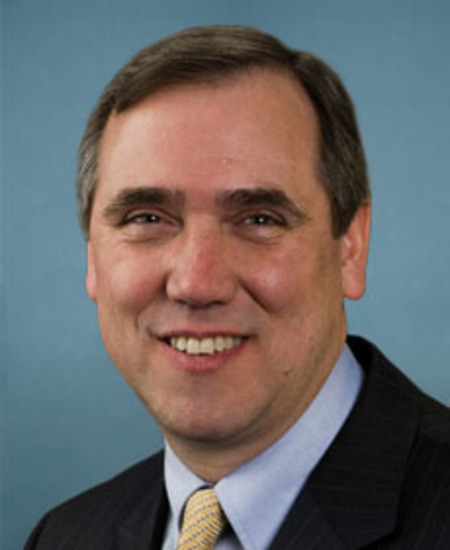
Jeff Merkley
Jeff Merkley Senate
D
Support
76% 223
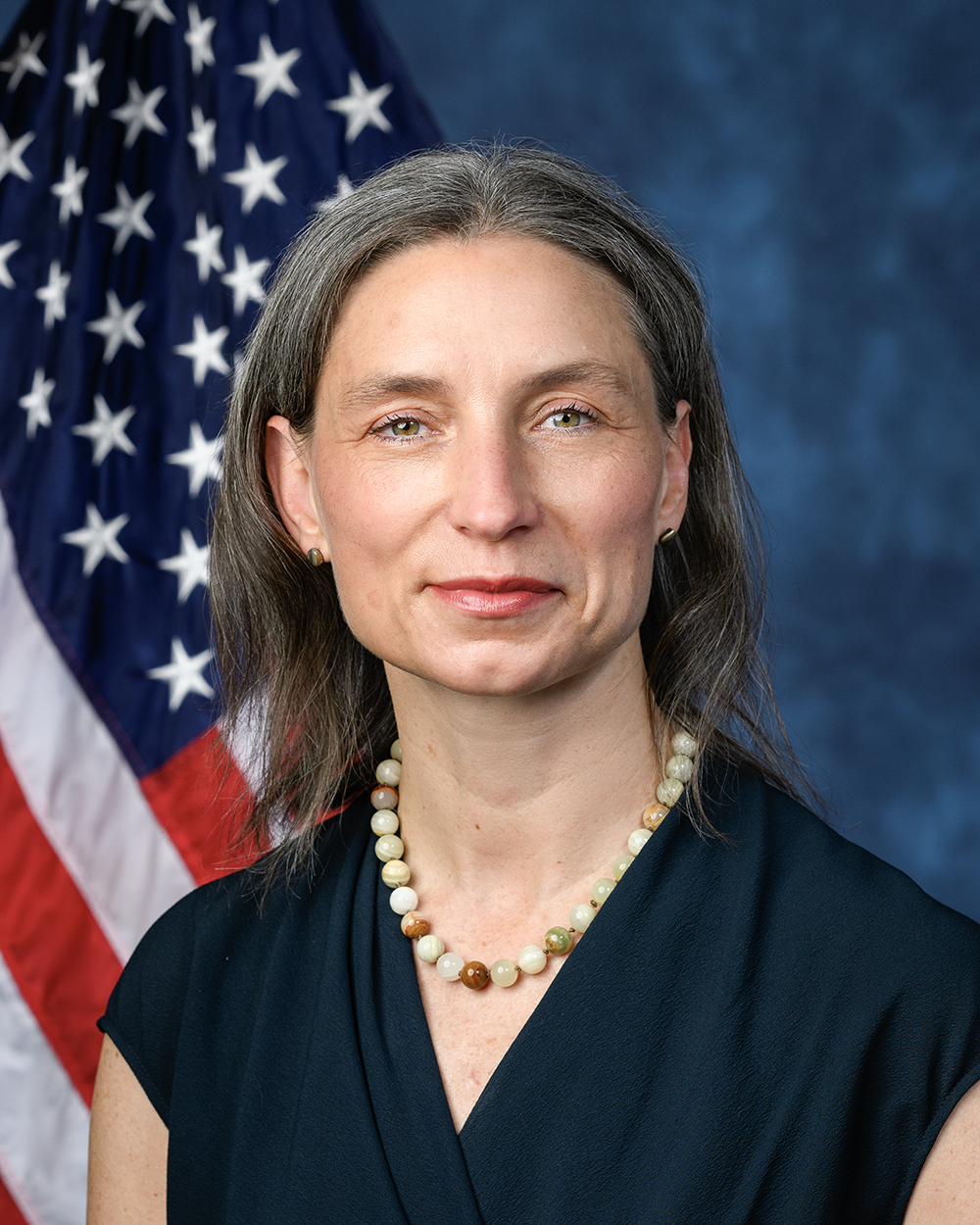
Maxine Dexter
Maxine Dexter House · District 3
D
Support
67% 209
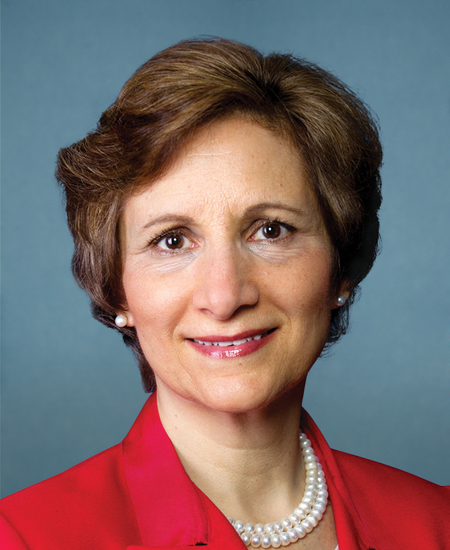
Suzanne Bonamici
Suzanne Bonamici House · District 1
D
Support
61% 210
Val T. Hoyle
Val T. Hoyle House · District 4
D
Support
61% 208
Cliff Bentz
Cliff Bentz House · District 2
R
Oppose
39% 211
Showing 1–10 of 567 bills

All healthcare bills

in committee · United States · House Sep 10, 2026

HRES 1528: Recognizing suicide as a serious public health problem and expressing support for the designation of September, 2026, as "National Suicide Prevention Month" as well as September 10, 2026, as "World Suicide Prevention Day".

This House resolution formally recognizes suicide as a serious public health problem in the United States and expresses support for designating September 2026 as National Suicide Prevention Month and September 10, 2026, as World Suicide Prevention Day. The bill cites data from the CDC, SAMHSA, and the VA to highlight that suicide is a leading cause of death among young people, veterans, and during the postpartum period, while also noting the significant economic costs associated with it. It declares suicide prevention a national priority and emphasizes that mental health is as important as physical health. The resolution supports the development of strategies to improve access to quality mental health, substance abuse, and suicide prevention services for all communities.
in committee · United States · House Aug 17, 2026

HR 10116: Lifeline for First Responders Act

The Lifeline for First Responders Act establishes a new federal grant program administered by the National Highway Traffic Safety Administration to support the mental health and well-being of first responders. The program provides funding to eligible entities, including fire services, emergency medical services agencies, and dispatch centers, at all levels of government. Grant funds may be used for evidence-based stress reduction, suicide prevention, confidential counseling, family support services, and outreach programs aimed at reducing stigma. The bill authorizes $7.5 million in appropriations annually for fiscal years 2028 through 2032 to carry out these initiatives.
Sub-Topics Mental Health Tags Public Safety
in committee · United States · House Sep 3, 2026

HR 10252: Launching with Healthcare Act

The Launching with Healthcare Act extends the period during which young adults must be covered under their parents' health insurance plans from age 26 to age 31. This change directly affects individuals up to age 31 and the employers or insurers providing these family coverage plans. The bill amends the Public Health Service Act to implement this new age limit, with the provision taking effect for plan years that begin after December 31, 2026.
in committee · United States · Senate Aug 6, 2026

S 5312: PROTECT Act

The PROTECT Act directs the Centers for Disease Control and Prevention to launch a new initiative aimed at reducing e-cigarette and tobacco use among youth and young adults. The bill authorizes $100 million annually from 2027 through 2031 to fund research on product usage patterns, health impacts, and cessation behaviors, as well as the development of guidance for healthcare providers and schools. Additionally, it requires the creation of public education campaigns and continued funding for state and local health departments to improve access to quit services.
in committee · United States · House Sep 3, 2026

HR 10280: 9–8–8 Implementation Act of 2026

The 9-8-8 Implementation Act of 2026 expands federal funding and mandates insurance coverage for behavioral health crisis services, directly affecting individuals experiencing mental health or substance use emergencies as well as the providers who serve them. The bill authorizes grants to upgrade local lifeline call centers, build new crisis stabilization facilities, and train a larger workforce of behavioral health professionals. It requires Medicare, Medicaid, private group health plans, TRICARE, and other federal insurance programs to cover crisis response services with financial terms no more restrictive than standard medical care. Additionally, the legislation establishes a federal panel to develop training protocols for 9-1-1 dispatchers to better connect callers to appropriate crisis care rather than law enforcement responses.
in committee · United States · Senate Aug 6, 2026

S 5321: HCBS Access Act

The HCBS Access Act would require states to cover home and community-based services (HCBS) as a mandatory benefit under Medicaid, effectively eliminating waiting lists for individuals with disabilities and older adults who need support to live in their communities rather than institutions. To fund this expansion, the bill provides a 100% federal matching rate for these services if states meet specific requirements, such as improving workforce wages, removing access barriers, and establishing infrastructure to support self-directed care models. Additionally, the legislation creates a national technical assistance center and authorizes grants to recruit, train, and retain direct care workers, while also prohibiting states from placing liens on the assets of Medicaid recipients for medical assistance correctly paid.
in committee · United States · Senate Aug 4, 2026

S 5231: Equity in Pretrial Health Coverage Act

The Equity in Pretrial Health Coverage Act removes federal restrictions that currently prevent individuals awaiting trial from accessing certain government health benefits. The bill amends laws governing Medicaid, Medicare, the Children's Health Insurance Program (CHIP), and Department of Veterans Affairs services to ensure these programs cover medical care for people in custody while their charges are pending. For children enrolled in CHIP, the legislation also mandates coverage for specific screenings and case management services during the 30 days leading up to their release. These changes take effect shortly after enactment, with the Department of Veterans Affairs provision becoming active immediately upon the bill's passage.
passed · United States · Senate Aug 7, 2026

SRES 843: A resolution expressing support for the designation of the first week of August 2026, as "National Community Health Center Week", encouraging all people of the United States to participate by visiting their local community health center, and celebrating the important partnership between community health centers and the communities they serve.

This Senate resolution designates the first week of August 2026 as "National Community Health Center Week" to recognize the role these facilities play in providing affordable primary care across the United States. The bill highlights that community health centers serve a diverse range of populations, including those in rural and urban areas, by offering integrated services such as mental health, dental, and pharmacy care. It encourages the general public to participate in the observance by visiting local centers and celebrating the partnership between these organizations and their communities.
in committee · United States · Senate Aug 6, 2026

S 5319: Nurse Overtime and Patient Safety Act

The Nurse Overtime and Patient Safety Act prohibits healthcare providers from requiring registered, licensed practical, or licensed vocational nurses to work mandatory overtime beyond specific limits, including a cap of 48 hours per week or 12 consecutive hours in a 24-hour period. The bill mandates that facilities post nurse schedules and rights notices, while protecting nurses from retaliation if they refuse excessive shifts or report violations. Limited exceptions allow for mandatory overtime during declared emergencies or disasters, provided the facility has made reasonable efforts to fill staffing needs through other means. Providers who knowingly violate these rules face civil money penalties of up to $10,000 per violation, with harsher fines for repeated offenses, and the Secretary of Health and Human Services is required to conduct studies on safe working hour standards.
in committee · United States · Senate Aug 6, 2026

S 5296: Pathways to Health Careers Act

The Pathways to Health Careers Act establishes a federal grant program effective October 1, 2026, to train low-income individuals for careers in health professions such as nursing, emergency medical services, and allied health fields. The legislation allocates $435 million annually from fiscal years 2027 through 2031 to fund these initiatives, with specific requirements ensuring that at least two grants are awarded in each state and the District of Columbia, along with dedicated funding for tribal entities and U.S. territories. Key provisions mandate that grant recipients provide comprehensive support services, including adult basic education, childcare, transportation assistance, and cash stipends, while also requiring rigorous evaluations of demonstration projects focused on individuals with criminal records and maternal health career pathways.
Showing 1 to 10 of 567 bills
1 2 3 57 Next