Issue · Healthcare

Healthcare

Every healthcare bill, vote, and legislator stance in North Carolina, automatically classified by Maddy, our AI policy reader.

Total bills
361
2025-2026 Session
Top supporter
Ray Pickett
89% support rate
Top opponent
Amber Baker
0% support rate
Ranked legislators
10
5 support · 5 oppose
Key legislators

Who's moving healthcare in North Carolina

Legislators moving healthcare in North Carolina
Legislator Party Stance Support rate Votes
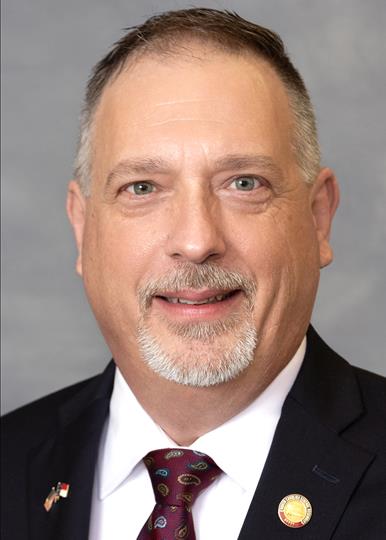
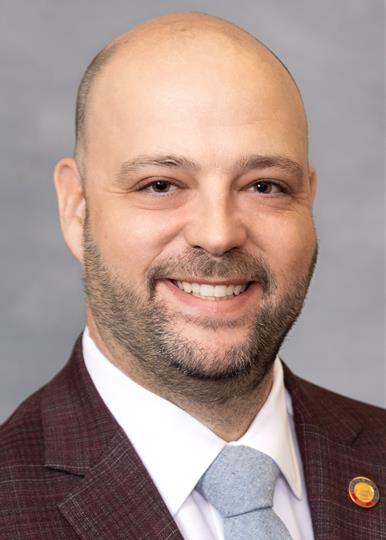
Ray Pickett
Ray Pickett House · District 93
R
Strong +
89% 22
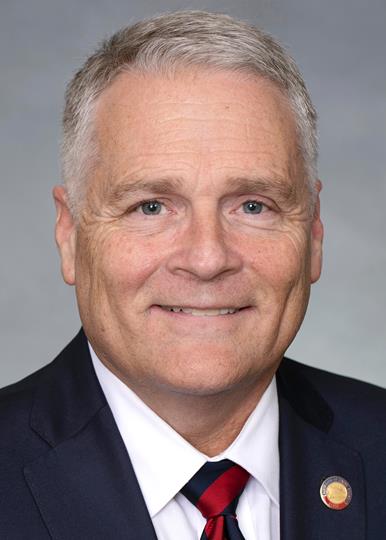
Kelly Hastings
Kelly Hastings House · District 110
R
Strong +
89% 23
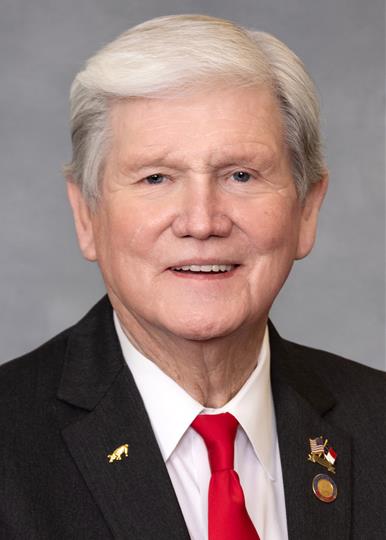
Jimmy Dixon
Jimmy Dixon House · District 4
R
Strong +
89% 24
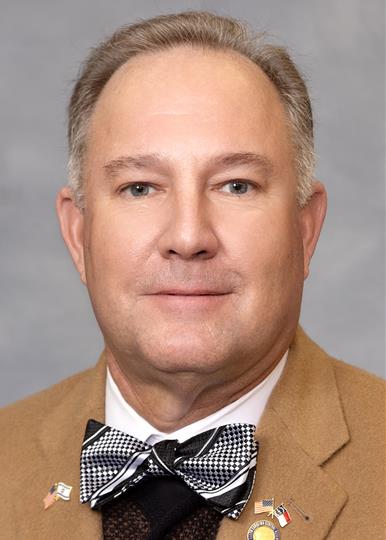
Jeff McNeely
Jeff McNeely House · District 84
R
Strong +
89% 25
Bryan Cohn
Bryan Cohn House · District 32
D
Strong +
88% 22
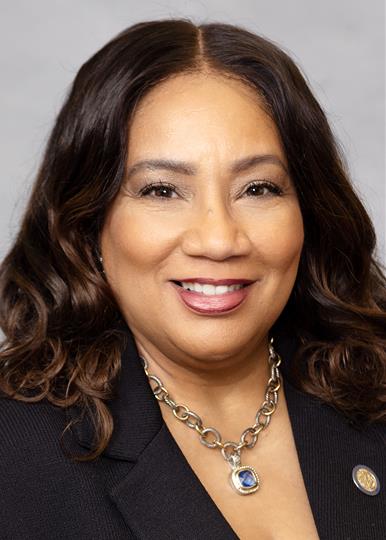
Amber Baker
Amber Baker House · District 72
D
Strong −
0% 19
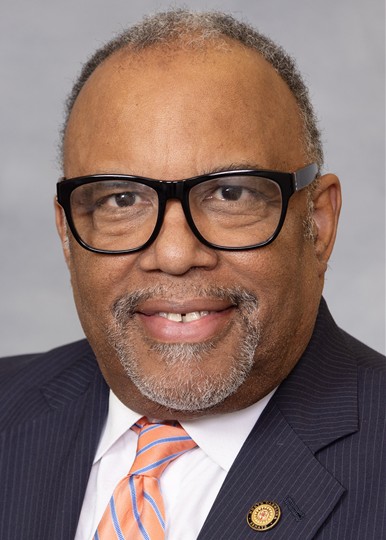
Paul Lowe
Paul Lowe Senate · District 32
D
Strong −
20% 15
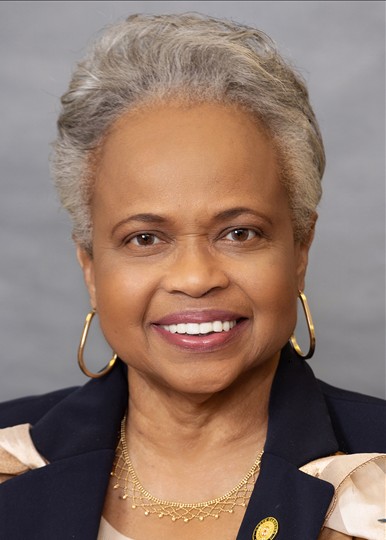
Gladys Robinson
Gladys Robinson Senate · District 28
D
Strong −
20% 16
Mary Belk
Mary Belk House · District 88
D
Strong −
20% 26
Maria Cervania
Maria Cervania House · District 41
D
Strong −
20% 26
Showing 351–360 of 361 bills

All healthcare bills

passed both · North Carolina · Senate Jun 16, 2025

SB 171: Pract. Transparency/Reagan's Law/Sam's Law.

SB 171 allows licensed psychological associates in North Carolina to practice independently without direct supervision after completing 3,000 hours of supervised experience over 24-60 months. This directly affects psychological associates who meet the experience requirement, reducing regulatory barriers to their practice. The bill amends licensing rules to establish this pathway, requiring an application with proof of experience and granting certification as a "health services provider psychological associate." It also updates board composition rules to ensure balanced representation. The changes take effect October 1, 2025.
Sub-Topics Mental Health
signed · North Carolina · House Apr 30, 2026

HB 696: Medicaid and HHS Adjust./Other Critical Needs.

HB 696, the Health Care Practitioner Transparency Act, requires health care providers in North Carolina to clearly state their license type, certification, or registration in all advertisements and public representations. It prohibits deceptive claims about qualifications and bans unlicensed individuals from using medical titles like "doctor," "surgeon," or specialty terms (e.g., "cardiologist") to mislead patients. The law applies to licensed professionals (doctors, nurses, dentists, etc.) who advertise services, but exempts those in non-patient settings without direct care interactions. Violations could lead to disciplinary action by their licensing board, with daily noncompliance treated as separate offenses. The bill takes effect October 1, 2025.
passed · North Carolina · House Jun 25, 2025

HB 480: Medical Board Licensing Efficiency Act.

HB 480 creates a new pathway for doctors, physician assistants, and anesthesiologist assistants to obtain North Carolina medical licenses by transferring licenses from other states ("licensure by endorsement"). To qualify, applicants must have held an active license in another U.S. jurisdiction for at least five years (with two years of practice post-residency for doctors), have a verified full-time job offer in North Carolina, maintain good standing with no recent disciplinary actions, and meet practice hour requirements. The bill increases application fees for endorsement (e.g., $825 for physicians vs. $400 for standard licensure) and requires additional documentation within 180 days to keep the license active. This directly affects out-of-state medical professionals seeking to practice in North Carolina without retaking exams.
Sub-Topics Medical Licensing
passed · North Carolina · House Jun 26, 2025

HB 697: NC Genetic Counselors Workforce Act.

HB 697 establishes North Carolina's first licensure requirements for genetic counselors. The bill creates a 5-member Genetic Counselors Licensure Board (with 3 licensed counselors, 1 physician, and 1 public member) to regulate the profession. Key provisions include defining "genetic counseling," setting standards for licensure (requiring ABGC certification or equivalent), establishing temporary licenses for interns, and granting the Board authority to issue, deny, suspend, or revoke licenses. This directly affects genetic counselors practicing in North Carolina, requiring them to obtain a license to legally provide services. The bill does not change healthcare access or funding but sets professional standards for this specific healthcare role.
Sub-Topics Medical Licensing
failed · North Carolina · Senate Aug 6, 2026

SB 177: Continuing Budget Adjustments.

SB 177 expands North Carolina's Medicaid Healthcare Access and Stabilization Program (HASP) to include qualifying freestanding psychiatric hospitals, allowing them to receive increased reimbursements for services. The bill creates a new assessment (a fee) on these hospitals, calculated as a percentage of their hospital costs, to fund the program. To implement this, the state must seek federal approval from CMS to include psychiatric hospitals in HASP. This change directly affects all Medicare-certified, state-licensed freestanding psychiatric hospitals in North Carolina, requiring them to pay the new assessment while gaining eligibility for enhanced Medicaid payments.
signed · North Carolina · House Jun 27, 2025

HB 576: Department of Health and Human Services Revisions.

HB 576 makes technical revisions to North Carolina's laws governing the Department of Health and Human Services (DHHS). It designates DHHS as the agency managing school nurse funds, requiring school nurses to focus solely on health services (like health education and emergency response) rather than instructional duties. The bill extends until June 2028 the temporary use of the federal health insurance marketplace for determining Medicaid eligibility, and clarifies that Medicaid coverage for people released from prison continues for up to 12 months post-release. It also updates Medicaid provider screening rules to align with federal standards, particularly for Indian Health Program providers.
signed · North Carolina · Senate Jul 1, 2025

SB 77: School Contracted Health Services.

SB 77 allows parents of students with disabilities to choose their preferred nurse for school-based nursing services required by an Individualized Education Program (IEP), provided specific conditions are met. The bill requires schools to assign the parent's chosen nurse if that nurse previously provided care to the student, the nursing agency agrees to contract under standard terms, and the rate matches other contracted nurses. This directly affects families of students needing nursing services under IEPs and ensures schools honor parent preferences without altering their obligation to provide a free appropriate public education. The policy applies starting the 2025-2026 school year.
signed · North Carolina · House Jul 7, 2025

HB 546: Medicaid Modernization.

HB 546 modernizes North Carolina's Medicaid program by requiring the state to develop team-based care coordination for individuals with alcohol and opioid use disorders, including screening, medication, and recovery support. The bill also allows telehealth-only providers to enroll in Medicaid without needing a physical office in the state and mandates a statewide specialty plan for children in foster care or receiving adoption assistance, to be implemented by December 2025. These changes directly affect Medicaid beneficiaries with substance use disorders, telehealth providers, and eligible children and families. The Department of Health and Human Services must report on the implementation of the substance use care and telehealth provisions by October 1, 2025.
signed · North Carolina · Senate Jul 9, 2025

SB 479: SCRIPT Act.

SB 479, the SCRIPT Act, requires health insurers in North Carolina to allow patients to choose any participating pharmacy without restrictions. It prohibits insurers from imposing unequal copayments, financial penalties, or incentives that steer patients toward specific pharmacies. The bill directly affects insurers offering prescription drug coverage, independent pharmacies (defined as groups of 10 or fewer under common ownership), and patients seeking pharmacy services. Key provisions ensure equal treatment for all pharmacies in a plan and prevent insurers from limiting patient choice based on financial incentives.
Sub-Topics Prescription Drugs
signed · North Carolina · House Aug 11, 2026

HB 562: Budget Technical Corrections Modifications.

HB 562, the Healthcare Investment Act, updates qualification standards for mental health, developmental disabilities, and substance abuse professionals in North Carolina. It allows individuals with an associate degree in human services to qualify as Associate Professionals (with less than two years of experience) or Qualified Professionals (with two years of supervised experience). The bill also creates a new pathway for Qualified Substance Abuse Prevention Professionals (QSAPPs) to qualify with an associate degree and two years of supervised experience in addiction prevention - before completing a bachelor's degree. These changes will expand the pool of eligible professionals for state-funded services under the Commission for Mental Health, Developmental Disabilities, and Substance Abuse Services.
Showing 351 to 360 of 361 bills