

Issue · Healthcare
Healthcare
Every healthcare bill, vote, and legislator stance in North Carolina, automatically classified by Maddy, our AI policy reader.
Total bills
361
2025-2026 Session
Top supporter
Ray Pickett
89% support rate
Top opponent
Amber Baker
0% support rate
Ranked legislators
10
5 support · 5 oppose
Key legislators
Who's moving healthcare in North Carolina
| Legislator | Party | Stance | Support rate | Votes |
|---|---|---|---|---|
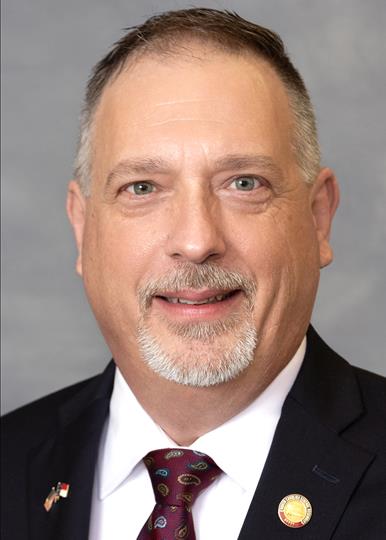
Ray Pickett
House · District 93
|
R |
Strong +
|
89% | 22 |
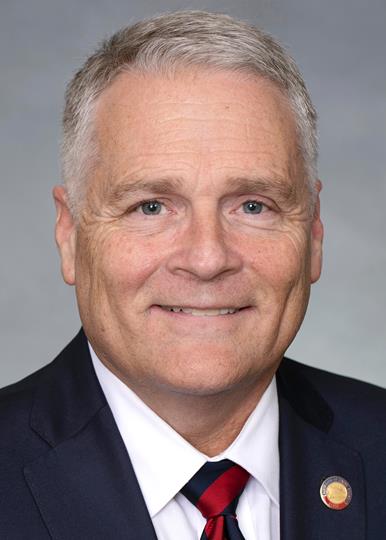
Kelly Hastings
House · District 110
|
R |
Strong +
|
89% | 23 |
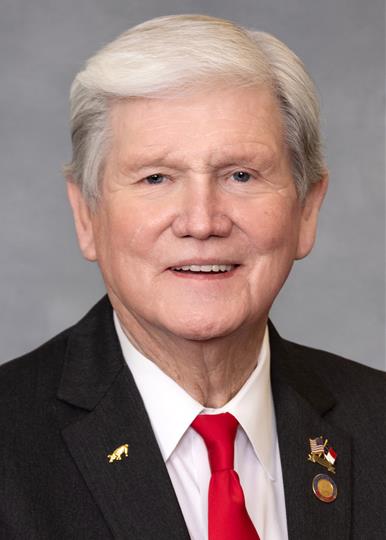
Jimmy Dixon
House · District 4
|
R |
Strong +
|
89% | 24 |
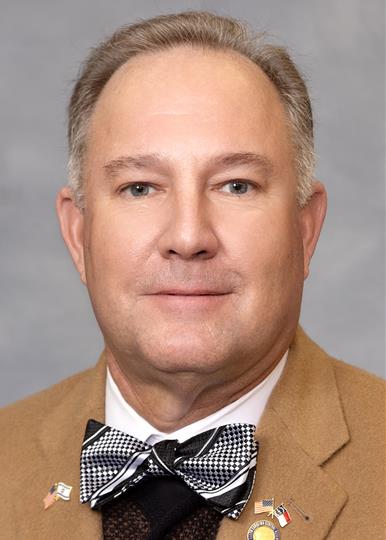
Jeff McNeely
House · District 84
|
R |
Strong +
|
89% | 25 |
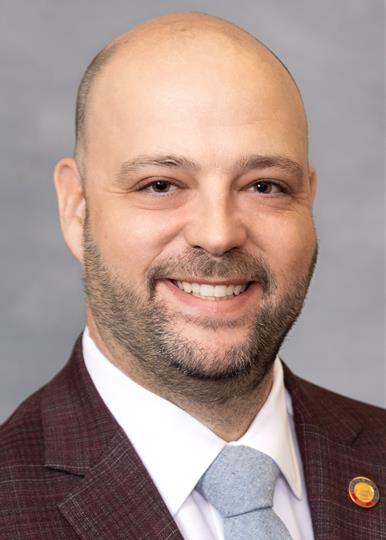
Bryan Cohn
House · District 32
|
D |
Strong +
|
88% | 22 |
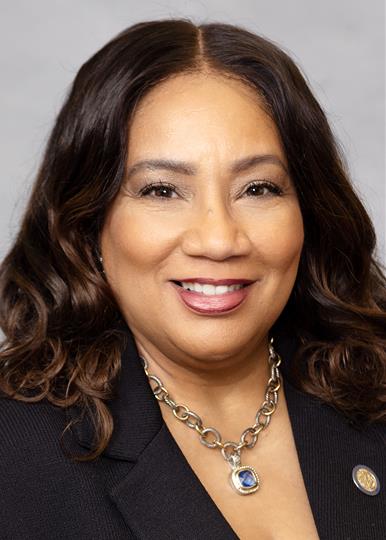
Amber Baker
House · District 72
|
D |
Strong −
|
0% | 19 |
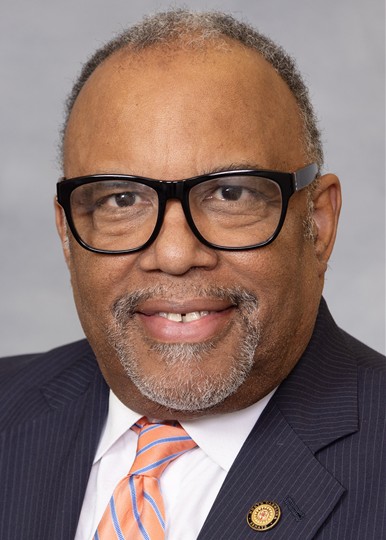
Paul Lowe
Senate · District 32
|
D |
Strong −
|
20% | 15 |
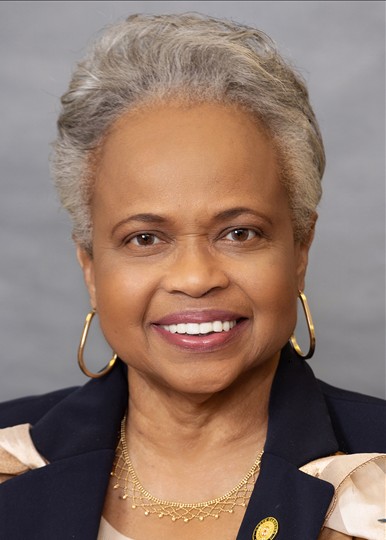
Gladys Robinson
Senate · District 28
|
D |
Strong −
|
20% | 16 |

Mary Belk
House · District 88
|
D |
Strong −
|
20% | 26 |
Maria Cervania
House · District 41
|
D |
Strong −
|
20% | 26 |
Showing 1–10 of 361
bills
All healthcare bills
HB 1066: Child Care Stabilization and Affordability Act.
Topics
✓ Budget & TaxesSupports Budget & TaxesBill redirects funds to expand child care subsidies and improve educator pay, directly strengthening essential public services and early childhood education funding.
✗ EducationOpposes EducationBill redirects funds from the Opportunity Scholarship Program, reducing private school voucher funding and limiting educational access for private school students.
✓ HealthcareSupports HealthcareBill redirects funds to expand child care subsidies and improve early childhood educator pay, strengthening access to essential health and developmental services.
✓ Labor & EmploymentSupports Labor & EmploymentBill improves early childhood educator pay and benefits, directly supporting worker compensation standards.
SB 949: Fully Fund School Psychologists and Counselors.
Topics
✓ Budget & TaxesSupports Budget & TaxesBill allocates $359.3M in recurring funds to hire school psychologists and counselors, directly increasing public service funding.
✓ EducationSupports EducationBill allocates $359.3M to hire additional psychologists and counselors, establishing specific staffing ratios to enhance student mental health support.
✓ HealthcareSupports HealthcareBill allocates $359.3M to hire school psychologists and counselors, directly funding and expanding mental health services and access.
Sub-Topics
Student Health
HB 1172: The Ciji Graham Act.
Topics
✓ Budget & TaxesSupports Budget & TaxesBill establishes a funded program for high-risk pregnancy care, indicating increased appropriations for public health services.
✓ HealthcareSupports HealthcareBill establishes a High-Risk Pregnancy Care Navigation Program to improve patient access and coordinate care.
HB 1193: Rep. Mike Clampitt Bone Marrow Donation Act.
Topics
✓ Budget & TaxesSupports Budget & TaxesBill appropriates $100,000 to fund a public awareness campaign for bone marrow donation.
✓ HealthcareSupports HealthcareBill designates awareness month and appropriates $100,000 to fund public health campaigns for bone marrow donation.
SB 963: AI Chatbots-Licensing, Safety, and Privacy.
Topics
✓ HealthcareSupports HealthcareBill establishes licensing and safety standards for AI handling health info, protecting patient data and ensuring service efficacy.
✓ TechnologySupports TechnologyBill establishes licensing and safety standards for AI chatbots to protect health data privacy and ensure system efficacy.
SB 915: 2026 Governor's Budget.
Topics
✓ Budget & TaxesSupports Budget & TaxesBill establishes the 2026 Governor's Budget, explicitly allocating funding to state departments and agencies for operations.
✓ EducationSupports EducationBill establishes the 2026 Governor's Budget, explicitly allocating financial resources to public schools, universities, and education agencies.
✓ HealthcareSupports HealthcareThe bill allocates specific funding to health and human services agencies, directly strengthening and supporting healthcare operations.
✓ TransportationSupports TransportationBill allocates funding to the Transportation Dept. and Highway Fund, directly supporting transportation infrastructure and operations.
✓ VeteransSupports VeteransBill includes Veterans in budget appropriations, indicating funding allocation for veteran-related services.
SB 863: Streamline Adult Care Home Inspections.
Sub-Topics
Medical Licensing
SB 974: Behavior Analysis Reforms.
Sub-Topics
Telehealth
HB 1107: Families Providing Foster Care/Funds.
Topics
✓ Budget & TaxesSupports Budget & TaxesBill allocates $2 million in recurring state funds to support foster care families and social services.
✓ HealthcareSupports HealthcareBill allocates $2M to support foster care families, addressing a critical aspect of child health and social services.
Tags
Children