Issue · Healthcare

Healthcare

Every healthcare bill, vote, and legislator stance in North Carolina, automatically classified by Maddy, our AI policy reader.

Total bills
361
2025-2026 Session
Top supporter
Ray Pickett
89% support rate
Top opponent
Amber Baker
0% support rate
Ranked legislators
10
5 support · 5 oppose
Key legislators

Who's moving healthcare in North Carolina

Legislators moving healthcare in North Carolina
Legislator Party Stance Support rate Votes
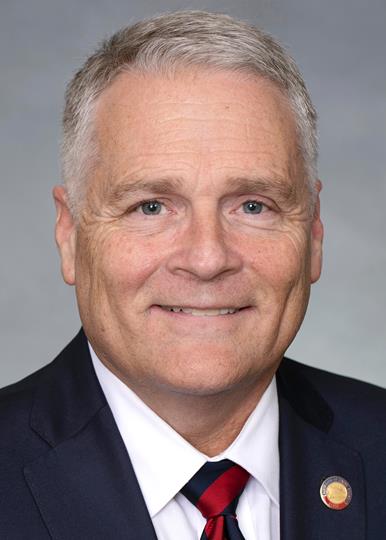
Ray Pickett
Ray Pickett House · District 93
R
Strong +
89% 22
Kelly Hastings
Kelly Hastings House · District 110
R
Strong +
89% 23
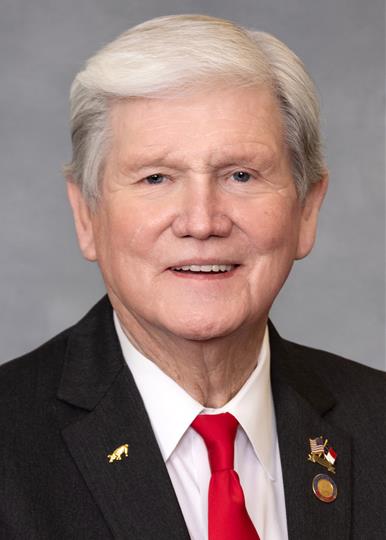
Jimmy Dixon
Jimmy Dixon House · District 4
R
Strong +
89% 24
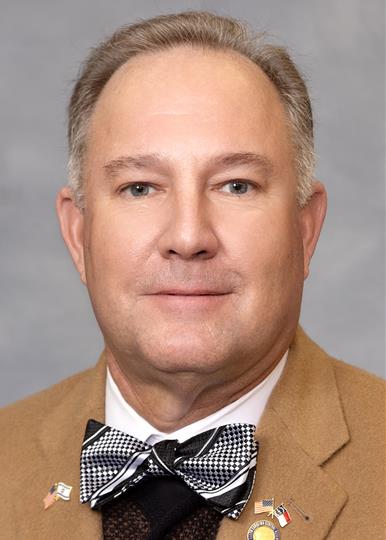
Jeff McNeely
Jeff McNeely House · District 84
R
Strong +
89% 25
Bryan Cohn
Bryan Cohn House · District 32
D
Strong +
88% 22
Amber Baker
Amber Baker House · District 72
D
Strong −
0% 19
Paul Lowe
Paul Lowe Senate · District 32
D
Strong −
20% 15
Gladys Robinson
Gladys Robinson Senate · District 28
D
Strong −
20% 16
Mary Belk
Mary Belk House · District 88
D
Strong −
20% 26
Maria Cervania
Maria Cervania House · District 41
D
Strong −
20% 26
Showing 341–350 of 361 bills

All healthcare bills

passed · North Carolina · House Apr 30, 2025

HB 152: Access to Transcranial Magnetic Stimulation.

HB 152 aims to regulate how health benefit plans in North Carolina cover Transcranial Magnetic Stimulation (TMS) services. If an insurer chooses to cover TMS, the bill requires them to cover all procedures performed by properly licensed healthcare providers, regardless of their medical specialty, as long as TMS is within their scope of practice. It prohibits insurers from penalizing providers solely based on their specialty when submitting TMS claims. However, the bill maintains that insurers retain discretion over whether to cover TMS, for which conditions, and at what reimbursement rates.
in committee · North Carolina · House Apr 30, 2025

HB 663: Living Donor Protection Act.

House Bill 663, known as the Living Donor Protection Act, aims to support individuals who donate organs or bone marrow. The bill prohibits insurance companies from discriminating against individuals solely based on their status as a living organ donor in various insurance policies. It also establishes a state income tax credit of up to $5,000 for unreimbursed expenses, such as lost wages and travel, incurred by living donors. Furthermore, the act provides state employees and state-supported personnel with up to 30 days of paid leave for organ donation and seven days for bone marrow donation.
passed · North Carolina · Senate May 5, 2025

SB 357: Pharmacists/Collaborative Practice.

SB 357 expands and modernizes collaborative practice agreements between physicians and pharmacists. It allows licensed pharmacists, designated as "clinical pharmacist practitioners," to provide a broader range of "health care services" under a physician's supervision, including modifying drug dosages, ordering tests, and managing drug therapy for patients. These services must be conducted under specific, written collaborative practice agreements and adhere to rules set by the North Carolina Medical Board and Board of Pharmacy. The bill also permits therapeutic drug substitutions by pharmacists with physician authorization and allows for multi-provider collaborative agreements in institutional settings.
passed · North Carolina · House May 7, 2025

HB 489: Insurance Coverage Emergency Ambulance Transportation.

House Bill 489 establishes a minimum reimbursement rate for emergency ambulance transportation services provided by out-of-network providers under health benefit plans. It mandates that insurers pay these out-of-network ambulance providers directly and sets a cap on the cost-sharing amounts that insured individuals must pay for these services. The minimum reimbursement rate is determined by local government rates, or if none, by comparing 400% of the Medicare rate to the provider's billed charges. This bill affects individuals needing emergency ambulance services, health insurers, and ambulance service providers, with an effective date of October 1, 2025, for new or renewed insurance contracts.
Sub-Topics Hospitals Insurance Medicare Tags Public Safety
passed · North Carolina · Senate May 7, 2025

SB 336: Interstate Med.l Lic. Comp./Intern'l Phys.

SB 336 establishes the Interstate Medical Licensure Compact, creating a streamlined pathway for qualified physicians to obtain licenses in multiple participating states. This compact aims to enhance the portability of medical licenses and improve patient access to healthcare by allowing eligible physicians to apply for an "expedited license." To qualify, physicians must meet specific criteria, including holding an unrestricted license in a member state, passing medical exams, completing graduate medical education, and maintaining a clean disciplinary and criminal record. The bill also defines how physicians designate a 'state of principal license' and outlines the role of an Interstate Commission in managing the compact.
Sub-Topics Medical Licensing
passed · North Carolina · House May 7, 2025

HB 567: Ensure Access to Biomarker Testing.

HB 567, titled "Ensure Access to Biomarker Testing," mandates that North Carolina health benefit plans provide coverage for biomarker testing for the diagnosis, treatment, and monitoring of various diseases or conditions. This coverage is required when the testing is supported by medical and scientific evidence, such as FDA approval or nationally recognized clinical guidelines. The bill also prohibits insurers from denying coverage, raising premiums, or charging higher rates based on an individual's biomarker information. Additionally, it establishes a 24-hour timeline for insurers to complete utilization reviews for urgent healthcare services, aiming to improve access to diagnostic testing and care for North Carolinians.
passed · North Carolina · House May 7, 2025

HB 297: Breast Cancer Prevention Imaging Parity.

HB 297, titled "Breast Cancer Prevention Imaging Parity," aims to ensure equal health insurance coverage for different types of breast cancer imaging. The bill mandates that health benefit plans apply the same cost-sharing requirements (like deductibles and copayments) for diagnostic and supplemental breast examinations, such as MRIs and ultrasounds, as they do for routine screening mammograms. This ensures individuals needing these additional medically necessary tests do not face higher out-of-pocket costs compared to standard screenings. It also maintains existing coverage for cervical cancer screenings and includes provisions for high-deductible health plans.
Sub-Topics Insurance
passed · North Carolina · House May 27, 2025

HB 485: Adult Care Home Medicaid Personal Care Services Coverage.

HB 485 requires North Carolina's Medicaid agency to request federal approval to extend Medicaid coverage for personal care services to adults living in licensed adult care homes who earn more than the current State-County Special Assistance income limit but stay below 180-200% of the federal poverty level. The bill specifically targets individuals who would qualify for lower-income Medicaid assistance if not for their higher earnings. Before implementing this coverage, the agency must submit a CMS request meeting three conditions: covering the specified income group, ensuring cost savings offset new expenses, and complying with legal requirements. This bill does not immediately change coverage - it only authorizes a federal request, pending CMS approval.
passed both · North Carolina · House Jun 25, 2026

HB 349: Modify Health Care Powers of Attorney/Advance Directives.

HB 349 updates North Carolina's requirements for healthcare powers of attorney (POA) and advance health care directives (like living wills). It clarifies witness and notary rules to prevent conflicts of interest (e.g., prohibiting facility staff from witnessing), standardizes forms for easier use, and allows electronic filing of directives with the Secretary of State’s registry. The bill directly affects residents planning ahead for medical decisions, ensuring their chosen agents or instructions are legally recognized. Key changes include revised witness eligibility criteria, simplified form language, and a new online filing option to improve accessibility. The bill does not alter medical care standards but streamlines the legal process for end-of-life planning.
signed · North Carolina · Senate Aug 11, 2026

SB 445: Regulatory Reform Act of 2026.

SB 445 automatically adopts federal temporary waivers or modifications issued by the U.S. Department of Health and Human Services or Centers for Medicare & Medicaid Services under specific Social Security Act sections (1135 or 1812(f)) for North Carolina hospitals during declared emergencies. This means hospitals in disaster zones no longer need separate state approval to implement federal rule changes, directly affecting hospitals operating under such declarations. Key provisions include automatically waiving state hospital regulations to align with federal waivers and allowing temporary increases in bed capacity without additional state review. The bill streamlines emergency hospital operations by eliminating bureaucratic delays in applying federally authorized relief measures.
Showing 341 to 350 of 361 bills
Previous 1 34 35 36 37 Next