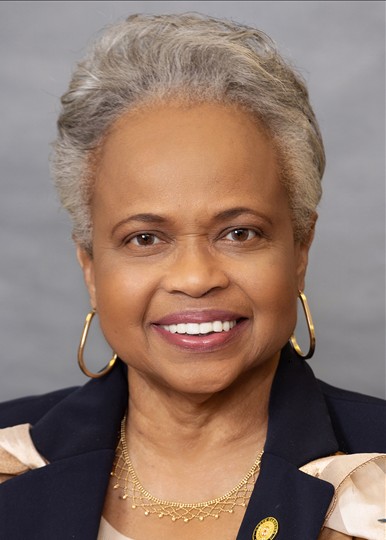
HB 1200, known as the Tax-Free Family Essentials Act, removes the state sales tax on specific items including diapers, baby wipes, over-the-counter children's medication, prenatal vitamins, and feminine hygiene products. The bill directly affects families purchasing these goods by exempting them from the tax, while also clarifying the legal definitions of these items to ensure consistent application. These tax exemptions will take effect on October 1, 2026, and apply to all sales occurring on or after that date.
This bill clarifies how North Carolina public schools must handle health screenings for students, specifically affecting parents and school districts. It requires schools to notify parents before administering vision, hearing, dental, or developmental screenings, while allowing schools to conduct these screenings without explicit consent as long as parents are informed of the results. Additionally, the legislation allocates $25,000 for a 2026-2027 campaign to increase awareness of student health options and addresses the need for clear communication regarding health services and student well-being.
This North Carolina bill directs the Department of Health and Human Services to create a three-tiered program for individuals waiting for the state's Innovations waiver. The proposed plan would offer three levels of financial assistance: a benefit capped at $25,000, one capped at $75,000, and a full waiver benefit, with the specific details to be determined through consultation with local managed care organizations and other stakeholders. To fund the initial development of this plan, the legislation appropriates $100,000 from the General Fund for the 2025-2026 fiscal year. Additionally, the bill requires a report on the final plan to be submitted to several legislative committees by December 1, 2026.
This bill proposes a constitutional amendment to North Carolina that would legally define human life as beginning at fertilization. If passed by voters in 2026, it would classify an unborn child as an individual person entitled to state protection from the moment of fertilization until natural death. The measure would also classify willful attempts to end a life at any stage as attempted murder or first-degree murder, while explicitly allowing individuals to use deadly force to defend their own lives or the lives of others. This change would fundamentally alter the state's legal framework regarding abortion and fetal rights by embedding these definitions directly into the constitution.
This bill allocates state funding to ensure that every public school in Edgecombe and Pitt Counties employs at least one full-time, permanent school nurse. Starting in the 2026-2027 fiscal year, the legislation provides specific recurring funds to the Department of Public Instruction for each county, with the money designated to supplement existing resources rather than replace them. The act takes effect on July 1, 2026, and applies only to public schools within these two specific counties.
This bill removes the requirement for Ambulatory Surgical Facilities and Inpatient Rehabilitation Services to obtain a Certificate of Need before opening or expanding in North Carolina. It directly affects healthcare providers operating these facilities by eliminating a regulatory approval step that previously required state permission for new construction or major expansions. The legislation also allocates funds to the Department of Health and Human Services to help phase out the remaining Certificate of Need laws in the state and updates legal definitions to exclude behavioral health facilities from these review processes.
This bill directs the North Carolina Department of Health and Human Services to use $500,000 in state funds to lower the portion of costs that counties must pay for the Special Assistance in-home program. Starting in the 2026-2027 fiscal year, the state will cover more of the expenses for this service, which supports individuals who need assistance at home. The change is designed to reduce the financial burden on local governments while maintaining the availability of the program. The legislation takes effect on July 1, 2026.
This bill reduces the amount low-income families must pay for state-subsidized child care in North Carolina starting in October 2026. It lowers the required parent contribution from 10% of gross family income to 7%, with specific adjustments for part-time and blended-rate care. To fund this reduction, the state will allocate $25 million from the General Fund to the Department of Health and Human Services beginning in the 2026-2027 fiscal year. The legislation takes effect on July 1, 2026, and applies to families currently participating in the child care subsidy program.
HB 1201 creates a temporary pilot program within the Department of Health and Human Services to place high-needs youth in safer, lower-level settings instead of overcrowded emergency rooms or social service offices. The bill authorizes the department to seek waivers that allow experienced providers to operate with simplified approval processes and introduces clinical exception pathways to reduce hesitation in admitting these youth. Additionally, the legislation mandates a study by October 1, 2026, to evaluate the pilot's success and recommend reforms on provider licensure, emergency admission flexibility, and youth reintegration outcomes. To fund these initiatives, the bill appropriates $100,000 from the General Fund for the 2026-2027 fiscal year.
This bill redirects $6.75 million in state funding from the Carolina Pregnancy Care Fellowship to evidence-based maternal and infant health programs administered by the Department of Health and Human Services. It requires crisis pregnancy centers receiving state funds to submit detailed annual reports on their finances, staffing, and client services, while also mandating that these centers provide free copies of client records upon request. The legislation defines crisis pregnancy centers as nonprofit organizations offering pregnancy care and counseling but excludes facilities that perform abortions. These changes are designed to increase transparency and shift financial support toward specific public health initiatives starting in the 2026-2027 fiscal year.