Issue · Budget & Taxes

Budget & Taxes

Every budget & taxes bill, vote, and legislator stance in North Carolina, automatically classified by Maddy, our AI policy reader.

Total bills
713
2025-2026 Session
Top supporter
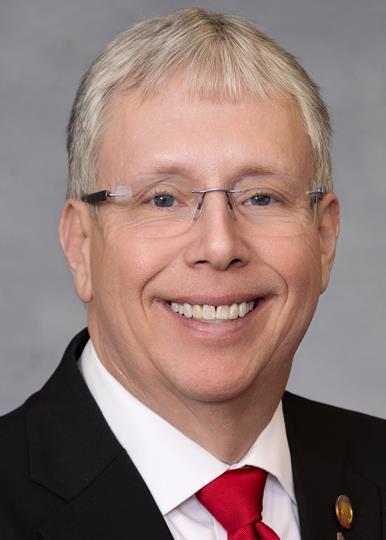
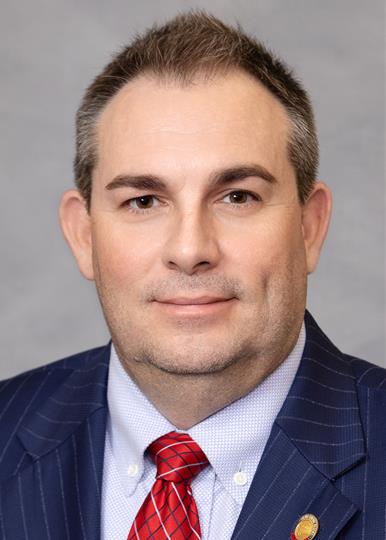
Mitchell Setzer
100% support rate
Top opponent
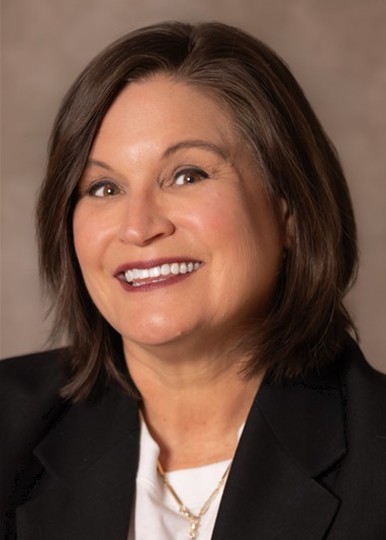
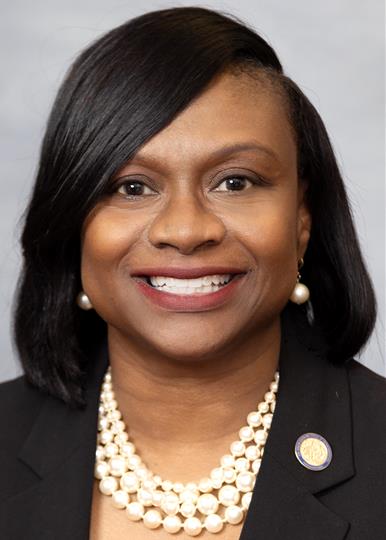
Amanda Cook
0% support rate
Ranked legislators
10
5 support · 5 oppose
Key legislators

Who's moving budget & taxes in North Carolina

Legislators moving budget & taxes in North Carolina
Legislator Party Stance Support rate Votes
Mitchell Setzer
Mitchell Setzer House · District 89
R
Strong +
100% 52
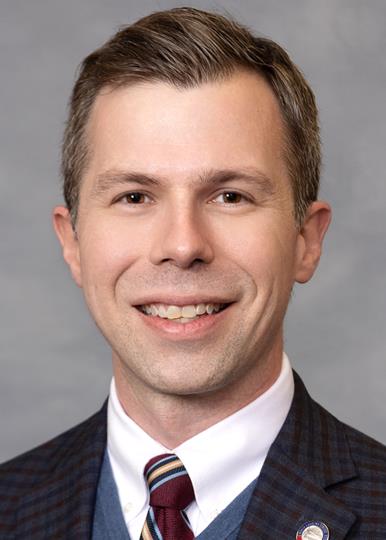
Grant Campbell
Grant Campbell House · District 83
R
Strong +
100% 50
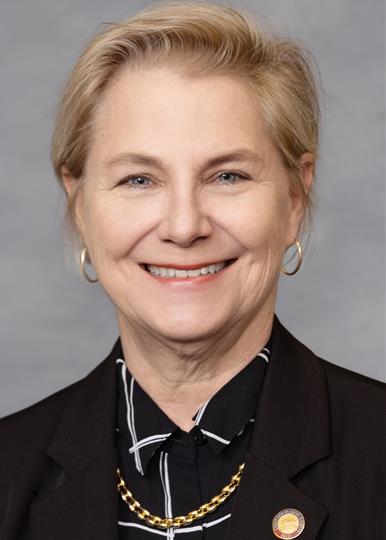
Anna Ferguson
Anna Ferguson House · District 119
R
Strong +
100% 20
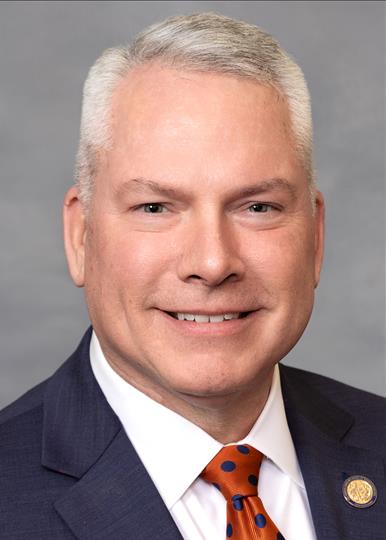
Tim Reeder
Tim Reeder House · District 9
R
Strong +
100% 51
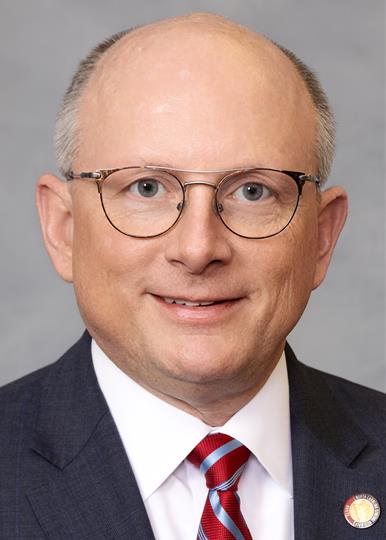
John Bell
John Bell House · District 10
R
Strong +
100% 50
Amanda Cook
Amanda Cook House · District 60
D
Strong −
0% 20
Monika Johnson-Hostler
Monika Johnson-Hostler House · District 33
D
Strong −
8% 52
Marcia Morey
Marcia Morey House · District 30
D
Strong −
8% 52
Phil Rubin
Phil Rubin House · District 40
D
Strong −
8% 51
Deb Butler
Deb Butler House · District 18
D
Strong −
8% 50
Showing 701–710 of 713 bills

All budget & taxes bills

signed · North Carolina · Senate Jun 22, 2026

SB 695: Incent Development Finance District Funding.

SB 695, titled "Incent Development Finance District Funding," was introduced in 2025 but withdrawn from committee on April 28, 2025, without advancing further. The bill's title suggests it aimed to establish incentives for funding Development Finance Districts (DFDs), which are designated areas where local governments use special tax mechanisms to finance public improvements. However, no specific policy provisions or affected entities are described in the provided context, as the bill was withdrawn before committee action. Since it did not pass committee or receive a full legislative vote, no concrete policy changes were enacted.
Sub-Topics Business Taxes Tax Incentives Tags Economic Development
died · North Carolina · House Jun 25, 2025

HB 348: Annexation of Present-Use Value Land/School Capacity.

HB 348 extends the period for carrying forward deferred property taxes on agricultural, horticultural, and forest land from three to six years. It creates local grant programs for counties and cities, using the excess tax funds generated by this change, to provide financial support to qualifying farmers for farm sustainability. The bill also requires cities to obtain county commission approval before annexing land classified under present-use value taxation. These provisions directly affect farmers who qualify for present-use value property taxation and local governments managing tax funds and annexation decisions.
died · North Carolina · House Jun 25, 2025

HB 14: Gambling Loss Tax Deduction, NC Sound Money Act.

HB 14 allows North Carolina taxpayers who itemize deductions to claim a state income tax deduction for gambling losses, aligning with federal tax treatment. It directly affects individual taxpayers who itemize deductions on their North Carolina state tax returns and have wagering losses exceeding winnings. The bill amends state tax code to explicitly permit deducting gambling losses under Section 165(d) of the federal tax code, subject to federal rules. This change takes effect for taxable years beginning January 1, 2024. The bill does not alter federal tax rules or affect taxpayers using the standard deduction.
Sub-Topics Income Tax
signed · North Carolina · House Jul 1, 2025

HB 378: Various Education Law/Tax Account/Name, Image, and Likeness Changes.

HB 378 requires North Carolina public schools to evaluate long-term technology costs - including repair expenses and resale value - when purchasing devices like computers and tablets. Schools must report annually on the "break/fix rate" (the percentage of devices malfunctioning or needing repair before their expected lifespan), total device counts, and repair costs to the State Board of Education. The State Board will compile these reports and provide an annual summary with recommendations to the legislature for reducing device repair rates. This bill directly affects all public school units, including charter schools, by adding these reporting requirements to existing education laws.
Sub-Topics Procurement
signed · North Carolina · House Jul 29, 2025

HB 402: Limit Rules With Substantial Financial Costs.

HB 402 requires North Carolina state agencies to assess the financial impact of proposed permanent rules. If a rule would cost affected individuals or businesses $20 million or more over five years, it must be approved by the General Assembly before taking effect. For rules with a $1 million or more annual cost impact, agencies must prepare a fiscal note for review by the Office of State Budget and Management. The bill also mandates a two-thirds vote by agency boards to adopt rules exceeding the $1 million cost threshold. This directly affects state agencies creating regulations and the businesses or residents who would bear the costs of those rules.
in committee · North Carolina · House Sep 23, 2025

HB 118: Disabled Veterans Tax Relief Bill.

HB 118 modifies North Carolina's property tax exemption for disabled veterans, replacing a flat $45,000 exclusion with a percentage-based system tied to the veteran's VA disability rating. It directly affects veterans with a 50% or higher service-connected disability rating (or surviving spouses under specific conditions), allowing them to exclude a portion of their home's appraised value from property taxes - equal to their disability percentage. For example, a veteran with a 70% disability rating would exclude 70% of their home's value from taxes. The bill takes effect for taxes due in 2025 and prohibits combining this relief with other property tax exemptions.
passed both · North Carolina · House Sep 22, 2025

HB 192: Defund Planned Parenthood and Cost Transparency.

The bill title "Defund Planned Parenthood and Cost Transparency" does not match the actual content of HB 192, which is focused on education funding. This bill raises teacher salaries for the 2025-2026 school year using a new salary schedule (e.g., $5,000 for 0 years experience, $6,823 for 25+ years) and reinstates education-based supplements for advanced degrees ($126-$253 monthly). It appropriates $1.597 billion for salary increases and $8 million for supplements, while directing the North Carolina Collaboratory to study a student-based funding system by February 2026. The bill directly affects public school teachers, instructional support staff, and school psychologists. The title appears to be incorrect based on the provided bill text.
in committee · North Carolina · House Mar 13, 2025

HB 386: Increase Vehicle Registration Fee/State Highway Patrol Pay.

HB 386 increases the annual vehicle registration fee for private passenger vehicles in North Carolina by $6.25, with the additional revenue directly funding salary raises for State Highway Patrol officers. Starting July 2025, this will support pay increases that raise starting salaries to $56,000 and top pay to $105,000 annually for experienced officers. The bill appropriates $40.4 million yearly from the General Fund to implement these salary changes. It affects all owners of private passenger vehicles registered in North Carolina.
signed · North Carolina · Senate Jul 7, 2026

SB 257: 2026 Appropriations Act.

SB 257, the 2025 Appropriations Act, allocates funding for North Carolina's state agencies, departments, and institutions for the 2025-2027 fiscal biennium. It provides budget authority from the General Fund, Highway Fund, and Highway Trust Fund to cover current operations, maintenance, and specific programs like those managed by the Department of Transportation. The bill also includes federal block grant funding for health and human services (DHHS) and other designated programs. This funding measure directly affects all state entities receiving these appropriations and becomes effective July 1, 2025.
signed · North Carolina · House Jun 3, 2026

HB 87: Educational Choice for Children Act (ECCA).

HB 87 (Educational Choice for Children Act) allows North Carolina to participate in a federal tax credit program that encourages donations to private scholarship organizations. The bill requires the State Education Assistance Authority to maintain and publish an annual list of qualifying scholarship groups operating in North Carolina, enabling donors to claim federal tax credits for contributions. These scholarships can cover elementary and secondary school costs, including homeschooling expenses, as permitted under federal law. The law becomes effective after 2026, with the Authority needing to establish necessary rules by July 2026 to comply with federal requirements.
Showing 701 to 710 of 713 bills