Issue · Budget & Taxes

Budget & Taxes

Every budget & taxes bill, vote, and legislator stance in North Carolina, automatically classified by Maddy, our AI policy reader.

Total bills
713
2025-2026 Session
Top supporter
Mitchell Setzer
100% support rate
Top opponent
Amanda Cook
0% support rate
Ranked legislators
10
5 support · 5 oppose
Key legislators

Who's moving budget & taxes in North Carolina

Legislators moving budget & taxes in North Carolina
Legislator Party Stance Support rate Votes
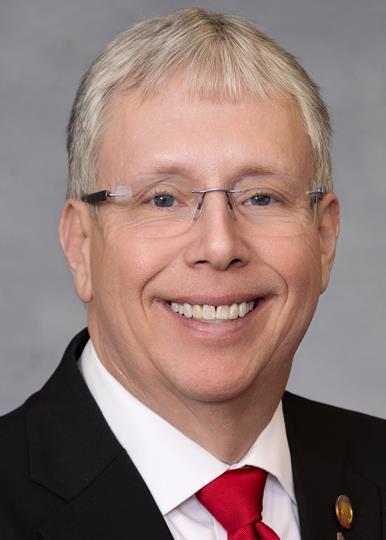
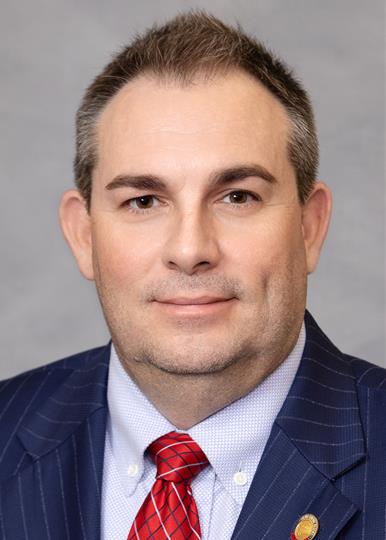
Mitchell Setzer
Mitchell Setzer House · District 89
R
Strong +
100% 52
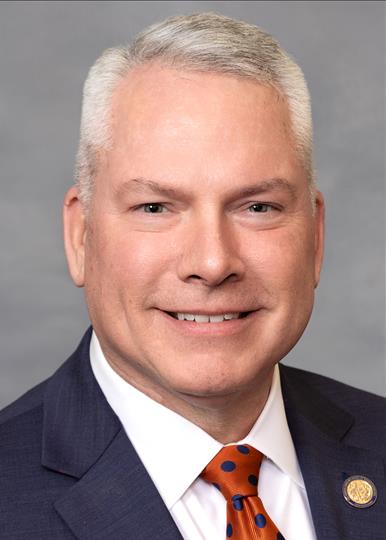
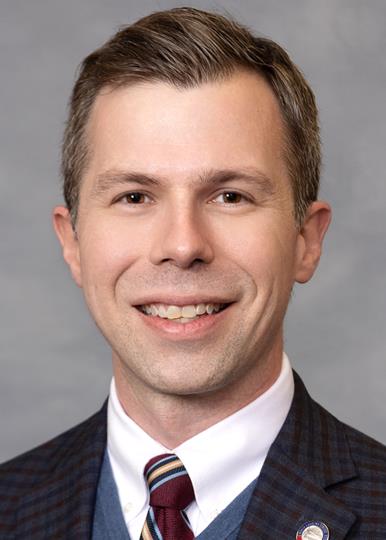
Grant Campbell
Grant Campbell House · District 83
R
Strong +
100% 50
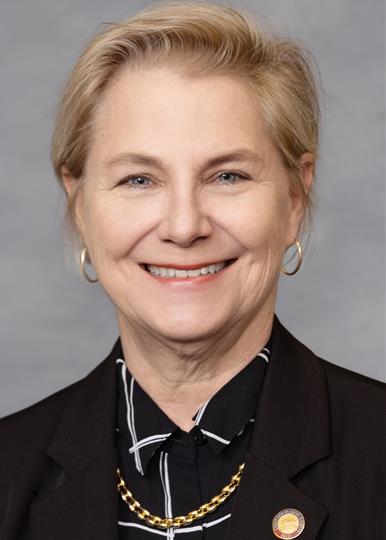
Anna Ferguson
Anna Ferguson House · District 119
R
Strong +
100% 20
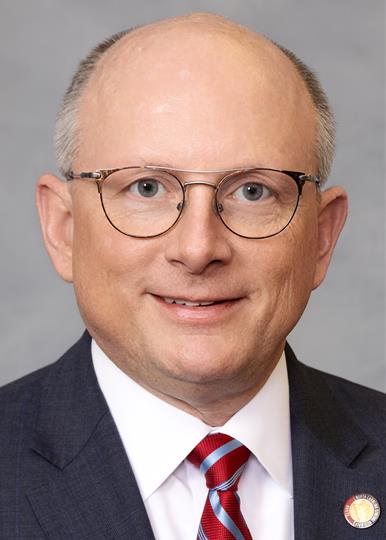
Tim Reeder
Tim Reeder House · District 9
R
Strong +
100% 51
John Bell
John Bell House · District 10
R
Strong +
100% 50
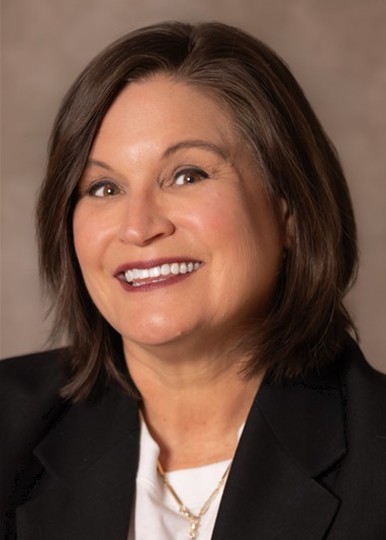
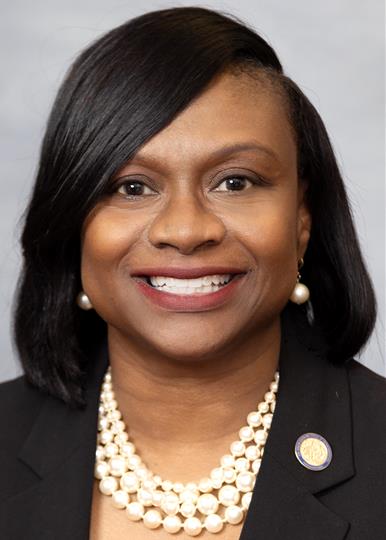
Amanda Cook
Amanda Cook House · District 60
D
Strong −
0% 20
Monika Johnson-Hostler
Monika Johnson-Hostler House · District 33
D
Strong −
8% 52
Marcia Morey
Marcia Morey House · District 30
D
Strong −
8% 52
Phil Rubin
Phil Rubin House · District 40
D
Strong −
8% 51
Deb Butler
Deb Butler House · District 18
D
Strong −
8% 50
Showing 691–700 of 713 bills

All budget & taxes bills

died · North Carolina · Senate Mar 10, 2025

SB 252: Funds for Pinetops Fire Department.

SB 252 allocates $150,000 annually from the state general fund to the Town of Pinetops specifically for fire department staffing costs. The funding, effective July 1, 2025, will be provided each year during the 2025-2027 fiscal biennium. This directed grant is intended to address the town's fire department staffing needs without requiring additional applications from Pinetops. The bill provides a concrete, recurring state funding source for this specific operational requirement.
passed · North Carolina · House Apr 28, 2025

HB 432: Property Tax Relief Study.

House Bill 432 aims to provide various forms of property tax relief to North Carolina homeowners. It increases the property tax exclusion amounts for qualifying elderly or disabled homeowners and expands the exclusion for disabled veterans, allowing more of their home's value to be exempt from taxation. The bill also establishes a new "Homeowner Advantage Property Tax Relief Program" designed to cap the annual increase in a permanent residence's taxable value, based on inflation and a cumulative limit. To qualify for this program, homeowners must have occupied their residence for at least two years. Additionally, the bill creates an "Elderly Property Tax Homestead Circuit Breaker Program" and exemptions from the forced sale of a homestead.
died · North Carolina · Senate Apr 28, 2025

SB 671: Helene Rev. Replace./Locals; Prop Tax Relief.

Senate Bill 671 establishes the Helene Local Government Revenue Replacement Grant Program, administered by the Department of Revenue. This program provides grants to local governments in western North Carolina that experienced revenue loss from property taxes, sales and use taxes, and water and sewer receipts due to Hurricane Helene. Eligible counties and municipalities, specifically those in FEMA-declared disaster areas, can apply for these grants to cover their qualified revenue losses, which can then be used for any public purpose. The bill also provides for interest relief on property taxes for property owners who sustained significant damage from Hurricane Helene, and appropriates $40 million for the grant program.
died · North Carolina · Senate Apr 28, 2025

SB 427: Property Tax Modifications.

SB 427 modifies North Carolina's property tax laws. It expands the types of personal property excluded from taxation to include certain business-related personal property valued at $20,000 or less, directly affecting businesses and individuals owning such assets. The bill also adjusts the rules and penalties for listing property for tax purposes. Additionally, it temporarily waives interest on underpaid property taxes for real and personal property located in specific "affected areas" for a period between January 7, 2025, and December 31, 2026.
Sub-Topics Property Tax
in committee · North Carolina · House Apr 30, 2025

HB 663: Living Donor Protection Act.

House Bill 663, known as the Living Donor Protection Act, aims to support individuals who donate organs or bone marrow. The bill prohibits insurance companies from discriminating against individuals solely based on their status as a living organ donor in various insurance policies. It also establishes a state income tax credit of up to $5,000 for unreimbursed expenses, such as lost wages and travel, incurred by living donors. Furthermore, the act provides state employees and state-supported personnel with up to 30 days of paid leave for organ donation and seven days for bone marrow donation.
passed · North Carolina · House May 5, 2025

HB 97: Support Firefighters Fighting Cancer.

HB 97 adds stomach cancer (gastric cancer) to the list of occupationally related cancers that qualify firefighters for "killed in the line of duty" benefits under North Carolina's Public Safety Employees' Death Benefits Act. This means firefighters who die from stomach cancer directly linked to their firefighting duties will automatically be eligible for death benefits, easing the process for families seeking compensation. The bill appropriates $500,000 annually from 2025-2027 to cover these benefits. It takes effect July 1, 2025, applying to qualifying deaths occurring on or after that date.
passed · North Carolina · Senate May 27, 2025

SB 131: Temp. Local Sales Tax Changes/Buncombe Co.

SB 131 authorizes Buncombe County to use existing local sales tax proceeds (allocated by the state) for any public purpose, removing prior restrictions on how these funds could be spent. It directly affects Buncombe County residents and local projects funded through these taxes. The bill allows the county to redirect funds toward any public need - such as infrastructure, parks, or services - without specific project limitations. This temporary measure applies to tax proceeds allocated on or after July 1, 2025, through June 30, 2027. The bill is pending legislative action and does not create new taxes or alter tax rates.
Sub-Topics Sales Tax
signed · North Carolina · House Jul 2, 2026

HB 332: Nash/Rocky Mount Occupancy Tax Changes.

HB 332 modifies Nash County's occupancy tax by allowing the county to add a 2% tax on top of the existing 3% tax for hotel/motel stays. This affects hotels, motels, and similar accommodations in Nash County (excluding nonprofits) and directs the new tax revenue to two entities: two-thirds to the Nash Tourism Development Authority for tourism promotion, and one-third to the City of Rocky Mount for approved tourism projects. The bill specifies that all funds must be spent exclusively on tourism-related activities like marketing, convention centers, or promoting travel within Nash County. It requires the county to first implement the base 3% tax before adding the additional 2% levy.
Sub-Topics Revenue
died · North Carolina · Senate Jun 12, 2025

SB 349: Property Tax Modifications.

SB 349 modifies North Carolina's property tax relief program for elderly or disabled homeowners. It changes the income eligibility limit for the homestead exclusion to automatically adjust annually based on Social Security cost-of-living adjustments (rounded to $100), while eliminating the requirement to pay deferred taxes under the property tax homestead circuit breaker. The bill directly affects qualifying homeowners aged 65+ or permanently disabled who own and occupy their primary residence, as it removes the deferred tax liability that previously accrued during eligibility. This change simplifies the program by ending the process where deferred taxes became due upon disqualifying events like property transfer or loss of residency.
Sub-Topics Property Tax
in committee · North Carolina · House Mar 13, 2025

HB 387: Eliminate Tax on Government Retirees.

HB 387 would exempt retirement income from North Carolina state income tax for retirees receiving payments from North Carolina state or local government retirement plans, or from federal government retirement plans (excluding certain federal plans covered elsewhere). The bill amends tax law to allow these retirees to deduct this income when calculating their taxable income, aligning with existing court rulings on the issue. This change would take effect for tax years beginning January 1, 2026.
Sub-Topics Income Tax
Showing 691 to 700 of 713 bills
Previous 1 69 70 71 72 Next