Issue · Education

Education

Every education bill, vote, and legislator stance in New Mexico, automatically classified by Maddy, our AI policy reader.

Total bills
167
119th Congress
Top supporter
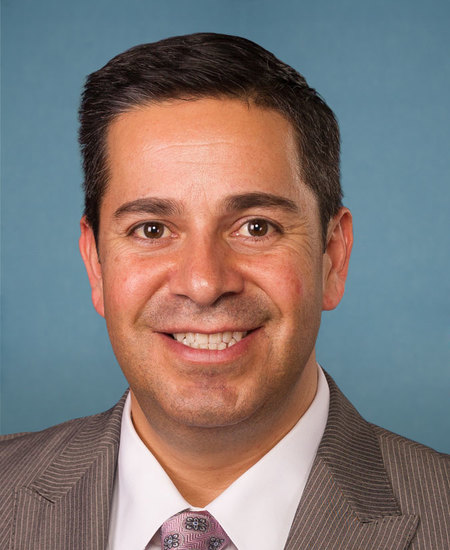
Ben Ray Luján
86% support rate
Top opponent
-
no data yet
Ranked legislators
5
5 support · 0 oppose
Key legislators

Who's moving education in New Mexico

Legislators moving education in New Mexico
Legislator Party Stance Support rate Votes
Ben Ray Luján
Ben Ray Luján Senate
D
Strong +
86% 168
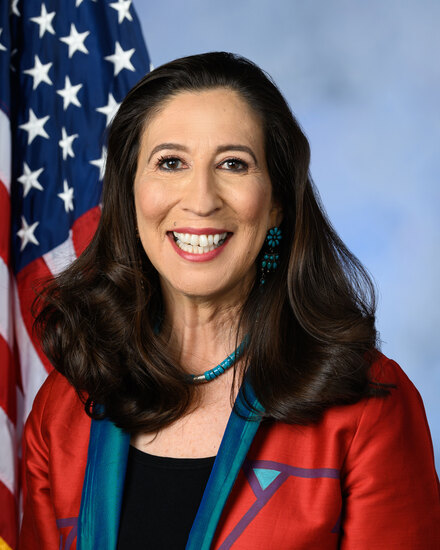
Teresa Leger Fernandez
Teresa Leger Fernandez House · District 3
D
Support
78% 125
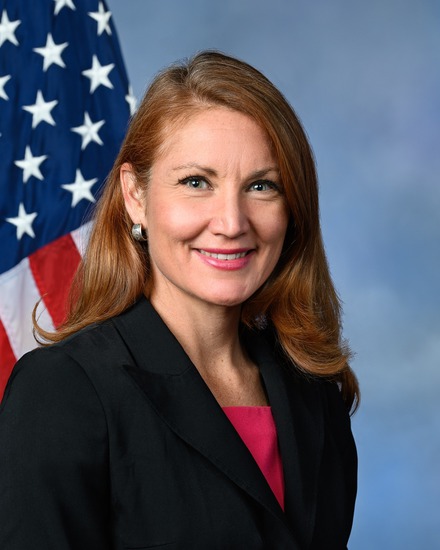
Melanie A. Stansbury
Melanie A. Stansbury House · District 1
D
Support
78% 126
Martin Heinrich
Martin Heinrich Senate
D
Support
71% 166
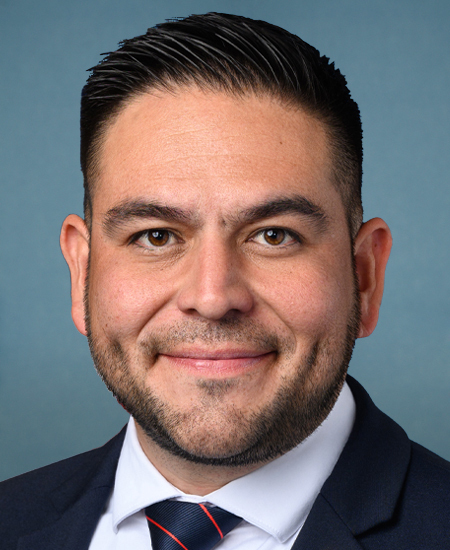
Gabe Vasquez
Gabe Vasquez House · District 2
D
Mixed
56% 129
Showing 1–10 of 167 bills

All education bills

in committee · United States · Senate Aug 6, 2026

S 5318: Summer Meals and Learning Act of 2026

The Summer Meals and Learning Act of 2026 authorizes the Department of Education to provide competitive grants to state library agencies, which then distribute subgrants to local school districts for summer early reading programs. These funds are specifically targeted at schools that operate summer meal sites and have a significant portion of their young students struggling with or at risk of falling behind in reading. The bill requires participating schools to offer at least six weeks of literacy activities and expanded learning opportunities, including access to the school library, while encouraging collaboration with community partners. Appropriations for this initiative are authorized at $5 million annually from fiscal years 2027 through 2031.
in committee · United States · Senate Aug 5, 2026

S 5248: Early Childhood Educator Professional Improvement Act of 2026

The Early Childhood Educator Professional Improvement Act of 2026 authorizes the Secretary of Health and Human Services to award five-year grants to states to enhance the qualifications, pay, and professional development of early childhood educators. To receive funding, states must submit a comprehensive plan that includes establishing educator standards, creating career progression pathways, and coordinating with higher education institutions to offer accessible degree programs. Grant funds are specifically designated for providing scholarships, supporting credential attainment, increasing compensation for educators pursuing degrees, and offering ongoing training in areas such as cultural competence and child development. The legislation requires that these federal funds supplement rather than replace existing state or local resources, and states must maintain their own financial commitment to early childhood education at a level equal to or greater than the previous year.
in committee · United States · Senate Aug 6, 2026

S 5299: Native Language Educators in Classrooms Act

The Native Language Educators in Classrooms Act amends the Head Start Act to create distinct staffing qualification standards for Indian Head Start and Indian Early Head Start programs, separating them from the requirements applied to other center-based programs. Under this bill, teachers and teaching assistants in these specific tribal programs are permitted to be hired if they hold a child development associate credential, an early childhood education certificate from a college or university (including Tribal institutions), or a state-issued certificate that meets minimum standards. Alternatively, staff members may be hired with proof of enrollment in an approved education program, provided they complete the necessary coursework and earn their credential within two years of starting employment.
Sub-Topics Early Childhood Higher Education Teachers Tags Tribal Nations
in committee · United States · Senate Aug 6, 2026

S 5296: Pathways to Health Careers Act

The Pathways to Health Careers Act establishes a federal grant program effective October 1, 2026, to train low-income individuals for careers in health professions such as nursing, emergency medical services, and allied health fields. The legislation allocates $435 million annually from fiscal years 2027 through 2031 to fund these initiatives, with specific requirements ensuring that at least two grants are awarded in each state and the District of Columbia, along with dedicated funding for tribal entities and U.S. territories. Key provisions mandate that grant recipients provide comprehensive support services, including adult basic education, childcare, transportation assistance, and cash stipends, while also requiring rigorous evaluations of demonstration projects focused on individuals with criminal records and maternal health career pathways.
in committee · United States · House Jul 27, 2026

HR 9973: Indigenous Students Excel through Parity Act of 2026 (II)

The Indigenous Students Excel through Parity Act of 2026 directs the Secretary of the Interior to update the funding formula for Bureau of Indian Education schools and tribally controlled schools by the end of 2027. This update requires matching teacher salaries to the highest quartile of state averages and includes specific adjustments for small rural schools and the Havasupai Elementary School. The bill also mandates that future federal budgets fully fund these programs, adjusting amounts annually for inflation and ensuring non-teacher staff receive pay increases equal to federal employees. Additionally, the Secretary must submit a report to Congress evaluating the current funding adequacy and offering recommendations for further improvements.
Sub-Topics K-12 Education School Funding Teachers Tags Tribal Nations
in committee · United States · House Jul 23, 2026

HR 9935: Indigenous Students Excel through Parity Act of 2026

The Indigenous Students Excel through Parity Act of 2026 directs the Secretary of the Interior to conduct two studies aimed at improving funding and resources for Bureau-funded and tribally controlled schools. The first study will evaluate the current Indian School Equalization Formula to ensure it provides salaries for teachers and staff that match the highest rates found in public schools or the Department of Defense, while also considering specific needs of small and rural schools. The second study will explore potential new revenue sources to help bring these schools into financial parity with other school systems. Both studies require the Secretary to consult with tribal organizations and submit a report to Congress with findings and recommendations on how to update the funding formula.
Sub-Topics School Funding Tags Tribal Nations
in committee · United States · Senate Jul 15, 2026

S 4988: Advanced Coursework Equity Act

The Advanced Coursework Equity Act creates a federal grant program to help under-resourced schools increase access to advanced classes like Advanced Placement and gifted programs for students from historically underrepresented groups. To achieve this, the bill requires schools to use objective testing methods, such as universal screening, rather than relying solely on teacher recommendations to determine which students qualify for these courses. Funding is distributed to states, local school districts, and nonprofit organizations to support training for educators, expand course capacity, and provide tutoring, with a specific focus on improving outcomes in science, technology, engineering, and mathematics. The legislation mandates that recipients set specific enrollment goals for different student subgroups and report their progress to the Department of Education, while also offering bonus payments to those who make the most significant improvements in equity.
Sub-Topics Teachers
in committee · United States · Senate Jul 14, 2026

S 4961: PATH Act

The Pre-Apprenticeships To Hardhats Act authorizes $20 million annually to fund grants for nonprofit partnerships that develop training programs preparing individuals for careers in the building and construction trades. These grants are awarded to groups that include employers, labor organizations, and educational institutions to create curricula aligned with industry standards and registered apprenticeship requirements. The program specifically targets underrepresented populations, such as racial minorities, women, veterans, and long-term unemployed individuals, by covering training costs and potentially providing stipends for work-based learning. To receive funding, applicants must demonstrate a partnership with an existing apprenticeship sponsor and show that the program leads to a high school diploma or equivalent for participants. The Department of Labor oversees the grants, which require annual curriculum reviews and independent evaluations to ensure participants successfully enter registered apprenticeship programs.
in committee · United States · Senate Jun 23, 2026

S 4859: Pell Grant Preservation and Expansion Act of 2026

The Pell Grant Preservation and Expansion Act of 2026 aims to increase financial aid for college students by doubling the maximum Federal Pell Grant award to $10,000 for the 2026-2027 school year, with amounts rising annually to reach $15,000 by 2031-2032. The bill also changes the funding structure so that Pell Grants become a mandatory program that automatically adjusts for inflation rather than relying on annual congressional appropriations. Additional provisions expand eligibility to include students with negative financial aid indexes, provide special rules for recipients of means-tested benefits, and allow Dreamer students who become citizens or permanent residents to qualify for aid. The legislation further restores the total number of semesters a student can receive Pell Grants from 12 to 18 and modifies how institutions determine satisfactory academic progress to reduce penalties for students struggling with course requirements.
in committee · United States · Senate Jun 22, 2026

S 4847: Summer for All Act

The Summer for All Act authorizes the Secretary of Health and Human Services to provide competitive grants to organizations and state agencies for creating affordable, high-quality summer programs for youth aged 5 to 22. These grants prioritize serving low-income, rural, and underserved populations, including English learners, students with disabilities, and those experiencing homelessness, by offering free programming that includes academic enrichment, health activities, and social support. The legislation allocates $4 billion over four years, with the majority of funds designated for direct community programs and a smaller portion for state-level planning to expand access and improve program quality. Recipients must use the funds to provide safe, supervised environments during the summer months and are required to submit annual reports detailing how the money was spent and how many youth were served.
Sub-Topics Homelessness
Showing 1 to 10 of 167 bills
1 2 3 17 Next