Issue · Budget & Taxes

Budget & Taxes

Every budget & taxes bill, vote, and legislator stance in Minnesota, automatically classified by Maddy, our AI policy reader.

Total bills
363
119th Congress
Top supporter
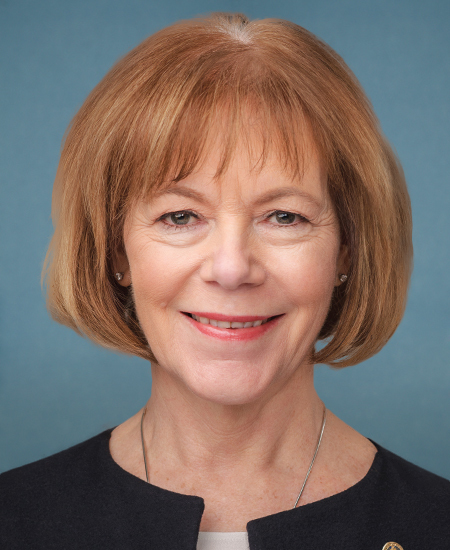
Tina Smith
83% support rate
Top opponent
Angie Craig
18% support rate
Ranked legislators
9
5 support · 4 oppose
Key legislators

Who's moving budget & taxes in Minnesota

Legislators moving budget & taxes in Minnesota
Legislator Party Stance Support rate Votes
Tina Smith
Tina Smith Senate
D
Strong +
83% 251
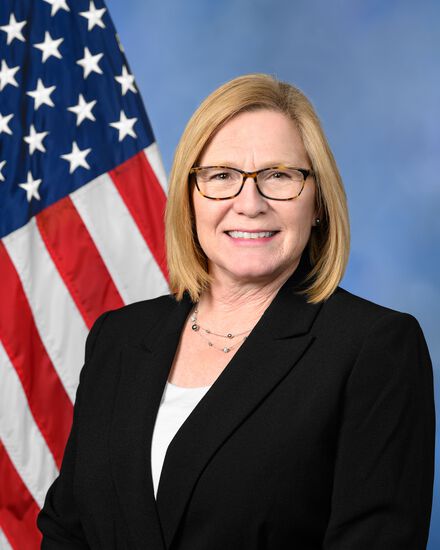
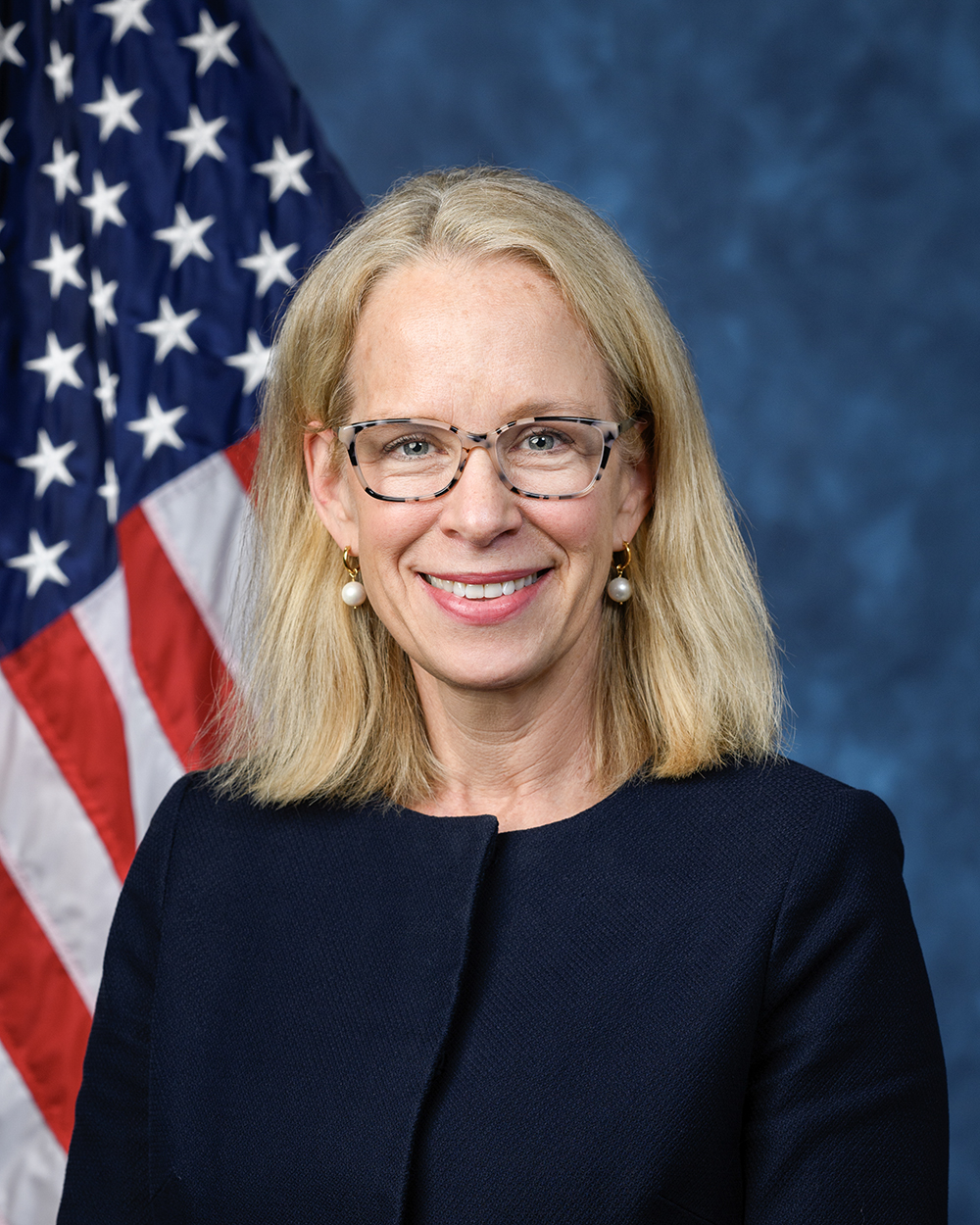
Michelle Fischbach
Michelle Fischbach House · District 7
R
Support
73% 186
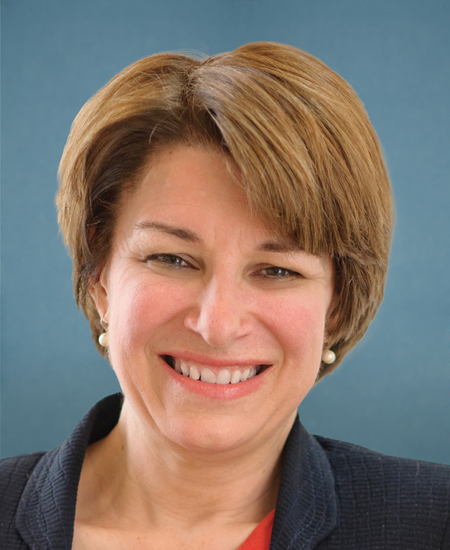
Amy Klobuchar
Amy Klobuchar Senate
D
Support
71% 271
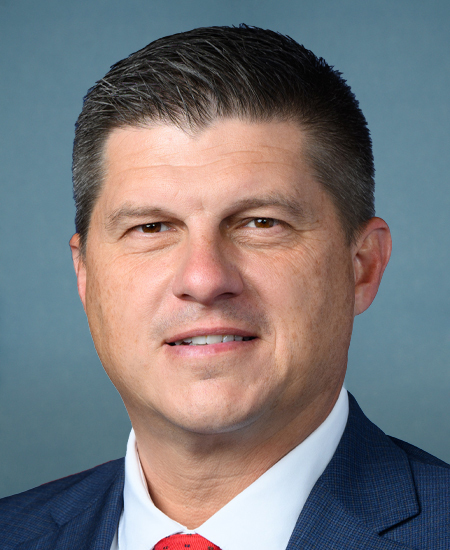
Brad Finstad
Brad Finstad House · District 1
R
Support
71% 184
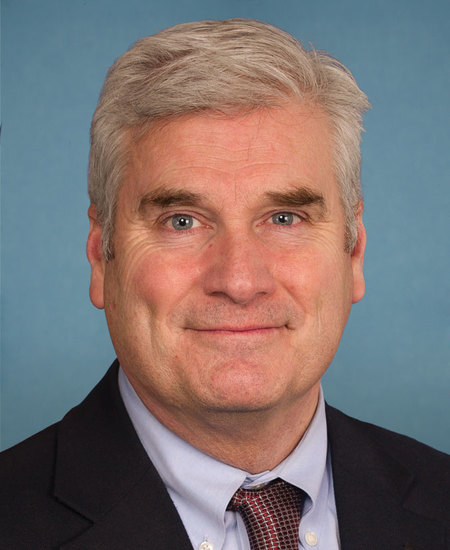
Tom Emmer
Tom Emmer House · District 6
R
Support
70% 181
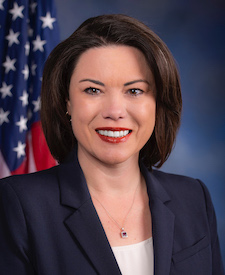
Angie Craig
Angie Craig House · District 2
D
Strong −
18% 186
Kelly Morrison
Kelly Morrison House · District 3
D
Strong −
20% 185
Ilhan Omar
Ilhan Omar House · District 5
D
Oppose
21% 183
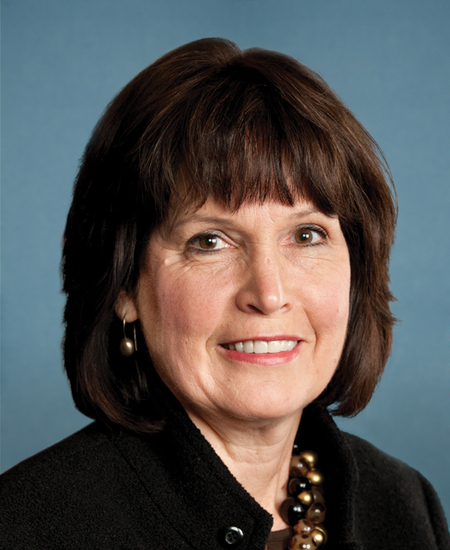
Betty McCollum
Betty McCollum House · District 4
D
Oppose
21% 185
Showing 1–10 of 363 bills

All budget & taxes bills

in committee · United States · House Sep 10, 2026

HR 10330: Higher Education Oversight for Nonprofits Ensuring Standards and Transparency Act

This bill establishes new procedural safeguards for the Internal Revenue Service when conducting tax inquiries or examinations of universities, requiring high-level Treasury approval based on reasonable belief that a university may not qualify for tax-exempt status. It mandates that the IRS provide written notice to the institution before beginning an inquiry and at least 15 days before starting a formal examination, offering the university the opportunity to hold a conference to discuss concerns. The legislation imposes strict time limits, requiring inquiries to be completed within 90 days and examinations within two years, while also restricting the ability to re-examine a university for five years if no significant tax issues are found. Additionally, it requires the Secretary of the Treasury to submit confidential reports to congressional committees detailing any new university tax investigations.
in committee · United States · House Sep 3, 2026

HR 10256: Taxpayer Relief from Big Oil Act

The Taxpayer Relief from Big Oil Act would eliminate existing royalty relief programs for oil and gas companies operating in the Gulf of Mexico and Alaska, requiring these firms to pay full royalties on their production. The bill also mandates that the Department of Interior establish standardized transportation cost deductions for calculating royalties on federal lands and offshore waters, capping these deductions at either 30 percent of the total value of production or actual reasonable costs, whichever is lower. Additionally, the legislation requires the Bureau of Land Management and the Bureau of Ocean Energy Management to submit annual reports to Congress detailing the number of royalty relief applications processed, approved wells, and estimated impacts on government revenue.
in committee · United States · House Aug 27, 2026

HR 10151: Water Authority Cybersecurity Protection Act

The Water Authority Cybersecurity Protection Act extends the Drinking Water Infrastructure Risk and Resilience Program through fiscal years 2028 and 2029, replacing the previous expiration dates of 2020 and 2021. The bill doubles the authorized funding for technical assistance to $10 million and for grants to small water systems to $20 million. Additionally, it increases the total annual authorization of appropriations for the program from $25 million to $50 million. These changes directly affect public water utilities by providing continued financial support for cybersecurity improvements and risk management.
in committee · United States · Senate Aug 3, 2026

S 5213: SMASH 2.0 Act

The SMASH 2.0 Act reauthorizes and updates the federal Mosquito Abatement for Safety and Health program, which provides funding to state and local health departments to control mosquito populations. Key provisions allow the use of innovative technologies for prevention, allocate funds for technical training and education for public health workers, and increase the program's funding level to $100 million annually for fiscal years 2027 through 2031. Additionally, the bill requires the creation of a strategic plan to stockpile emergency supplies for controlling vector-borne diseases and establishes a mechanism for coordination with the Strategic National Stockpile. These changes aim to enhance the capacity of health agencies to manage mosquito-related health risks through better planning, training, and resource availability.
Sub-Topics Public Health
in committee · United States · Senate Jul 30, 2026

S 5185: Audit the Pentagon Act

The Audit the Pentagon Act requires the Department of Defense to reduce its funding by 2 percent if it fails to receive a clean financial audit for a given year. This penalty applies to all departments, agencies, and elements within the Pentagon starting after fiscal year 2024. The withheld money is distributed proportionally across various programs and projects, while the remaining funds are sent to the Treasury to help reduce the national deficit.
in committee · United States · House Jun 30, 2026

HR 9540: Community Housing Act of 2026

The Community Housing Act of 2026 aims to increase the supply and affordability of housing by directing significant new federal funding to programs like the Housing Trust Fund and the Capital Magnet Fund. It establishes a new Office of Community Land Use and Zoning within HUD to help states and localities reform restrictive zoning laws that limit housing development. The bill also expands financial support for rural areas, creates a new fund to promote shared equity and community land trusts, and removes a legal cap on the number of public housing units agencies can manage. Additionally, it provides grants to protect tenants from eviction and authorizes low-cost financing options for affordable housing projects.
in committee · United States · Senate Jul 16, 2026

S 5022: Cannabis Administration and Opportunity Act

The Cannabis Administration and Opportunity Act fundamentally changes federal law by removing marijuana from the Controlled Substances Act, effectively decriminalizing it at the federal level and allowing states to regulate their own cannabis markets without federal interference. To manage this new landscape, the bill creates a new federal agency called the Alcohol, Tobacco, and Cannabis Tax and Trade Bureau to oversee licensing, collect taxes, and prevent illicit trade, while also establishing a new Center for Cannabis Products within the FDA to regulate safety and labeling. The legislation includes significant restorative justice measures, such as automatically expunging federal cannabis convictions and prohibiting discrimination against individuals with such records in areas like immigration, security clearances, and access to federal benefits. Additionally, the bill provides billions of dollars in funding to support research into the health effects of cannabis, expand access to financial services for legitimate cannabis businesses, and assist communities and individuals harmed by past prohibition enforcement.
in committee · United States · Senate Jul 16, 2026

S 5019: Disclosure of Tax Havens and Offshoring Act

The Disclosure of Tax Havens and Offshoring Act requires large multinational companies to publicly report their financial performance in every country where they operate. Specifically, it mandates that these firms submit detailed reports to the Securities and Exchange Commission showing revenues, profits, taxes paid, and employee counts for each jurisdiction. The law also requires this data to be provided in a machine-readable format and made available online for public access. Companies must follow specific rules for defining which entities and locations are included in these reports, with the Commission expected to issue final regulations within a year of the bill's enactment.
in committee · United States · House Jul 15, 2026

HR 9702: Medicare-X Choice Act of 2026

The Medicare-X Choice Act of 2026 creates a new public health plan called the Medicare Exchange health plan, which would be available to individuals and small groups starting in 2028. The bill establishes two dedicated funds to finance the plan's creation and technology updates, appropriating $1 billion each for fiscal year 2027. Under the plan, the government would set premiums to cover full costs, and reimbursement rates for doctors and hospitals would generally match current Medicare rates, with potential increases for rural areas. The legislation also requires health care providers who participate in traditional Medicare to also accept patients in this new plan, while prohibiting insurers from placing additional restrictions on enrollees. Additionally, the bill expands tax credits for people buying insurance, fixes the "family glitch" that currently limits subsidy eligibility for some workers, and authorizes the government to negotiate prices for prescription drugs.
in committee · United States · Senate Feb 9, 2026

S 2544: GUARD Act

The GUARD Act allows state, local, and tribal law enforcement agencies to use existing federal grant funds to investigate elder financial fraud (targeting elderly or disabled individuals), "pig butchering" scams (where victims are tricked into investing in fake crypto schemes), and general financial fraud. It requires agencies to hire specialized staff, use technology tools for tracking scams, and report annually on how funds were used and their impact on fraud statistics. The bill also mandates two key federal reports: one to Congress on scam trends and enforcement actions, and another detailing annual consumer losses and government spending on fraud prevention. These provisions aim to improve coordination between law enforcement, financial institutions, and federal agencies to combat evolving fraud schemes.
Sub-Topics Law Enforcement
Showing 1 to 10 of 363 bills
1 2 3 37 Next