

2025-2026 Regular Session · Adjourned
Minnesota Legislature
Follow 10,590 active bills, 201 legislators, and every floor vote of 2025-2026 Regular Session.
Adjourned
Bills filed
10,590
this session
Bills passed
281
3% pass rate
Legislators
201
67 Senate · 134 House
Committees
45
active bodies
Loading map...
2026 general election in Minnesota
See who is on the ballot this cycle: incumbents, challengers, and the races shaping Minnesota's next legislature.
Want to keep track of what matters to you?
Follow bills and legislators: we'll keep you updated as things change.
Recent legislative activity
SF 4171: Vacating tenants submetered utility service final billing provision and payment of rent by tenants provisions modifications
HF 4052: Various provisions governing telephone company regulation, facilities and property, pricing plans, service classification, and reporting requirements.
HF 4224: Notice requirements for water discharges modified.
HF 4118: Credit unions authorized to obtain insurance from a credit union share insurance provider, credit union share guaranty corporations regulated, and conforming changes made.
Ask Maddy
·
AI policy assistant
Bills, votes, and legislation, in plain English.
Ask about any Minnesota or federal bill. Maddy reads the full text and answers with cited sources.
Scope: MN
I'm Maddy, your AI guide to Minnesota legislation. I can explain bills in plain English, look up voting records, or surface bills on topics you care about. What would you like to know?
Try one of these
i
Maddy answers using official bill text and legislative records. Always verify before sharing.
Sources cited inlineRecently passed
Bills that made it through
HF 2484: Bonding bill; spending authorized to acquire and better land and buildings and for other improvements of a capital nature, new programs established and existing programs modified, report required, prior appropriations modified and canceled, and money appropriated.
HF 2484 establishes the "Mary C. Murphy Library Construction Grants Program" to fund library improvements in Minnesota. It appropriates $1 million from state bond proceeds for grants covering up to $450,000 for accessibility upgrades in existing buildings or up to $1 million for renovations/new construction of library facilities. Public libraries (including city, county, and regional systems) must provide matching local funds and adopt policies prohibiting pornographic internet use to qualify. The commissioner of education administers the program, prioritizing projects based on collaboration, tax burden, feasibility, and need.
HF 4492: Read Act modified, early literacy field experiences required for teacher candidates, high school diploma established for veterans, and rulemaking required.
This bill creates a permanent Commanders Task Force to advise Minnesota's governor, legislature, and Department of Veterans Affairs on issues affecting veterans and their families. The task force will be made up of elected leaders from eight specific veteran service organizations operating in Minnesota, including the American Legion, VFW, and Disabled American Veterans. Members will meet regularly, elect their own leadership, and serve as a communication bridge between state government and veteran organizations without receiving state compensation. The group will focus on providing recommendations related to veterans' services and the Department of Veterans Affairs.
HF 4591: State government policy and finance bill.
This bill modifies eligibility requirements for noncommercial radio stations to receive state grants in Minnesota and provides a one-time appropriation of $165,000 for fiscal year 2027. The legislation updates staffing requirements from two full-time employees to 1.5 full-time or equivalent part-time staff, adjusts minimum daily broadcasting hours based on the station's year of eligibility, and clarifies that stations with primarily religious or in-school programming do not qualify. The funds will be distributed through the Association of Minnesota Public Educational Radio Stations to support member stations with resources, software, training, and assistance for consolidating expenses.
SF 334: Human Services Systems Modernization Advisory Council and Legislative Commission on Human Services Systems; creation
This bill modifies deadlines for professional development training related to Minnesota's Read Act. It requires school districts to provide evidence-based training to specific educators by July 1, 2026 (including K-3 classroom teachers and reading intervention staff) and by July 1, 2027 (for grades 4-12 reading teachers). The bill also allows districts to reduce elementary students' instructional hours by 5.5 hours during the 2024-2025 and 2025-2026 school years if teachers receive required training on days when other students are learning. This change applies to all public and charter schools meeting the training agreement requirements.
SF 2077: Omnibus Outdoor Heritage Fund, Legacy and Lands bill
SF 2077 is an appropriations bill that allocates over $151 million for Minnesota's Environment and Natural Resources programs in fiscal year 2026, with similar funding for 2027. It funds the Pollution Control Agency for water quality monitoring, air pollution programs, and hazardous chemical oversight, including $1.2 million annually for air monitoring and $144,000 for water quality programs. The bill also establishes a stewardship program for electronic waste (circuit boards, batteries) and prohibits mercury in batteries, while modifying fee structures and permitting processes. These funds directly support state environmental agencies, local municipalities managing water infrastructure, and businesses handling electronic products. The bill does not create new regulations but provides budget authority for existing environmental programs and specific policy adjustments.
Topics
✓ Budget & TaxesSupports Budget & TaxesAllocates $151M for environmental programs including water/air monitoring and e-waste stewardship, directly funding state budget priorities per appropriations language.
✓ EnvironmentSupports EnvironmentAllocates $151M for pollution control, water/air monitoring, and e-waste stewardship, directly funding environmental protection programs per bill summary.
State Leadership
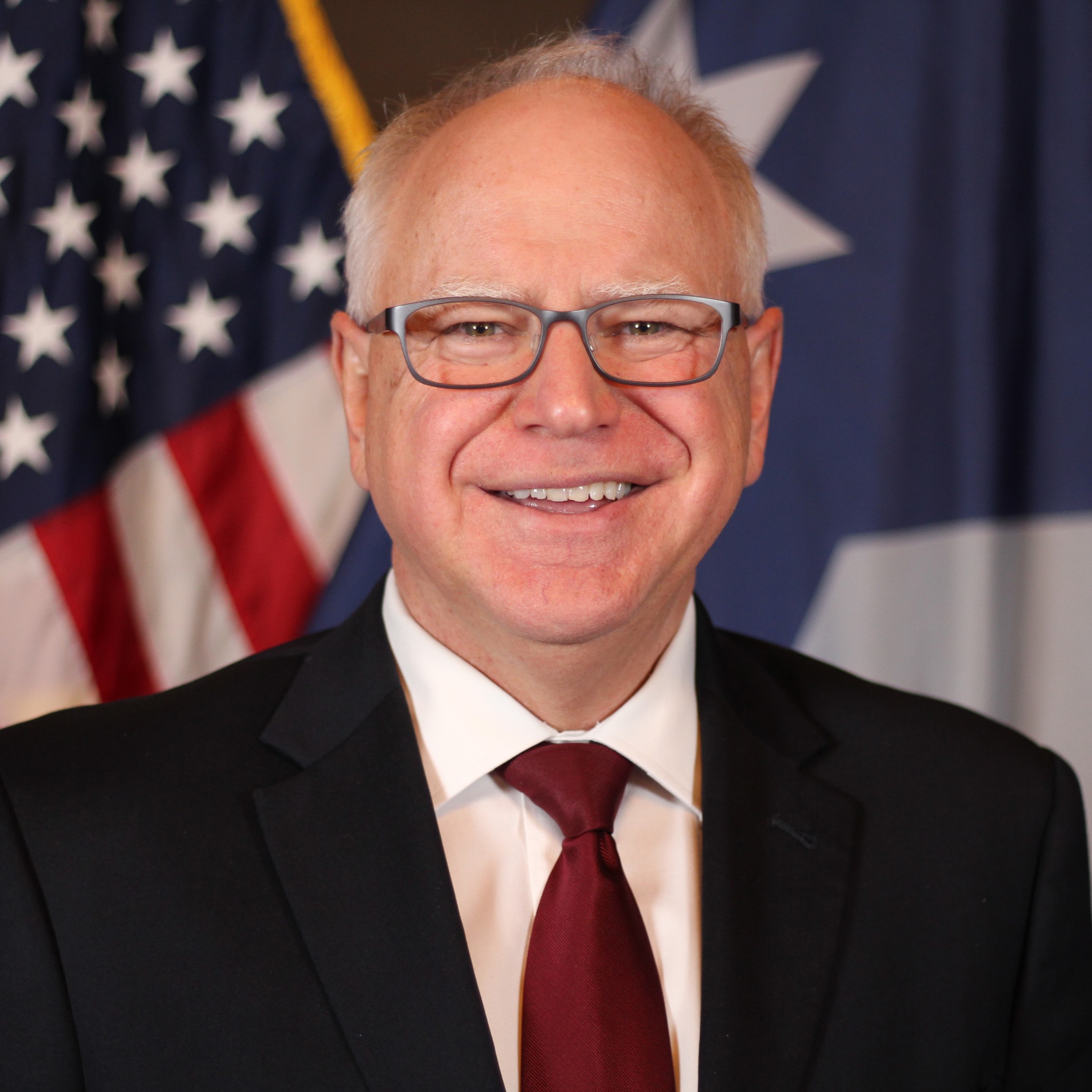
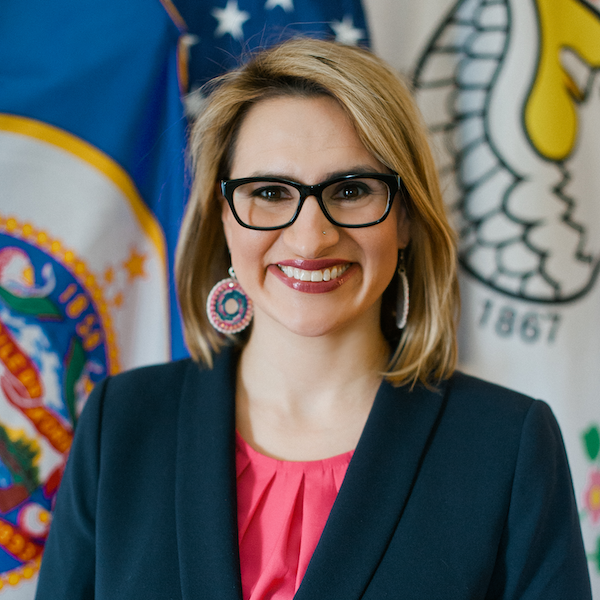
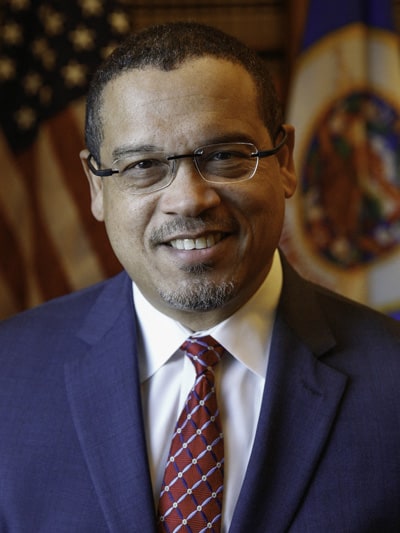
Legislative Leadership
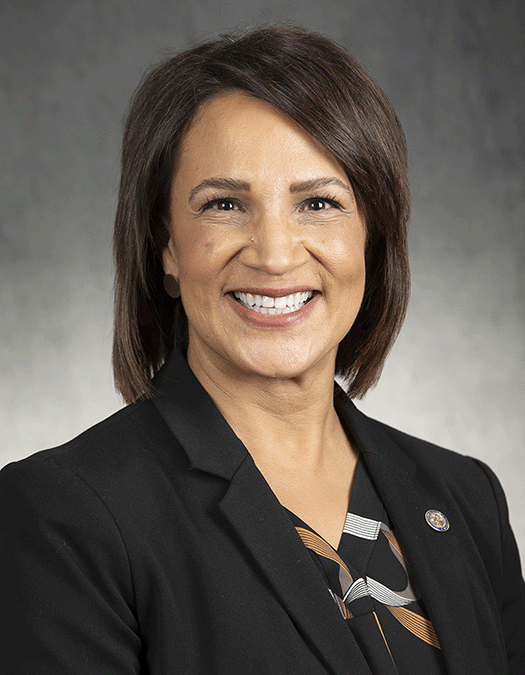
Lisa Demuth
Speaker Of The House
·House
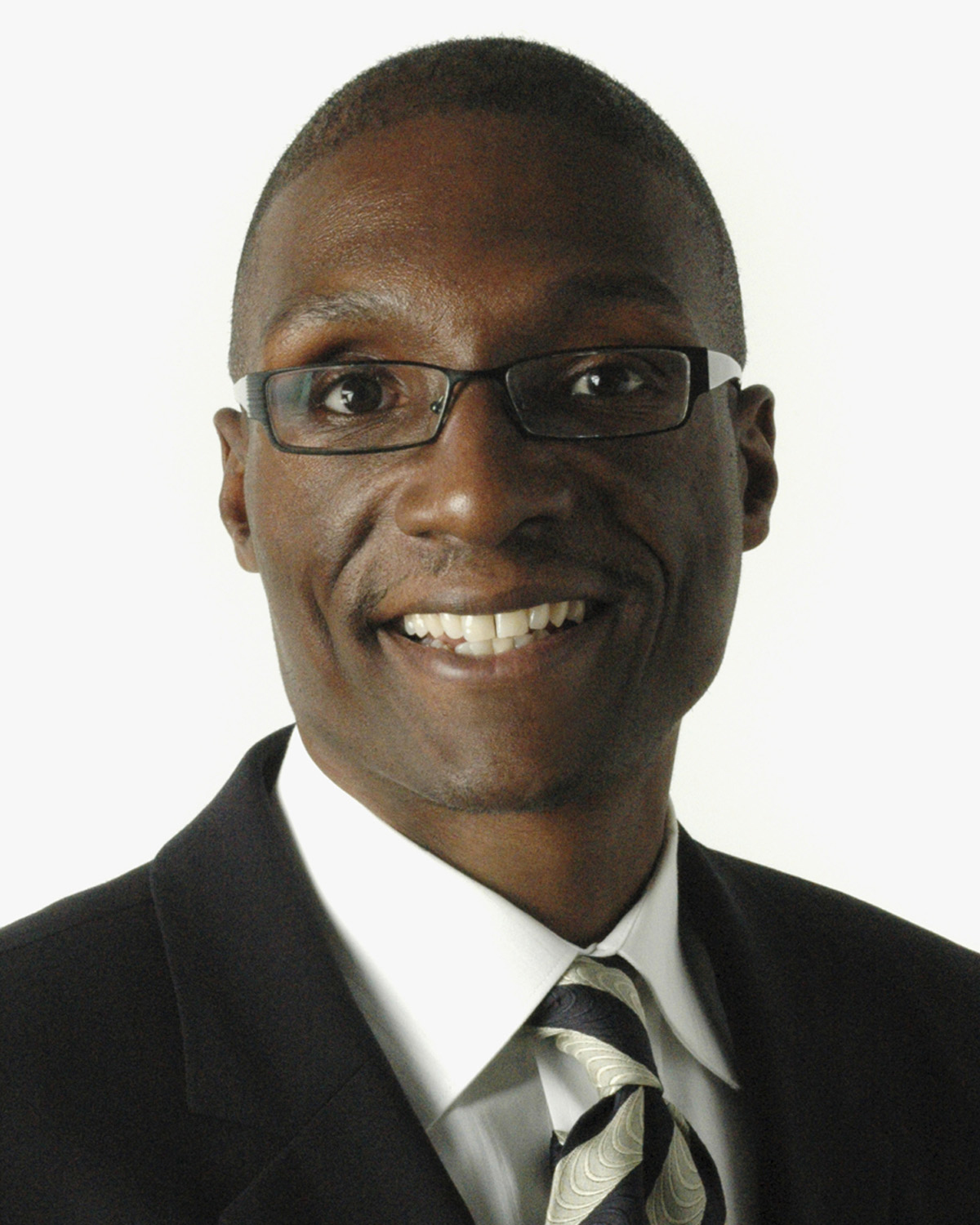
Bobby Joe Champion
Senate President
·Senate
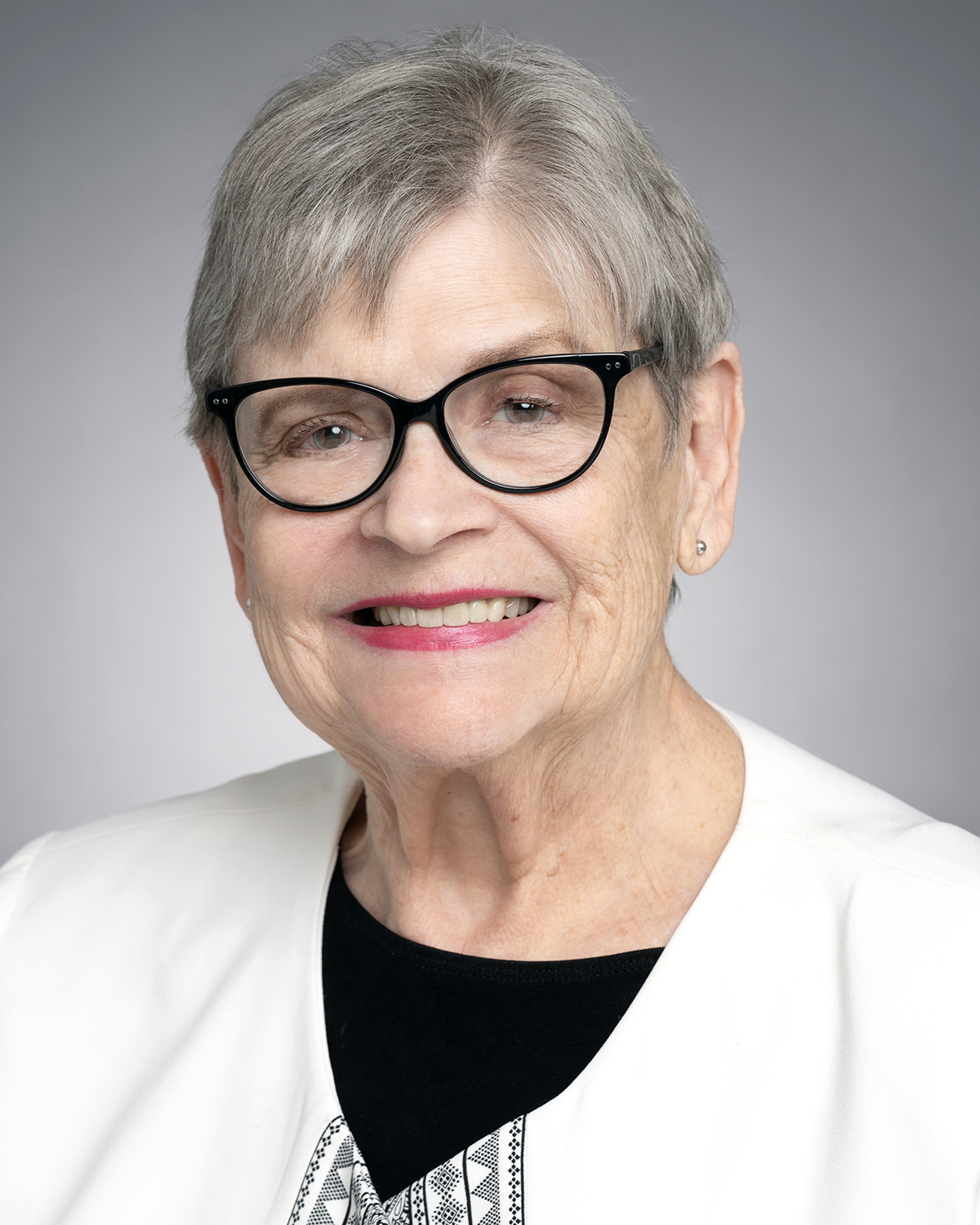
Ann Rest
Senate President Pro Tempore
·Senate
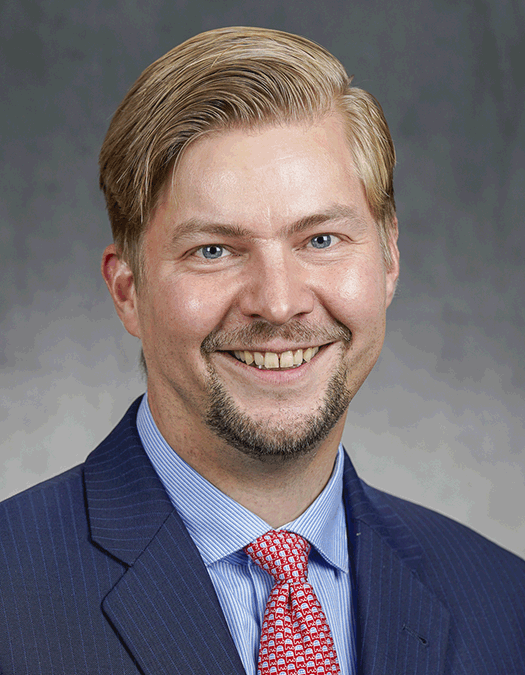
Harry Niska
House Majority Leader
·House
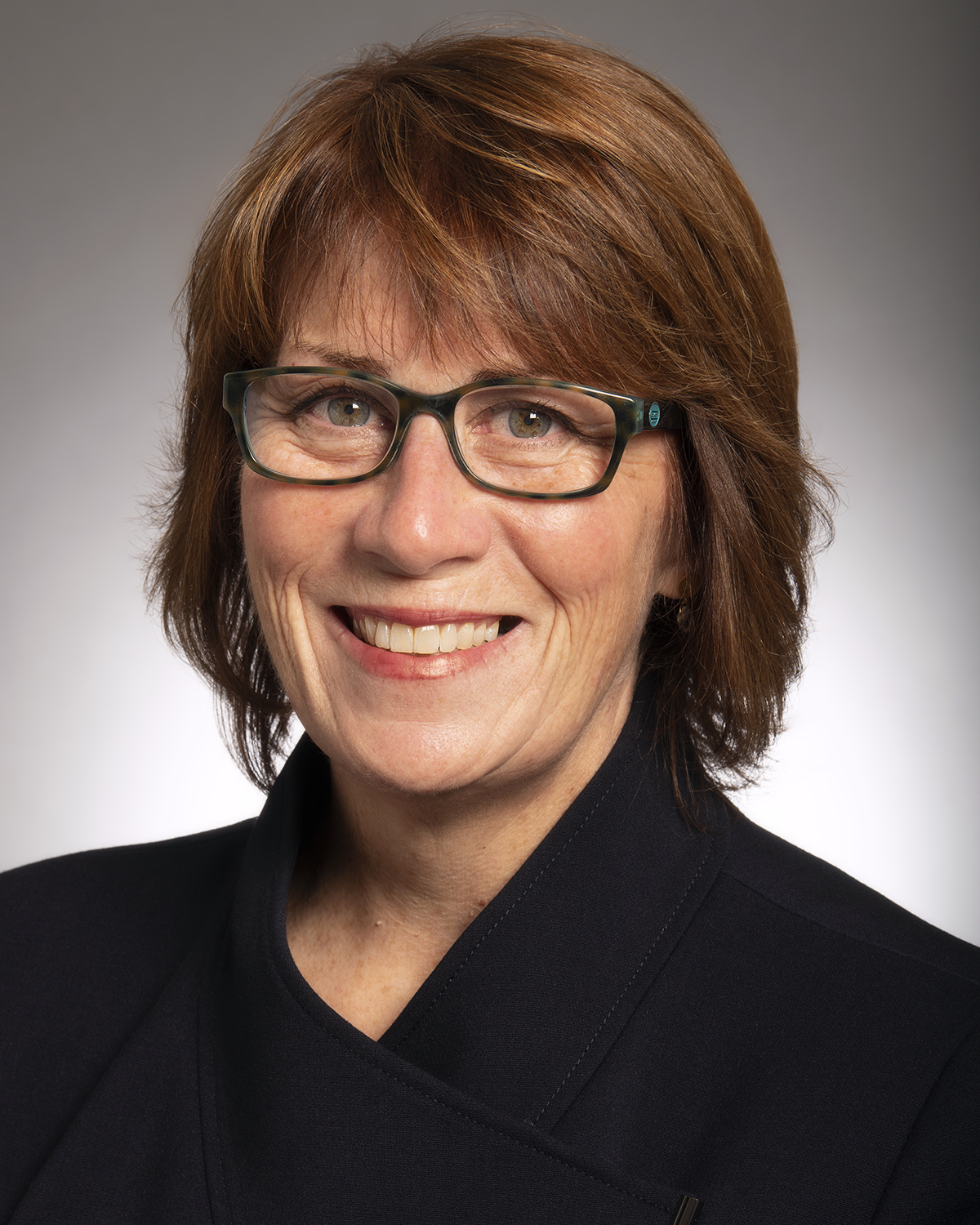
Erin Murphy
Senate Majority Leader
·Senate
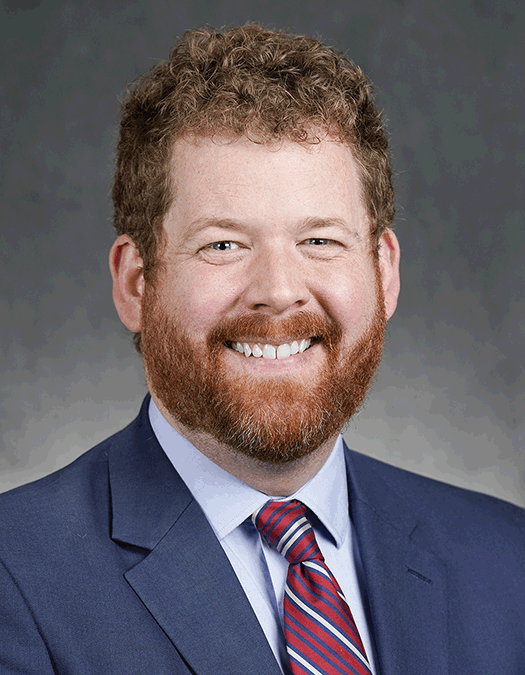
Zack Stephenson
House Minority Leader
·House
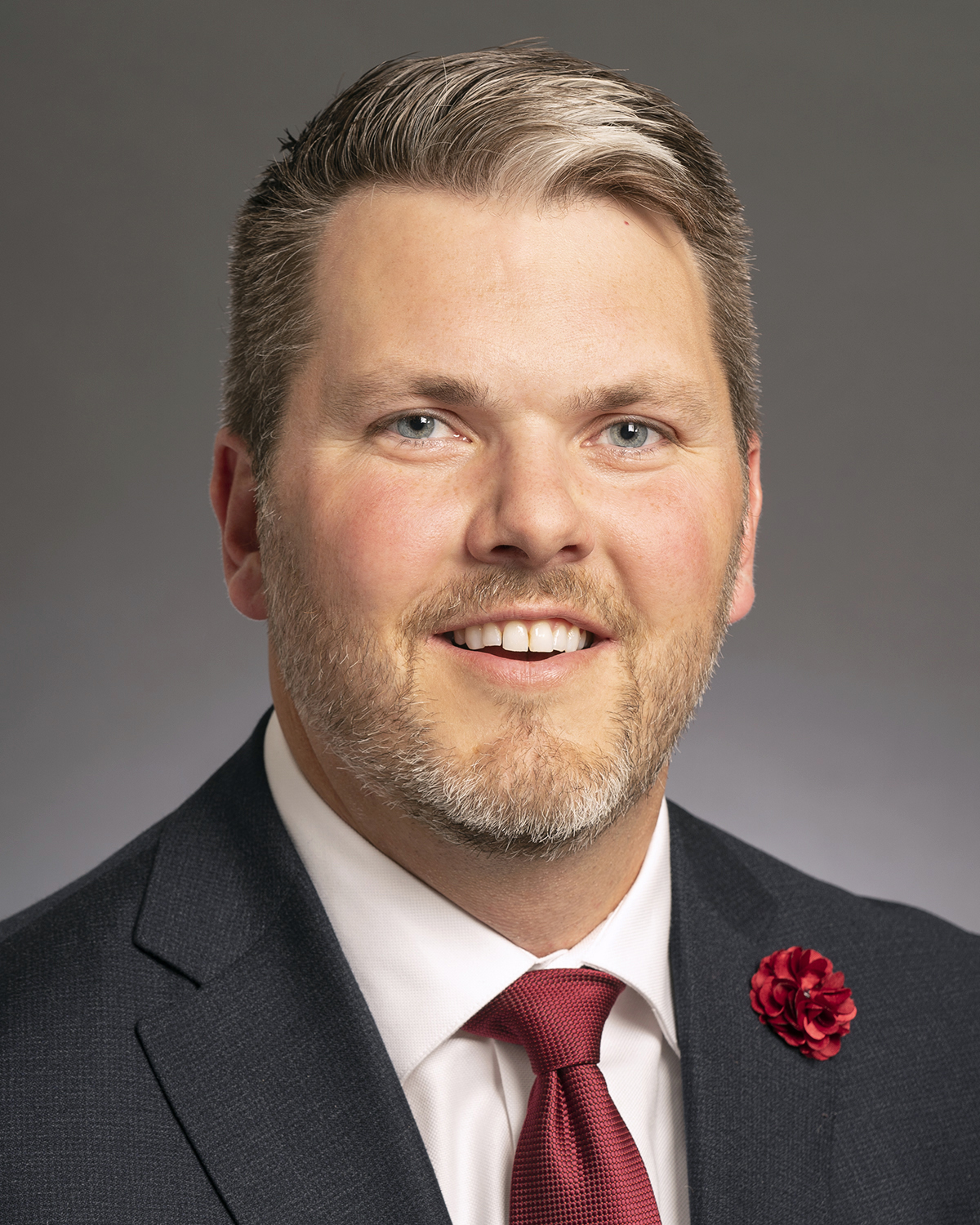
Mark Johnson
Senate Minority Leader
·Senate
Legislative session
2025-2026 Regular Session
Adjourned
Convened
Jan 14, 2025
Tuesday
Duration
491days
session ended
Adjourns
May 20, 2026
Wednesday
Chamber control
Split Legislature
Split Legislature
Governor
D
Senate
D34–33
House
R67–67
The two chambers are controlled by different parties. Bills typically need cross-party support to advance.Senate
D maj.34 – 33
0
34 for majority
67
House
R maj.67 – 67
0
68 for majority
134
Bills this session
Passage rate
281 of 10,590 introduced bills have passed at least one chamber.
2.7%
Leaders by Topic
Bipartisan Leaders
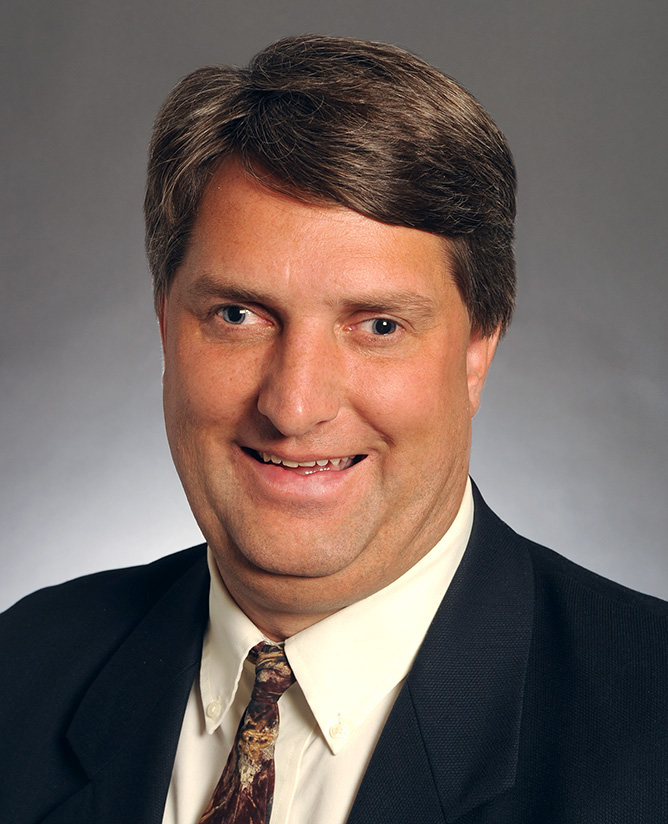 TW
TWTorrey Westrom
District 12
14%
R
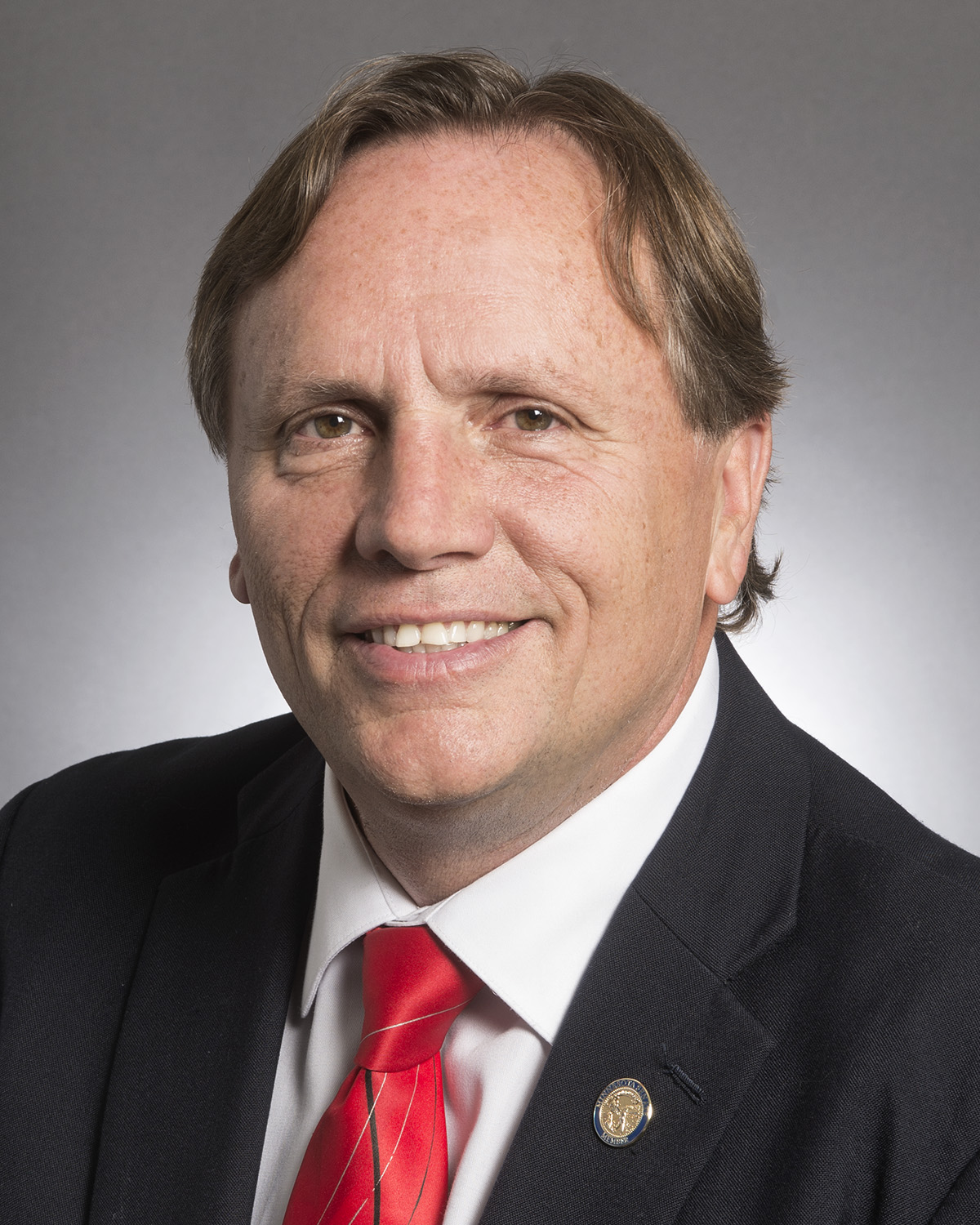 JA
JAJim Abeler
District 35
13%
R
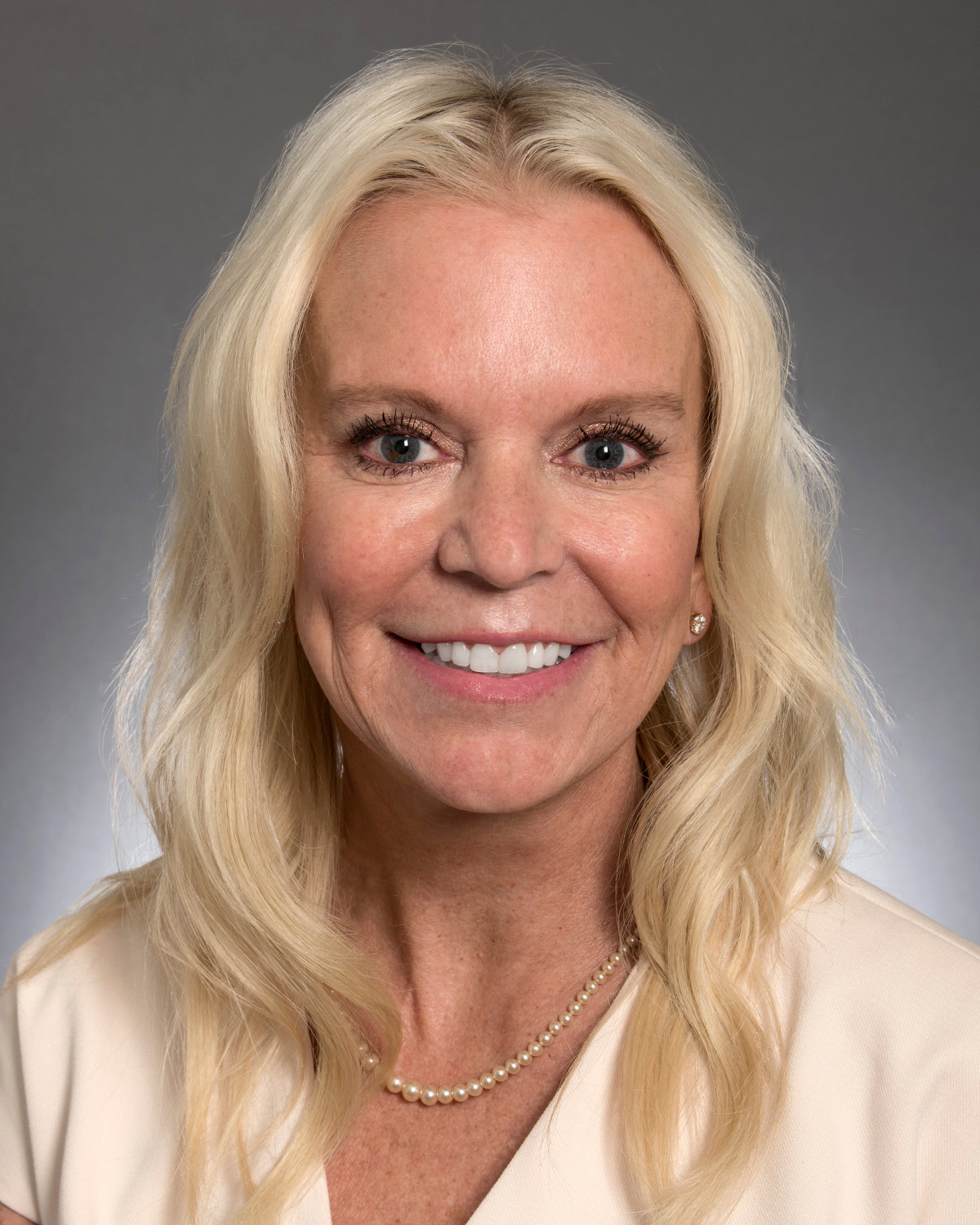 KH
KHKarin Housley
District 33
13%
R
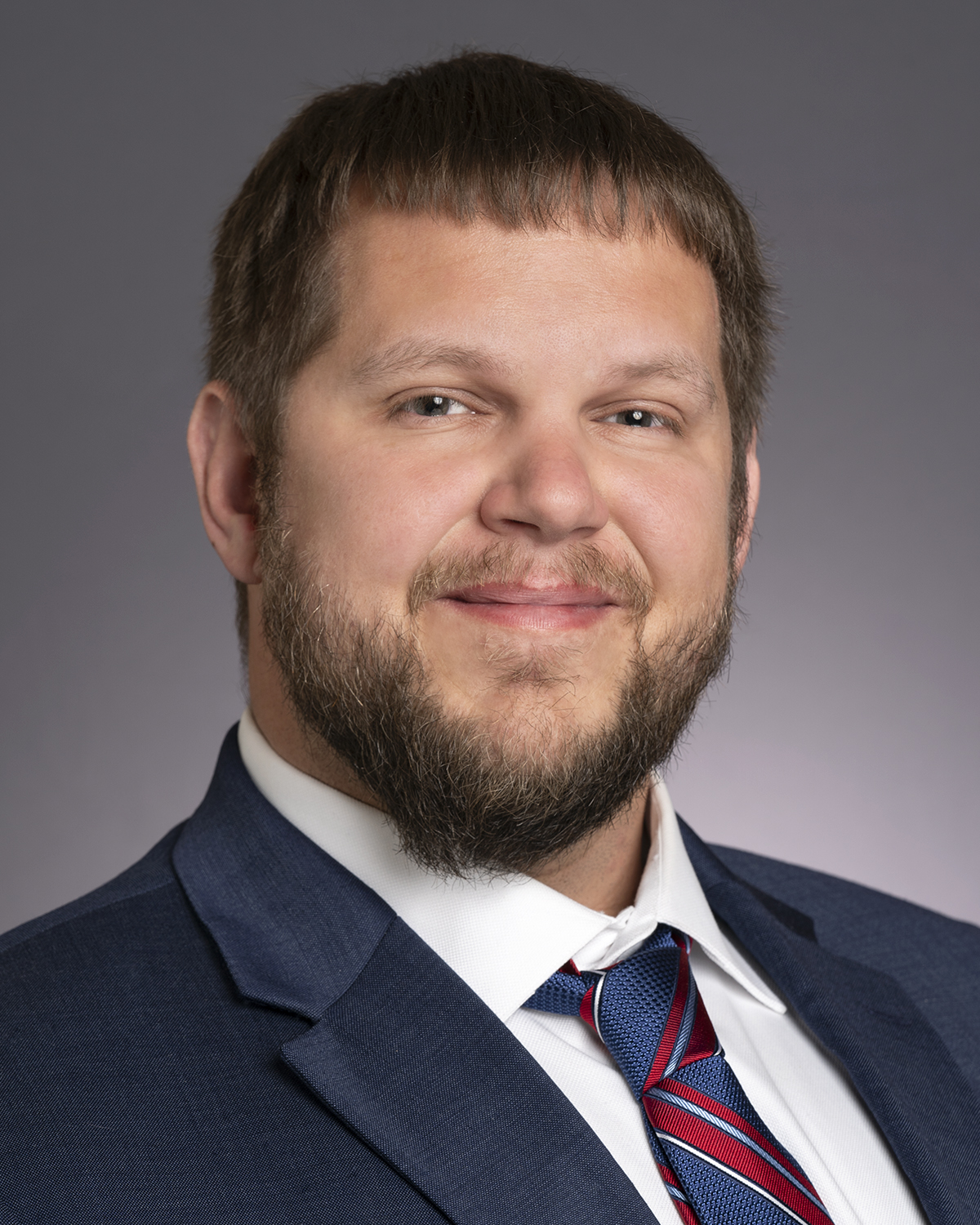 BL
BLBill Lieske
District 58
10%
R
 JC
JCJulia Coleman
District 48
10%
R
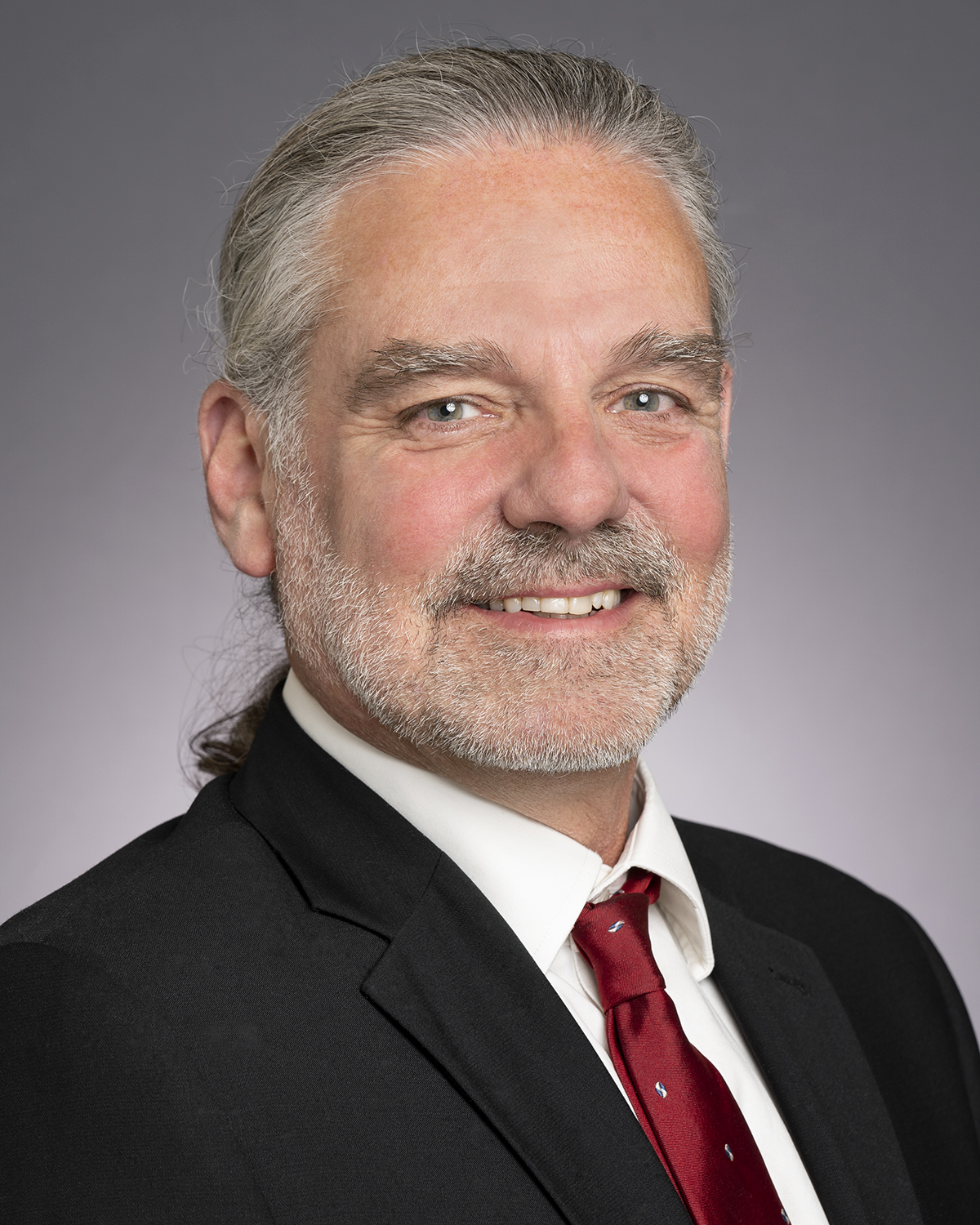 CB
CBCal Bahr
District 31
10%
R

Cross-party voting
Party cohesion →
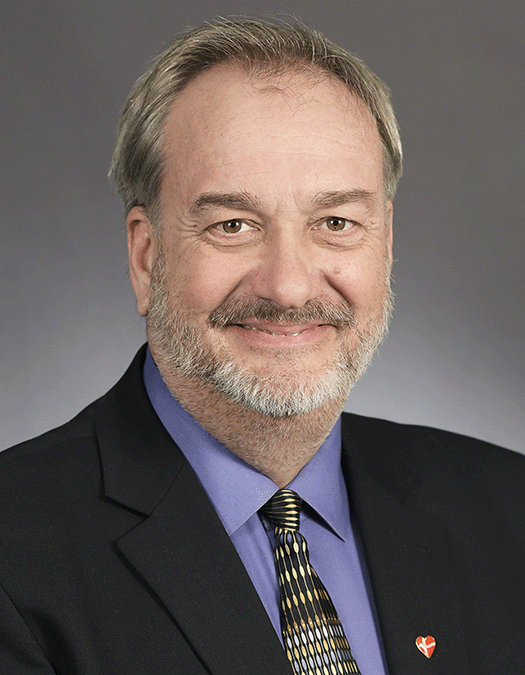
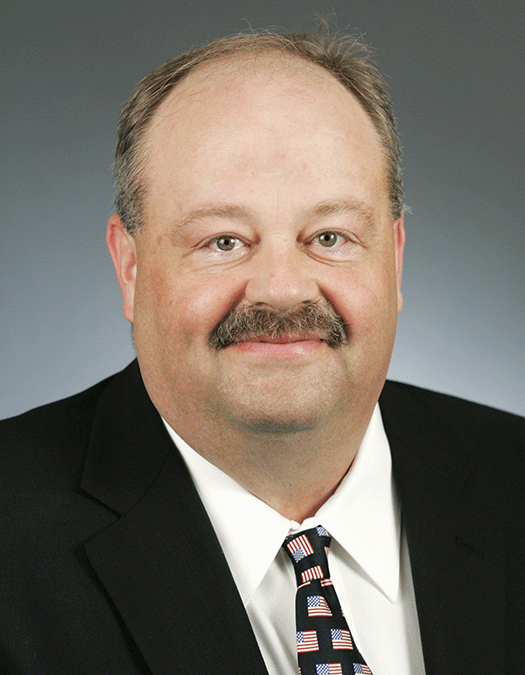
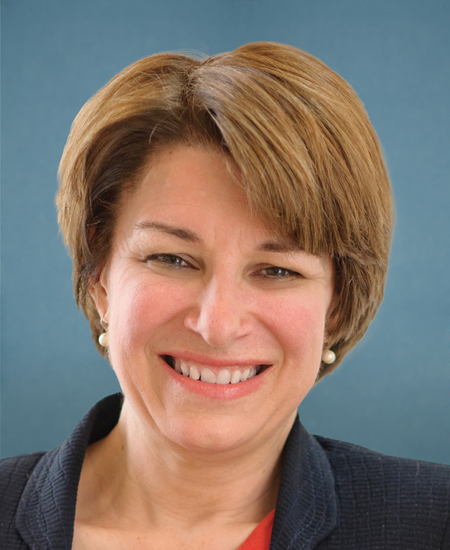
State Legislators

Contested battles
- Bureau of Criminal Apprehension's Use of Force Investigations Unit required to conduct investigations of incidents involving federal agents. D 66-0 · R 0-66 · Other 0-0 in committee
- Higher education policy and finance bill. D 0-66 · R 66-0 · Other 0-0 passed both
- Human services finance bill. D 0-66 · R 67-0 · Other 0-0 passed both
- Income tax; pass-through entity tax technical correction made. D 0-66 · R 67-0 · Other 0-0 in committee
- Age verification required for websites with material harmful to minors, enforcement by the attorney general provided, and private right of action created. D 0-66 · R 67-0 · Other 0-0 in committee
Most likely to pass
- Maximum bonded indebtedness allowed for the State Armory Building Commission increased.
- Standards for required education and experience modified for certified public accountants, and mobility for licensed public accountants established.
- Funding provided for county implementation of service delivery transformation requirements and information technology modernization projects, and money appropriated.
- Wilderness programs funding provided, and money appropriated.
- Referendum allowances reduced, local optional revenue authority increased, and money appropriated.