Issue · Healthcare

Healthcare

Every healthcare bill, vote, and legislator stance in Michigan, automatically classified by Maddy, our AI policy reader.

Total bills
530
2025-2026 Regular Session
Top supporter
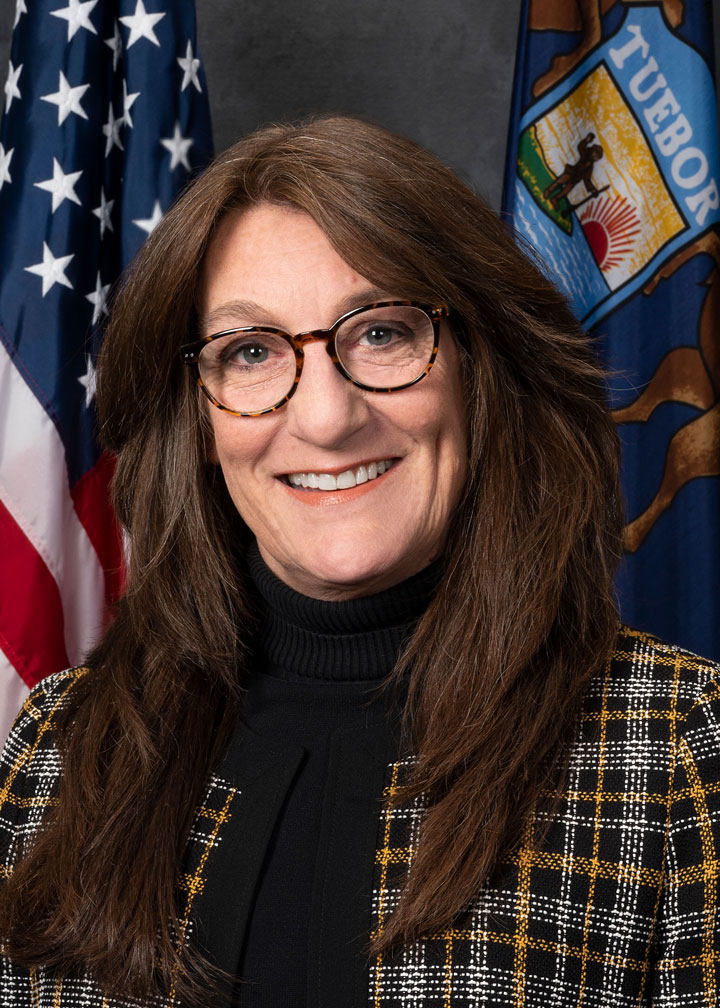
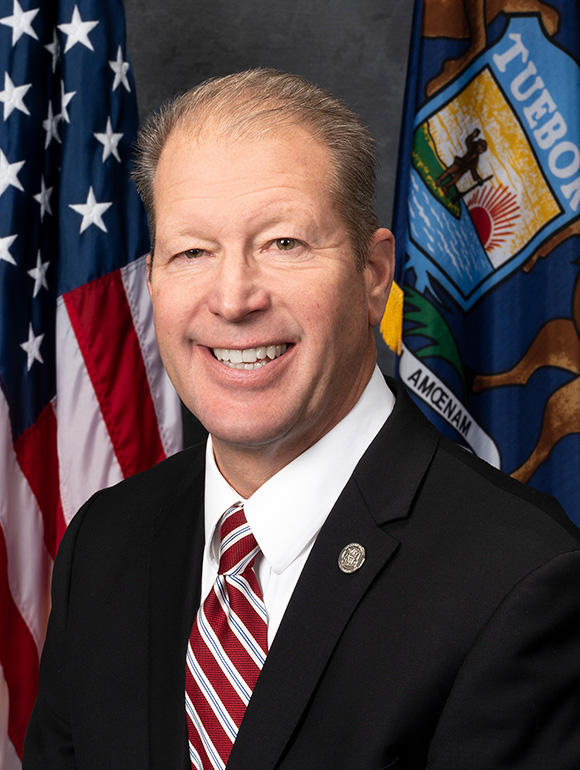
Veronica Klinefelt
96% support rate
Top opponent
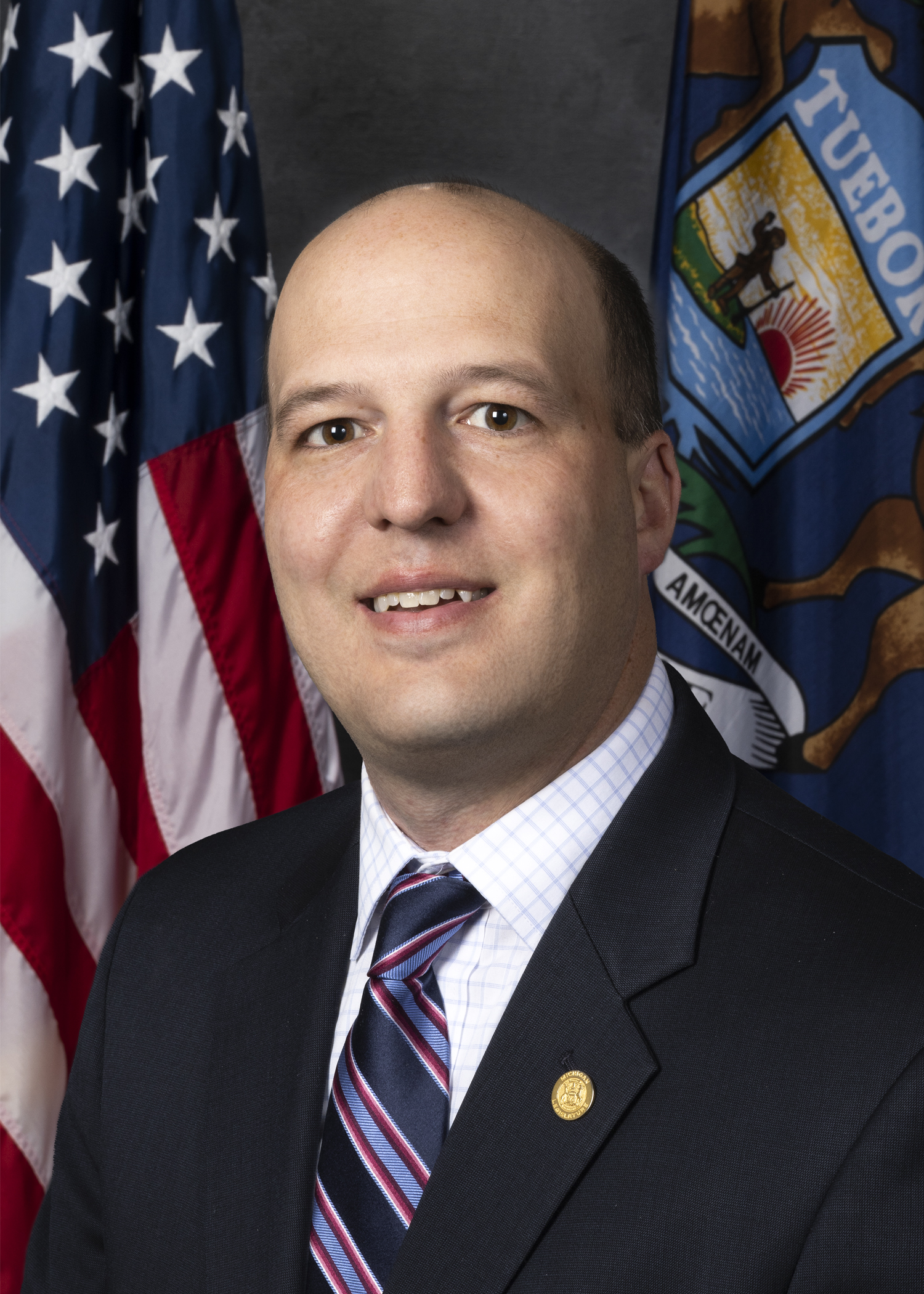
Jim Runestad
8% support rate
Ranked legislators
10
5 support · 5 oppose
Key legislators

Who's moving healthcare in Michigan

Legislators moving healthcare in Michigan
Legislator Party Stance Support rate Votes
Veronica Klinefelt
Veronica Klinefelt Senate · District 11
D
Strong +
96% 60
Winnie Brinks
Winnie Brinks Senate · District 29
D
Strong +
93% 64
Mallory McMorrow
Mallory McMorrow Senate · District 8
D
Strong +
93% 60
Kevin Hertel
Kevin Hertel Senate · District 12
D
Strong +
93% 63
Jeremy Moss
Jeremy Moss Senate · District 7
D
Strong +
93% 62
Jim Runestad
Jim Runestad Senate · District 23
R
Strong −
8% 49
Michele Hoitenga
Michele Hoitenga Senate · District 36
R
Strong −
17% 62
Dan Lauwers
Dan Lauwers Senate · District 25
R
Strong −
17% 63
Thomas Albert
Thomas Albert Senate · District 18
R
Strong −
17% 61
Lana Theis
Lana Theis Senate · District 22
R
Strong −
19% 59
Showing 431–440 of 530 bills

All healthcare bills

in committee · Michigan · House Jun 26, 2025

HB 4685: Insurance: health insurers; collaborative care model for mental health care; provide for. Amends 1956 PA 218 (MCL 500.100 - 500.8302) by adding sec. 3406uu.

HB 4685 requires Michigan health insurers to cover specific mental health services delivered through the psychiatric collaborative care model, directly affecting insurers offering mental health benefits and patients seeking these services. The bill mandates reimbursement for services using five designated billing codes (90844, 99492, 99493, 99494, G2214), which represent evidence-based integrated care for mental health and substance use disorders. Insurers may still deny coverage based on medical necessity only if they follow federal parity laws and utilization review rules. The law defines the "psychiatric collaborative care model" as an evidence-based service delivery method described in federal regulations (81 FR 80230). The bill does not alter existing coverage requirements beyond these specific codes.
Sub-Topics Mental Health
in committee · Michigan · House Jun 26, 2025

HB 4683: Insurance: health insurers; prior authorization requirements for mental health and substance use disorder; modify. Amends sec. 3425 of 1956 PA 218 (MCL 500.3425).

HB 4683 requires Michigan health insurers to cover medically necessary mental health and substance use disorder treatments (including inpatient, intermediate, and outpatient care) without restrictive prior authorization practices. It mandates that insurers use clinical review criteria aligned with generally accepted medical standards, rather than arbitrary rules, when evaluating these services. The bill also prohibits insurers from making mental health coverage terms less favorable than those for other medical treatments. This directly affects health insurers operating in Michigan and patients seeking mental health or substance use disorder care through their insurance plans.
in committee · Michigan · House Jul 22, 2025

HB 4730: Health: screening; Krabbe disease; include in list of disorders and diseases screened for at birth. Amends sec. 5431 of 1978 PA 368 (MCL 333.5431).

HB 4730 adds Krabbe disease to the list of conditions screened for in newborns in Michigan. The bill amends state law to require healthcare providers to test all newborns for Krabbe disease, a rare but treatable neurological disorder, alongside existing conditions like phenylketonuria and sickle cell anemia. This affects all newborns in Michigan and their healthcare providers, who must administer the test at birth without requiring parental consent under current rules. The change aligns Krabbe disease with other treatable conditions already included in the state's mandatory newborn screening program.
in committee · Michigan · House Jul 22, 2025

HB 4739: Human services: medical services; coverage for diagnosis of autism spectrum disorders and treatment of autism spectrum disorders; require. Amends 1939 PA 280 (MCL 400.1 - 400.119b) by adding sec. 109u.

HB 4739 removes age restrictions for Medicaid coverage of autism spectrum disorder (ASD) diagnosis and treatment in Michigan. It requires the state department to cover these services for all Medicaid-eligible individuals, including those aged 21 and older, within 180 days of the bill’s effective date. The bill mandates the department to seek federal approval to amend Michigan’s Medicaid plan to include these services for adults. This directly affects Medicaid recipients with ASD, ensuring continued access to diagnostic and treatment services regardless of age.
Sub-Topics Medicaid
in committee · Michigan · House Jul 22, 2025

HB 4740: Insurance: health insurers; required coverage for autism spectrum disorders; modify. Amends sec. 3406s of 1956 PA 218 (MCL 500.3406s).

HB 4740 requires health insurance plans sold in Michigan to cover diagnosis and treatment for autism spectrum disorders (ASD), directly affecting insured individuals with ASD and their families. It mandates coverage for behavioral health treatments like applied behavior analysis, with age-based annual limits: $50,000 for children under 6, $40,000 for ages 7-12, and $30,000 for ages 13-18. Insurers cannot deny coverage based on an ASD diagnosis, limit treatment visits, or apply stricter cost-sharing than for physical illnesses (though annual caps apply). The bill also allows insurers to request periodic diagnostic reviews (e.g., autism diagnostic observation schedule every 3 years) and annual development evaluations.
Sub-Topics Insurance
in committee · Michigan · House Jul 24, 2025

HR 143: A resolution urging members of Congress to reject President Trump’s “One Big Beautiful Bill Act” in its entirety, and to instead pursue policies that fully fund Medicaid, SNAP, and WIC, protect vulnerable communities, expand access to healthcare, promote clean energy, and ensure a fair and equitable tax system for all Americans.

This House Resolution (HR 143) urges members of Congress to reject President Trump's proposed "One Big Beautiful Bill Act" and instead support policies that fully fund Medicaid, SNAP, and WIC. It directly affects millions of low-income Americans, including children, seniors, people with disabilities, and vulnerable communities who rely on these programs for healthcare, food assistance, and nutrition support. The resolution opposes cuts to Medicaid (which covers 1 in 4 Michiganders), SNAP (impacting 1.4 million Michiganders), and WIC, while criticizing tax breaks for wealthy households and reduced clean energy funding. It calls for expanding healthcare access, promoting clean energy, and ensuring a fair tax system as concrete policy alternatives.
Sub-Topics Renewable Energy
passed · Michigan · Senate Apr 17, 2025

SB 33: Probate: patient advocates; withholding life-sustaining treatment for a patient who is pregnant; allow. Amends secs. 5507 & 5509 of 1998 PA 386 (MCL 700.5507 & 700.5509).

Senate Bill 33 amends Michigan's Estates and Protected Individuals Code concerning patient advocate designations. The bill allows individuals to include specific instructions within their patient advocate designation regarding desired life-sustaining treatment, even if they are pregnant. It removes the existing legal prohibition that prevents patient advocates from making decisions to withhold or withdraw life-sustaining treatment from a pregnant patient if such a decision would result in the patient's death. This change enables a patient advocate to follow a pregnant patient's pre-expressed wishes concerning end-of-life care.
passed · Michigan · Senate Apr 17, 2025

SB 30: Civil rights: general discrimination; reporting procedures for mistreatment during perinatal period; provide for. Creates new act.

SB 30, known as the "Biased and Unjust Care Reporting Act," requires the Michigan Department of Health and Human Services (DHHS) to collect reports from individuals who are pregnant or in the postpartum period. These reports concern gynecological or perinatal care that does not meet standards for being culturally congruent, unbiased, just, or dignified. The DHHS will use a validated tool to identify instances of "obstetric violence" and "obstetric racism," as defined in the bill. The department will then provide a report containing de-identified data on the incidence and prevalence of these issues to the governor and relevant legislative committees, without identifying specific healthcare providers.
Sub-Topics Women's Health
passed · Michigan · Senate Apr 17, 2025

SB 38: Human services: medical services; guidelines for coverage for perinatal and gynecological services; provide for. Amends sec. 109 of 1939 PA 280 (MCL 400.109).

SB 38 amends Michigan's Social Welfare Act to explicitly include perinatal and gynecological services in Medicaid coverage for eligible individuals. The bill updates Section 109 (MCL 400.109) to require the department to provide guidelines ensuring these services are covered under the state's medical assistance plan. This directly affects Medicaid recipients in Michigan who need care related to pregnancy, childbirth, postpartum recovery, or women's health conditions. The change ensures these services are formally recognized in coverage rules, aligning with existing Medicaid requirements for other medical services.
passed · Michigan · Senate Apr 17, 2025

SB 39: Human services: medical services; medical assistance coverage for ultrasound procedures and fetal nonstress tests performed in certain locations; provide for. Amends 1939 PA 280 (MCL 400.1 - 400.119b) by adding secs. 109q & 109r.

Senate Bill 39 requires Michigan's medical assistance program to provide coverage for remote ultrasound procedures and fetal nonstress tests. This allows patients to receive these services in their residence or other off-site locations through telemedicine. The bill mandates the department to update reimbursement rules for fee-for-service and managed care plans, enabling payment for these remote services using established CPT codes when the same standard of care is met. Reimbursement for these remote services is contingent on using HIPAA-compliant, FDA-approved digital technology for data transmission and FDA-cleared monitoring solutions for at-home use.
Showing 431 to 440 of 530 bills
Previous 1 43 44 45 53 Next