Issue · Criminal Justice

Criminal Justice

Every criminal justice bill, vote, and legislator stance in Michigan, automatically classified by Maddy, our AI policy reader.

Total bills
337
2025-2026 Regular Session
Top supporter
Amos O'Neal
100% support rate
Top opponent
Lana Theis
27% support rate
Ranked legislators
10
5 support · 5 oppose
Key legislators

Who's moving criminal justice in Michigan

Legislators moving criminal justice in Michigan
Legislator Party Stance Support rate Votes
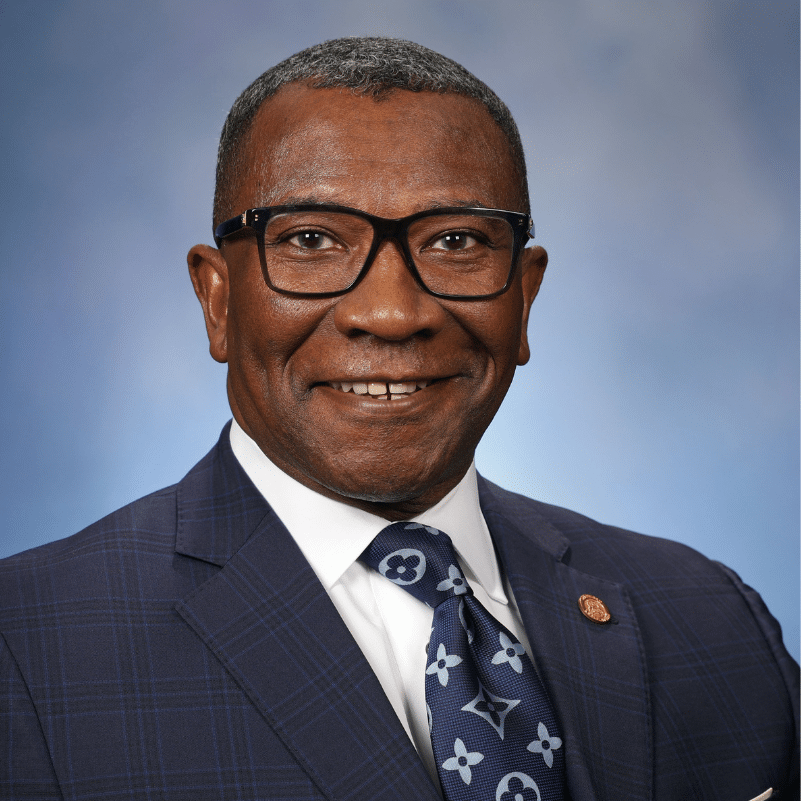
Amos O'Neal
Amos O'Neal House · District 94
D
Strong +
100% 18
Erika Geiss
Erika Geiss Senate · District 1
D
Support
77% 43
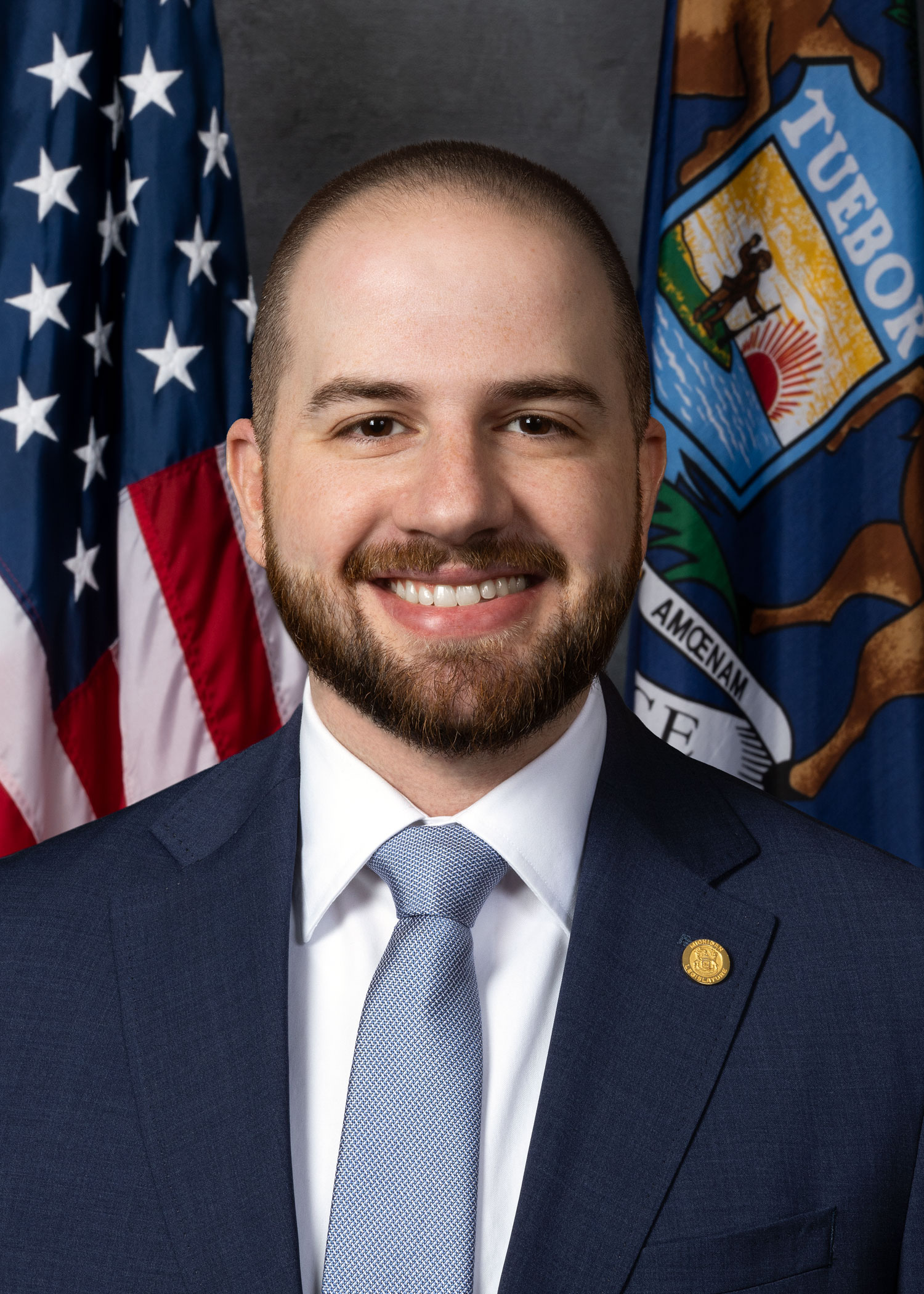
Jeremy Moss
Jeremy Moss Senate · District 7
D
Support
73% 48
Veronica Klinefelt
Veronica Klinefelt Senate · District 11
D
Support
73% 48
Sarah Anthony
Sarah Anthony Senate · District 21
D
Support
73% 48
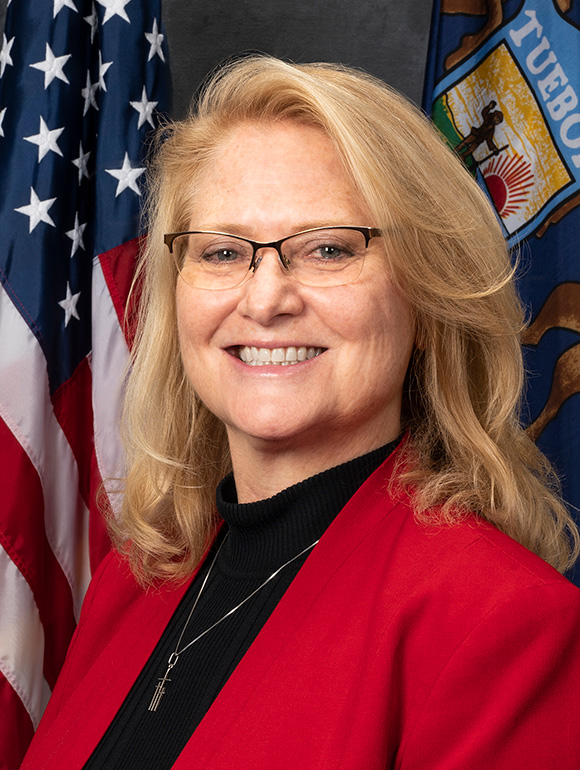
Lana Theis
Lana Theis Senate · District 22
R
Oppose
27% 43
Thomas Albert
Thomas Albert Senate · District 18
R
Oppose
27% 48
Michele Hoitenga
Michele Hoitenga Senate · District 36
R
Oppose
27% 48
Jonathan Lindsey
Jonathan Lindsey Senate · District 17
R
Oppose
27% 47
Jon Bumstead
Jon Bumstead Senate · District 32
R
Oppose
29% 44
Showing 291–300 of 337 bills

All criminal justice bills

in committee · Michigan · Senate Sep 9, 2025

SB 336: Criminal procedure: warrants; execution of search warrants; modify. Amends sec. 6 of 1966 PA 189 (MCL 780.656).

SB 336 modifies Michigan's search warrant procedures by requiring law enforcement officers to announce their identity and purpose before entering a property, then wait a reasonable time for admittance before forcing entry. It allows exceptions to this rule only in specific situations: imminent danger, evidence destruction risk, or if announcing would compromise an investigation. Officers seeking exceptions must include details about occupants (including disabilities) and animals in their warrant application. The bill directly affects police executing warrants and residents of homes or buildings being searched, aiming to balance officer safety with property occupant rights. The proposed changes are not yet law.
Sub-Topics Policing
in committee · Michigan · Senate Sep 9, 2025

SB 334: Law enforcement: training; mental health and law enforcement response training; require for law enforcement officers. Amends title of 1965 PA 203 (MCL 28.601 - 28.615) & adds secs. 9f & 9g. TIE BAR WITH: SB 341'25

SB 334 requires all Michigan law enforcement officers to complete mandatory training on responding to mental health crises. It amends Michigan's Mental Health Law (MCL 28.601-28.615) by adding new sections that establish this training requirement. The bill directly affects every law enforcement officer in the state, mandating specific protocols for de-escalating situations involving mental health challenges. This policy change shifts training standards from voluntary to required under state law.
in committee · Michigan · Senate Sep 9, 2025

SB 333: Law enforcement: other; use of force policies; require law enforcement agencies to create. Creates new act.

SB 333 requires all Michigan law enforcement agencies to adopt and regularly update use-of-force policies by six months after the law takes effect. These policies must mandate that officers only use objectively reasonable force, prohibit continuous throat restraint as deadly force, and prioritize de-escalation techniques before resorting to physical or deadly force. Agencies must also publicly post their policies online or at physical locations and continuously review them to align with legal standards. The bill directly affects every law enforcement agency in Michigan, setting clear, enforceable standards for officer conduct during encounters.
Sub-Topics Law Enforcement Policing Tags Public Safety
passed both · Michigan · House Apr 23, 2026

HB 4598: Crimes: organized; violations of the organized retail crime act; expand. Amends sec. 4 of 2012 PA 455 (MCL 752.1084).

HB 4598 expands Michigan's Organized Retail Crime Act to specifically address new tactics used in theft. It adds provisions criminalizing the acquisition, alteration, or use of stolen gift cards (subsections i(i)-(iii)), fraudulent wireless device purchases (subsections h), and manipulating fire exit alarms (subsections g) as organized retail crime. The bill makes these acts felonies punishable by up to 5 years in prison, $5,000 fines, or both, and requires offenders to pay restitution to retailers and forfeit stolen merchandise. This directly affects retailers (through enhanced protections) and individuals committing these expanded theft methods, while clarifying that property representation as stolen is sufficient for prosecution.
Sub-Topics Victims' Rights
in committee · Michigan · House Sep 16, 2025

HJR P: Criminal procedure: other; process of determining rebellion or invasion; clarify. Amends sec. 12, art. I of the state constitution.

This joint resolution proposes a constitutional amendment to clarify when Michigan's Supreme Court must determine if rebellion or invasion justifies suspending habeas corpus. It requires the court to rule within 48 hours if the governor, attorney general, or both legislative chambers (via roll call vote) request such a determination. The amendment directly affects the Supreme Court's role in emergency civil liberties decisions, ensuring a timely judicial check on potential government actions during crises. It does not change existing habeas corpus protections but adds procedural clarity to emergency suspensions.
Tags Civil Liberties
in committee · Michigan · House Aug 27, 2025

HB 4812: Corrections: parole; certain voting information on release; require department of corrections to provide. Amends secs. 34c & 35 of 1953 PA 232 (MCL 791.234c & 791.235).

HB 4812 requires Michigan's Department of Corrections to provide prisoners with written materials about voter registration and election processes before their release on parole or after completing their sentences. Specifically, it mandates that the department include details on how to register to vote, vote in person, or request absentee ballots, along with regular election dates. The bill also directs the department to assist prisoners in obtaining essential identification documents (like those needed for driver's licenses or state ID cards) and creates a "reentry success fund" to cover related costs. This applies to all prisoners transitioning from incarceration to community life who are eligible for such identification.
Sub-Topics Probation & Parole
in committee · Michigan · Senate Feb 19, 2025

SB 89: Criminal procedure: sentencing; parole eligibility for certain individuals sentenced without the possibility of parole; provide for. Amends sec. 316 of 1931 PA 328 (MCL 750.316). TIE BAR WITH: SB 0090'25

SB 89 creates parole eligibility for individuals convicted of first-degree murder under a felony-murder theory before November 4, 1980, who are currently serving life sentences without parole. The bill amends Michigan’s penal code to allow these specific individuals - historically convicted under a legal standard that barred parole - to be considered for parole under the state’s corrections code. This change directly affects people already incarcerated under such pre-1980 convictions, altering their sentencing status without altering their original conviction. The provision applies only to those serving life sentences on the bill’s effective date, not to new cases.
in committee · Michigan · Senate May 29, 2025

SB 341: Law enforcement: employment; licensing requirements under the Michigan commission on law enforcement standards act; update. Amends secs. 9, 9a, 9b, 9c, 9d & 11 of 1965 PA 203 (MCL 28.609 et seq.). TIE BAR WITH: SB 334'25, SB 335'25

SB 341 updates Michigan's licensing requirements for law enforcement officers under the Michigan Commission on Law Enforcement Standards Act. It revises training standards (including recognition of prior experience), background checks, character fitness assessments, and physical/psychological requirements. The bill requires law enforcement agencies to verify applicants' compliance with these standards before administering an oath of office, and mandates the Commission to review documentation within 10 days to issue or deny licenses. These changes directly affect all new and current officers seeking or maintaining licensure in Michigan.
Sub-Topics Law Enforcement
in committee · Michigan · Senate May 29, 2025

SB 335: Law enforcement: training; duty to intervene policy; require law enforcement agencies to adopt. Creates new act. TIE BAR WITH: SB 341'25

SB 335 requires all Michigan law enforcement agencies to adopt written "duty to intervene" policies within 12 months of the bill's effective date. These policies must mandate officers to stop or prevent excessive force by colleagues and report such incidents to a supervisor. The bill directly affects law enforcement agencies and their officers, making policy violations grounds for disciplinary action. It also allows agencies to use a state-created model policy but does not prevent stricter internal policies. The bill's effective date depends on the passage of companion bill SB 341.
failed · Michigan · House Jul 24, 2025

HB 4506: Criminal procedure: sentencing; guidelines for sentencing individuals aged 18 to 21 to life without parole; provide for. Amends 1927 PA 175 (MCL 760.1 - 777.69) by adding sec. 25b to ch. IX.

HB 4506 would have established new sentencing guidelines to prevent life without parole sentences for individuals aged 18 to 21. The bill amended Michigan’s sentencing law (MCL 760.1-777.69) by adding a specific provision for this age group, requiring judges to consider mitigating factors like youth and development. It directly affected young adults in the criminal justice system facing potential life sentences without parole. The bill was defeated in the legislature on July 24, 2025, with 55 votes in favor and 43 against.
Showing 291 to 300 of 337 bills
Previous 1 29 30 31 34 Next