Issue · Criminal Justice

Criminal Justice (Corrections)

Every criminal justice bill, vote, and legislator stance in Michigan, automatically classified by Maddy, our AI policy reader.

Total bills
66
2025-2026 Regular Session
Top supporter
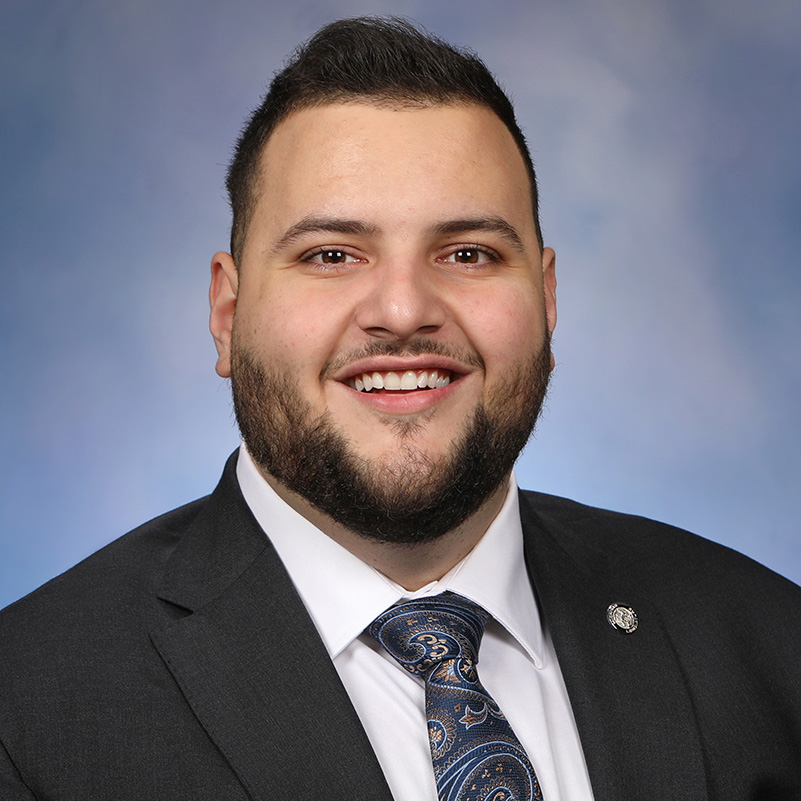
Alabas Farhat
100% support rate
Top opponent
Joseph Fox
0% support rate
Ranked legislators
10
5 support · 5 oppose
Key legislators

Who's moving corrections in Michigan

Legislators moving corrections in Michigan
Legislator Party Stance Support rate Votes
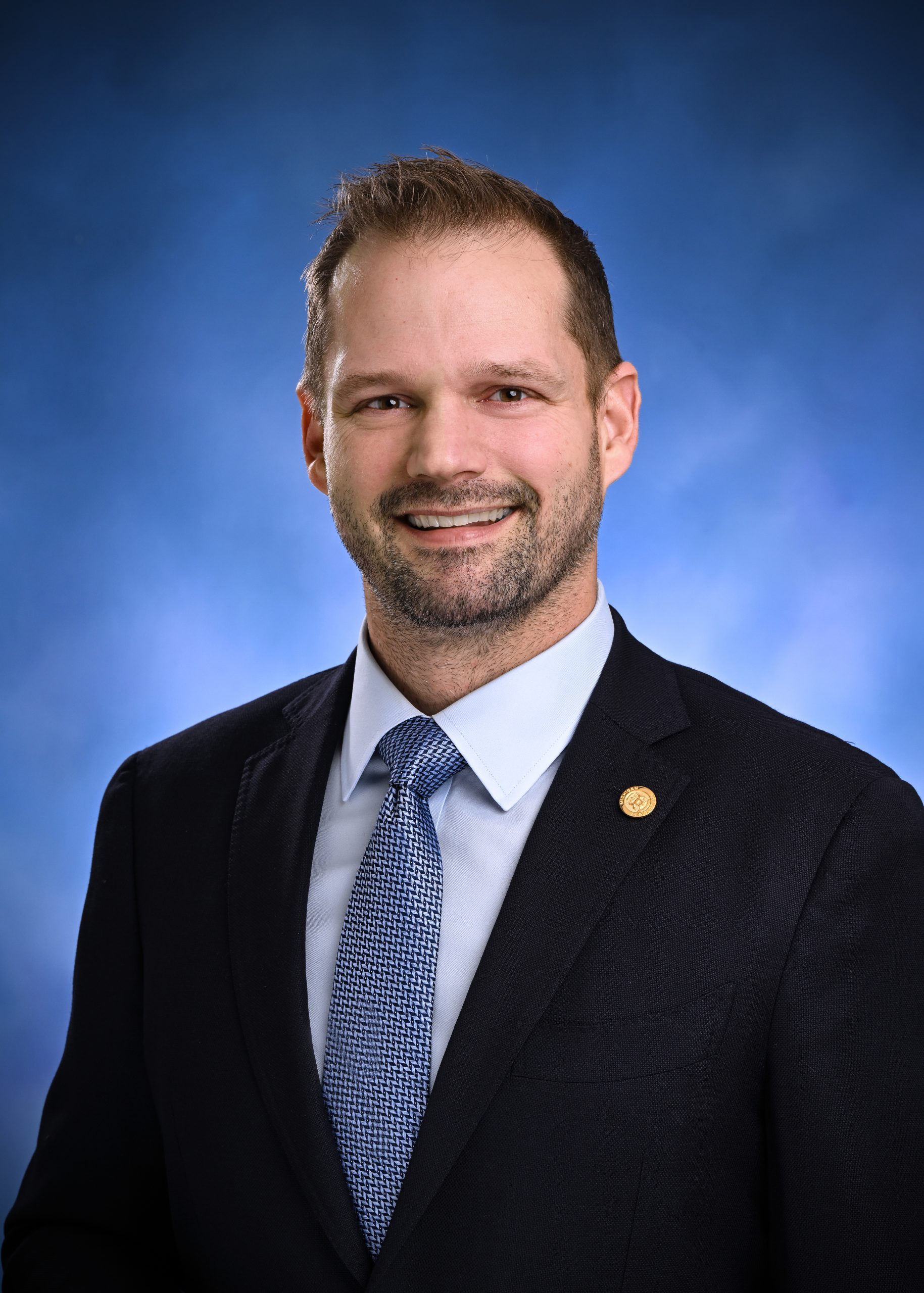
Alabas Farhat
Alabas Farhat House · District 3
D
Strong +
100% 5
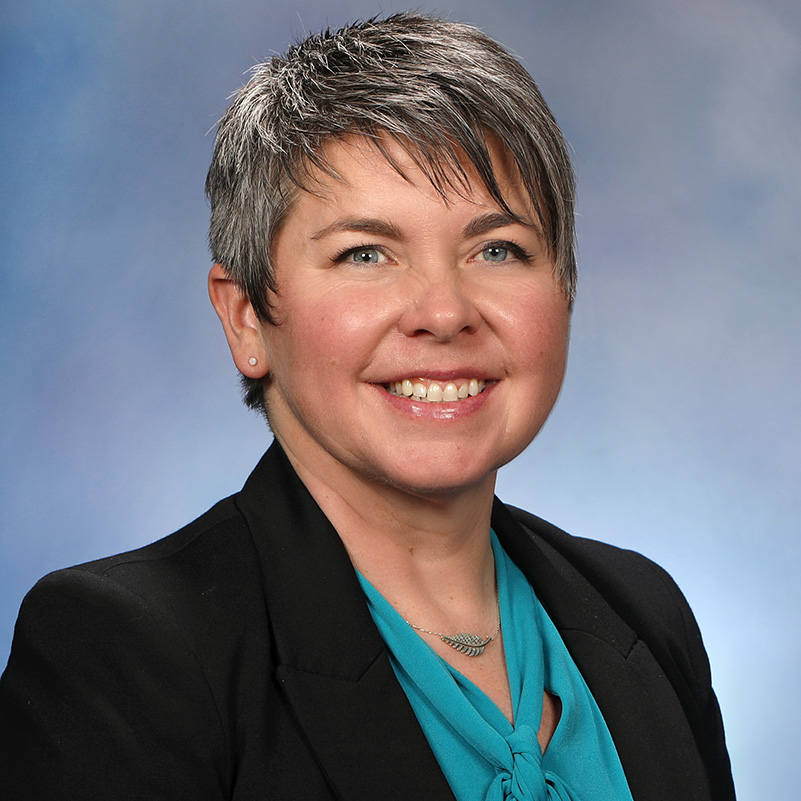
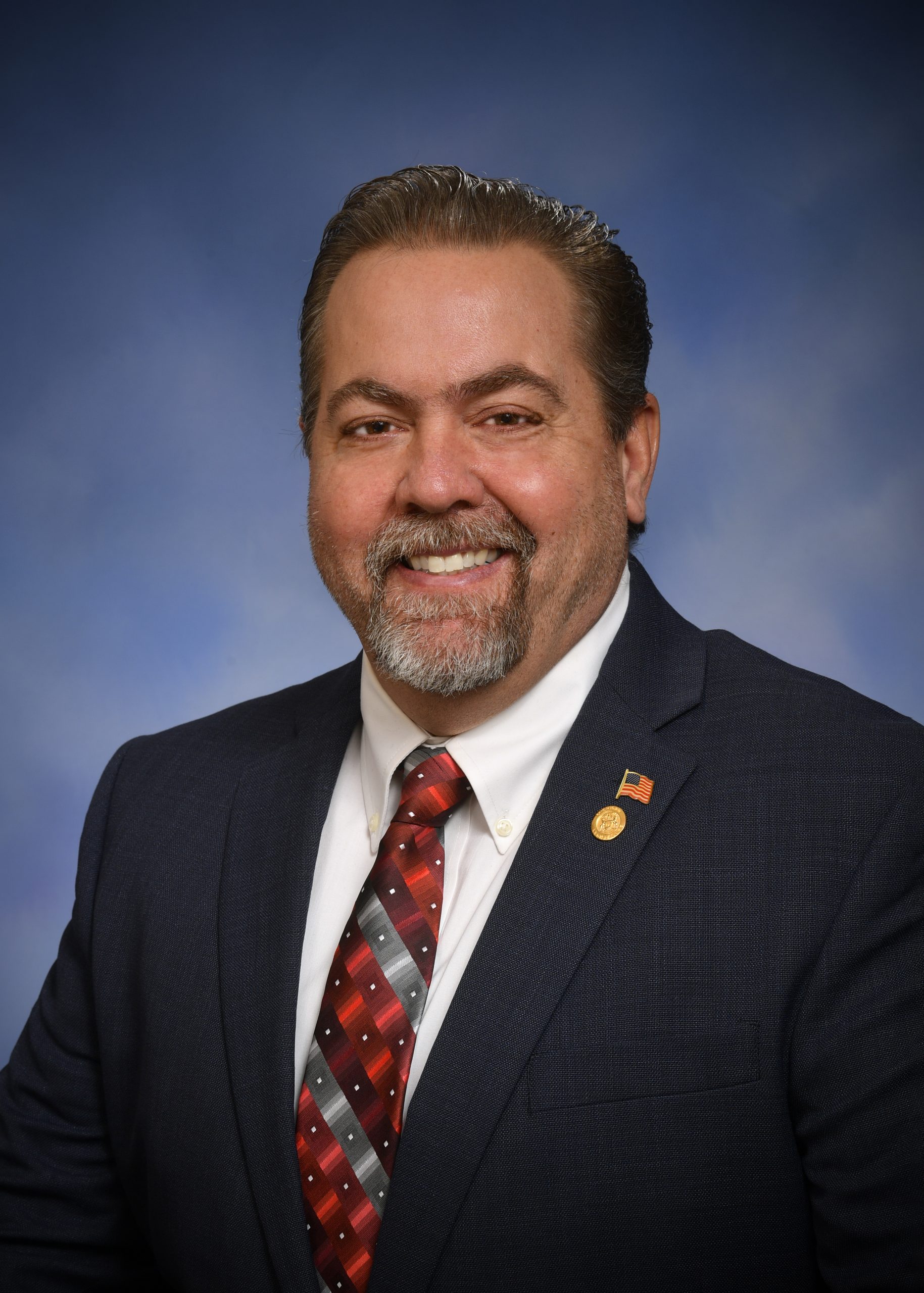
Betsy Coffia
Betsy Coffia House · District 103
D
Strong +
100% 5
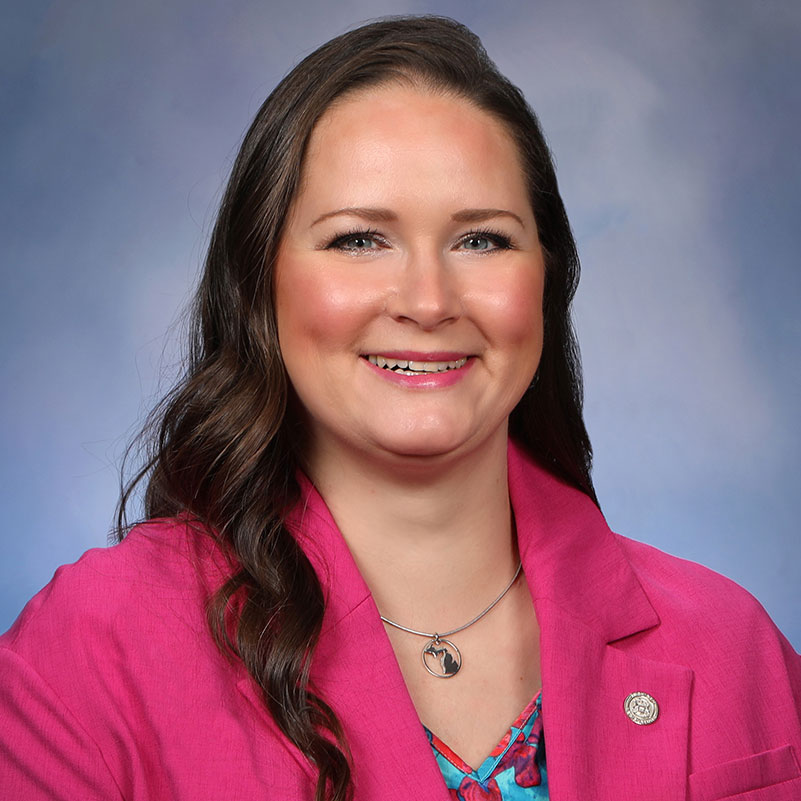
Carrie Rheingans
Carrie Rheingans House · District 47
D
Strong +
83% 6
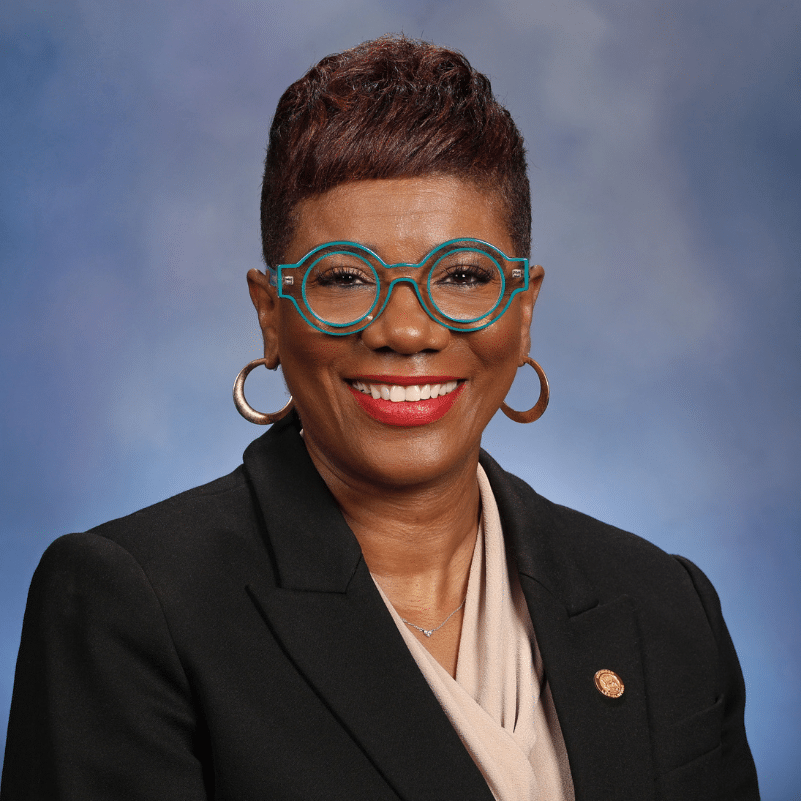
Cynthia Neeley
Cynthia Neeley House · District 70
D
Strong +
83% 6
Erin Byrnes
Erin Byrnes House · District 15
D
Strong +
83% 6
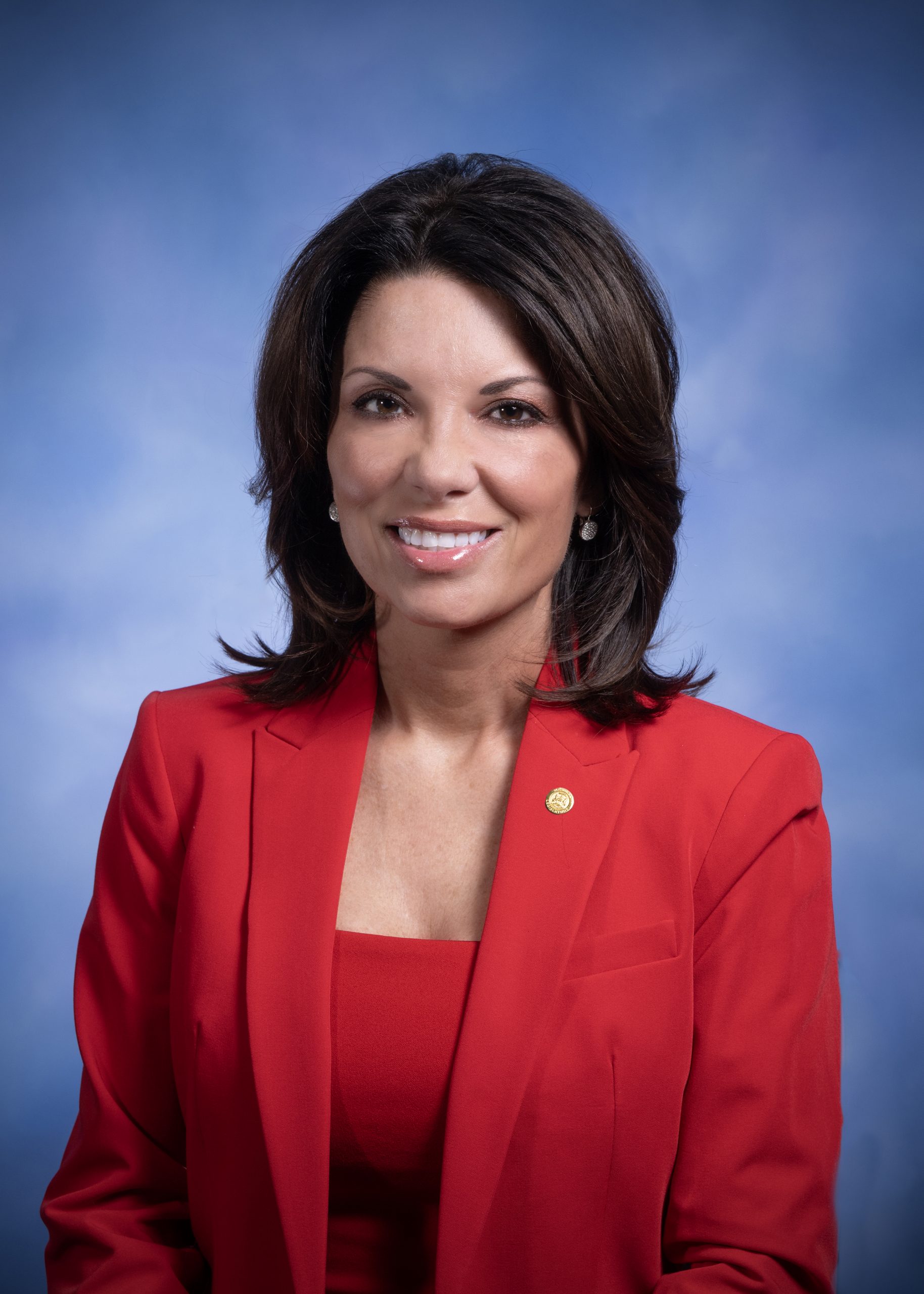
Joseph Fox
Joseph Fox House · District 101
R
Strong −
0% 5
Angela Rigas
Angela Rigas House · District 79
R
Strong −
17% 6
Brad Slagh
Brad Slagh House · District 85
R
Strong −
17% 6
Bryan Posthumus
Bryan Posthumus House · District 90
R
Strong −
17% 6
Dave Prestin
Dave Prestin House · District 108
R
Strong −
17% 6
Showing 1–10 of 66 bills

All criminal justice bills

in committee · Michigan · House Aug 27, 2026

HB 6260: Crimes: criminal sexual conduct; penalties for criminal sexual conduct in the first degree; modify.

Michigan House Bill 6260 amends the state penal code to modify the legal definition of first-degree criminal sexual conduct and establish stricter sentencing guidelines for offenders. The bill expands the list of aggravating circumstances that elevate a crime to this most serious level, specifically including acts committed by school employees, volunteers, or child care providers who use their professional status to gain access to victims aged 13 to 15. It also broadens the definition of force and coercion to include situations where an actor uses medical treatment unethically or overcomes a victim through concealment or surprise. Regarding penalties, the bill mandates that anyone convicted of first-degree criminal sexual conduct must receive lifetime electronic monitoring in addition to their prison sentence. It increases the minimum prison term for adults who commit these acts against children under 13 and imposes a mandatory life sentence without parole for repeat offenders who have previously been convicted of similar crimes against young children.
in committee · Michigan · House Sep 1, 2026

HB 6279: Corrections: state facilities; certain health and safety standards in state correctional facilities; provide for. Amends 1953 PA 232 (MCL 791.201 - 791.285) by adding secs. 67c, 67e & 67f.

Michigan House Bill 6279 amends the state's corrections code to require the Department of Corrections to provide prisoners with timely access to medical, dental, optical, and mental health care while ensuring privacy and dignity during treatment. The legislation mandates that the department identify and address the needs of prisoners with disabilities by providing assistive equipment such as wheelchairs and hearing aids. Additionally, it requires the maintenance of safe environmental conditions, including proper sanitation and ventilation, to prevent risks to prisoner health. Prisoners who believe these standards are not met can file grievances through the existing departmental system.
in committee · Michigan · House Sep 1, 2026

HB 6284: Weapons: firearms; sentencing guidelines; update. Amends sec. 16m of 1927 PA 175 (MCL 777.16m). TIE BAR WITH: HB 6285'26

Michigan House Bill 6284 updates the state's sentencing guidelines by amending Section 16m of the Code of Criminal Procedure to include specific firearm-related felonies. The bill creates a comprehensive list of offenses, ranging from selling firearms to minors and prohibited persons to discharging guns in vehicles or at dwellings, assigning each a specific classification level and maximum prison sentence. These classifications determine how judges calculate sentences for these crimes, with penalties varying based on the severity of the act and any resulting injuries or deaths. The legislation is tied to House Bill 6285 and will not take effect unless that companion bill is also enacted into law.
in committee · Michigan · House Aug 27, 2026

HB 6263: Crimes: criminal sexual conduct; penalties for criminal sexual conduct in the fourth degree; modify.

Michigan House Bill 6263 amends the state penal code to expand the definition of fourth-degree criminal sexual conduct, which is classified as a misdemeanor felony. The bill specifically targets individuals who engage in sexual contact with minors aged 16 to 17 who are students, or young adults aged 16 to 25 receiving special education services, when the perpetrator is a teacher, school employee, volunteer, or other authority figure using their position to gain access to the victim. It also includes provisions for sexual contact involving foster care residents and mental health patients, while maintaining existing penalties of up to two years in prison or a fine of $500.
in committee · Michigan · House Sep 1, 2026

HB 6280: Corrections: state facilities; use of certain recording devices in medical settings in state correctional facilities; provide for. Amends 1953 PA 232 (MCL 791.201 - 791.285) by adding sec. 67d.

Michigan House Bill 6280 requires the state Department of Corrections to establish specific policies governing the use of recording devices in sensitive medical settings within correctional facilities. The bill limits the use of audio, video, or photographic recording to situations where it is reasonably necessary for safety, security, or documentation purposes. It mandates that any recording must be conducted in a way that minimizes intrusion on prisoner privacy and requires staff to document the specific reason for using the device. Additionally, the legislation requires the department to maintain policies for the retention, storage, and access of these recordings in compliance with existing laws.
Sub-Topics Corrections
in committee · Michigan · House Aug 27, 2026

HB 6262: Crimes: criminal sexual conduct; penalties for criminal sexual conduct in the third degree; modify.

Michigan House Bill 6262 amends the state penal code to expand the definition of third-degree criminal sexual conduct, which applies to individuals who engage in sexual penetration under specific circumstances such as involving a minor, using force, or exploiting a position of trust. The bill adds new provisions that criminalize such acts when the victim is a student aged 16 to 17 with a school employee, a person receiving special education services up to age 25, or a resident of a child care or foster home who is at least 16 years old. It also introduces an affirmative defense for victims in incest cases where they were coerced by an authority figure and excludes married couples from certain incest charges. The legislation increases the minimum prison sentence for this felony from five to 15 years, with a maximum penalty of life imprisonment, and takes effect 90 days after enactment.
Sub-Topics Corrections
in committee · Michigan · House Jul 14, 2026

HB 6192: Financial institutions: mortgage brokers and lenders; consolidation of certain licensing statutes related to residential mortgages; make conforming changes in the debt management act. Amends sec. 8a of 1975 PA 148 (MCL 451.418a). TIE BAR WITH: HB 6177'26

HB 6192 amends Michigan's Debt Management Act to strengthen the state director's authority to investigate and punish mortgage brokers and lenders who engage in fraud. The bill allows the director to issue immediate suspensions or permanent prohibitions against individuals found guilty of fraud, dishonesty, or felony convictions involving financial misconduct. It establishes a formal process where accused individuals receive written notice, have the right to a hearing within 60 days, and can apply to have an order lifted after five years. Additionally, the law clarifies that violating a final prohibition order is a misdemeanor punishable by up to one year in jail or a fine of $5,000. This legislation is tied to another bill, HB 6177, and will only become effective if that companion bill is also passed.
Sub-Topics Corrections Mortgages
in committee · Michigan · House Jul 14, 2026

HB 6199: Financial institutions: mortgage brokers and lenders; consolidation of certain licensing statutes related to residential mortgages; make conforming changes in the Michigan penal code. Amends secs. 219e & 219f of 1931 PA 328 (MCL 750.219e & 750.219f). TIE BAR WITH: HB 6177'26

HB 6199 amends Michigan's penal code to strengthen laws against mortgage fraud by clarifying the criminal penalties for individuals who prepare or submit loan applications in someone else's name without their authorization. The bill explicitly prohibits receiving or forwarding such fraudulent applications or related financial instruments when the person knows or should know they are illegal. While the penalties for non-exempt individuals remain severe, including up to four years in prison or a fine of up to $2,500, the legislation provides specific exemptions for licensed financial institutions and their employees who handle these documents in good faith, such as when submitting them to law enforcement or credit bureaus. This update aims to align the state's fraud statutes with current mortgage industry practices and regulatory frameworks.
in committee · Michigan · House Jun 17, 2026

HB 6092: Criminal procedure: DNA; postconviction DNA testing; modify. Amends sec. 16, ch. X of 1927 PA 175 (MCL 770.16).

This bill modifies Michigan's existing laws regarding post-conviction DNA testing to allow certain defendants to request new trials based on DNA evidence. It primarily affects individuals convicted of felonies before January 8, 2001, who are currently serving prison sentences, enabling them to petition for DNA testing of biological material collected during their original investigation. The legislation outlines specific conditions under which courts must grant testing, such as when the material has not been previously tested or when newer technology could yield more accurate results. If the testing excludes the defendant as the source of the biological material, the court must appoint counsel and hold a hearing to determine if a new trial is warranted. Additionally, the bill requires that victims be notified of these petitions and ensures that the costs of testing are covered by the state if the defendant cannot afford them.
Sub-Topics Corrections Courts
in committee · Michigan · House Jun 16, 2026

HB 6077: Consumer protection: other; virtual currency kiosks; prohibit the operation of. Creates new act.

This bill, known as the Virtual Currency Kiosk Prevention Act, prohibits the operation of physical terminals in Michigan that facilitate buying, selling, or exchanging virtual currency for cash or bank credit. It defines these terminals as devices that connect to external exchanges or hold the operator's own virtual currency and applies to any business or individual running them. Violators face felony charges with penalties including up to five years in prison, fines of up to $50,000, or community service, with harsher sentences of up to ten years and higher fines if vulnerable adults are harmed or significant financial losses occur. The law also grants the attorney general and county prosecutors the power to seek injunctions, recover collected fees, and confiscate the kiosks themselves.
Sub-Topics Corrections Tags Consumer Protection
Showing 1 to 10 of 66 bills
1 2 3 7 Next