Issue · Criminal Justice

Criminal Justice (Probation & Parole)

Every criminal justice bill, vote, and legislator stance in Michigan, automatically classified by Maddy, our AI policy reader.

Total bills
30
2025-2026 Regular Session
Top supporter
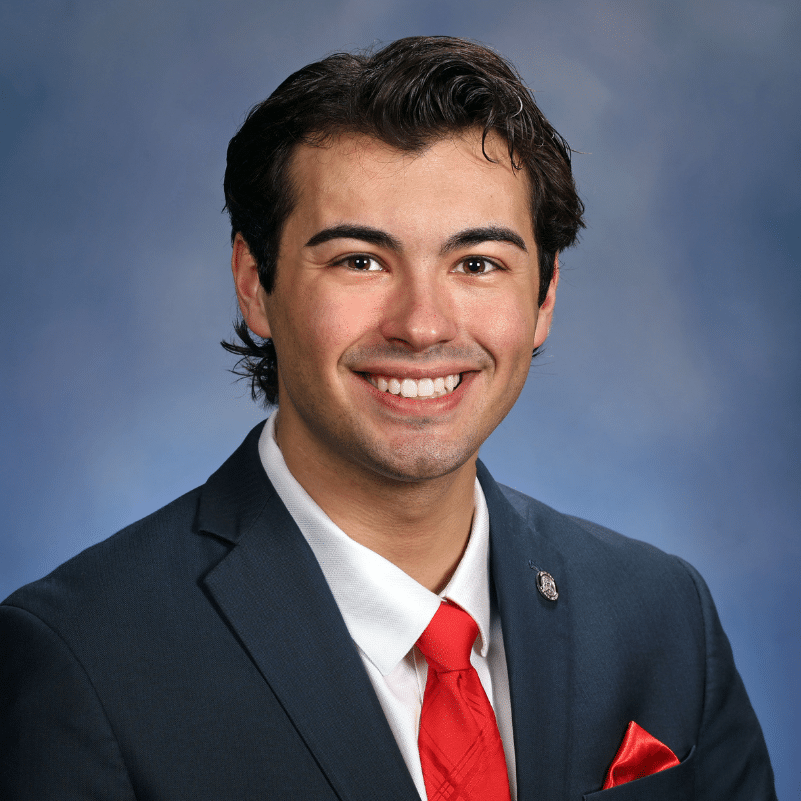
Steve Carra
100% support rate
Top opponent
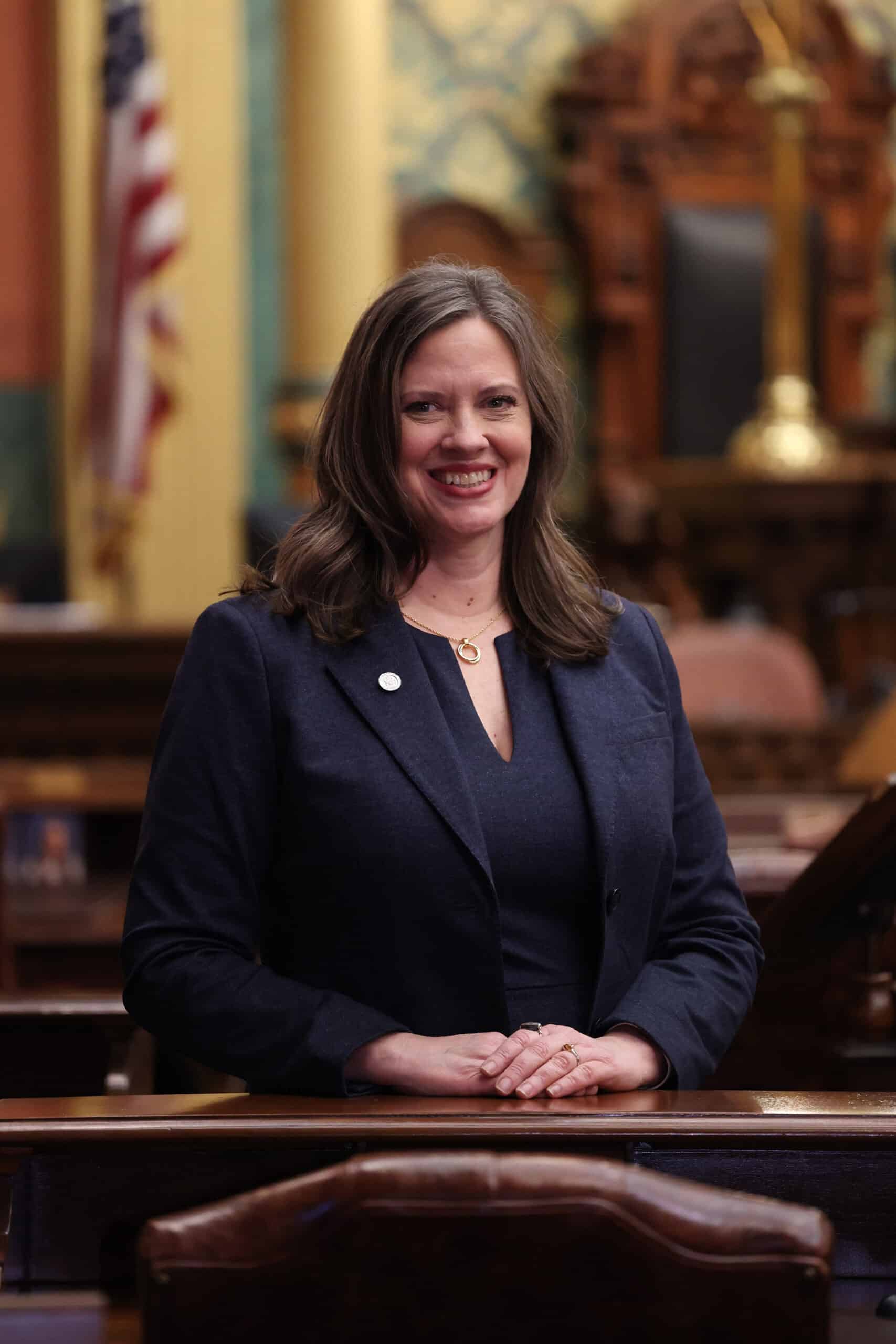
Carol Glanville
0% support rate
Ranked legislators
10
5 support · 5 oppose
Key legislators

Who's moving probation & parole in Michigan

Legislators moving probation & parole in Michigan
Legislator Party Stance Support rate Votes
Steve Carra
Steve Carra House · District 36
R
Strong +
100% 3
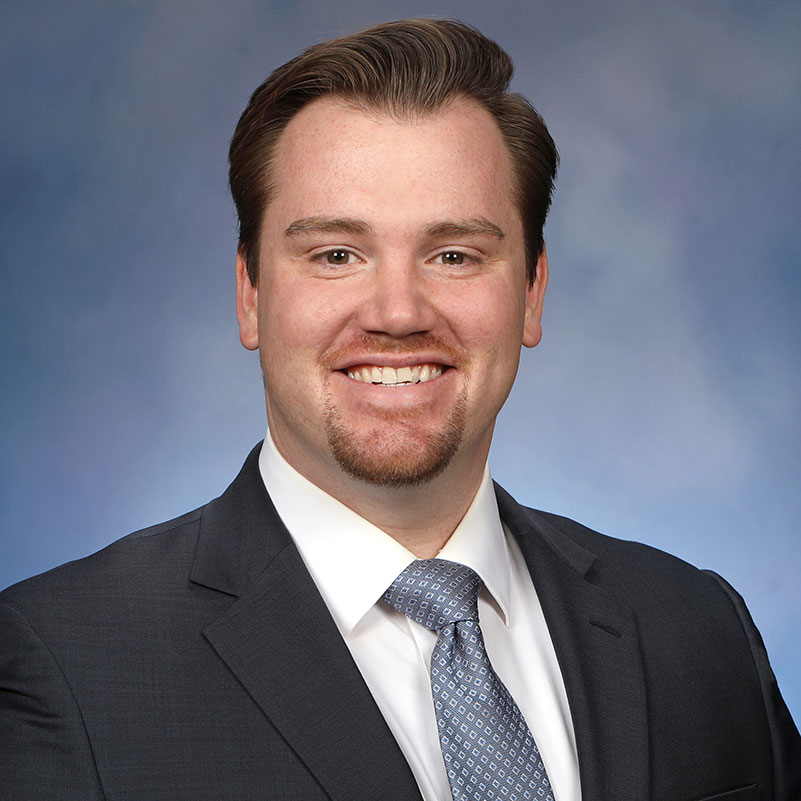
Alicia St. Germaine
Alicia St. Germaine House · District 62
R
Support
67% 3
Angela Rigas
Angela Rigas House · District 79
R
Support
67% 3
Ann Bollin
Ann Bollin House · District 49
R
Support
67% 3
Bill Schuette
Bill Schuette House · District 95
R
Support
67% 3
Carol Glanville
Carol Glanville House · District 84
D
Strong −
0% 3
Denise Mentzer
Denise Mentzer House · District 61
D
Strong −
0% 3
Jaz Martus
Jaz Martus House · District 69
D
Strong −
0% 3
Jennifer Conlin
Jennifer Conlin House · District 48
D
Strong −
0% 3
John Fitzgerald
John Fitzgerald House · District 83
D
Strong −
0% 3
Showing 1–10 of 30 bills

All criminal justice bills

in committee · Michigan · House Aug 27, 2026

HB 6260: Crimes: criminal sexual conduct; penalties for criminal sexual conduct in the first degree; modify.

Michigan House Bill 6260 amends the state penal code to modify the legal definition of first-degree criminal sexual conduct and establish stricter sentencing guidelines for offenders. The bill expands the list of aggravating circumstances that elevate a crime to this most serious level, specifically including acts committed by school employees, volunteers, or child care providers who use their professional status to gain access to victims aged 13 to 15. It also broadens the definition of force and coercion to include situations where an actor uses medical treatment unethically or overcomes a victim through concealment or surprise. Regarding penalties, the bill mandates that anyone convicted of first-degree criminal sexual conduct must receive lifetime electronic monitoring in addition to their prison sentence. It increases the minimum prison term for adults who commit these acts against children under 13 and imposes a mandatory life sentence without parole for repeat offenders who have previously been convicted of similar crimes against young children.
in committee · Michigan · House Sep 1, 2026

HB 6276: Corrections: parole; period of parole for certain offenses; modify. Amends sec. 42 of 1953 PA 232 (MCL 791.242).

Michigan House Bill 6276 amends the state's corrections code to modify parole eligibility for specific serious crimes. The bill establishes a minimum five-year parole period for offenses including murder, actual forcible rape, armed robbery, kidnapping, extortion, and nighttime breaking and entering of an occupied dwelling, unless the remaining sentence is shorter than that timeframe. Additionally, it mandates that prisoners sentenced under specific provisions of the Michigan penal code must receive life parole rather than a fixed-term release.
in committee · Michigan · Senate Jul 2, 2026

SB 1090: Courts: funding; trial court funding; provide for. Amends sec. 13, ch. II, secs. 1k & 5, ch. IX & secs. 1, 3, 3c & 3e, ch. XI of 1927 PA 175 (MCL 762.13 et seq.). TIE BAR WITH: SB 1089'26

This bill updates Michigan's criminal procedure code to clarify how courts assess and collect financial costs from defendants. It requires judges to determine if a defendant is financially unable to pay before ordering fines or court fees. If a defendant is not indigent, the court can impose specific minimum state costs and additional expenses related to the trial, such as personnel salaries and facility maintenance, but must waive these charges for those who qualify as indigent. The legislation also establishes a fee structure for probation supervision, charging $30 per month without electronic monitoring or $60 per month with it, while allowing courts to waive these fees for indigent individuals.
in committee · Michigan · House Apr 30, 2026

HB 5915: Criminal procedure: sentencing; mandatory sentencing for certain crimes in the sex offender registration act; require. Amends sec. 9 of 1994 PA 295 (MCL 28.729).

HB 5915 amends Michigan's Sex Offender Registration Act to clarify the criminal penalties for individuals who willfully violate registration requirements. The bill establishes a tiered sentencing system where first-time offenders face up to four years in prison or a $2,000 fine, while those with one prior violation could be sentenced to life imprisonment or at least seven years, and repeat offenders could receive life sentences or at least ten years. Additionally, the legislation specifies that courts must revoke probation or youthful trainee status, and parole boards must rescind parole for individuals who willfully break the law, while also allowing violations to be prosecuted in the judicial district where the person lived, actually resides, or was arrested.
passed both · Michigan · House Jun 10, 2026

HB 5831: Crimes: terrorism; penalties for acts of terrorism; modify. Amends sec. 543f of 1931 PA 328 (MCL 750.543f). TIE BAR WITH: HB 5830'26

This bill modifies the penalties for the crime of terrorism in Michigan by updating the language in the state penal code. It directly affects individuals charged with knowingly and premeditated acts of terrorism, ensuring the statute clearly mandates life imprisonment without parole if the act results in death. The legislation also maintains existing provisions that allow for a fine of up to $100,000 or a prison term of at least 25 years for other terrorism-related convictions. These changes aim to clarify the legal consequences for those convicted of terrorism under current laws.
in committee · Michigan · Senate Apr 16, 2026

SB 902: Criminal procedure: probation; probation for certain criminal sexual conduct violations; prohibit. Amends sec. 1, ch. XI of 1927 PA 175 (MCL 771.1).

SB 902 modifies Michigan's criminal procedure laws by establishing a mandatory supervision fee for individuals placed on probation after a sentence is delayed. Specifically, the bill requires courts to order a fee of $30 per month, or $60 per month if electronic monitoring is used, for up to 12 months of delay. This fee is collected by the Department of Corrections and is intended to cover supervision costs while the defendant awaits final sentencing. The legislation applies to adults facing various felony and misdemeanor charges but excludes juveniles and allows courts to waive the fee for indigent defendants.
in committee · Michigan · Senate Mar 19, 2026

SB 882: Corrections: parole; parole board interview of prisoner serving sentence for first degree murder or sentence of imprisonment for life without parole; modify. Amends sec. 44 of 1953 PA 232 (MCL 791.244).

This bill modifies Michigan's parole procedures for prisoners serving life sentences or first-degree murder convictions, requiring the parole board to interview eligible inmates after they have served 10 years. It establishes a structured process for handling applications for reprieves, commutations, or pardons, including mandatory reviews within 60 days and public hearings if the board decides to proceed. The legislation also mandates that sentencing judges and prosecutors be notified of such applications and given 30 days to submit information or objections, while victims receive notice and the opportunity to testify. Additionally, the bill clarifies that parole board files related to these cases are public records, except for medical information protected by doctor-patient confidentiality.
passed both · Michigan · House Jun 16, 2026

HB 5510: Criminal procedure: sentencing; time period allowed for delayed sentencing; modify. Amends sec. 1, ch. XI of 1927 PA 175 (MCL 771.1). TIE BAR WITH: HB 5511'26

HB 5510 allows Michigan courts to delay final sentencing for up to one year (or longer for specific cases) for certain non-violent offenses, giving defendants time to participate in rehabilitation programs like drug court. It requires courts to collect supervision fees ($30-$60 per month, depending on electronic monitoring) during the delay period, with maximum limits of 12 months for most cases or 60 months for child support violations. The bill exempts juveniles in specific cases and permits courts to waive fees for indigent defendants. This modifies existing sentencing procedures to prioritize rehabilitation while adding structured financial obligations during the delay.
in committee · Michigan · House Jan 15, 2026

HB 5448: Corrections: parole; impact statements by certain witnesses; allow. Amends sec. 35 of 1953 PA 232 (MCL 791.235) & adds sec. 35a.

HB 5448 amends Michigan's parole procedures to require the parole board to consider impact statements from certain witnesses, including crime victims, when reviewing parole applications. It directly affects prisoners seeking parole, parole board members, and crime victims who wish to share how a crime impacted them. Key mechanisms include adding a new provision (Section 35a) for submitting impact statements, clarifying that parole boards cannot deny parole without an interview in most cases (except for low-probability cases), and prohibiting consideration of expunged juvenile records or inaccurate information. The bill also mandates a 90-day parole eligibility report detailing a prisoner's conduct, work, education, and risk assessment, while explicitly banning the parole board from basing denials solely on marital history or unconvicted arrests.
in committee · Michigan · House Jan 28, 2026

HB 5475: State: identification cards; program to provide state identification cards to parolees; provide for. Amends sec. 1 of 1972 PA 222 (MCL 28.291). TIE BAR WITH: HB 5477'26, HB 5474'26

HB 5475 requires Michigan's Secretary of State to issue official state identification cards to individuals who are about to be released on parole or discharged from prison. Beginning January 1, 2026, the Secretary must issue these cards to eligible parolees using information provided by the Department of Corrections about their release date. The bill mandates that cards be delivered to the correctional facility before the parolee's release date or mailed to the facility if the person is already released. This directly affects parolees in Michigan who need state ID cards for accessing services, housing, or employment upon reentry.
Showing 1 to 10 of 30 bills
1 2 3 Next