Issue · Education

Education

Every education bill, vote, and legislator stance in Indiana, automatically classified by Maddy, our AI policy reader.

Total bills
190
119th Congress
Top supporter
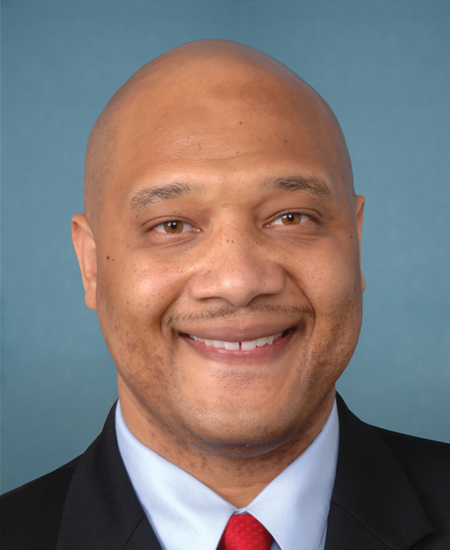
André Carson
78% support rate
Top opponent
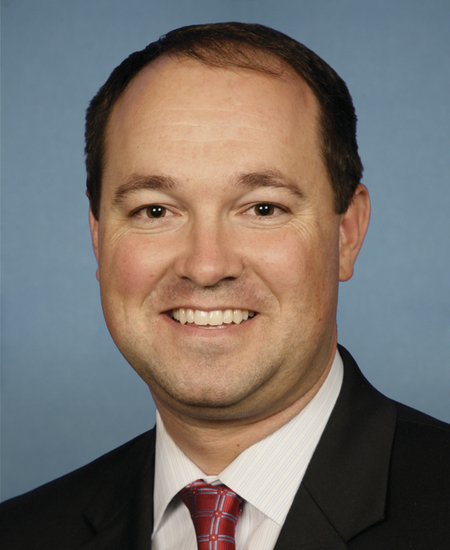
Marlin A. Stutzman
22% support rate
Ranked legislators
9
4 support · 5 oppose
Key legislators

Who's moving education in Indiana

Legislators moving education in Indiana
Legislator Party Stance Support rate Votes
André Carson
André Carson House · District 7
D
Support
78% 130
Jim Banks
Jim Banks Senate
R
Mixed
57% 166
Todd Young
Todd Young Senate
R
Mixed
57% 168
Frank J. Mrvan
Frank J. Mrvan House · District 1
D
Mixed
56% 128
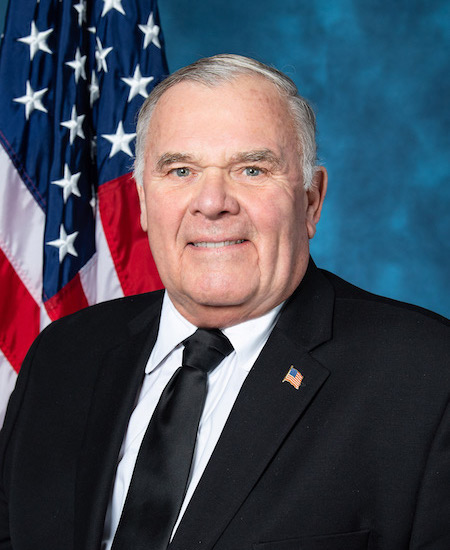
Marlin A. Stutzman
Marlin A. Stutzman House · District 3
R
Oppose
22% 130
James R. Baird
James R. Baird House · District 4
R
Oppose
25% 124
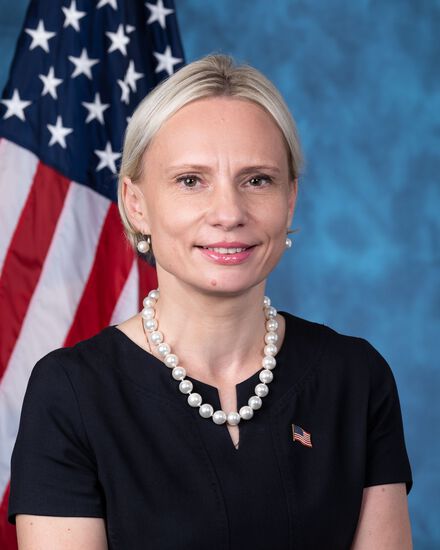
Victoria Spartz
Victoria Spartz House · District 5
R
Oppose
25% 125
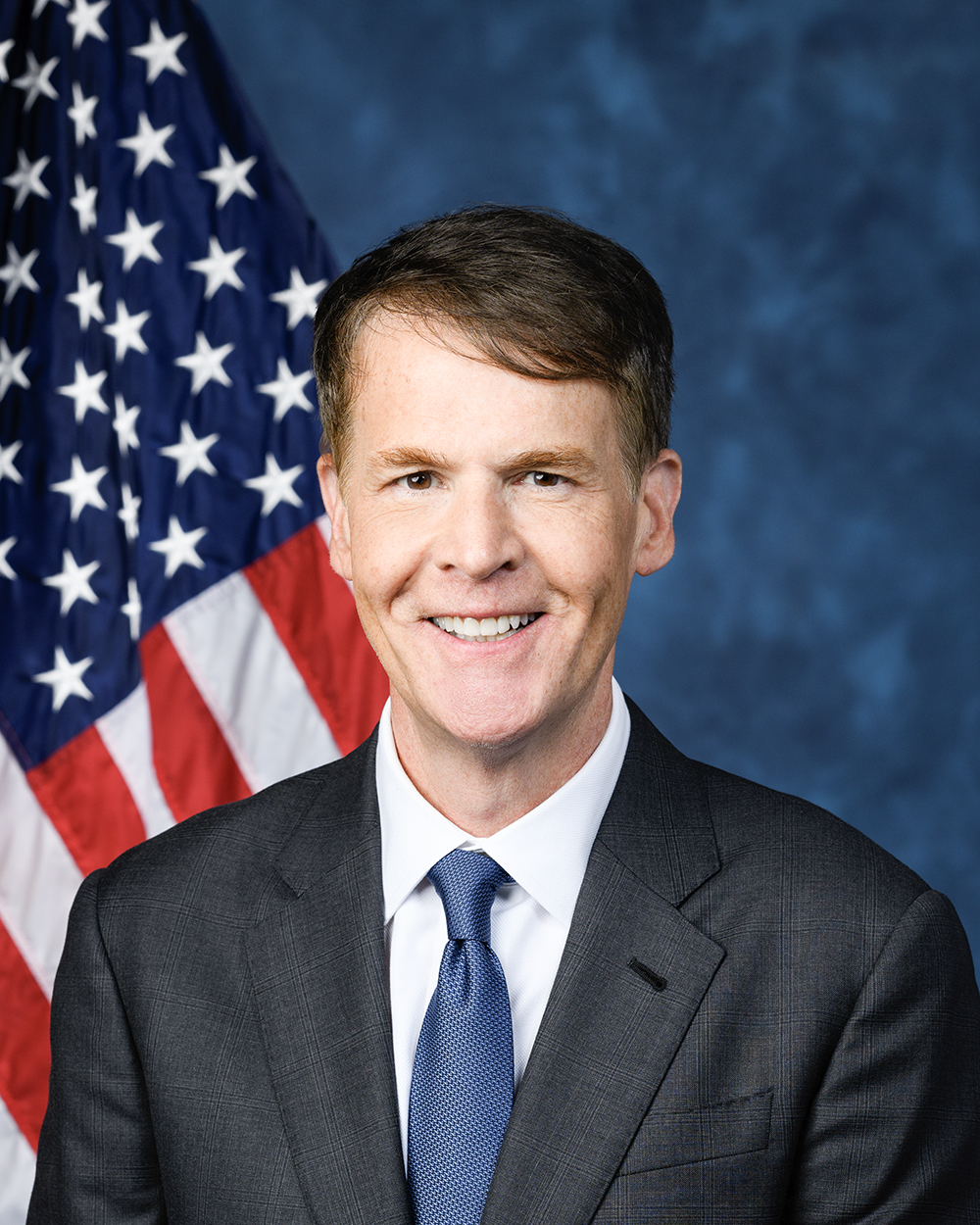
Jefferson Shreve
Jefferson Shreve House · District 6
R
Oppose
33% 128
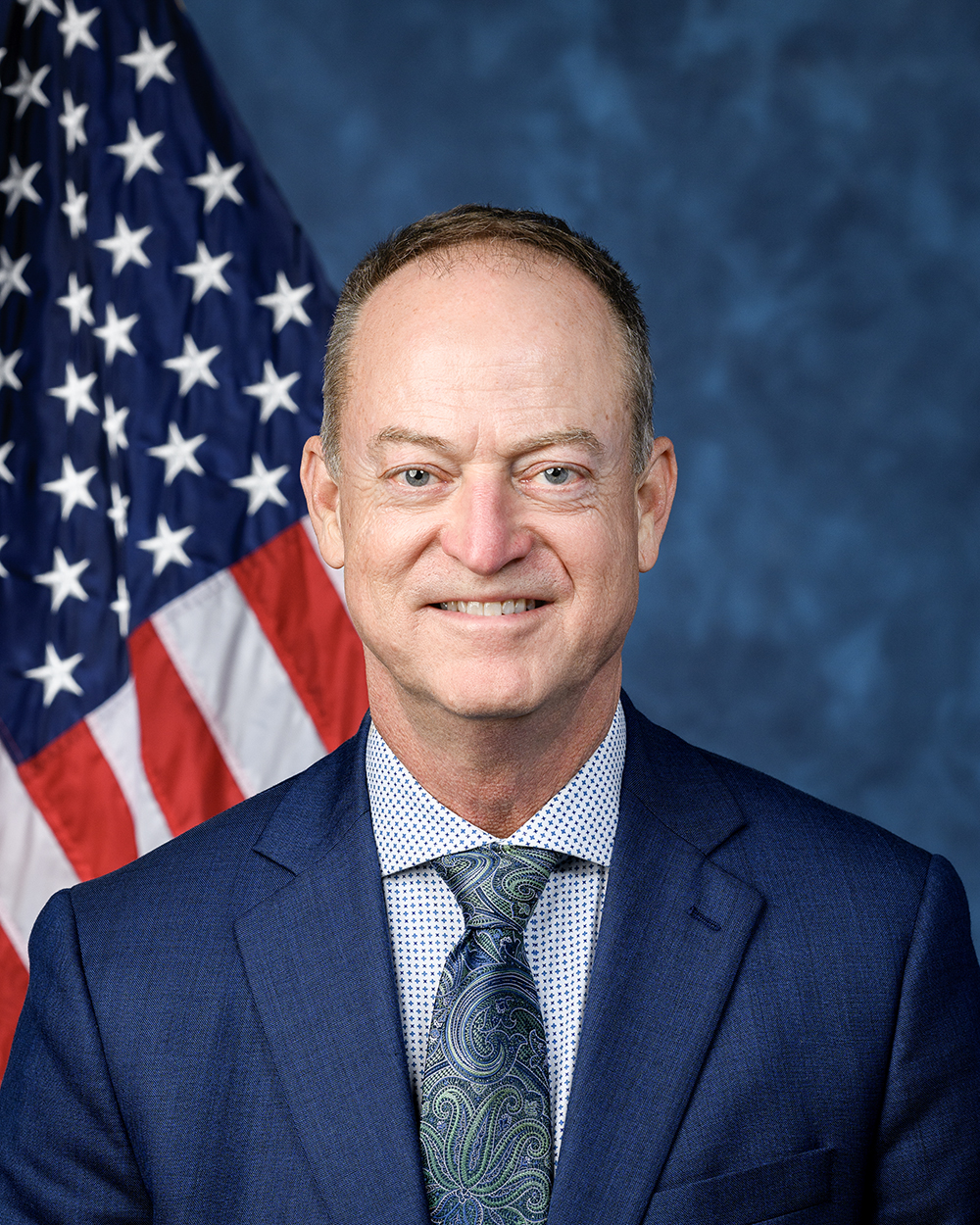
Mark B. Messmer
Mark B. Messmer House · District 8
R
Oppose
33% 131
Showing 1–10 of 190 bills

All education bills

in committee · United States · House Sep 4, 2026

HR 10298: Public Service Loan Forgiveness Inclusion Act of 2026

The Public Service Loan Forgiveness Inclusion Act of 2026 modifies federal student loan rules to make it easier for borrowers in public service jobs to qualify for debt cancellation. The bill changes how qualifying monthly payments are counted by allowing the first 60 payments to count regardless of their amount, while requiring subsequent payments to meet a specific minimum threshold based on a standard 10-year repayment schedule. It also expands eligibility to include payments made under the standard repayment plan and counts months where repayment was suspended due to administrative forbearance as qualifying payments if the borrower remained employed in public service. The Department of Education is required to notify affected borrowers about these changes within 180 days of enactment, with the new payment counting rules applying to those who have not yet made 120 monthly payments.
in committee · United States · House Sep 10, 2026

HR 10347: Data Science and Literacy Act of 2026

The Data Science and Literacy Act of 2026 establishes a competitive grant program administered by the Secretary of Education to support state agencies, local school districts, tribal schools, and higher education institutions in expanding data literacy and statistics education from pre-kindergarten through postsecondary levels. Eligible recipients must use funds for activities such as developing new curricula, providing professional development for teachers, and creating partnerships with industry or community organizations to reduce access gaps for underrepresented students. The bill authorizes $10 million annually for fiscal years 2027 through 2031, requiring grantees to submit biannual reports on student outcomes disaggregated by race, ethnicity, gender, and income status. Additionally, the legislation amends existing federal law to require the collection of demographic and background data on secondary school STEM teachers in each state every five years.
Sub-Topics K-12 Education
in committee · United States · House Aug 17, 2026

HR 10113: New IDEA Act

The New IDEA Act amends the Individuals with Disabilities Education Act to expand the legal definitions of specific learning disabilities, explicitly including conditions such as dyslexia, dyscalculia, and dysgraphia. It also updates terminology for language impairments by adding developmental language disorder and clarifies that autism is part of a broader category of spectrum disorders. The bill establishes clear criteria for what constitutes a specific learning disability while excluding issues caused by factors like visual or hearing impairments, intellectual disabilities, or a lack of appropriate instruction. Additionally, it requires local educational agencies to ensure equal access to accommodations and services for eligible children from low-income households and those with limited English proficiency.
Sub-Topics Special Education Tags People with Disabilities
in committee · United States · House Aug 3, 2026

HR 10031: READ Act

The READ Act amends the Elementary and Secondary Education Act to improve reading instruction by defining specific terms like "science of reading" and "high-impact tutoring" and requiring states to exclude certain teaching models that rely on context clues. The bill directs federal literacy grants to states, with mandatory funding for low-performing states, to implement evidence-based strategies such as universal early literacy screenings, professional development for teachers, and the adoption of high-quality instructional materials. It also mandates that states report data on student progress and teacher training while prohibiting the Department of Education from issuing regulations that dictate specific instructional content or curricula. Additionally, the legislation expands research initiatives to study reading development and requires the federal government to provide states with detailed reports on academic outcomes and achievement gaps.
Sub-Topics Curriculum Teachers
in committee · United States · Senate Jul 30, 2026

S 5187: PHD Talent Act of 2026

The PHD Talent Act of 2026 establishes a five-year pilot program to help universities create accelerated doctoral programs in critical fields like artificial intelligence, quantum computing, and biotechnology. These programs aim to train U.S. citizens and permanent residents by shortening the time to earn a doctorate, integrating undergraduate and graduate coursework, and providing funding that covers at least three years of doctoral study. The Department of Energy will award grants to universities that partner with national laboratories and industry to offer these tracks, which also include structured mentorship and research rotations to build dual expertise in a specific science and computational methods. The legislation authorizes $250 million for the program between 2028 and 2032 and requires the Department of Energy to submit annual reports to Congress on the initiative's progress and student outcomes.
in committee · United States · House Jul 23, 2026

HR 9824: Daycare Not Detentions Act of 2026

The Daycare Not Detentions Act of 2026 provides additional funding to the Department of Health and Human Services to support child care programs, including the Child Care and Development Block Grant, Head Start, and preschool development grants. These funds are intended to help states and organizations cover necessary expenses for these programs through fiscal year 2029. The bill also rescinds $70 billion in previously allocated money for U.S. Customs and Border Protection and U.S. Immigration and Customs Enforcement that has not yet been spent. Overall, the legislation redirects federal resources toward early childhood education and care rather than immigration enforcement activities.
in committee · United States · Senate Jun 24, 2026

S 4925: Stop the Sexualization of Children Act

The Stop the Sexualization of Children Act prohibits the use of federal education funds to create or promote programs containing sexually oriented material for children under 18. This ban specifically targets content depicting sexually explicit conduct or involving gender dysphoria and transgenderism, while explicitly exempting standard science courses, major world religions, and specific lists of classic literature and art. By amending the Elementary and Secondary Education Act, the bill restricts how schools can utilize federal money for extracurricular activities or educational materials that fall under these prohibited categories.
in committee · United States · Senate Jun 24, 2026

S 4943: Outcomes-Based Financing (OBF) for Students Act

This bill creates a new federal regulatory framework for Outcomes-Based Financing (OBF) products, which are loans for education where repayment amounts depend on the borrower's future income. It directly affects private lenders, educational institutions, and students by establishing specific rules for how these loans are underwritten, disclosed, and repaid. Key provisions require lenders to clearly advertise and disclose critical terms like income thresholds and payment calculations, while also mandating that monthly payments never exceed 20% of a borrower's income. The legislation further defines how these loans are treated for tax purposes, bankruptcy discharge, and credit reporting, and it preempts certain state laws that might otherwise restrict such financial products.
in committee · United States · House Jul 27, 2026

HR 9960: Higher Education Access and Success for Homeless and Foster Youth Act of 2026

The Higher Education Access and Success for Homeless and Foster Youth Act of 2026 expands federal protections and support services for homeless and foster care students in higher education. It requires colleges to designate trained staff liaisons to assist these students with accessing resources like housing, food, and financial aid, while also mandating that institutions provide priority access to on-campus housing for this population. The bill further updates various federal student aid programs to explicitly include homeless and foster youth, ensuring they are treated as independent students for financial aid purposes and are actively recruited and retained through targeted outreach. Additionally, the legislation establishes new reporting requirements for colleges to track the number of these students served and mandates that states offer in-state tuition rates to homeless and foster youth attending public institutions.
in committee · United States · House Jul 20, 2026

HRES 1442: Supporting the designation of July 20, 2026, as "National Moon Landing Day".

This resolution supports designating July 20, 2026, as "National Moon Landing Day" to honor the historic Apollo 11 mission and the ongoing Artemis program. The bill encourages Americans to celebrate the achievements of NASA astronauts, engineers, and scientists while honoring those who lost their lives during space exploration efforts. It also aims to inspire young people to pursue careers in STEM fields and promote public awareness of the economic and scientific benefits of human spaceflight.
Showing 1 to 10 of 190 bills
1 2 3 19 Next