

Maddy summaryHR 6718, the Professional Student Degree Act, amends the Higher Education Act to clarify the definition of a "professional degree" for federal education purposes. It replaces the previous definition with a new section listing specific degrees that meet the criteria, including Pharmacy (Pharm.D.), Law (J.D.), Medicine (M.D.), Dentistry (D.D.S.), Veterinary Medicine (D.V.M.), and others like Nursing (D.N.P.) and Business Administration (M.B.A.). This definition requires degrees to signify both completion of academic requirements for professional practice (often requiring licensure) and skills beyond a bachelor's level. The bill directly affects students pursuing these designated degrees by formally recognizing them under federal education law, without creating new programs or changing funding.
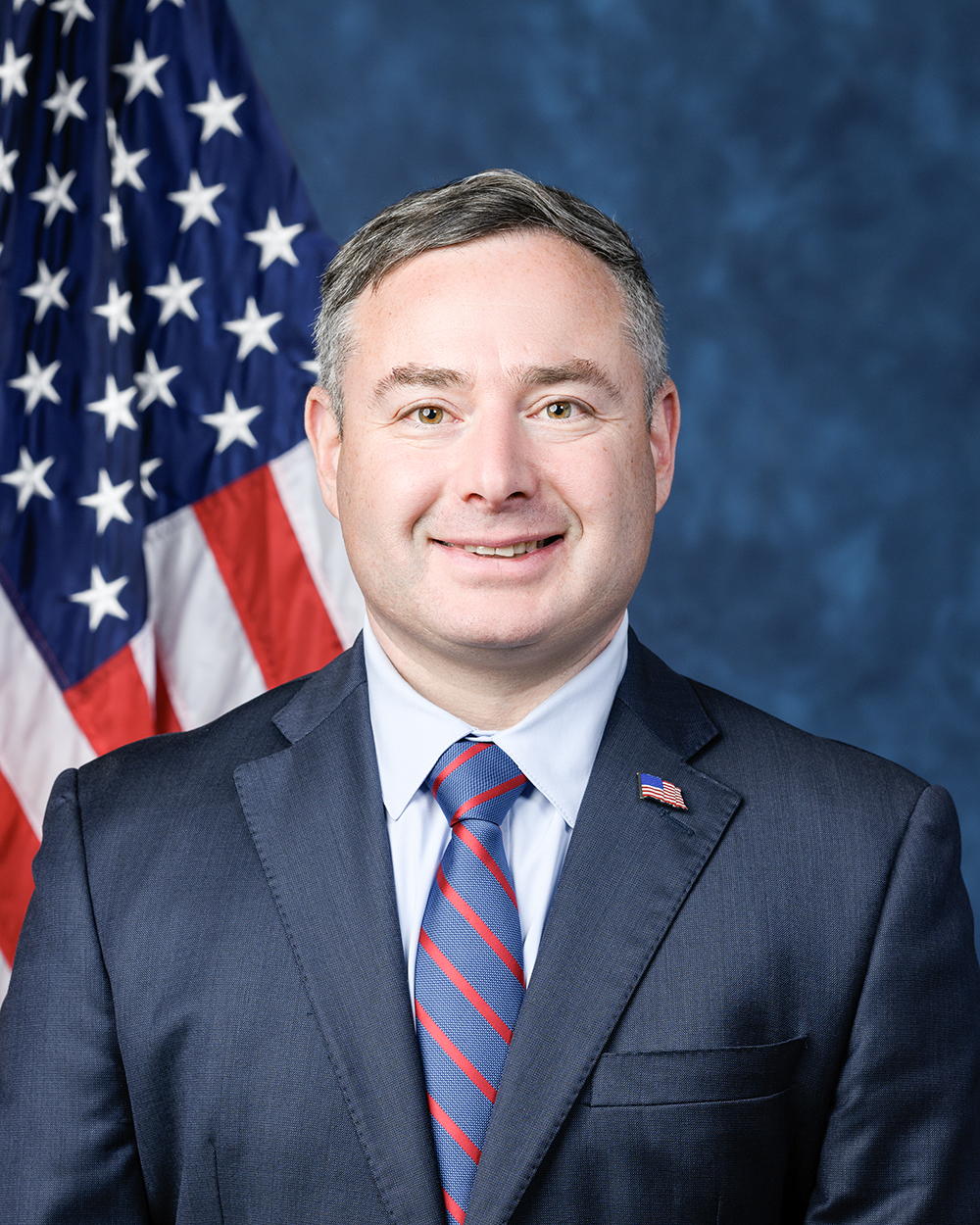
Rep. Eugene Simon Vindman
Sponsored bills
Maddy summaryThe Auto Reenroll Act of 2025 modifies retirement savings plan rules to allow automatic re-enrollment for employees who previously opted out. Specifically, it permits employers to automatically place employees back into retirement contribution plans after 1-3 years (without requiring a new election), unless the employee actively chooses to remain opted out. This applies to 401(k) plans and similar retirement arrangements, directly affecting employees who had previously declined to contribute. The law ensures plans won’t be disqualified for using this automatic re-enrollment method, streamlining participation while respecting employee choice.
Maddy summaryThe Protect America's Workforce Act cancels an executive order issued on March 27, 2025, that excluded certain groups from federal labor-management relations programs, making it legally unenforceable. It also ensures that all collective bargaining agreements between federal agencies and labor unions, which were active as of March 26, 2025, remain fully effective until their agreed terms expire. This directly affects federal agencies, labor unions, and the employees covered by these agreements. The bill prevents federal funds from being used to implement the canceled executive order while preserving existing labor agreements.
Miracle on Ice Congressional Gold Medal Act This act provides for the award of Congressional Gold Medals to the members of the 1980 U.S. Olympic men's ice hockey team in recognition of the team's achievement at the 1980 Winter Olympic Games.
Maddy summaryThe HIRRE Prosecutors Act of 2025 establishes a federal grant program to help state, local, tribal, and territorial prosecutor offices hire, retain, and train prosecutors and support staff. It authorizes $10 million annually (2026-2030) for competitive grants, covering up to 75% of eligible costs, with preference given to rural, tribal, and areas rehiring laid-off prosecutors. Grantees must cover the remaining 25% of costs (or qualify for a waiver), and funds cannot replace existing state/local funding but must supplement it. All funded projects require data tracking and annual performance evaluations by the Attorney General.
Maddy summaryThe Keeping All Students Safe Act prohibits the use of unlawful seclusion and restraint in schools receiving federal funding, including physical restraint that restricts breathing or blood flow, chemical restraint not prescribed for medical treatment, and mechanical restraint. The bill requires schools to use less restrictive interventions first, mandates that staff using physical restraint be trained and certified through State-approved programs, and requires immediate parent notification after any restraint incident. States must develop plans to monitor compliance, collect and report data on restraint incidents (disaggregated by race, disability status, and school type), and implement positive behavioral interventions. The bill provides $40 million annually for five years to support states in implementing these requirements and improving school climate through evidence-based approaches.
Maddy summaryThis bill amends the Higher Education Act to extend the loan limits for graduate and professional students indefinitely. It removes the previous expiration date (June 30, 2026) for these limits, meaning graduate and professional students will continue to have access to the same federal loan amounts without a set end date. The key change modifies Section 455(a) by eliminating the sunset provision and updating the effective date language in the law. This directly affects students pursuing advanced degrees who rely on federal loans for tuition and living expenses. The bill makes a technical adjustment to existing student loan policy without creating new benefits or altering eligibility criteria.
Maddy summaryHR 6679, the Tech Wellness for Young Men Act, directs the Department of Health and Human Services to conduct a national study on screen addiction impacts for young men aged 12-25. The study will examine links between excessive screen use and issues like depression, anxiety, academic performance, relationship erosion, and reduced civic engagement, consulting experts and community organizations. The resulting report, due to Congress within 18 months, will identify affected subgroups and summarize findings, but the bill itself does not impose new regulations or funding. This is a procedural study bill focused on gathering data, not implementing policy changes.
Maddy summaryThe Safer Schools Act of 2025 establishes a 5-year federal pilot program providing grants to public schools for security risk assessments and physical security upgrades. Public schools that have experienced violent incidents involving multiple people are prioritized for both types of grants. Schools receiving assessment grants must first identify vulnerabilities, while improvement grants fund specific security measures like panic alarms linked to local police, with federal funds covering up to 50% of costs. The program allocates $600 million total ($100M-$300M annually), requiring schools to submit financial reports and post-implementation safety surveys, with annual congressional reports tracking outcomes.
Maddy summaryHR 6680, the Tech Wellness for Men Act, directs the Department of Health and Human Services to conduct a national study on screen addiction among men aged 25-64. The study will examine links between screen overuse and depression, anxiety, workforce impacts, social isolation, and healthcare costs, with specific focus on veterans, unemployed men, and rural/urban differences. It requires a public report of findings within 18 months of enactment, including mental health resource recommendations. This bill does not create new programs or funding but mandates data collection to inform future policy.