Maddy summaryThis bill prohibits certain electric utilities from paying executive bonuses if their customer rate increases exceed the annual inflation rate (CPI-U). It directly affects state-regulated electric utilities not wholly owned by U.S. persons, including their C-suite executives (e.g., CEOs, CFOs). Key provisions require utilities to report rate changes and non-executive pay to FERC; FERC then determines if bonuses are allowed based on inflation and caps bonuses at 25% of non-executive median pay. Violations result in forfeited bonuses being refunded to customers, calculated by dividing the forfeited amount by the utility's customer count.
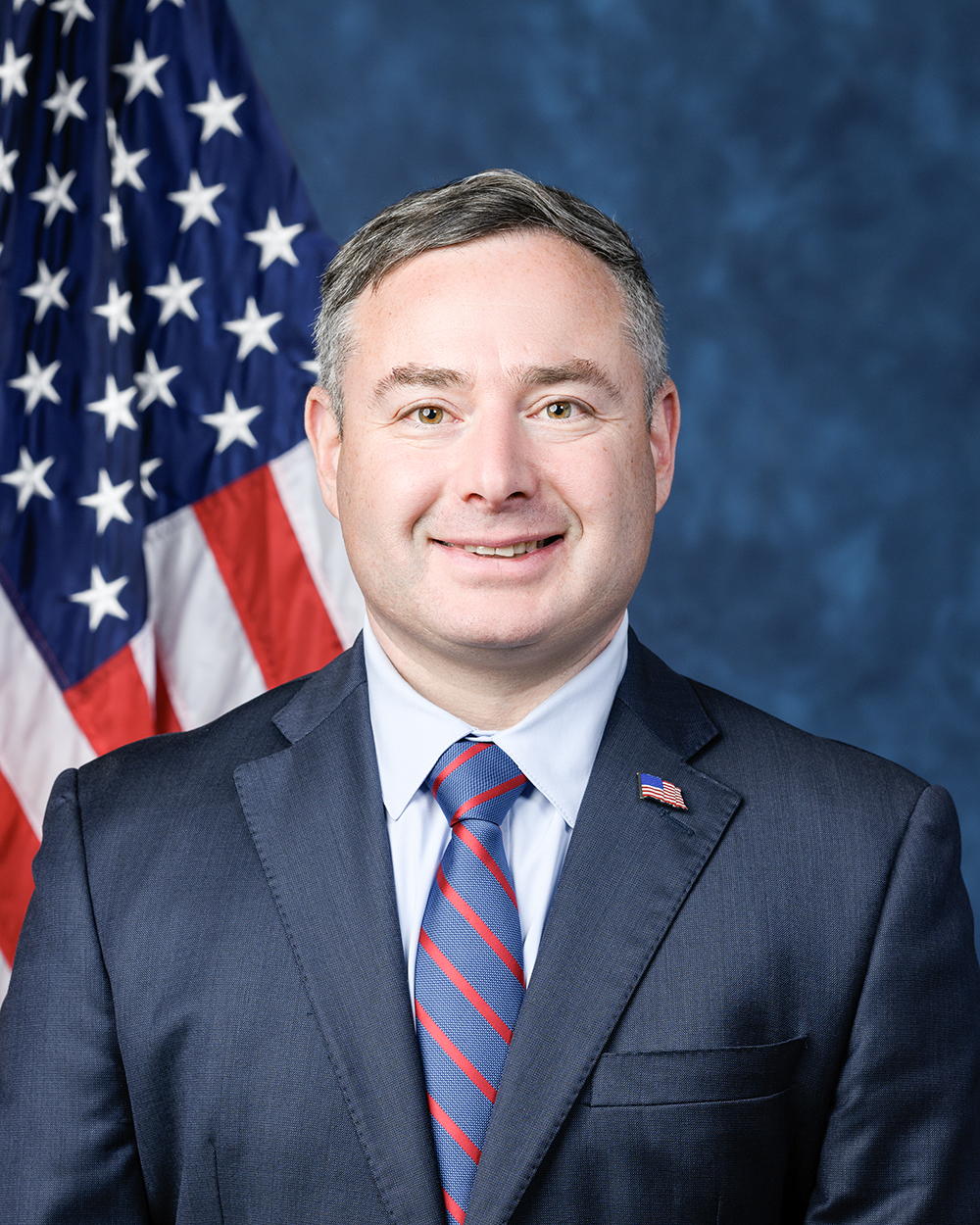
Rep. Eugene Simon Vindman
Sponsored bills
Maddy summaryHR 6499, the Assessing Safety Tools for Parents and Minors Act, directs the Federal Trade Commission (FTC) to review how technology companies promote online safety for minors under 17. The FTC must examine industry efforts like parental controls, age-appropriate content labels, and privacy settings to assess their effectiveness in reducing online harms, consulting with parents, experts, and industry. Within 6 months of enactment, the FTC must begin this review and submit a report to Congress within 3 years, including recommendations for improving online safety. The bill does not create new regulations but requires the FTC to evaluate existing industry practices and provide findings to lawmakers. This review directly affects the FTC and technology companies by mandating their participation in assessing current safety tools.
Maddy summaryThe Kids Internet Safety Partnership Act establishes a new program within the Commerce Department to improve online safety for children under 18. The program will work with parents, educators, online platforms, and experts to identify risks and benefits of digital services for minors, then develop practical safety guidelines. Within two years, it will publish a detailed guide for platforms on implementing features like age verification, parental controls, and design changes that reduce addictive elements (e.g., endless scrolling). The program will also release regular reports tracking how well platforms adopt these safety measures. The initiative will end after five years.
Maddy summaryThis bill requires the Federal Trade Commission (FTC) to launch a nationwide online safety education program within 180 days of enactment, targeting minors under 17. It mandates collaboration with schools, parents, online platforms, and nonprofits to promote best practices for safe internet use, including protection from harmful content (like adult material or cybercrimes) and mental health risks. The FTC must submit annual reports to Congress for 10 years detailing these efforts. The law directly affects minors, parents/guardians, schools, and online platforms through these educational initiatives, without restricting content or imposing new regulations.
Maddy summaryThis bill requires the Federal Trade Commission (FTC) and Health and Human Services (HHS) to study how social media platforms affect teenagers under 17, including data collection practices, algorithm use, targeted advertising, daily usage patterns, and mental health impacts. The study must examine both potential benefits and harms of social media use across age ranges and submit a report with policy recommendations to Congress within three years. It defines "social media platform" broadly to include public-facing apps and websites (but excludes email and internet service providers). The bill does not impose new regulations on platforms but mandates this research to inform future policy decisions.
Maddy summaryHR 6259, the "No Fentanyl on Social Media Act," requires the Federal Trade Commission (FTC) to produce a detailed report within one year of enactment. The report must examine how minors access fentanyl (including pressed pills) through social media platforms, covering sellers' methods, health risks, platform design impacts, and current measures by platforms, law enforcement, and medical professionals. It specifically asks for recommendations to reduce this access and mandates consultation with stakeholders like parents and medical experts. The bill does not ban fentanyl sales or create new penalties; it solely focuses on gathering information to inform future policy.
Maddy summaryHR 5360, the AWARE Act, requires the Federal Trade Commission (FTC) to create and publish public educational resources about AI chatbot safety within 180 days of the bill becoming law. These resources will specifically help parents, educators, and minors (under age 18) understand safe AI chatbot use, including how to identify risks, privacy practices, and supervision strategies. The FTC must model these materials after its existing Youville program. The bill defines "AI chatbot" as consumer-facing interactive AI systems but does not regulate or restrict chatbot development or use.
Maddy summaryThis bill increases federal student loan limits for graduate and professional students. Starting July 1, 2026, it sets a $50,000 annual limit and a $200,000 total aggregate limit (beyond undergraduate borrowing) for unsubsidized Federal Direct Stafford loans. These changes directly affect graduate and professional students pursuing advanced degrees who rely on federal loans for education costs. The provisions aim to provide higher borrowing capacity for these students' educational expenses under the Higher Education Act.
Maddy summaryHR 6597, the LET’S Protect Workers Act, increases civil penalties for employers violating key labor laws to strengthen worker protections. It raises fines for child labor violations to up to $700,000 per incident causing death or serious injury, and doubles penalties for repeated wage/hour violations (up to $50,000 per violation). The bill also significantly boosts OSHA penalties (e.g., up to $800,000 for serious violations), adds new retaliation penalties for mine safety violations (up to $200,000 for repeat offenses), and clarifies that recordkeeping violations continue until corrected. These changes apply to employers across sectors, including manufacturing, agriculture, and mining, under the Fair Labor Standards Act, Occupational Safety and Health Act, and Mine Safety Act.
Maddy summaryHR 5131 extends military land withdrawals for training at key facilities until 2051, including Fort Greely and Fort Wainwright in Alaska, Fort Bliss's McGregor Range in New Mexico, and Fort Irwin in California. It corrects specific land area descriptions for these ranges (e.g., adjusting acreage for McGregor Range from 608,385 to 605,401 acres and Fort Irwin from 110,000 to 117,710 acres). The bill directly affects military training operations by maintaining current land use without new restrictions or requirements. It makes no policy changes beyond extending existing withdrawals and fixing technical land description errors.