Issue · Transportation

Transportation

Every transportation bill, vote, and legislator stance in California, automatically classified by Maddy, our AI policy reader.

Total bills
231
2025-2026 Regular Session
Top supporter
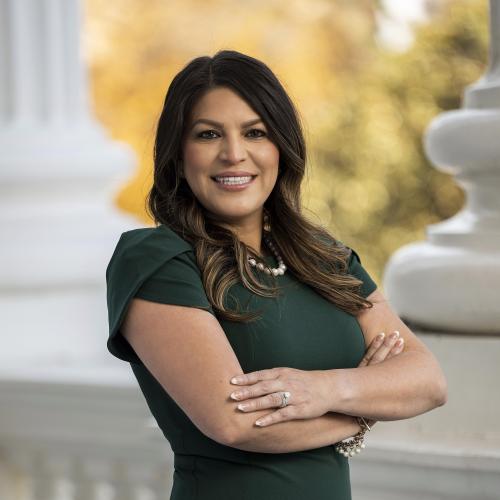
Esmeralda Soria
100% support rate
Top opponent
Natasha Johnson
3% support rate
Ranked legislators
10
5 support · 5 oppose
Key legislators

Who's moving transportation in California

Legislators moving transportation in California
Legislator Party Stance Support rate Votes
Esmeralda Soria
Esmeralda Soria House · District 27
D
Strong +
100% 140
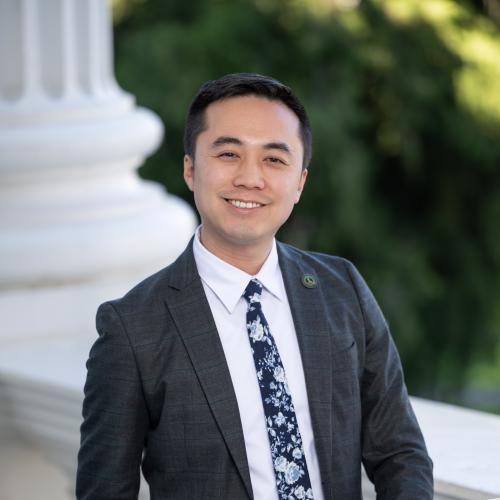
Alex Lee
Alex Lee House · District 24
D
Strong +
98% 168
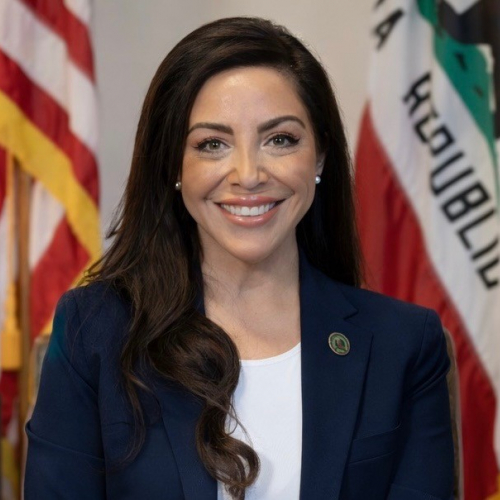
Rebecca Bauer-Kahan
Rebecca Bauer-Kahan House · District 16
D
Strong +
98% 105
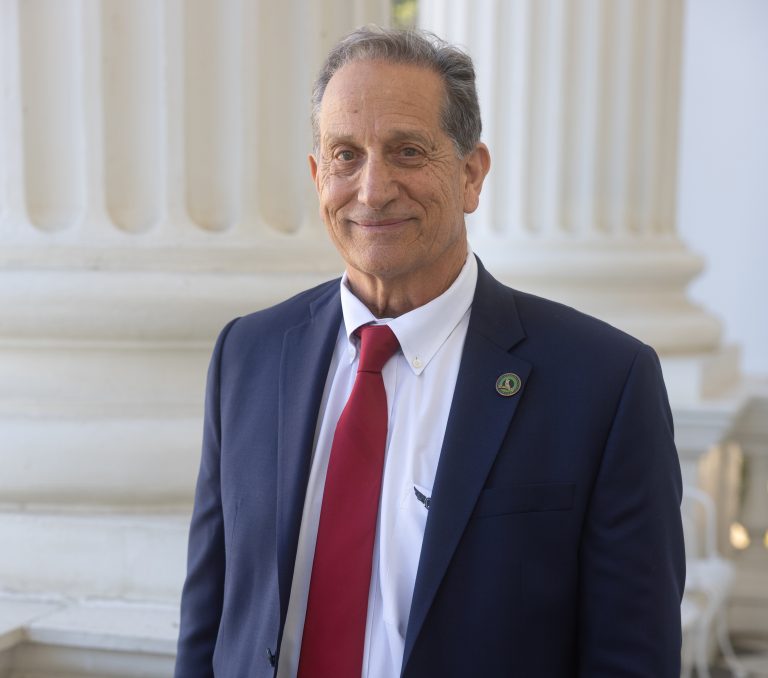
Diane Papan
Diane Papan House · District 21
D
Strong +
96% 135
Maggy Krell
Maggy Krell House · District 6
D
Strong +
96% 133
Natasha Johnson
Natasha Johnson House · District 63
R
Strong −
3% 85
Kate Sanchez
Kate Sanchez House · District 71
R
Strong −
4% 179
Stan Ellis
Stan Ellis House · District 32
R
Strong −
5% 172
Kelly Seyarto
Kelly Seyarto Senate · District 32
R
Strong −
6% 320
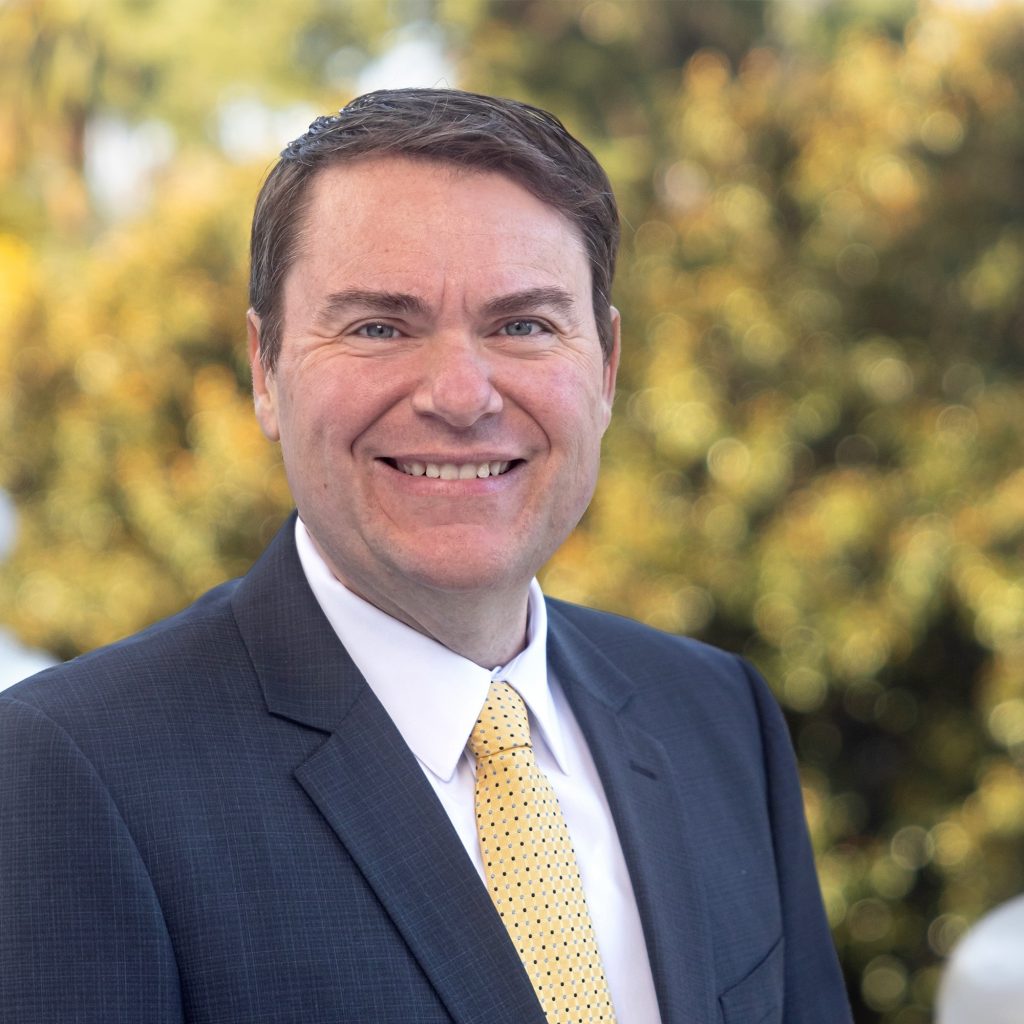
Carl DeMaio
Carl DeMaio House · District 75
R
Strong −
6% 179
Showing 61–70 of 231 bills

All transportation bills

signed · California · Senate Jul 16, 2026

SCR 117: Relative to the John Hughes Memorial Bridge.

This measure would designate the Butte City Bridge on State Route 162, in the County of Glenn, as the John Hughes Memorial Bridge. The measure would also request the Department of Transportation to determine the cost of appropriate signs showing this special designation and, upon receiving donations from nonstate sources to cover that cost, to erect those signs.
passed both · California · Senate Aug 26, 2026

SB 1425: High-Speed Rail Authority: property: operating right-of-way.

The California High-Speed Rail Act creates the High-Speed Rail Authority to develop and implement a high-speed rail system in the state, with specified powers and duties, including the power to acquire rights-of-way through purchase or eminent domain, as specified. This bill would establish a permit program, administered by the authority, for encroachments on the authority's operating right-of-way. The bill would make any person who installs or performs an encroachment within the authority's operating right-of-way, without a permit, guilty of a misdemeanor, except as provided. The bill would also make any person who willfully damages any feature of the high-speed train system or any portion of the authority's operating right-of-way guilty of a misdemeanor. The bill would provide for civil penalties for specified categories of encroachment and, unless authorized by law or an encroachment permit, would make it unlawful to manage water flows in certain ways that impact the high-speed train system or the authority's operating right-of-way, as specified. The bill would authorize the authority or the Attorney General to recover these civil penalties. The bill would require all moneys, including moneys from permit fees and civil penalties, collected pursuant to its provisions to be deposited into the High-Speed Rail Property Fund, except for the award of any reasonable attorney's fees and costs provided to the recovering agency to recoup the cost of litigation, as provided. The bill would, upon appropriation by the Legislature, make the penalty moneys available to the authority for use in the development, improvement, and maintenance of the high-speed rail system, and the fee revenues collected under the permit program available to the authority to administer the program. By creating new crimes, this bill would impose a state-mandated local program. The California Constitution requires the state to reimburse local agencies and school districts for certain costs mandated by the state. Statutory provisions establish procedures for making that reimbursement. This bill would provide that no reimbursement is required by this act for a specified reason.
Sub-Topics Rail
passed both · California · Assembly Aug 27, 2026

AB 2484: San Diego Metropolitan Transit System: transactions and use tax: voter initiatives.

The Mills-Deddeh Transit Development Act establishes the San Diego Metropolitan Transit Development Board, also known as the San Diego Metropolitan Transit System (MTS) , governed by a 15-member board with specified powers and duties related to the operation of public transit services in the southern portion of the County of San Diego. The act authorizes MTS to impose a transactions and use tax of up to 0.5% for public transit purposes within its jurisdiction, or a portion of its jurisdiction, pursuant to the Transactions and Use Tax Law and subject to voter approval and various other requirements. This bill would also authorize those taxes to be imposed by a qualified voter initiative. To the extent that the bill would impose additional duties on a county elections official, the bill would impose a state-mandated local program. The Transactions and Use Tax Law limits the combined rate of all taxes that may be imposed in accordance with that law in any county to 2%. This bill would prohibit the tax rate of 0.5% described above that may be imposed by MTS or a qualified voter initiative from being considered for purposes of the combined rate limit under the Transactions and Use Tax Law. The California Constitution requires the state to reimburse local agencies and school districts for certain costs mandated by the state. Statutory provisions establish procedures for making that reimbursement. This bill would provide that, if the Commission on State Mandates determines that the bill contains costs mandated by the state, reimbursement for those costs shall be made pursuant to the statutory provisions noted above.
failed · California · Assembly May 12, 2026

AB 1783: Vehicle miles traveled: local tax and state fund prohibition.

(1) Existing law sets forth various provisions on the use of state funds, including by prohibiting the use of a grant of state funds to assist, promote, or deter union organizing. This bill would prohibit a state agency from expending funds for the study, planning, testing, design, implementation, administration, or evaluation of a tax, fee, assessment, or charge based on vehicle miles traveled (vehicle miles purposes) . The bill would require the reversion of funds appropriated from the General Fund to another fund for vehicle miles purposes and would require the deobligation of encumbered but unexpended funds for those purposes. The bill would require the Department of Finance to, within 60 days of January 1, 2027, identify all relevant appropriations and ensure their reversion or transfer. The bill would additionally prohibit any future Budget Act from appropriating funds for vehicle miles purposes unless expressly authorized by statute, as described. (2) Existing law authorizes the legislative body of a city or county to impose various taxes, including occupancy taxes and sales and use taxes. Existing law also prohibits a city and county form imposing certain taxes, such as a tax upon income. This bill would prohibit a city, county, or any political subdivision thereof from imposing a tax, fee, assessment, or charge, that is calculated, in whole or in part, based on the number of miles traveled by a motor vehicle. The bill would not prohibit the collection of tolls for the use of specific facilities, as provided. The bill would provide that any existing program, pilot program, regulation, or administrative action inconsistent with this prohibition is void and unenforceable. The bill would include findings that changes proposed by this bill address a matter of statewide concern rather than a municipal affair and, therefore, apply to all cities, including charter cities.
in committee · California · Senate May 14, 2026

SB 1411: Greenhouse Gas Reduction Fund: funding conditions: high-speed rail.

Existing law creates the High-Speed Rail Authority to develop and implement a high-speed rail system in the state. Existing law requires moneys collected by the State Air Resources Board from the auction or sale of certain allowances as part of a market-based compliance mechanism to be deposited into the Greenhouse Gas Reduction Fund and continuously appropriates a portion of the moneys in the fund for various purposes, including a specified portion to the authority for certain purposes. Existing law prohibits the authority from entering into new funding commitments with those moneys for activities outside of the Merced to Bakersfield segment, until June 30, 2030, or when that segment is fully funded, whichever is sooner. Notwithstanding that prohibition, existing law authorizes the authority to enter into new funding commitments outside of the Merced to Bakersfield segment for certain purposes, including for additional activities, not to cumulatively exceed $500,000,000, that maximize the efficiency of delivering the project, as specified. This bill would revise and recast that authorization to instead authorize the authority to enter into new funding commitments with the above-described moneys outside of the Merced to Bakersfield segment in any amount for activities related to early works, as defined, and for projects developed through public partnership agreements or public-private partnership agreements, subject to the requirements that those funding commitments maximize the efficiency of delivering the project and do not delay the completion of the Merced to Bakersfield segment, as specified. By expanding the purposes for which continuously appropriated moneys may be used, the bill would make an appropriation.
Sub-Topics Climate Change Rail
passed both · California · Senate Aug 30, 2026

SB 1218: Vehicle immobilization: illegal dumping violation penalties.

Existing law authorizes a peace officer, as defined, or a regularly employed and salaried employee who is engaged in directing traffic or enforcing parking laws and regulations, as specified, to immobilize a vehicle with a device made for that purpose, if the vehicle is found upon a highway or public lands within the officer or employee's jurisdiction, and the vehicle has been issued 5 or more notices of parking violations that are delinquent because the owner or person in control of the vehicle has not responded within the prescribed time period, or the registered owner has been issued 5 or more notices for failure to pay or failure to appear in court for traffic violations, as specified. Existing law allows a vehicle to be immobilized until the owner or person in control of the vehicle presents the immobilizing law enforcement agency with specified information, including evidence that all outstanding parking penalties have been paid. Existing law makes it unlawful and punishable as an infraction for a person to dump or cause to be dumped waste matter upon a public or private highway or road, upon private property without the consent of the owner, or in or upon a public park or other public property, as specified. Existing law also makes it unlawful and punishable as a misdemeanor for a person to place, deposit, or dump, or cause to be placed, deposited, or dumped, waste matter in commercial quantities, as specified. This bill would similarly authorize the immobilization of a vehicle with a device made for that purpose if the registered owner of the vehicle has been issued a certain number of notices of illegal dumping violation that are delinquent, or is known to have been issued a certain number notices for failure to pay or failure to appear in court for an illegal dumping violation, as specified.
Sub-Topics Roads & Highways
signed · California · Senate May 29, 2026

SCR 168: Relative to Motorcycle Safety Awareness Month in California.

This bill designates May 2026 as Motorcycle Safety Awareness Month in California. It affects state agencies and organizations that typically host public awareness campaigns or educational events. The measure requires no changes to existing laws or regulations; it simply establishes a specific timeframe for promoting motorcycle safety. By creating this designated month, the state provides a formal opportunity to focus public attention on rider safety without altering current legal requirements.
in committee · California · Assembly May 14, 2026

AB 1765: Vehicles: fee waivers for disabled veterans.

Existing law authorizes the Department of Motor Vehicles to issue special license plates or distinguishing placards to disabled veterans for purposes of certain parking privileges and fee exemptions. Commencing January 1, 2027, existing law exempts, except as specified, a vehicle that is owned by a disabled veteran, a former American prisoner of war, or a Congressional Medal of Honor recipient or a Purple Heart recipient, or the surviving spouse of a former American prisoner of war or Congressional Medal of Honor or Purple Heart recipient, who has elected to retain special license plates, that is of a type subject to registration under the Vehicle Code, and that is not used for hire, compensation, or profit, from certain fees imposed pursuant to the Vehicle Code and a vehicle license fee imposed for the privilege of operating specified vehicles. Existing law defines "vehicle" for purposes of these provisions as a passenger motor vehicle, a motorcycle, or a commercial motor vehicle of less than 8,001 pounds unladen weight. This bill would instead define a vehicle for purposes of the above-described provisions as a passenger motor vehicle, a motorcycle, or a commercial motor vehicle of less than 10,000 pounds unladen weight.
in committee · California · Assembly May 14, 2026

AB 2328: Vehicles: leaving the scene of an accident.

Existing law requires the driver of a vehicle involved in an accident resulting in injury to a person, other than that driver, or in the death of a person, to immediately stop the vehicle at the scene of the accident and provide specified personal information to the injured person or the occupants of the other vehicle and to any traffic or police officer at the scene of the accident. Under existing law, if a vehicle accident results in injury, a person who violates the requirement to stop is subject to punishment by imprisonment in the state prison, or in a county jail for not more than one year, or by a specified fine, or both the imprisonment and fine. Under existing law, if a vehicle accident results in permanent, serious injury or death, a person who violates the requirement to stop is subject to punishment by imprisonment in the state prison for 2, 3, or 4 years, or in a county jail for not less than 90 days nor more than one year, or by a specified fine, or both the imprisonment and fine. Existing law requires a person who flees the scene of the crime after committing specified vehicle manslaughter while intoxicated or vehicle manslaughter to be punished for an additional term of imprisonment of 5 years in the state prison, upon conviction, and in addition and consecutive to the punishment prescribed. This bill would instead require a person who violates the requirement to stop to be subject to punishment by imprisonment in the state prison for 3, 4, or 5 years, or in a county jail for not less than 90 days nor more than one year, and by a specified fine, if the vehicle accident results in death.
Sub-Topics Corrections Policing
passed · California · Senate Aug 13, 2026

SB 1156: Vehicles: driving under the influence.

Existing law makes it a crime to operate a vehicle while under the influence of alcohol or drugs, and sets forth the penalties for a violation of these provisions. Under existing law, if a person is convicted of a driving under the influence violation and the offense occurs within 10 years of one or more separate driving under the influence violations that resulted in convictions, the offense is subject to escalating fines, suspensions, and other sanctions. This bill would require the Department of Motor Vehicles, upon an appropriation from the Legislature, to provide, as appropriate, a summary of the penalties for specified violations involving alcohol or drugs on specified vehicle registration materials and with each driver's license, and license renewal, as specified. The bill would require the department's summary to include, among other things, the financial consequences of driving under the influence (DUI) of alcohol or drugs, and annual updates to DUI-related statutes.
Showing 61 to 70 of 231 bills
Previous 1 6 7 8 24 Next