Issue · Energy

Energy

Every energy bill, vote, and legislator stance in California, automatically classified by Maddy, our AI policy reader.

Total bills
196
2025-2026 Regular Session
Top supporter
Jesse Arreguín
96% support rate
Top opponent
Tony Strickland
7% support rate
Ranked legislators
10
5 support · 5 oppose
Key legislators

Who's moving energy in California

Legislators moving energy in California
Legislator Party Stance Support rate Votes
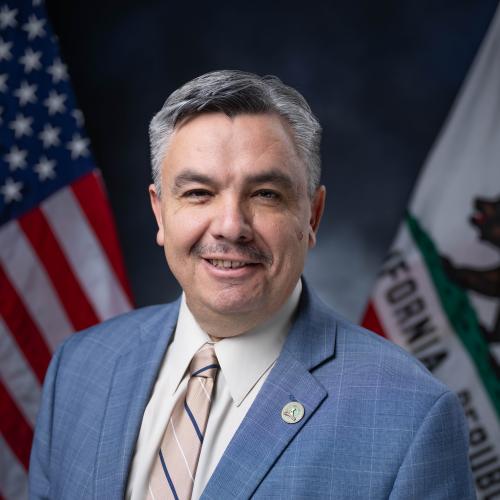
JA
Jesse Arreguín Senate · District 7
D
Strong +
96% 299
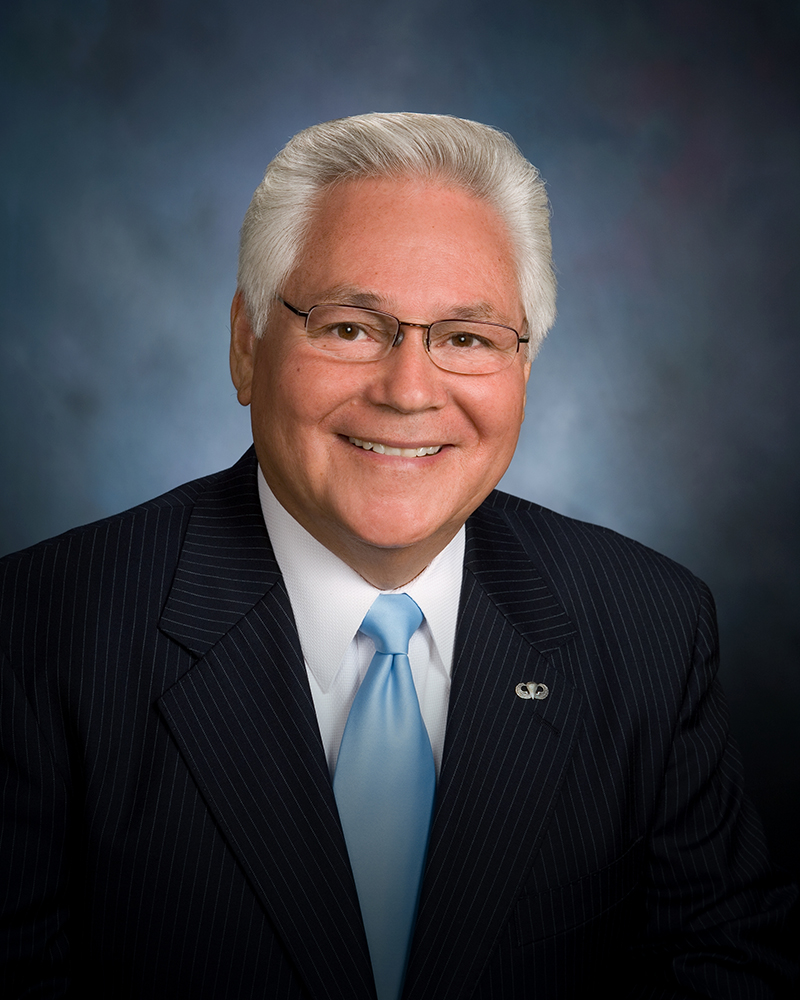
Juan Carrillo
Juan Carrillo House · District 39
D
Strong +
96% 188
Bob Archuleta
Bob Archuleta Senate · District 30
D
Strong +
96% 271
Aisha Wahab
Aisha Wahab Senate · District 10
D
Strong +
95% 344
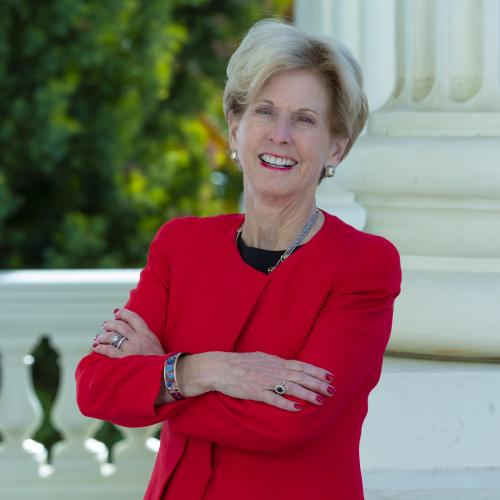
Esmeralda Soria
Esmeralda Soria House · District 27
D
Strong +
95% 155
Tony Strickland
Tony Strickland Senate · District 36
R
Strong −
7% 263
Diane Dixon
Diane Dixon House · District 72
R
Strong −
8% 246
Marie Alvarado-Gil
Marie Alvarado-Gil Senate · District 4
R
Strong −
9% 178
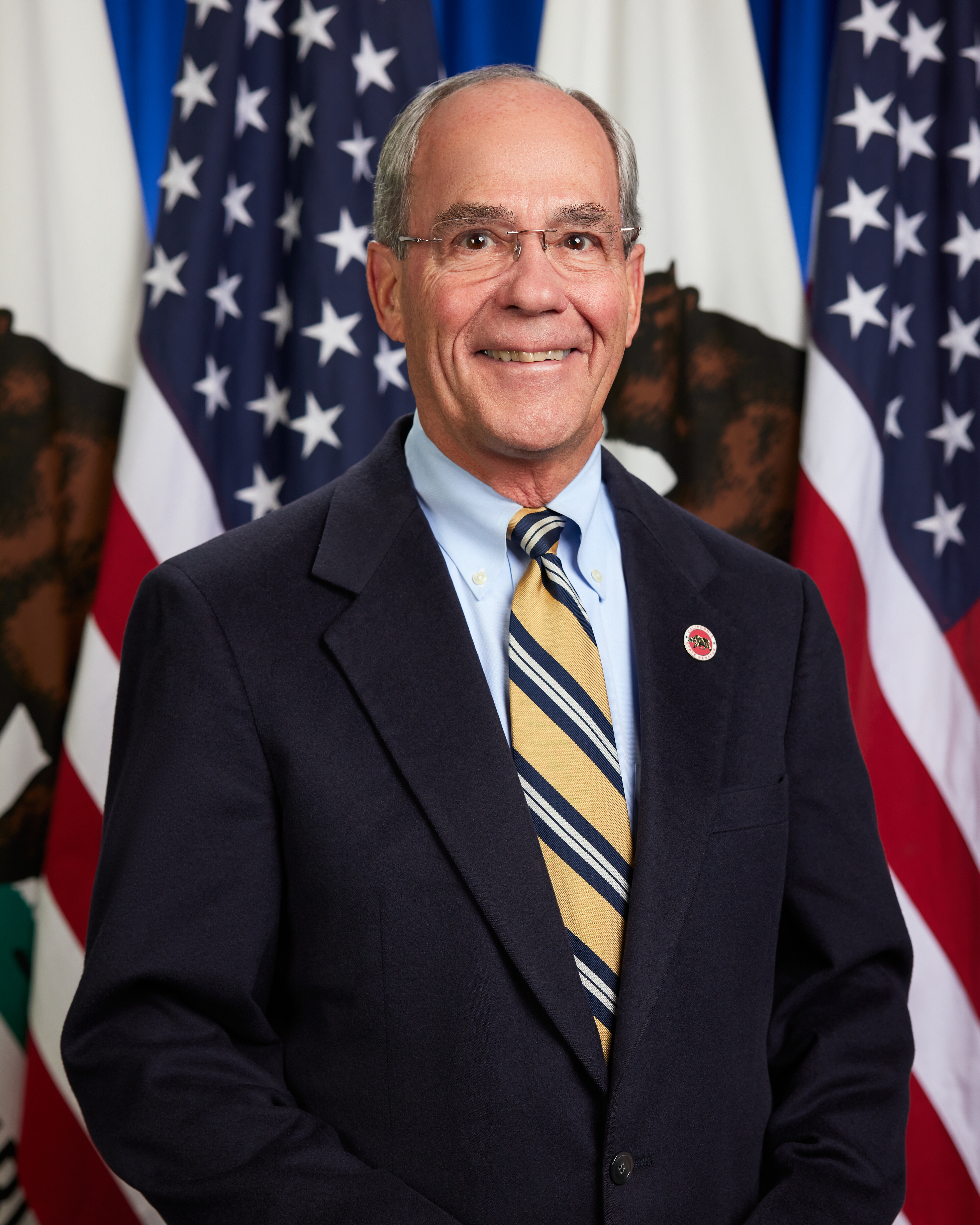
Roger Niello
Roger Niello Senate · District 6
R
Strong −
11% 217
Brian Jones
Brian Jones Senate · District 40
R
Strong −
11% 177
Showing 11–20 of 196 bills

All energy bills

passed both · California · Senate Aug 30, 2026

SB 1158: Energy: reliability planning assessment.

Existing law requires the State Energy Resources Conservation and Development Commission (Energy Commission) and the Public Utilities Commission (PUC) , on or before December 15, 2022, and quarterly thereafter, to submit to the Legislature a joint Reliability Planning Assessment that, among other things, includes prospective information on existing and expected resources, including updates on the interconnection status for renewable projects and any delays in interconnection, and expected retirements for both system and local resources. Existing law requires the Energy Commission to report in the energy almanac on California energy resources that serve load in California. This bill would require that the assessment also include the status of utility transmission upgrades and electrical grid infrastructure capacity and PUC approvals of applications for certificates of public convenience and necessity and permits to construct utility and independent projects, as specified.
in committee · California · Senate Mar 4, 2026

SB 1219: Energy efficiency programs: discontinuance of administration.

Existing law vests the Public Utilities Commission with regulatory authority over public utilities, including electrical corporations. Under existing law, the commission administers, or otherwise oversees, various public purpose programs, including energy efficiency and conservation programs, cost-effective energy efficiency programs, the Family Electric Rate Assistance program, the California Alternate Rates for Energy program, rate assistance programs for eligible food banks, and home insulation financial assistance programs. Under existing law, those programs are generally funded through a charge on electrical service, which is collected through customer rates. This bill would require the commission, no later than 180 days after filing, to consider and approve an electrical or gas corporation's application to discontinue administration of an energy efficiency program or an energy efficiency portfolio because the program is not cost effective, not reliable, or, in the case of an electrical corporation, because the program is not being used to meet unmet resource needs in its integrated resources planning framework, as provided. Because a violation of a commission order implementing this provision would be a crime, the bill would impose a state-mandated local program. The California Constitution requires the state to reimburse local agencies and school districts for certain costs mandated by the state. Statutory provisions establish procedures for making that reimbursement. This bill would provide that no reimbursement is required by this act for a specified reason.
Sub-Topics Conservation
signed · California · Senate Jun 29, 2026

SB 1350: Energy: renewable electrical generation facilities: definition.

Existing law defines a "renewable electrical generation facility" as a facility that uses biomass, solar thermal, photovoltaic, wind, geothermal, fuel cells or linear generators that use specified fuels, small hydroelectric generation of 30 megawatts or less, digester gas, municipal solid waste conversion, landfill gas, ocean wave, ocean thermal, or tidal current, and that meets other specified requirements. Existing law incorporates that definition into various programs, including the California Renewables Portfolio Standard Program, which requires the Public Utilities Commission to establish a renewables portfolio standard requiring all retail sellers, as defined, to procure a minimum quantity of electricity products from electrical generating facilities that meet that definition of "renewable electrical generation facility," and the net energy metering program, in which residential customers, small commercial customers, and commercial, industrial, or agricultural customers of an electrical utility, who use renewable electrical generation facilities, are eligible to participate, as specified. This bill would expand the definition of "renewable electrical generation facility" to include a facility that converts hydrogen gas to electricity in a turbine and meets specified criteria, including that the hydrogen used in the turbine is solely derived from an eligible renewable resource, as specified, or through the electrolysis of water, and exclusively uses electricity generated from another renewable electrical generation facility, and that the manufacturing of the hydrogen does not result in resource shuffling or use unbundled renewable energy credits, as specified. Under existing law, a violation of any order, decision, rule, direction, demand, or requirement of the commission is a crime. Because a violation of a commission action implementing this bill's requirements would be a crime, the bill would impose a state-mandated local program. The California Constitution requires the state to reimburse local agencies and school districts for certain costs mandated by the state. Statutory provisions establish procedures for making that reimbursement. This bill would provide that no reimbursement is required by this act for a specified reason. This bill would declare that it is to take effect immediately as an urgency statute.
Sub-Topics Waste Management
passed · California · Senate Aug 13, 2026

SB 1295: Electrical corporations: distributed energy storage systems.

Existing law requires the Public Utilities Commission to determine appropriate targets, if any, for each load-serving entity, as defined, to procure viable and cost-effective energy storage systems to be achieved by December 31, 2020. Existing law requires the commission to direct the state's 3 largest electrical corporations to file applications for programs and investments to accelerate widespread deployment of distributed energy storage systems. This bill would require an electrical corporation, as part of the distribution planning process, to evaluate whether distributed energy storage systems can meet the identified reliability or capacity need, as provided. The bill would require an electrical corporation, if it determines that a third-party alternative may be feasible, to conduct a competitive solicitation or other transparent process to evaluate third-party solutions. Under existing law, a violation of the Public Utilities Act or of any order, decision, rule, direction, demand, or requirement of the commission is a crime. Because the provisions of this bill would be part of the act, and a violation of a commission action implementing the bill's requirements would be a crime, this bill would impose a state-mandated local program. The California Constitution requires the state to reimburse local agencies and school districts for certain costs mandated by the state. Statutory provisions establish procedures for making that reimbursement. This bill would provide that no reimbursement is required by this act for a specified reason.
Sub-Topics Energy Storage
passed both · California · Senate Aug 30, 2026

SB 741: Low Carbon Transit Operations Program.

Existing law creates the Low Carbon Transit Operations Program to provide operating and capital assistance for transit agencies to reduce the emissions of greenhouse gases and improve mobility. Existing law requires the Department of Transportation to administer the program and to adopt guidelines, in coordination with the State Air Resources Board, that describe the methodologies to be used by a recipient transit agency to demonstrate that proposed expenditures will meet specified program expenditure requirements and establish the reporting requirements for documenting ongoing compliance with those expenditure requirements. This bill would repeal the requirement for the department to adopt guidelines. Existing law continuously appropriates a specified amount of money from the Greenhouse Gas Reduction Fund for the program and requires the Controller to allocate those moneys according to the requirements of the program. Existing law requires a recipient transit agency to demonstrate that expenditures of program moneys allocated to the agency reduce the emission of greenhouse gases and do not supplant other sources of funds. Existing law requires moneys for the program to be expended to provide transit operating or capital assistance that directly enhances or expands transit services, increases transit mode share, or is related to the purchase of zero-emission buses, as specified. Before seeking a disbursement of funds pursuant to the program, existing law requires a recipient transit agency to submit to the department a list of proposed expense types and documentation required by the guidelines that demonstrates compliance with the above-described expenditure requirements. For capital projects funded by the program, existing law requires a transit agency to specify the phases of work for which an allocation of program moneys is sought, identify sources and timing of all moneys required for those phases of work, and describe intended sources and timing of funding for subsequent phases of work, as provided. Existing law requires a recipient transit agency to provide an annual report to the department, as provided. Existing law requires the department and a recipient transit agency to comply with guidelines developed by the State Air Resources Board to ensure that the requirements of a certain investment plan are met to maximize the benefits to disadvantaged communities, as provided. This bill would revise and recast the program to, among other things, require program funds to be expended only on maintenance or expansion of bus, rail, or ferry services, transit fare subsidies, and network and fare integration technology improvements. By altering the permissible uses for which continuously appropriated funds may be used, the bill would make an appropriation. Before receiving program funds, the bill would require a recipient transit agency to submit to the department a list of services or programs to be funded by those funds, as specified. The bill would require the department to report to the Controller the recipient transit agencies that have submitted the list, and would, upon receipt of the report from the department, require the Controller to allocate program funds. The bill would require a recipient transit agency to report to the department on the expenditure of program funds, as specified.
Sub-Topics Rail
passed · California · Senate Jun 24, 2026

SB 1265: California Alternative Energy and Advanced Transportation Financing Authority: GoGreen Program.

Under existing law, the purpose of the California Alternative Energy and Advanced Transportation Financing Authority Act is to advance the state's goals of reducing the levels of greenhouse gas emissions, increasing the deployment of sustainable and renewable energy sources, implementing measures that increase the efficiency of the use of energy, creating high quality employment opportunities, and lessening the state's dependence on fossil fuels and to that end to provide an alternative method of financing in providing and promoting the establishment of facilities utilizing alternative methods and sources of energy and facilities needed for the development and commercialization of advanced transportation technologies. Existing law establishes the California Alternative Energy and Advanced Transportation Financing Authority to carry out that purpose. Existing Public Utilities Commission decisions established the California Hub for Energy Efficiency Financing program, administered by the authority and funded through charges collected by specified electrical corporations and gas corporations from their ratepayers. This bill would require the authority to administer the GoGreen Program, previously known as the California Hub for Energy Efficiency Financing program, and would authorize the authority to use moneys collected from the ratepayers of electrical and gas corporations, as directed by the commission, and other available funding sources, consistent with the program's purposes. The bill would require the program to provide financing assistance to participating lenders to support residents in financing eligible energy efficiency and decarbonization measures at costs that are competitive with or below market rates. The bill would authorize the authority to receive, administer, and deploy additional moneys from federal, state, local, or private sources to support and expand the GoGreen Program, if those moneys are used in a manner consistent with the program's goals and the parameters of the funding source. The bill would create the GoGreen Program Fund in the State Treasury and would make all moneys in the fund available, upon appropriation by the Legislature, to the authority for expenditure, as provided.
Sub-Topics Climate Change
in committee · California · Senate May 14, 2026

SB 1327: Weights and measures: electric vehicle supply equipment: state authority.

Existing law vests the State Energy Resources Conservation and Development Commission with various responsibilities for developing and implementing the state's energy policies. This bill would require the commission to adopt regulations, no later than July 1, 2027, to protect consumers from inaccurate electric vehicle supply equipment, as provided. Existing law governs weights and measures in this state, and authorizes the Secretary of Food and Agriculture and each sealer acting under the supervision and direction of the secretary to enforce those provisions, as specified. Existing law requires the secretary to provide by rules and regulations for the submission for approval of types or designs of weights, measures, or weighing, measuring, or counting instruments or devices, used for commercial purposes, and to issue certificates of approval of those types or designs as the secretary finds meet the requirements of state law, as specified. This bill would, beginning on the date that the commission adopts the above-described regulations, provide that the provisions described above do not apply to the types or designs of weights, measures, or weighing, measuring, or counting instruments or devices, associated with electric vehicle supply equipment, as defined. Existing law governing weights and measures provides that there is in each county the office of county sealer of weights and measures to administer those provisions in the county. This bill would specifically authorize a county sealer to test and certify the accuracy of electric vehicle supply equipment and would require any inspection and enforcement conducted by a county sealer for electric vehicle supply equipment to comply with requirements adopted by the commission pursuant to above-described regulations. The bill would make these provisions operative on the date that the commission adopts the above-described regulations. Existing law authorizes a county sealer to test and verify as correct any electric vehicle charger, as defined, operated by a public agency that is located in the county in which the sealer has jurisdiction, as provided. Existing law, until January 1, 2028, provides that electric vehicle supply equipment that has previously been placed in service by a service agency or sealer is not required to be retested or placed in service in certain situations, as provided. This bill would make any regulations adopted by the secretary for purposes of the former provision inoperative on the date that the commission adopts the above-described regulations. This bill would make the latter provision inoperative on January 1, 2028, or on the date that the commission adopts the above-described regulations, whichever is sooner, and would repeal that provision on January 1 of the following year.
Sub-Topics Electric Vehicles
passed both · California · Senate Aug 30, 2026

SCR 180: Hydrogen: decarbonization tool.

This measure would recognize hydrogen as a key decarbonization tool when produced, transported, and utilized in accordance with a carbon intensity standard that ensures verifiable lifecycle greenhouse gas reductions; supports the continued development and refinement of carbon intensity frameworks to guide hydrogen policy, investment, and deployment; encourages state agencies to prioritize hydrogen deployment; and urges coordination to ensure hydrogen projects advance economic development, workforce opportunities, and environmental justice outcomes.
in committee · California · Senate May 14, 2026

SB 1183: Large-scale solar: Central Valley: study.

Existing law establishes the Office of Land Use and Climate Innovation in state government in the Governor's office to serve the Governor and Governor's Cabinet as staff for long-range planning and research, and constitute the comprehensive state planning agency. Existing law provides state goals for the installation of solar energy systems through, among other programs, the California Solar Initiative. This bill would require, on or before January 1, 2029, and upon appropriation by the Legislature, the Office of Land Use and Climate Change to complete a study on the impacts of large-scale solar on the land use planning, environment, and economy of the Central Valley region. The bill would require the Office of Land Use and Climate Change, in conducting the study, to consult interested parties, as specified. The bill would require the study to include an analysis of the impacts of large-scale solar on regional land use planning, the regional environment, and the regional economy. The bill would require the study to include recommendations on how to mitigate impacts of large-scale solar through changes to existing or the adoption of new state, regional, and local policy, as provided. This bill would make legislative findings and declarations as to the necessity of a special statute for the Central Valley region.
Sub-Topics Solar Climate Change
passed · California · Assembly Aug 13, 2026

AB 2516: California Grid Manufacturing Initiative.

Existing law establishes the Governor's Office of Business and Economic Development (GO-Biz) within the Governor's office and requires GO-Biz to serve the Governor as the lead entity for economic strategy and the marketing of California on issues relating to business development, private sector investment, and economic growth. Existing law creates within GO-Biz the Energy Unit to accelerate the planning, financing, and execution of critical energy infrastructure projects, as specified. This bill would require the Energy Unit, in coordination with other specified state entities, to establish the California Grid Manufacturing Initiative. The bill would require the Energy Unit to determine and provide appropriate forms of state assistance to address identified delays with critical electricity grid components, as defined, to incentivize new or existing in-state manufacturing of critical electricity grid components, and to provide support to joint procurement initiatives. This bill would require the Public Utilities Commission, as soon as practicable, and in consultation with the State Energy Resources Conservation and Development Commission and the Independent System Operator, to develop a process to identify critical electricity grid components and to assess the statewide need for critical electricity grid components for the next 10-year period. The bill would require the assessment to include identification of specific strategies to reduce delays and ratepayer costs associated with the procurement of critical electricity grid components. The bill would require the Public Utilities Commission to determine, for each critical electricity grid component, whether requiring electrical corporations to engage in the joint procurement of the critical electricity grid component would further the purposes of the bill, and if the commission makes that determination, and also determines that electrical corporations would benefit from the joint procurement, the bill would authorize the Public Utilities Commission to require electrical corporations to engage in a joint procurement to fulfill the projected purchasing needs of each participating electrical corporation for the critical electricity grid component, as provided. This bill would require electrical corporations that are required to engaged in a joint procurement pursuant to the bill to, not more than 12 months following the imposition of the requirement, take certain actions, including engaging in a joint cooperative process for the sourcing and negotiation of joint purchase agreements for the purchase of critical electricity grid components. This bill would authorize the Energy Unit to provide assistance to projects that establish or expand manufacturing capacity in California for critical electricity grid components, as specified. The bill would also authorize the Energy Unit to enter into production joint ventures with qualified private suppliers, as provided, and to provide bond financing and other assistance. The bill would authorize the Public Utilities Commission to authorize the recovery of costs incurred under the initiative only to the extent it determines those costs are just and reasonable, cost-effective, and aligned with state energy policy, as provided. To the extent the joint procurement results in costs below prevailing market prices for critical electricity grid components, the bill would require the commission to ensure that the difference is credited to ratepayers, as provided. Under existing law, a violation of an order, decision, rule, direction, demand, or requirement of the commission is a crime. Because a violation of a commission action implementing certain requirements of the bill would be a crime, this bill would impose a state-mandated local program. Existing law, the Bergeson-Peace Infrastructure and Economic Development Bank Act, establishes the California Infrastructure and Economic Development Bank (I-Bank) within GO-Biz and, among other things, authorizes the I-Bank to make loans, issue bonds, and provide financial assistance for various types of projects that qualify as economic development or public development facilities, as provided. This bill would create the California Grid Manufacturing Initiative Revolving Fund in the State Treasury for the purpose of providing financial assistance pursuant to the initiative. The bill would make the moneys in the revolving fund continuously appropriated for expenditure in accordance with the initiative. The bill would authorize the I-Bank, on behalf of the Energy Unit, to issue revenue bonds to finance procurement and manufacturing of critical electricity grid components, and would authorize the I-Bank to provide financial assistance, including financial assistance from the proceeds of the revenue bonds, to a participating party, as defined, in connection with the financing or refinancing of a project to establish or expand manufacturing capacity for critical electricity grid components. The bill would require the I-Bank to meet and confer with the Energy Unit for eligible projects and would provide that final authority to provide financial support to an eligible project resides with the Energy Unit. The bill would require the proceeds of any bonds to be deposited into the revolving fund and used exclusively for the purposes of the initiative. By establishing a continuously appropriated fund, the bill would make an appropriation. The California Constitution requires the state to reimburse local agencies and school districts for certain costs mandated by the state. Statutory provisions establish procedures for making that reimbursement. This bill would provide that no reimbursement is required by this act for a specified reason.
Sub-Topics Utility Regulation
Showing 11 to 20 of 196 bills