Issue · Criminal Justice

Criminal Justice

Every criminal justice bill, vote, and legislator stance in Wisconsin, automatically classified by Maddy, our AI policy reader.

Total bills
250
2025-2026 Regular Session
Top supporter
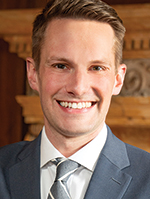
Jeff Mursau
70% support rate
Top opponent
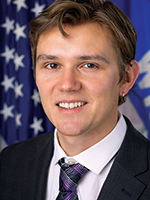
Ryan Clancy
32% support rate
Ranked legislators
10
5 support · 5 oppose
Key legislators

Who's moving criminal justice in Wisconsin

Legislators moving criminal justice in Wisconsin
Legislator Party Stance Support rate Votes
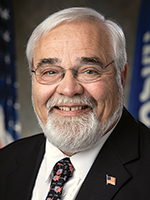
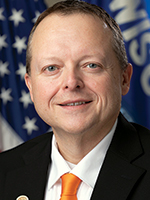
Jeff Mursau
Jeff Mursau House · District 36
R
Support
70% 54
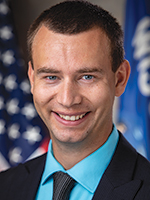
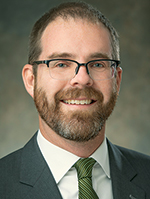
Will Penterman
Will Penterman House · District 38
R
Support
67% 48
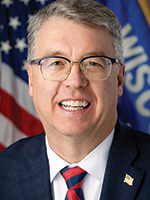
Brad Pfaff
Brad Pfaff Senate · District 32
D
Support
64% 36
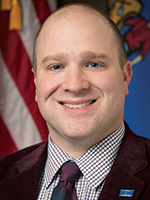
Eric Wimberger
Eric Wimberger Senate · District 2
R
Support
64% 36
Scott Krug
Scott Krug House · District 72
R
Support
64% 58
Ryan Clancy
Ryan Clancy House · District 19
D
Oppose
32% 53
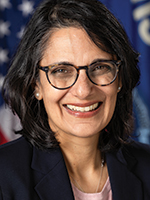
Renuka Mayadev
Renuka Mayadev House · District 77
D
Oppose
32% 58
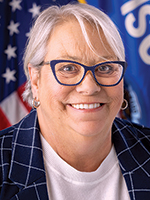
Christine Sinicki
Christine Sinicki House · District 20
D
Oppose
32% 58
Alex Joers
Alex Joers House · District 81
D
Oppose
32% 58
Christian Phelps
Christian Phelps House · District 93
D
Oppose
33% 57
Showing 71–80 of 250 bills

All criminal justice bills

failed · Wisconsin · Assembly Mar 23, 2026

AB 861: Relating to: the civil causes of action for human trafficking and trafficking a child.

AB 861 extends the statute of limitations for civil lawsuits related to child trafficking. It allows victims to file lawsuits for damages before reaching age 35, instead of the previous deadline. The bill specifically creates new legal provisions (895.439(2) and 893.586) to clarify this timeline for child trafficking cases. It does not change criminal penalties but ensures victims have more time to pursue civil claims, regardless of whether criminal charges were filed. The law directly affects minors who were trafficked and now have until their 35th birthday to seek legal remedies.
Sub-Topics Human Trafficking
failed · Wisconsin · Assembly Mar 23, 2026

AB 860: Relating to: written resource guides informing inmates and juveniles in custody of their rights and making an appropriation. (FE)

AB 860 requires state and county correctional facilities to provide written guides detailing inmates' and juveniles' rights, updated annually or after legal changes. These guides must account for individual circumstances like confinement status and location, and be posted throughout facilities, provided upon entry or transfer, and explained by staff to all affected individuals. The bill appropriates $200,000 for the Department of Administration to contract with legal organizations - including formerly incarcerated individuals - to develop these guides by June 2027. The law takes effect July 1, 2027, directly affecting all inmates in state prisons, county jails, and juveniles in youth facilities across Wisconsin.
failed · Wisconsin · Senate Mar 23, 2026

SB 864: Relating to: courtroom supports for and sealing the identifying information of child victims and child witnesses of human trafficking crimes. (FE)

SB 864 requires courts to seal the identifying information of child victims and witnesses in human trafficking cases, preventing public disclosure unless a judge holds a hearing and determines disclosure is necessary for justice after considering the child's safety and well-being. The bill also mandates that courts provide necessary courtroom supports - such as testimony accommodations - to protect the health, safety, and liberty of child victims or witnesses during legal proceedings. It directly affects minors involved in human trafficking prosecutions by ensuring their privacy and reducing trauma during court processes. The law applies specifically to cases under statutes addressing human trafficking crimes (940.302 and 948.051).
failed · Wisconsin · Senate Mar 23, 2026

SB 889: Relating to: immunity for certain controlled substances offenses for aiders and aided persons.

SB 889 creates legal immunity for individuals who assist someone experiencing a drug overdose and for the person receiving that assistance. Aiders (those seeking help during an overdose) cannot lose parole/probation or face prosecution for drug possession charges if they seek help "as soon as practicable" after recognizing the overdose. Aided persons (overdose victims) can avoid prosecution or parole revocation by completing a treatment program or accepting a deferred prosecution agreement that requires treatment. The bill directly affects people involved in overdose situations and shifts consequences from criminal penalties toward treatment for related drug offenses.
failed · Wisconsin · Assembly Mar 23, 2026

AB 841: Relating to: sex offender registration for certain crimes.

AB 841 expands Wisconsin's sex offender registration requirements by adding specific sexual assault and child abuse crimes to the list of offenses triggering registration. It updates the legal definition of "sex offense" to include violations of statutes covering crimes like sexual assault of minors, certain predatory acts, and offenses against children under 14. People convicted of these specific crimes will now be required to register as sex offenders, with the exception that the rule applies only when the victim was a minor and the offender was not the victim’s parent. This change directly affects individuals convicted of the newly listed offenses under Wisconsin law.
Sub-Topics Violent Crime
failed · Wisconsin · Senate Mar 23, 2026

SB 847: Relating to: written resource guides informing inmates and juveniles in custody of their rights and making an appropriation. (FE)

SB 847 requires state correctional institutions and juvenile facilities to create and maintain written "Know Your Rights" resource guides for inmates and juveniles. These guides must explain rights based on legal status, confinement type, and facility, and be updated annually or after legal changes. The guides must be posted in facilities, provided to new entrants or upon request, and explained by trained staff during intake or transfers. The bill appropriates $200,000 for developing these guides, with requirements to involve formerly incarcerated people in the process, and takes effect July 1, 2027.
failed · Wisconsin · Senate Mar 23, 2026

SB 844: Relating to: forensic examinations done on a crime victim to gather evidence, modifying administrative rules relating to reimbursement for forensic examinations, and making an appropriation. (FE)

SB 844 creates a $2.5 million biennial grant program to help healthcare facilities recruit and retain providers who conduct forensic exams for sexual assault, domestic abuse, or strangulation cases. It requires facilities to establish new positions or programs for these exams and guarantees reimbursement to providers regardless of whether victims cooperate with law enforcement. The bill modifies reimbursement rules to cover all exam costs (including STI prevention treatments) up to a $3,000 maximum per exam, adjusted annually for inflation. This directly affects healthcare facilities providing these services in counties needing additional exam providers.
failed · Wisconsin · Assembly Apr 14, 2026

AB 847: Relating to: grants for alternatives to prosecution and incarceration programs for persons with mental illness and making an appropriation. (FE)

AB 847 creates a state grant program providing $1.6 million annually to counties and tribes for mental health diversion programs. These programs offer alternatives to prosecution and incarceration for low-to-medium risk individuals with mental illness who interact with the criminal justice system, including deferred prosecution and restorative justice services. Eligible programs must provide holistic treatment (mental health care, housing, employment support), avoid including violent offenders, and collaborate with courts, prosecutors, and mental health providers. Counties receiving grants must submit annual reports on program impact, including effects on jail populations and participant outcomes, and comply with state audits. The bill aims to reduce incarceration costs, improve public safety, and address mental health needs through evidence-based approaches.
failed · Wisconsin · Senate Mar 23, 2026

SB 849: Relating to: the civil causes of action for human trafficking and trafficking a child.

This bill creates new civil legal paths for victims of human trafficking and child trafficking. It extends the deadline for filing lawsuits related to trafficking a child to age 35, allowing victims to seek civil remedies even if no criminal case was prosecuted. The bill also establishes that victims can pursue actual damages, punitive damages up to triple the actual amount, and attorney fees in these cases. It directly affects individuals harmed by trafficking who wish to pursue civil action against perpetrators.
Sub-Topics Human Trafficking
failed · Wisconsin · Assembly Mar 23, 2026

AB 849: Relating to: defining “direct result” for purposes of the affirmative defense for victims of human trafficking.

AB 849 amends Wisconsin statute 939.46(1m) to define "direct result" for an affirmative defense available to victims of human trafficking. The bill clarifies that victims who commit offenses (like theft or assault) to escape or prevent trafficking under s. 940.302(2) or s. 948.051 may use this defense if the offense has a logical causal connection to the trafficking violation, occurs immediately afterward, and is necessary for escape. It directly affects trafficking victims facing criminal charges for actions taken while escaping exploitation. The law removes the requirement that the trafficking violation must have been prosecuted or convicted for the defense to apply.
Showing 71 to 80 of 250 bills
Previous 1 7 8 9 25 Next