Issue · Criminal Justice

Criminal Justice

Every criminal justice bill, vote, and legislator stance in Wisconsin, automatically classified by Maddy, our AI policy reader.

Total bills
154
119th Congress
Top supporter
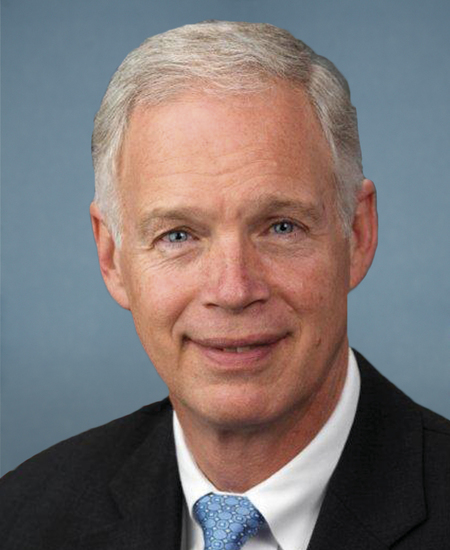
Ron Johnson
77% support rate
Top opponent
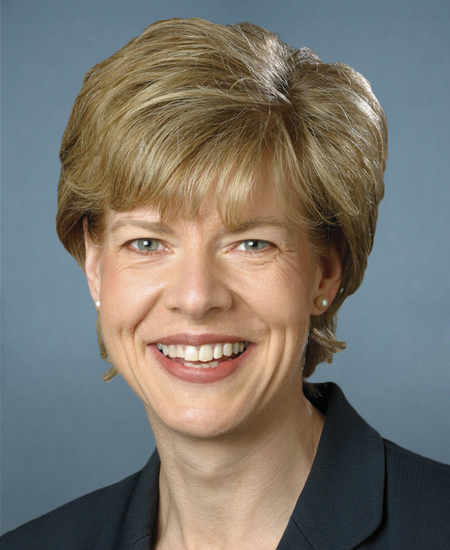
Tammy Baldwin
16% support rate
Ranked legislators
8
3 support · 5 oppose
Key legislators

Who's moving criminal justice in Wisconsin

Legislators moving criminal justice in Wisconsin
Legislator Party Stance Support rate Votes
Ron Johnson
Ron Johnson Senate
R
Support
77% 170
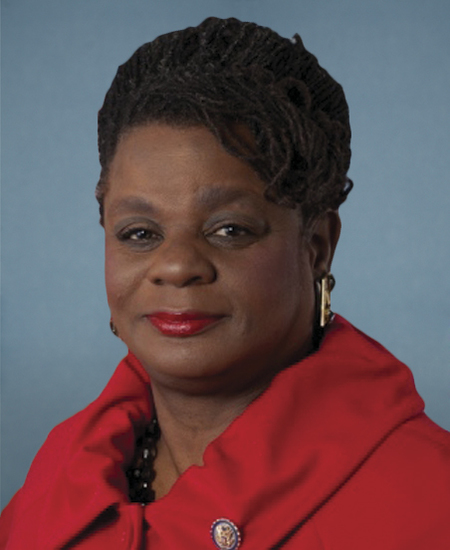
Gwen Moore
Gwen Moore House · District 4
D
Support
63% 152
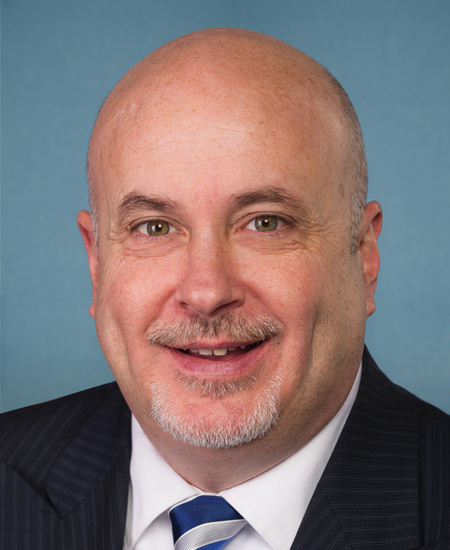
Mark Pocan
Mark Pocan House · District 2
D
Support
60% 154
Tammy Baldwin
Tammy Baldwin Senate
D
Strong −
16% 171
Scott Fitzgerald
Scott Fitzgerald House · District 5
R
Oppose
37% 154
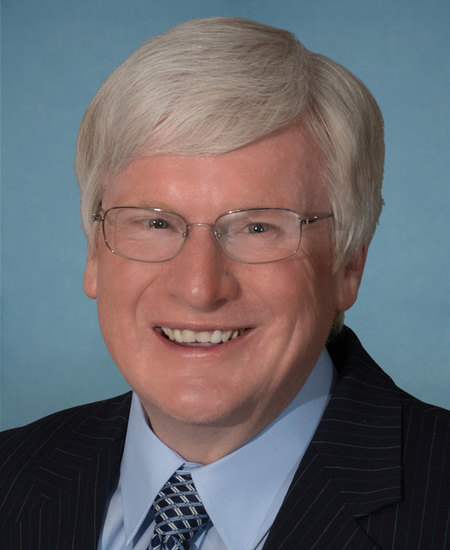
Glenn Grothman
Glenn Grothman House · District 6
R
Oppose
37% 150
Bryan Steil
Bryan Steil House · District 1
R
Oppose
37% 153
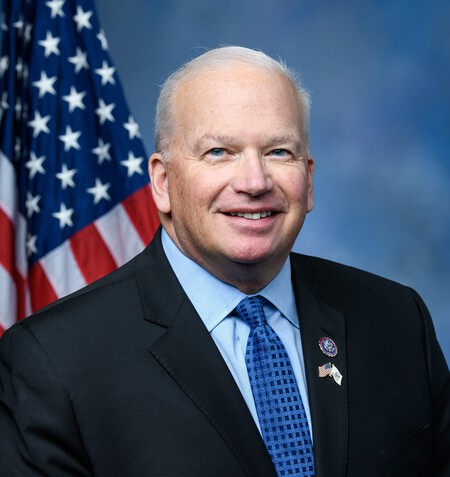
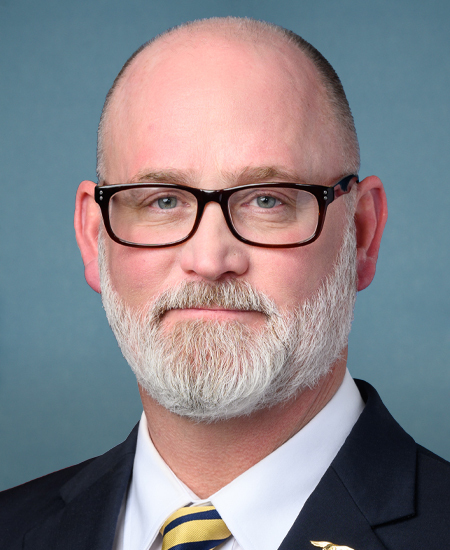
Derrick Van Orden
Derrick Van Orden House · District 3
R
Oppose
37% 148
Showing 1–10 of 154 bills

All criminal justice bills

in committee · United States · Senate Jul 30, 2026

S 5201: Lori Jackson-Nicolette Elias Domestic Violence Survivor Protection Act

The Lori Jackson-Nicolette Elias Domestic Violence Survivor Protection Act expands federal firearm restrictions to include individuals subject to any domestic violence restraining order, including temporary or emergency orders issued without the abuser's presence. It broadens the legal definition of an "intimate partner" to cover dating partners and other relationships protected by state laws, closing previous loopholes that allowed some abusers to keep guns. The bill also creates a federal grant program for states and tribes to fund the removal, storage, and return of firearms from individuals subject to these orders, requiring them to partner with local domestic violence service providers to ensure victim safety.
in committee · United States · Senate Aug 4, 2026

S 5231: Equity in Pretrial Health Coverage Act

The Equity in Pretrial Health Coverage Act removes federal restrictions that currently prevent individuals awaiting trial from accessing certain government health benefits. The bill amends laws governing Medicaid, Medicare, the Children's Health Insurance Program (CHIP), and Department of Veterans Affairs services to ensure these programs cover medical care for people in custody while their charges are pending. For children enrolled in CHIP, the legislation also mandates coverage for specific screenings and case management services during the 30 days leading up to their release. These changes take effect shortly after enactment, with the Department of Veterans Affairs provision becoming active immediately upon the bill's passage.
in committee · United States · House Aug 6, 2026

HR 10052: Right to Worship Act

The Right to Worship Act makes it unlawful for individuals to knowingly disrupt religious services or prevent people from entering houses of worship within 100 feet of an entryway during the hour before and after a scheduled service. The bill applies to conduct that meaningfully interferes with a service's normal operation or unreasonably hinders participation, while explicitly allowing free speech as long as it adheres to these specific time, place, and manner restrictions. Violators face escalating civil fines ranging from $2,500 for a first offense to $10,000 for subsequent offenses, assessed by the Attorney General. Additionally, the act permits aggrieved individuals, the U.S. Attorney General, or state attorneys general to file civil lawsuits seeking injunctive relief, compensatory damages, and attorney fees.
in committee · United States · House Jul 21, 2026

HR 9817: Justice for Incarcerated Moms Act

The Justice for Incarcerated Moms Act aims to improve maternal health outcomes for pregnant and postpartum individuals in the criminal justice system by restricting financial incentives for states that use restraints on pregnant inmates. Under the bill, states receiving federal justice grants would face a 25 percent funding penalty if they fail to implement laws limiting the use of shackles on pregnant individuals, with those withheld funds redirected to compliant states. The legislation also directs the Bureau of Prisons and the Department of Justice to create and fund programs in at least six federal facilities and across various state and local prisons that provide specialized prenatal care, mental health support, and reentry assistance. These programs are designed to address specific health disparities, particularly for racial and ethnic minority groups, by offering culturally competent care, nutrition counseling, and opportunities to maintain contact with newborn children. Additionally, the act requires an independent oversight organization to monitor program implementation and mandates a Government Accountability Office report to analyze maternal and infant health data within the correctional system.
in committee · United States · House Jul 30, 2026

HR 9983: Lori Jackson-Nicolette Elias Domestic Violence Survivor Protection Act

The Lori Jackson-Nicolette Elias Domestic Violence Survivor Protection Act aims to reduce intimate partner homicides by strengthening federal laws that prevent abusers from accessing firearms while restraining orders are active. It expands the definition of "intimate partner" to include dating partners and clarifies that emergency or temporary restraining orders must also trigger gun restrictions. The bill requires courts to automatically issue firearm surrender orders when a protection order is granted, mandating that abusers turn in their guns within 24 hours and prohibiting them from buying new ones for the duration of the order. Additionally, the legislation creates a new grant program to help states and local governments implement these surrender procedures and partner with domestic violence service providers.
in committee · United States · House Jul 3, 2026

HR 9579: Department of Homeland Security Office for Civil Rights and Civil Liberties Authorization Act

This bill establishes a new Office for Civil Rights and Civil Liberties within the Department of Homeland Security, led by an Officer who reports directly to the department head. The Office is tasked with overseeing compliance with civil rights laws, reviewing potential abuses or profiling by employees, and integrating these protections into all department policies and programs. It grants the Officer authority to investigate complaints, issue public reports on findings, and coordinate with other officials to ensure diverse communities are engaged effectively. Additionally, the legislation requires each major department unit to have its own civil rights officer and mandates annual reporting to Congress on the Office's activities and progress.
Sub-Topics Civil Rights Tags Civil Liberties
in committee · United States · House Jul 21, 2026

HR 9800: Protection Against Mass Surveillance Act

The Protection Against Mass Surveillance Act prohibits federal agencies from buying, using, or contracting for automated surveillance systems that rely on license plate recognition, facial recognition, biometric identification, or other technologies designed for mass tracking. It also prevents state, local, and tribal governments from using federal funds to acquire or operate these same surveillance tools. If federal agencies obtain data in violation of these rules, the law requires them to delete the information within 30 days and bars its use as evidence in any court or administrative proceeding.
in committee · United States · House Jul 14, 2026

HR 9665: VA Police Security Enhancement Act

The VA Police Security Enhancement Act expands the authority of Department of Veterans Affairs police officers to include protection of property and ensuring facility security, while also defining the specific areas where they have jurisdiction. To support these expanded duties, the bill requires the VA to create memoranda of understanding with local, state, and federal law enforcement agencies to facilitate coordination and allows officers to operate off VA property only in specific circumstances like hot pursuit or under a written agreement. The legislation mandates modernization of security measures, including access controls and surveillance systems, and establishes a dedicated funding account for officer employment, training, and security infrastructure that expires after three years. Additionally, the bill strengthens oversight by requiring the VA Secretary to provide Congress with regular reports on staffing, training, and enforcement activities, as well as data on arrests and use of force.
in committee · United States · House Jul 14, 2026

HR 9688: High Court Gift Ban Act

The High Court Gift Ban Act prohibits federal judicial officers from accepting gifts from sources likely to appear before them, unless the gift is under $50, the total annual value from that source remains $100 or less, or it falls under specific exceptions like gifts from relatives or public events. The law defines a "gift" broadly to include items, services, and reimbursements, while allowing exceptions for personal hospitality within IRS limits and certain professional benefits available to the general public. Enforcement mechanisms include referrals to the Attorney General for violations, which can result in civil or criminal penalties similar to those for other federal ethics breaches. The bill requires the Supreme Court and the Judicial Conference to create implementing regulations within 180 days of enactment to ensure compliance.
Sub-Topics Courts
in committee · United States · House Jul 15, 2026

HRES 1394: Condemning prosecution policies that give preferential treatment to foreign nationals over United States citizens.

This resolution expresses strong disapproval of local prosecution policies that allegedly offer special leniency to foreign nationals compared to U.S. citizens. It argues that such practices endanger public safety and violate federal civil rights laws by failing to treat all individuals equally under the law. The text calls on state and local prosecutors to ignore immigration status when deciding how to handle criminal cases and urges the Department of Justice to investigate these alleged preferential treatments. Ultimately, the measure aims to ensure that every crime is prosecuted to the fullest extent of the law regardless of the suspect's background.
Showing 1 to 10 of 154 bills
1 2 3 16 Next