Issue · Transportation

Transportation

Every transportation bill, vote, and legislator stance in Washington, automatically classified by Maddy, our AI policy reader.

Total bills
222
2025-2026 Regular Session
Top supporter
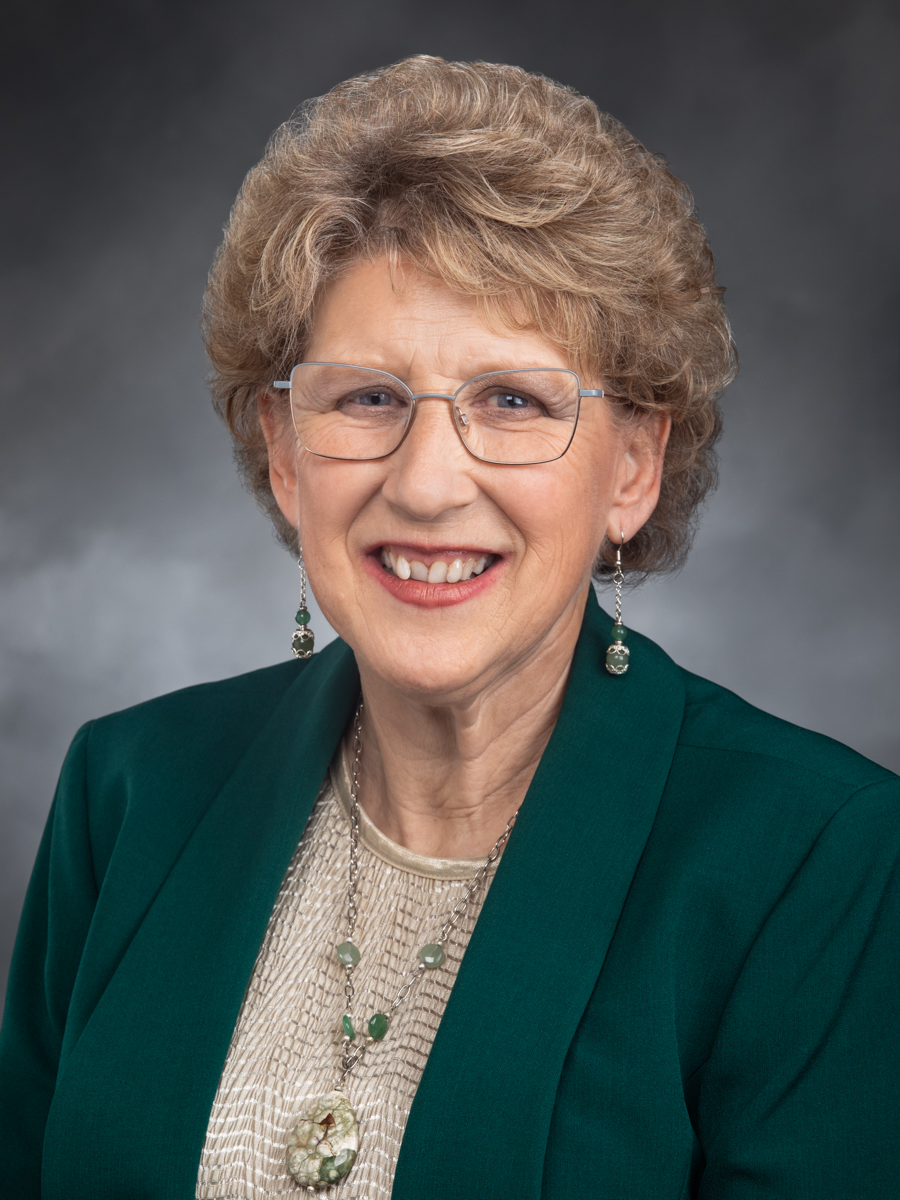
Lisa Callan
98% support rate
Top opponent
Shelly Short
5% support rate
Ranked legislators
10
5 support · 5 oppose
Key legislators

Who's moving transportation in Washington

Legislators moving transportation in Washington
Legislator Party Stance Support rate Votes
Lisa Callan
Lisa Callan House · District 5
D
Strong +
98% 94
Liz Lovelett
Liz Lovelett Senate · District 40
D
Strong +
97% 71
Darya Farivar
Darya Farivar House · District 46
D
Strong +
96% 94
My-Linh Thai
My-Linh Thai House · District 41
D
Strong +
96% 94
Sharlett Mena
Sharlett Mena House · District 29
D
Strong +
96% 94
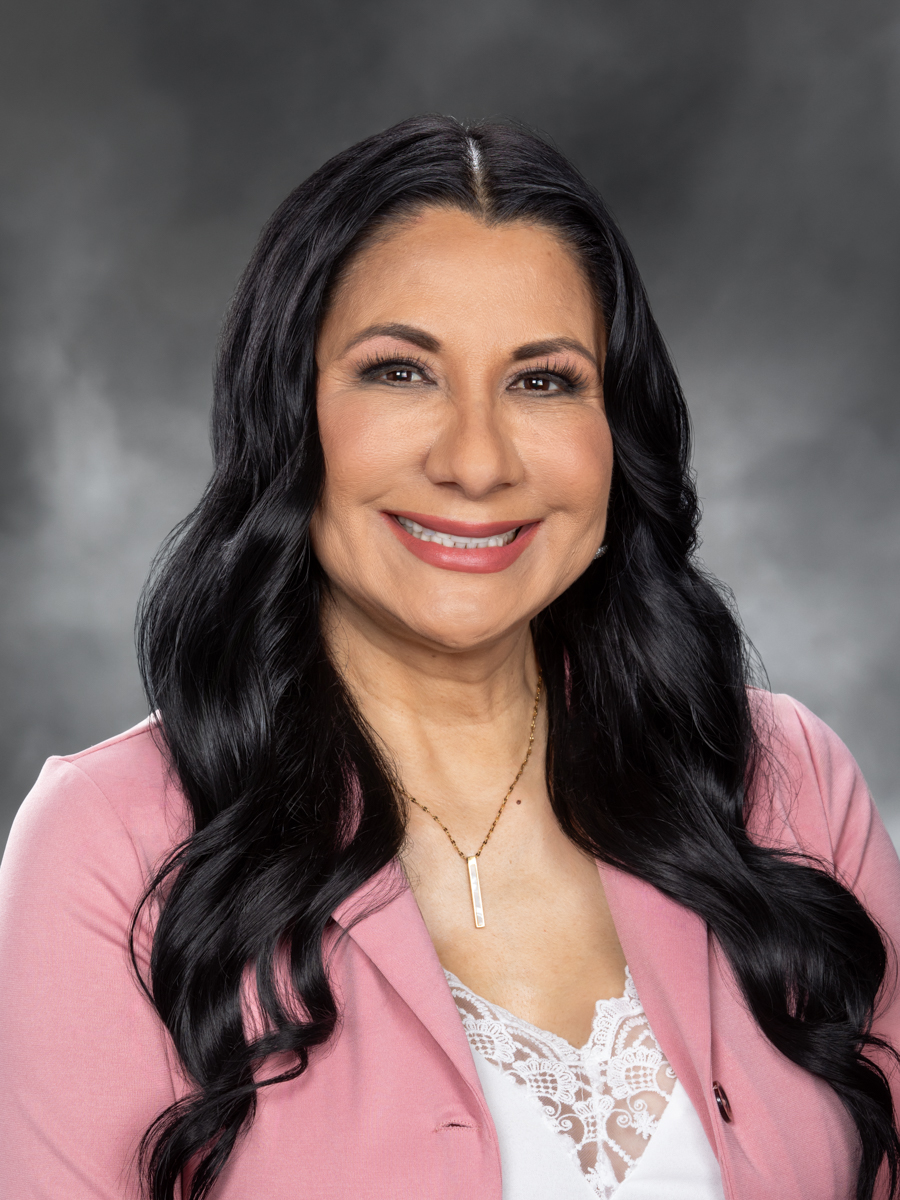
Shelly Short
Shelly Short Senate · District 7
R
Strong −
5% 72
Nikki Torres
Nikki Torres Senate · District 15
R
Strong −
5% 72
Gloria Mendoza
Gloria Mendoza House · District 14
R
Strong −
7% 62
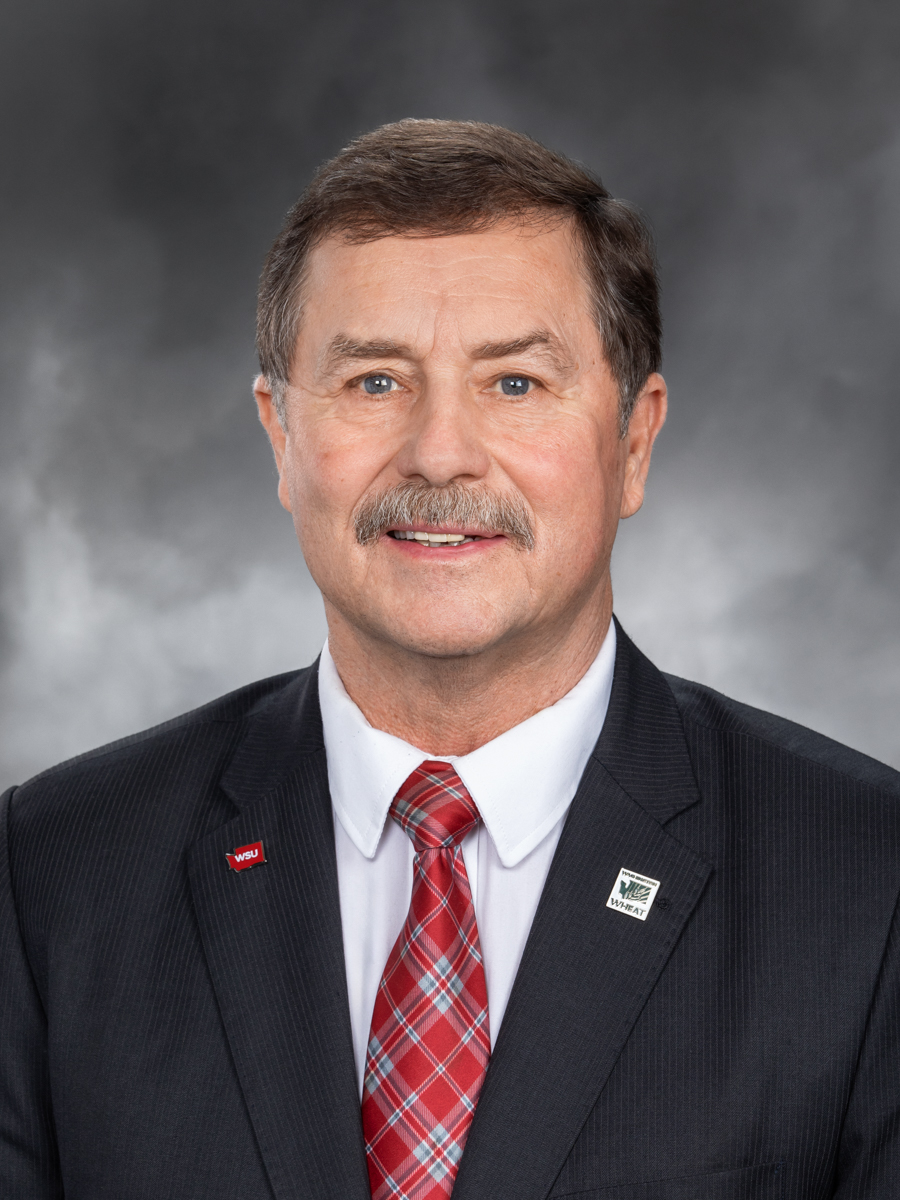
Mark Schoesler
Mark Schoesler Senate · District 9
R
Strong −
10% 72
Leonard Christian
Leonard Christian Senate · District 4
R
Strong −
10% 72
Showing 191–200 of 222 bills

All transportation bills

passed · Washington · Senate Jan 12, 2026

SB 5800: Authorizing bonds for transportation funding.

Senate Bill 5800 authorizes the state of Washington to issue $7 billion in general obligation bonds to fund highway projects, including their design, land acquisition, and construction. The proceeds from these bonds will be deposited into the "move ahead WA account" within the motor vehicle fund, designated solely for these transportation purposes. The state pledges its full faith and credit for these bonds, with repayment primarily drawn from state excise taxes on fuel and vehicle-related fees. Additionally, the bill increases the authorized bond amount for the State Route 520 corridor projects by $500 million, bringing that specific project's total funding authorization to $2.45 billion.
in committee · Washington · Senate Jan 12, 2026

SB 5664: Concerning impaired driving.

Washington State's SB 5664 lowers the legal blood alcohol concentration (BAC) limit for driving under the influence from 0.08 to 0.05. The bill amends statutes (RCW 46.61.502 and 46.61.504) to establish 0.05 as the threshold for DUI charges based on breath or blood test results within two hours of driving. It also updates provisions related to THC concentration limits and evidence rules for impaired driving cases. This change directly affects all drivers in Washington who operate vehicles while impaired by alcohol or drugs, aiming to align with global safety standards and address rising traffic fatalities linked to impaired driving.
Sub-Topics Traffic Safety
signed · Washington · Senate May 16, 2025

SB 5556: Modernizing the adopt-a-highway program to improve its ability to meet its original purpose within existing fiscal limitations.

SB 5556 modernizes Washington's adopt-a-highway program, affecting volunteer groups, businesses, and sponsors who participate in roadside clean-up and maintenance. The bill explicitly links the program's operation and recognition efforts to specific legislative appropriations, emphasizing fiscal limitations. It expands adoptable locations to include rest areas and park-and-ride lots, and clarifies that activities can include planting pollinator-friendly vegetation and graffiti removal. Additionally, it requires the Department of Transportation to submit annual reports on program participants and prohibits politically active organizations from participating.
Sub-Topics Roads & Highways
passed · Washington · Senate Mar 12, 2026

SB 5203: Ensuring connectivity for Washington wildlife through safe passages.

SB 5203 requires Washington's Departments of Fish and Wildlife and Transportation to develop and implement a statewide plan for protecting wildlife habitat corridors and building safe crossings (like overpasses and underpasses) to reduce animal-vehicle collisions. The bill creates a dedicated funding account, the Washington wildlife corridors account, which uses state funds and private donations to support projects such as land conservation, habitat restoration, and removing barriers like fences in key corridors. It mandates collaboration with tribes, federal agencies, and conservation groups, and requires annual reports on spending and progress toward reducing collisions (which cost over $74 million yearly). The law aims to protect habitats fragmented by development and climate change while improving highway safety.
in committee · Washington · House Jan 12, 2026

HB 2043: Concerning transportation resources.

HB 2043 addresses Washington's transportation funding challenges by creating new revenue sources to replace declining fuel tax income. It responds to rising construction costs and reduced fuel tax revenue caused by more fuel-efficient vehicles. The bill aims to ensure reliable funding for roads, transit, and infrastructure that support residents' mobility and the state's economic growth. It does not specify exact funding methods but targets multiple revenue streams to maintain transportation system service levels.
in committee · Washington · House Jan 12, 2026

HB 1772: Establishing shared streets.

HB 1772 establishes "shared streets" in Washington state, where pedestrians, cyclists, and vehicles share the same roadway space. Local governments can designate nonarterial streets as shared streets using official traffic signs, requiring vehicles to yield to pedestrians and cyclists while cyclists must yield to pedestrians. The bill also allows local authorities to set a 10 mph speed limit specifically on designated shared streets without needing an engineering study. This directly affects local governments (which can designate these streets), pedestrians, cyclists, micromobility device users (like e-scooters), and drivers navigating these shared spaces.
in committee · Washington · House Jan 12, 2026

HB 1989: Concerning assaults committed against transit employees or contractors.

HB 1989 amends Washington State law to make assaults against transit employees a class C felony. The bill specifically targets assaults occurring while transit workers - such as operators, drivers, supervisors, mechanics, or security personnel - perform their official duties for public or private transit companies. This expands existing assault penalties to include these workers, increasing the offense level from a gross misdemeanor to a felony. The law applies directly to anyone committing such assaults, with no mention of exceptions or additional requirements beyond the worker's duty status.
in committee · Washington · House Jan 12, 2026

HB 1086: Concerning motor vehicle chop shops.

HB 1086 makes it a crime to operate or aid in operating a chop shop (where stolen vehicles are dismantled or disguised for resale). It establishes new penalties: a class B felony for a first offense (up to 10 years in prison) and a class A felony for repeat offenses (up to 10 years for a second offense). The law requires convicted individuals to pay restitution to vehicle owners or insurers for financial losses, environmental cleanup costs, and other related expenses. It also allows law enforcement to seize and forfeit vehicles, tools, or equipment used in chop shop operations, while excluding licensed wreckers who unknowingly process stolen vehicles in good faith.
passed · Washington · Senate Feb 26, 2026

SB 5238: Addressing reckless driving in cases involving excessive speed.

This bill expands the definition of reckless driving in Washington state to include intentionally driving more than 30 miles per hour over the posted speed limit. This change means that drivers found guilty of this specific act would face the existing penalties for reckless driving. These penalties include a gross misdemeanor charge, potential imprisonment for up to 364 days, fines up to $5,000, and a license suspension of at least 30 days. The new provisions are scheduled to take effect on September 1, 2025.
in committee · Washington · House Feb 19, 2026

HB 1898: Concerning truck and trailer length limitations.

HB 1898 modifies Washington state's truck and trailer length limits on public highways. It increases the maximum permitted length for three-axle flatbed trucks carrying empty loads or agricultural products from 75 to 85 feet, while maintaining existing limits for most other vehicles (e.g., standard trucks capped at 40 feet, tractor-trailers at 53 feet). The bill also creates new exceptions for manufacturer/distributor inventory transport (up to 82 feet for two trailers under 26,000 pounds) and emergency utility repairs (with safety lighting requirements). These changes directly affect commercial trucking companies, agricultural haulers, and utility providers transporting oversized loads.
Sub-Topics Freight
Showing 191 to 200 of 222 bills
Previous 1 19 20 21 23 Next