Issue · Labor & Employment

Labor & Employment (Labor Standards)

Every labor & employment bill, vote, and legislator stance in Washington, automatically classified by Maddy, our AI policy reader.

Total bills
48
2025-2026 Regular Session
Top supporter
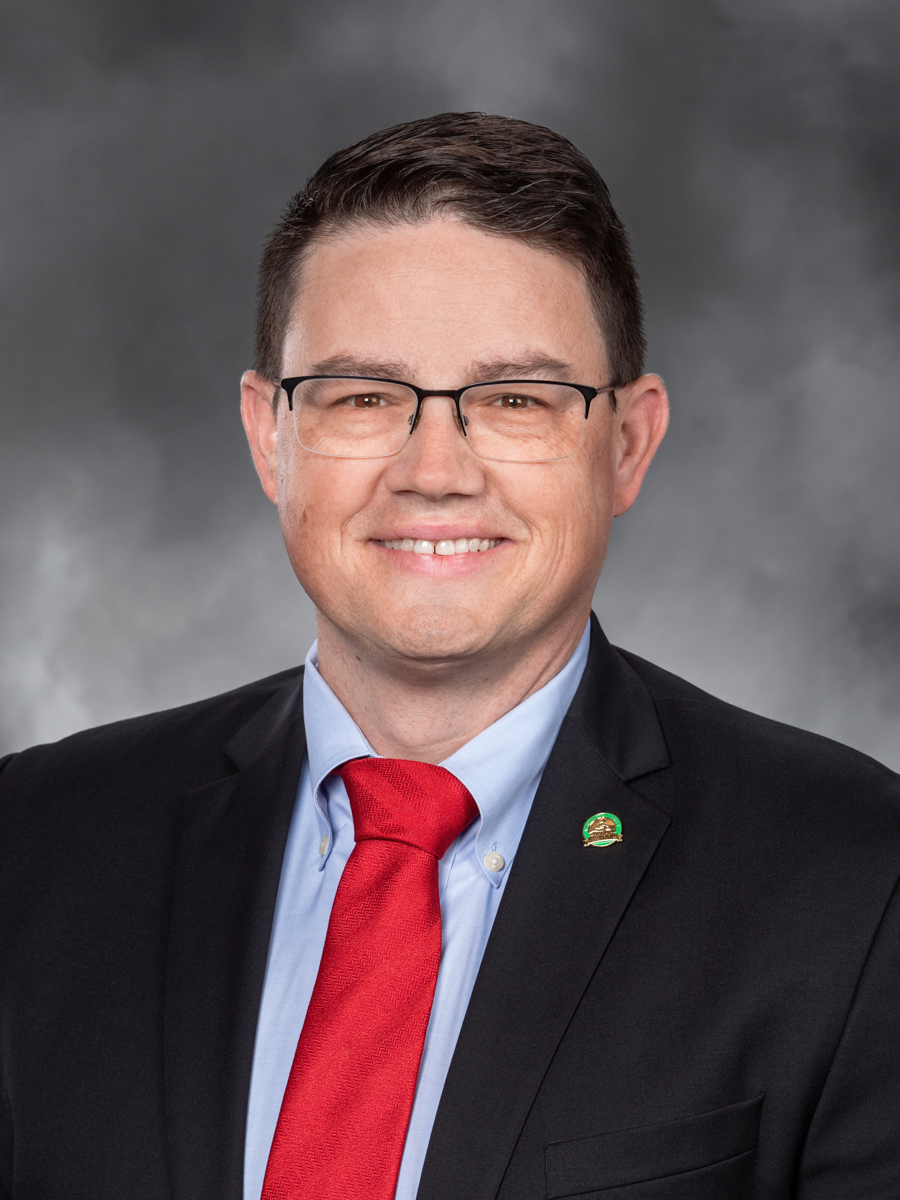
Adrian Cortes
100% support rate
Top opponent
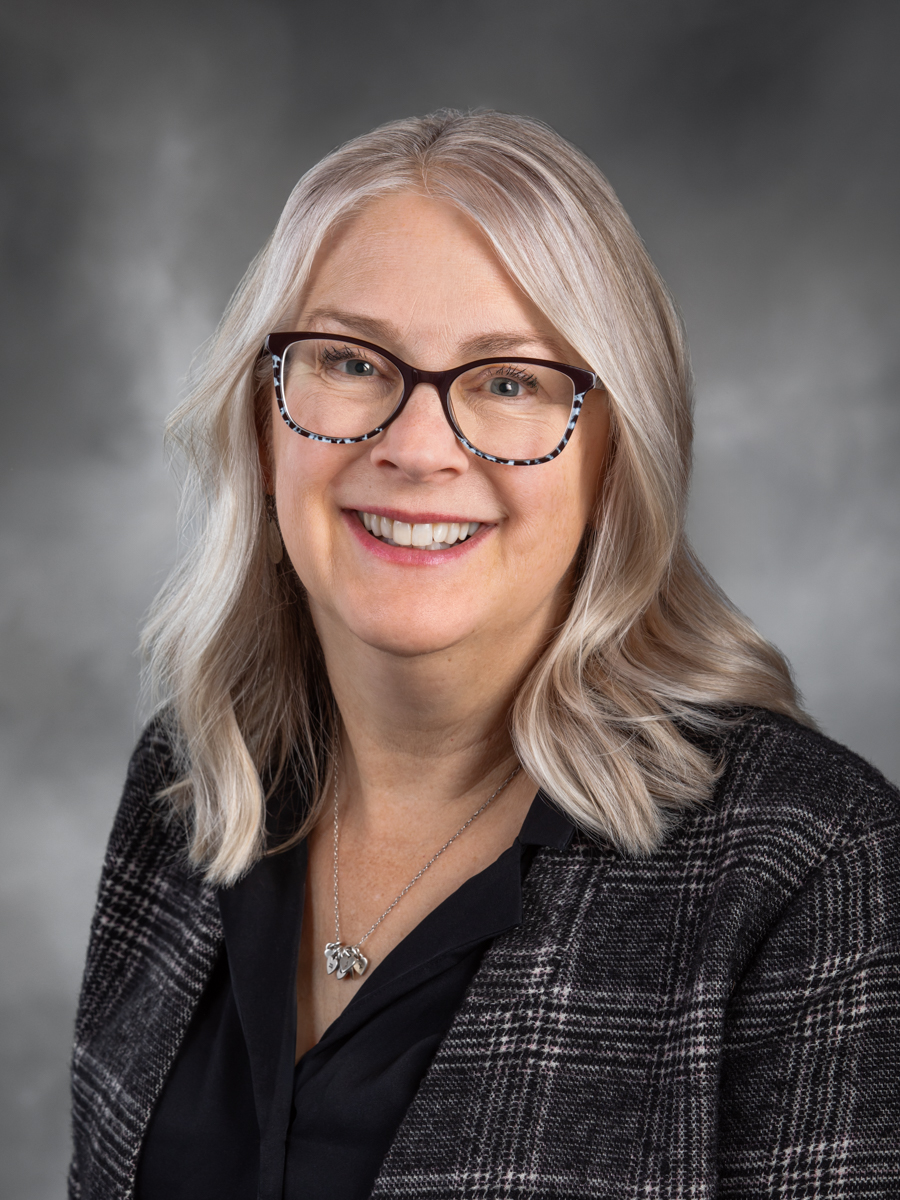
Andrew Barkis
0% support rate
Ranked legislators
10
5 support · 5 oppose
Key legislators

Who's moving labor standards in Washington

Legislators moving labor standards in Washington
Legislator Party Stance Support rate Votes
Adrian Cortes
Adrian Cortes Senate · District 18
D
Strong +
100% 12
Julio Cortes
Julio Cortes House · District 38
D
Strong +
100% 12
Annette Cleveland
Annette Cleveland Senate · District 49
D
Strong +
100% 9
Claire Wilson
Claire Wilson Senate · District 30
D
Strong +
100% 9
Deb Krishnadasan
Deb Krishnadasan Senate · District 26
D
Strong +
100% 9
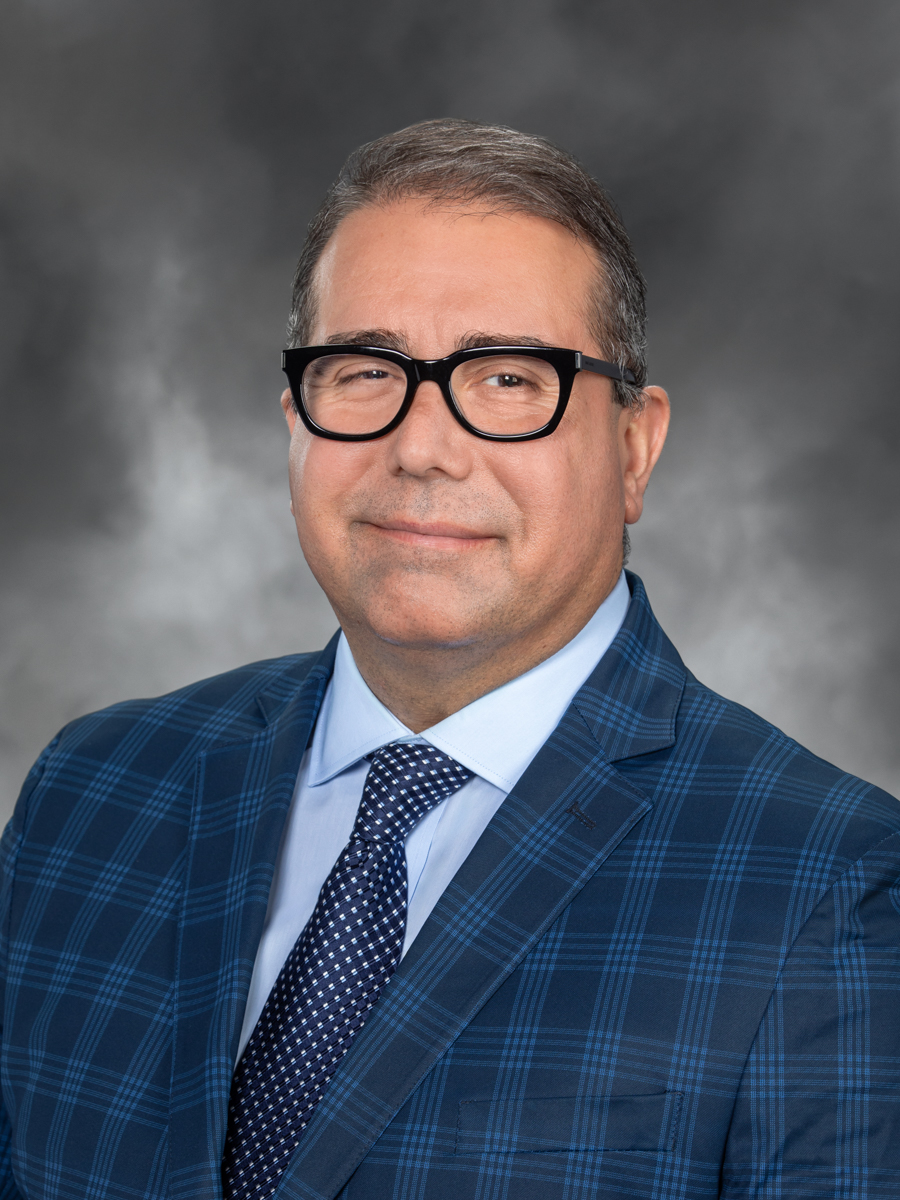
Andrew Barkis
Andrew Barkis House · District 2
R
Strong −
0% 3
Andrew Engell
Andrew Engell House · District 7
R
Strong −
0% 3
April Connors
April Connors House · District 8
R
Strong −
0% 3
Chris Corry
Chris Corry House · District 15
R
Strong −
0% 3
Cyndy Jacobsen
Cyndy Jacobsen House · District 25
R
Strong −
0% 3
Showing 31–40 of 48 bills

All labor & employment bills

in committee · Washington · House Jan 12, 2026

HB 1561: Providing labor market protections for domestic workers.

HB 1561 extends key labor protections to domestic workers in Washington state, including nannies, house cleaners, home care workers, and household managers. The bill requires employers to pay the state minimum wage, provide overtime pay for hours over 40 per week, mandate 30-minute meal breaks after 2-5 hours of work, and guarantee 10-minute rest breaks every four hours. It also mandates written employment agreements in understandable language covering pay, schedule, and benefits, while prohibiting waivers of legal rights or forced arbitration clauses. The law explicitly excludes casual babysitters, family members, and workers in certain home-sitting roles from coverage.
in committee · Washington · House Jan 12, 2026

HB 1804: Improving accessibility of community solar projects in Washington state.

HB 1804 amends Washington state law to make community solar projects more accessible, particularly for low-income households and smaller projects. It clarifies definitions (like "community solar company" and "project participant"), sets a maximum system size of 1,000 kilowatts, and requires projects to have at least two subscribers or one low-income service provider. Key provisions include reserving $50 million in incentives for projects under 199 kilowatts and adding labor standards - such as prevailing wages and apprenticeship requirements - for larger projects (199-999 kW). The bill directly affects community solar administrators, low-income service providers, and solar construction workers, while ensuring electric utilities can interconnect these projects.
signed · Washington · House May 9, 2025

HB 1173: Concerning wages for journeypersons in high-hazard facilities.

HB 1173 clarifies the wage payment requirements for "skilled journeypersons" working in facilities subject to specific workforce regulations. The bill mandates that these journeypersons must be paid at a rate at least commensurate with typical wages for their occupation in the local geographic area. This includes a minimum hourly rate set at the seventy-fifth percentile of occupational employment statistics for the relevant occupation and area. Additionally, workers in apprenticeable occupations who do not meet the definitions of registered apprentice or skilled journeyperson are to be considered skilled journeypersons for the purpose of their wage entitlement. The act will become effective on January 1, 2026.
in committee · Washington · Senate Jan 12, 2026

SB 5722: Creating a grant program to promote local workforce development, reduce transportation pollution, and strengthen food sovereignty and climate and disaster resiliency.

SB 5722 creates a state grant program for Washington farms growing handpicked specialty crops sold locally (within 250 miles), requiring farms to hire only domestic agricultural workers and be owned by state residents. Eligible farms can receive grants up to $40,000 - covering up to eight weeks of paid overtime during peak harvest - to support local hiring, reduce transportation-related pollution, and strengthen food sovereignty and climate resilience. The bill also establishes an Office of Agricultural and Seasonal Workforce Services within the Department of Agriculture to administer the grant program and handle foreign labor certifications. This program directly affects qualifying farms, with funding tied to specific local sales and worker hiring criteria.
in committee · Washington · Senate Jan 12, 2026

SB 5447: Concerning wages for journeypersons in high-hazard facilities.

This bill requires employers in high-hazard facilities (like chemical plants or refineries) to pay skilled journeypersons at least the 75th percentile wage for their occupation and location, based on Washington state employment data. It defines "skilled journeyperson" as workers who either graduated from an approved apprenticeship program or have equivalent on-the-job experience. The rule applies to all high-hazard facility workers classified as journeypersons, not just those on public projects. The change takes effect January 1, 2026.
signed · Washington · House Apr 21, 2025

HB 1879: Concerning meal and rest breaks for hospital workers.

Substitute House Bill 1879 clarifies rules for meal and rest breaks for hospital workers involved in direct patient care or clinical services who are hourly or covered by a collective bargaining agreement. The bill mandates uninterrupted breaks, with exceptions for unforeseeable emergent or clinical circumstances, and allows for combining meal and rest periods by mutual agreement. It also permits employees and employers to voluntarily waive certain meal periods or timing requirements under specific conditions, such as a written, revocable agreement. Hospitals must record missed breaks and submit quarterly reports to the Department of Labor & Industries detailing missed, waived, and required breaks. This act takes effect on January 1, 2026.
signed · Washington · House Apr 21, 2025

HB 1121: Concerning restrictions on the working conditions and hours of sixteen- and seventeen-year olds.

HB 1121 modifies Washington state labor rules regarding the working hours of 16- and 17-year-olds. The bill allows minors enrolled in a bona fide college program or an approved career and technical education program to work the same number of hours during school weeks as they can during school vacations. For career and technical education students, this flexibility applies when the work is performed for an employer approved by their program. The Department of Labor and Industries is directed to revise its rules to implement these changes, aiming to provide equitable work hour opportunities for these student groups. These new provisions will take effect on July 1, 2026.
in committee · Washington · Senate Jan 12, 2026

SB 5756: Concerning the safety and health of working minors.

SB 5756 amends Washington State law to strengthen penalties for employers violating safety and health rules for minor workers (under 18). It establishes tiered civil fines starting at $100 for minor permit violations, up to $71,000 for violations causing serious harm or death, with higher penalties for repeat offenses. Employers with three or more violations in two years face a 12-month ban on obtaining minor work permits. The bill also allows immediate workplace safety orders when a minor’s life is at risk and requires annual inflation adjustments to penalty amounts starting in 2027. It directly affects employers hiring minors who fail to comply with work permit, hours, break, or safety requirements.
in committee · Washington · House Jan 12, 2026

HB 1682: Concerning part-time workers in the unemployment insurance system.

This bill changes Washington's unemployment insurance rules for part-time workers, effective August 3, 2025. It revises the definition of "suitable work" for part-time workers (those who earned wages in at least 40 base-year weeks with an average of under 35 weekly hours) to require them to seek work matching their historical average hours, rather than the previous 17-hour limit. It also adds protections: workers needing to care for family members or address domestic violence/stalking may not lose benefits for seeking at least 20-hour workweeks instead of full-time. The policy directly affects part-time workers who qualify under these new base-year criteria.
in committee · Washington · House Jan 12, 2026

HB 1623: Prohibiting deductions for credit card transaction processing fees from employee tips.

HB 1623 prohibits employers from deducting credit card processing fees from employee tips. It requires that when customers pay tips via credit card, employees receive the full amount indicated on the credit card slip, without any reduction for transaction fees charged by the credit card company. This law directly affects tipped workers in Washington, such as servers and bartenders, and applies to all employers accepting credit card tips. The bill amends state law to ensure tips paid by credit card are paid in full to employees, eliminating employer deductions for processing costs.
Sub-Topics Labor Standards
Showing 31 to 40 of 48 bills
Previous 1 3 4 5 Next