Issue · Labor & Employment

Labor & Employment

Every labor & employment bill, vote, and legislator stance in Washington, automatically classified by Maddy, our AI policy reader.

Total bills
308
2025-2026 Regular Session
Top supporter
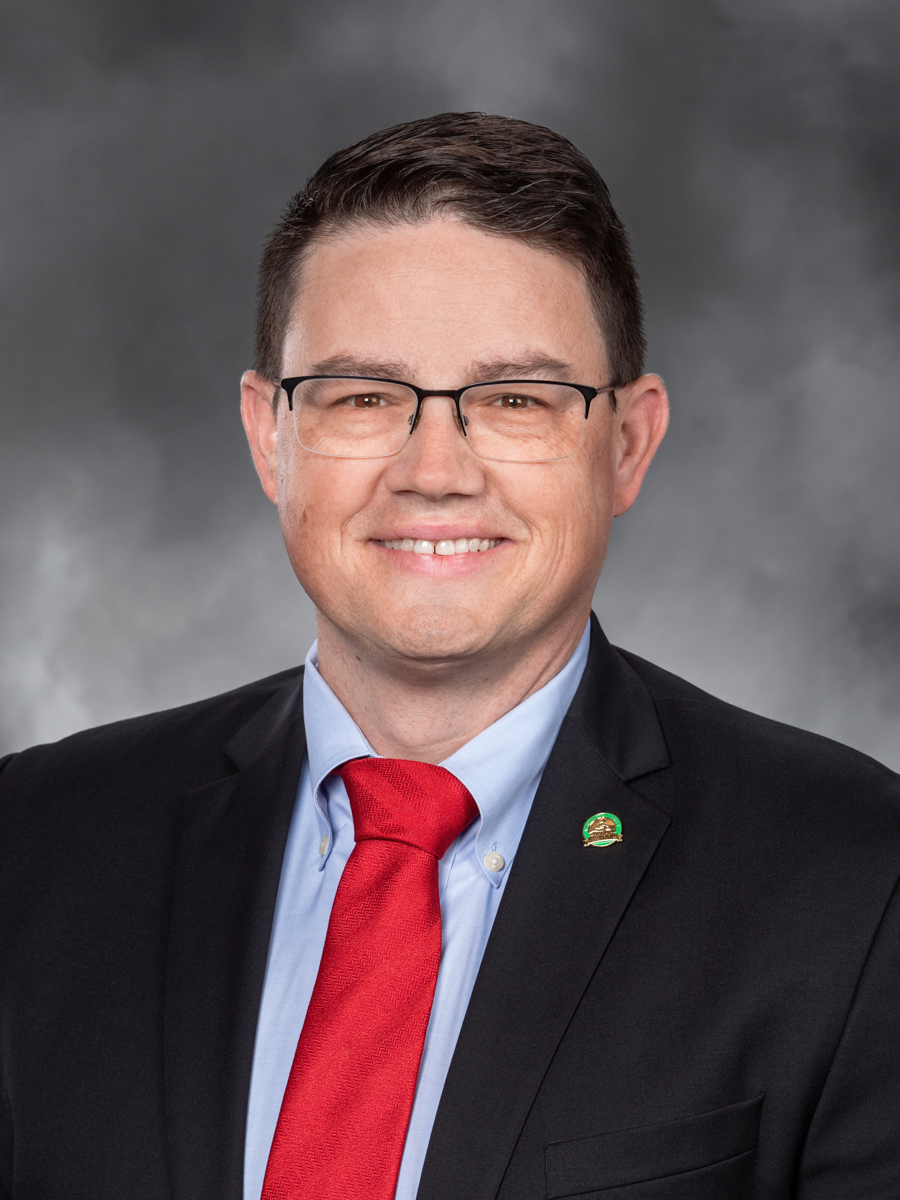
Tina Orwall
95% support rate
Top opponent
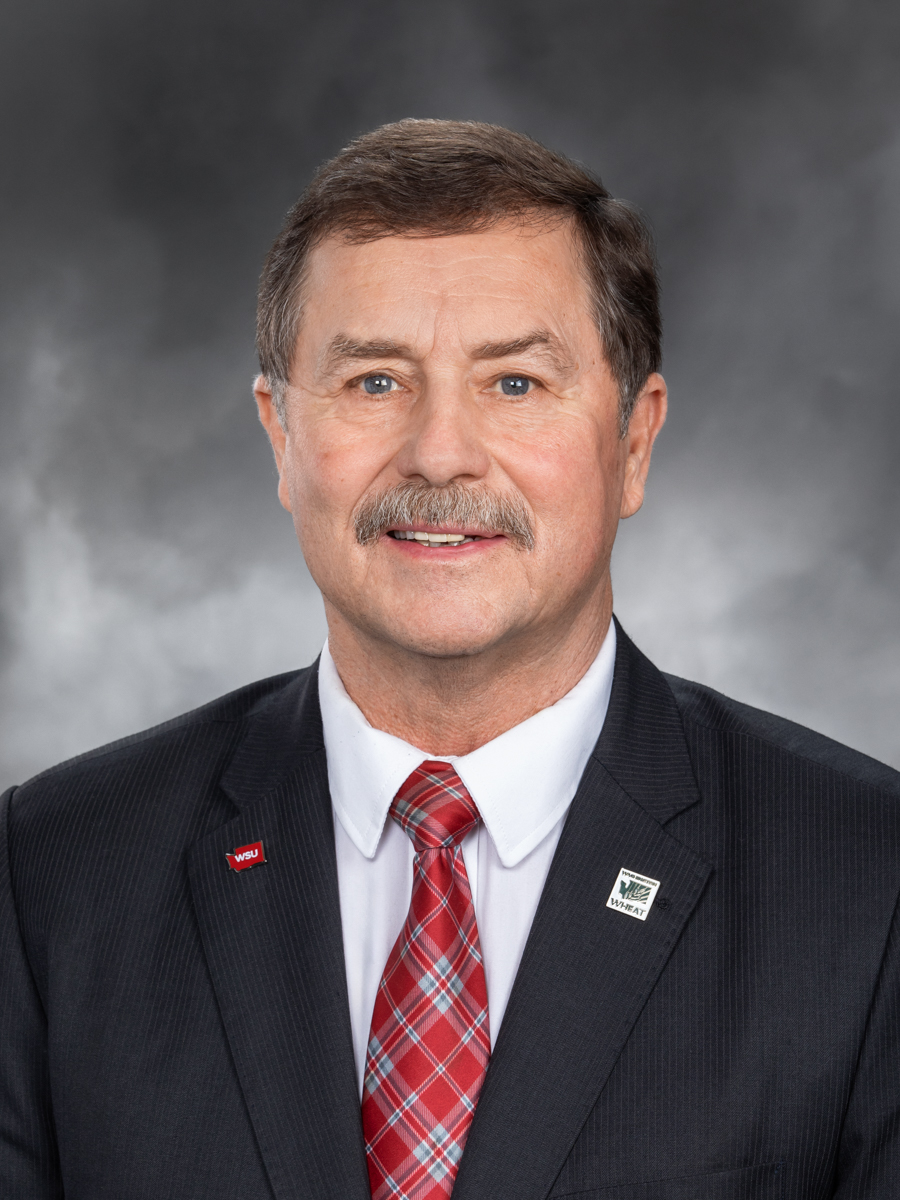
Shelly Short
9% support rate
Ranked legislators
10
5 support · 5 oppose
Key legislators

Who's moving labor & employment in Washington

Legislators moving labor & employment in Washington
Legislator Party Stance Support rate Votes
Tina Orwall
Tina Orwall Senate · District 33
D
Strong +
95% 154
Annette Cleveland
Annette Cleveland Senate · District 49
D
Strong +
93% 159
T'wina Nobles
T'wina Nobles Senate · District 28
D
Strong +
93% 155
June Robinson
June Robinson Senate · District 38
D
Strong +
93% 159
Jamie Pedersen
Jamie Pedersen Senate · District 43
D
Strong +
93% 159
Shelly Short
Shelly Short Senate · District 7
R
Strong −
9% 159
Chris Corry
Chris Corry House · District 15
R
Strong −
10% 180
Leonard Christian
Leonard Christian Senate · District 4
R
Strong −
10% 159
Jim McCune
Jim McCune Senate · District 2
R
Strong −
10% 159
Mark Schoesler
Mark Schoesler Senate · District 9
R
Strong −
12% 159
Showing 1–10 of 308 bills

All labor & employment bills

passed · Washington · Senate Mar 11, 2026

SR 8704: Honoring Senator Rebecca Saldaña.

This Senate Resolution honors Senator Rebecca Saldaña for her decade of service to the 37th Legislative District and the state of Washington. The bill formally commends her legislative work, including sponsoring landmark laws on environmental justice, domestic workers' rights, and adult entertainment worker protections. It recognizes her role as chair of the Senate Labor and Commerce Committee and her advocacy for frontline communities, workers, and communities of color. The resolution is transmitted to Senator Saldaña by the Secretary of the Senate as an official expression of gratitude for her contributions to Washington state policy.
in committee · Washington · House Feb 2, 2026

HB 2712: Making collective bargaining for school districts subject to the open public meetings act.

HB 2712 requires Washington school districts to conduct all collective bargaining negotiations (including contract talks and grievance meetings) publicly, either in person or via video streaming, and to post all negotiation documents and final agreements on their public website within two business days. It mandates public notice of meetings per the Open Public Meetings Act (chapter 42.30 RCW) but does not require public comment during negotiations or cover post-agreement grievance proceedings. The bill directly affects school districts and their negotiations with employee organizations, ensuring transparency in the bargaining process. Violations would be treated as breaches of the Open Public Meetings Act.
Sub-Topics Collective Bargaining Tags Government Transparency
in committee · Washington · Senate Mar 2, 2026

SB 6353: Modifying the working connections child care program.

SB 6353 expands access to Washington's Working Connections Child Care program by gradually raising income eligibility limits for families with children. Starting in 2029, families earning up to 75% of the state median income (adjusted for family size) will qualify, and by 2031, this rises to 85%. The bill also mandates that child care subsidy rates reach 85% of the market rate for licensed providers by 2026 and 75% by 2027, using updated cost models to better cover providers' actual costs. These changes directly affect low-to-moderate-income working families and licensed child care providers who receive state subsidies.
Tags Children
in committee · Washington · Senate Feb 3, 2026

SB 6345: Making transportation projects on state-owned highways subject to certain contracting conditions.

SB 6345 requires that all contracts for transportation projects on state-owned highways in Washington must pay prevailing wages established by the industrial statistician. It directs the industrial statistician to prioritize collective bargaining agreement rates for trades with union contracts, using the rate covering the most workers if multiple agreements exist, and to conduct wage surveys only where no agreements apply. The law applies to contracts bid or awarded on or after June 1, 2029, and amends existing law to clarify that prevailing wage determinations must follow these rules. This directly affects contractors working on state highway projects by mandating specific wage standards for laborers and mechanics.
in committee · Washington · House Feb 4, 2026

HB 2218: Concerning access to medical care in workers' compensation.

HB 2218 establishes a state-approved network of healthcare providers for workers' compensation cases in Washington. It requires injured workers to choose a provider within 15 miles of home for initial care (with non-network visits limited to emergencies), prohibits employers from directing workers to specific clinics, and sets quality standards for network inclusion (e.g., malpractice insurance, licensing status). The bill creates a second tier of providers recognized for using advanced occupational health practices, with financial incentives for meeting these standards. This directly affects injured workers, healthcare providers seeking to treat workers' compensation cases, and employers managing claims.
in committee · Washington · House Jan 13, 2026

HB 2398: Establishing business and occupation and public utility tax credits for small business employers providing maritime trade educational assistance.

HB 2398 creates a tax credit for Washington small businesses (50 or fewer employees) that provide maritime trade educational assistance to employees working aboard or servicing U.S. flagged vessels. The credit covers 100% of eligible training costs - such as tuition, tools, and maritime certification programs - up to $20,000 per business annually, with unused credits carryable for five years. It applies to both business and occupation taxes (Chapter 82.04 RCW) and public utility taxes (Chapter 82.16 RCW), excluding overlapping credits. The credit expires for claiming on January 1, 2038, and the law ends January 1, 2039. Eligible employees must be enrolled in Washington maritime training programs supporting careers like commercial fishing, marine engineering, or vessel operations.
Sub-Topics Tax Credits Higher Education Professional Licensing Tags Small Business
passed · Washington · House Mar 12, 2026

HB 2605: Concerning naturally occurring fibrous silicate materials.

HB 2605 updates Washington State's definitions and regulations around naturally occurring fibrous silicate materials (like tremolite) in building materials. It clarifies that materials containing these minerals naturally - without chemical treatment - are not considered asbestos, and lowers the allowable asbestos content threshold in building materials from 1% to 0.25% by weight after January 1, 2025. The bill directly affects manufacturers, contractors, and facility owners (e.g., schools, offices) who handle or install building materials, requiring inspections and management plans for asbestos-containing materials. It also exempts commercial aggregates with low levels of naturally occurring minerals from stricter asbestos rules.
in committee · Washington · House Jan 27, 2026

HB 2099: Expanding access to the early childhood education and assistance program for military families.

HB 2099 expands Washington State's early childhood education and childcare assistance program to include military-connected children who don't qualify under standard eligibility rules. It creates a new pathway for children from military families (active duty, reserves, or National Guard members stationed or residing in Washington) with family incomes above 50% but below the maximum for Working Connections childcare, as long as space and funding are available. The bill requires prioritization of these children using the same existing risk-factor system that considers income, child welfare involvement, domestic violence, and other factors linked to school readiness. This new category does not count toward the state's existing entitlement program, and the changes expire on August 1, 2030.
Sub-Topics Early Childhood
in committee · Washington · House Feb 6, 2026

HB 2422: Concerning private security guards.

HB 2422 shifts the cost of private security guard licensing fees from individual workers to their employers. The bill requires security companies to pay all application, renewal, and endorsement fees ($101 initial, $95 annual) for employees, prohibiting employers from deducting these costs from wages or requiring reimbursement. This applies to all security guards employed by licensed companies, aiming to reduce financial barriers for workers in an industry with modest pay and high turnover. Violating employers face $500 penalties per violation, with repeated offenses risking license suspension. The law takes effect November 1, 2026.
Sub-Topics Professional Licensing Tags Licensing
in committee · Washington · House Jan 19, 2026

HB 2568: Extending coverage of prosthetic limbs and custom orthotic braces to public and school employees.

HB 2568 extends coverage for prosthetic limbs and custom orthotic braces to public and school employees in Washington State. It amends RCW 41.05.017 to require all health plans covering these employees - including those offered by state agencies, school districts, and insuring entities - to include this coverage under existing state medical insurance laws. The bill expands current requirements to specifically mandate this benefit, applying to all relevant health plans governed by the referenced statutes. It takes effect January 1, 2027, and directly affects public and school employees who need these medical devices.
Showing 1 to 10 of 308 bills
1 2 3 31 Next