Issue · Labor & Employment

Labor & Employment (Minimum Wage)

Every labor & employment bill, vote, and legislator stance in Washington, automatically classified by Maddy, our AI policy reader.

Total bills
16
2025-2026 Regular Session
Top supporter
Adrian Cortes
100% support rate
Top opponent
Chris Gildon
0% support rate
Ranked legislators
10
5 support · 5 oppose
Key legislators

Who's moving minimum wage in Washington

Legislators moving minimum wage in Washington
Legislator Party Stance Support rate Votes
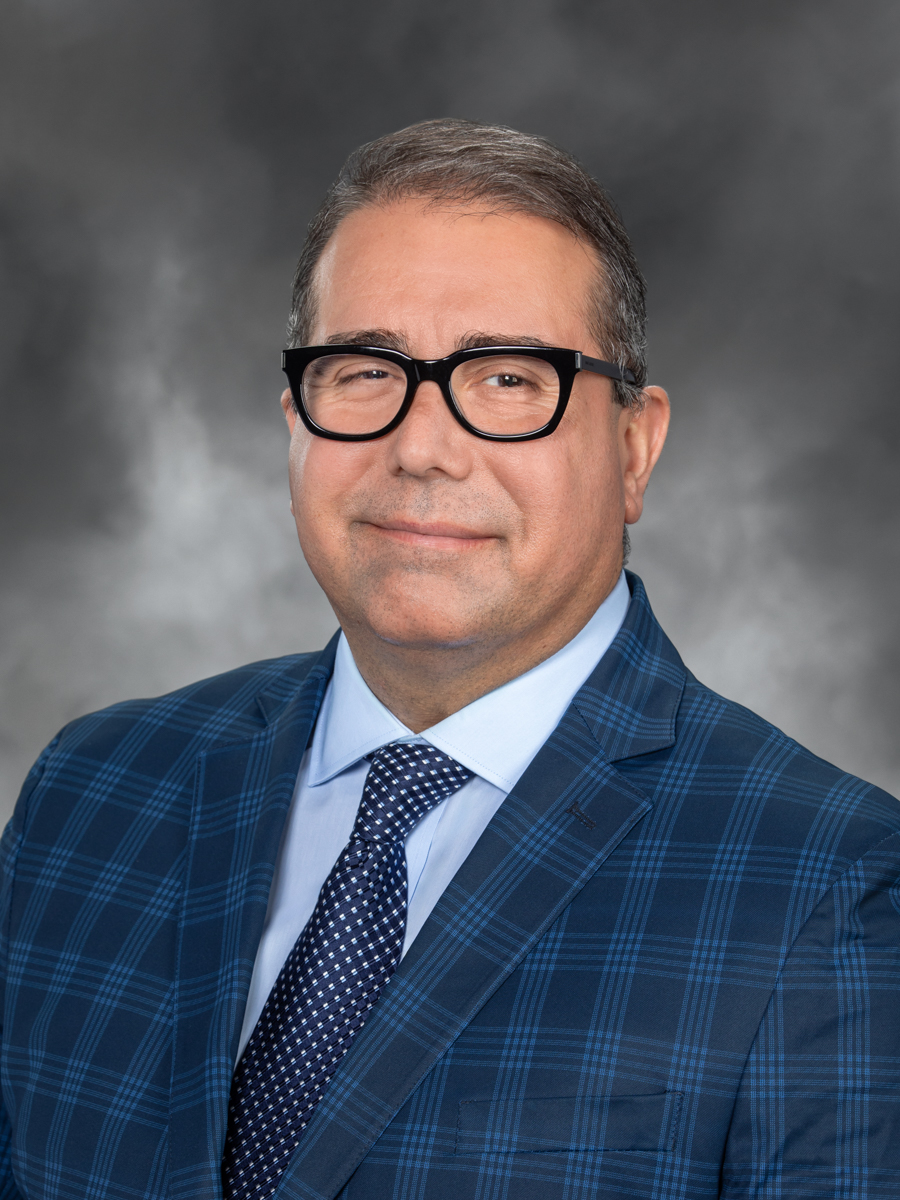
Adrian Cortes
Adrian Cortes Senate · District 18
D
Strong +
100% 6
Julio Cortes
Julio Cortes House · District 38
D
Strong +
100% 6
Annette Cleveland
Annette Cleveland Senate · District 49
D
Strong +
100% 4
Bob Hasegawa
Bob Hasegawa Senate · District 11
D
Strong +
100% 4
Claire Wilson
Claire Wilson Senate · District 30
D
Strong +
100% 4
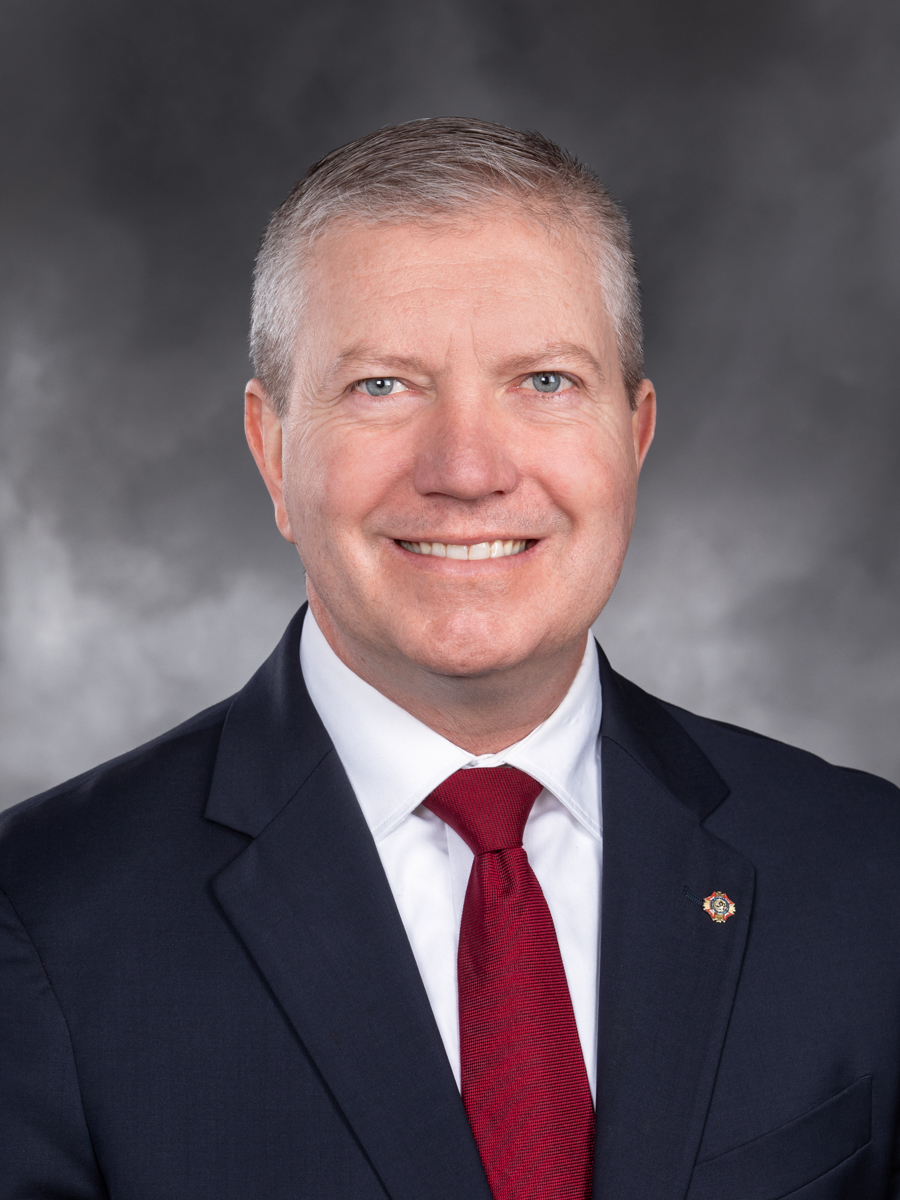
Chris Gildon
Chris Gildon Senate · District 25
R
Strong −
0% 4
Drew MacEwen
Drew MacEwen Senate · District 35
R
Strong −
0% 4
Jim McCune
Jim McCune Senate · District 2
R
Strong −
0% 4
John Braun
John Braun Senate · District 20
R
Strong −
0% 4
Judy Warnick
Judy Warnick Senate · District 13
R
Strong −
0% 4
Showing 1–10 of 16 bills

All labor & employment bills

signed · Washington · House Mar 14, 2026

HB 2479: Concerning the recovery of unpaid wages.

HB 2479 streamlines the process for workers to recover unpaid wages in Washington State. It requires the Department of Labor to investigate wage complaints within 60 days (extendable with notice), limits claims to unpaid wages from the past three years, and mandates employers to pay owed wages plus 1% monthly interest. For willful violations, employers face fines of at least $1,500 or 10% of unpaid wages (adjusted for inflation starting 2030), with penalties deposited into a new "wage recovery account." The bill directly affects workers who haven’t received pay and employers who owe wages, while giving the department expanded authority to investigate multiple violations under a single complaint.
in committee · Washington · House Feb 19, 2026

HB 2478: Adding discretion to wage enforcement actions.

HB 2478 gives Washington’s Department of Labor & Industries more flexibility when enforcing wage laws. It limits wage enforcement actions to unpaid wages from the past three years (from when the department received violation information), requires prioritizing complaints based on worker harm and severity, and sets clear penalty rules for intentional violations (minimum $1,000 or 10% of unpaid wages, up to $20,000). The bill directly affects workers owed wages, employers who owe payments, and the department’s enforcement process. Key changes include standardized penalty calculations, a 60-day timeline for complaint resolutions, and provisions for waiving penalties if employers pay within 10 business days.
in committee · Washington · House Jan 27, 2026

HB 2611: Reducing the standard workweek from 40 hours to 32 hours.

This bill would change Washington state law to reduce the standard workweek from 40 to 32 hours for most private-sector employees. It amends overtime rules to require 1.5x pay for hours worked beyond 32 per week, replacing the current 40-hour threshold. Specific exemptions apply to certain industries, including agriculture, transportation (like truck drivers), seamen, and public safety roles, as detailed in the bill text. The change directly affects most non-exempt workers in Washington’s private sector, excluding those covered under the listed exemptions.
in committee · Washington · Senate Feb 2, 2026

SB 6105: Raising the exemption from garnishment of earnings for judgments arising from medical debt.

Washington State's SB 6105 increases the exemption from wage garnishment for medical debt judgments. It raises the threshold to 60 times the state's minimum hourly wage or 80% of a person's take-home pay (whichever is greater), compared to 35 times the wage for other consumer debts. This change directly affects individuals facing wage garnishment specifically for unpaid medical bills. The bill amends Washington's garnishment laws (RCW 6.27.150, 6.27.105, and 6.27.140) to provide stronger protection for medical debt cases.
Sub-Topics Minimum Wage
in committee · Washington · Senate Feb 26, 2026

SB 6053: Establishing labor protections for domestic workers.

SB 6053 establishes wage and working condition protections for domestic workers in Washington State, directly affecting nannies, home care workers, housekeepers, and similar employees working in private residences. Key provisions require hiring entities (private households or agencies) to provide written agreements detailing pay, hours, benefits, and termination notice (2 weeks for non-live-in workers, 4 weeks for live-in), pay at least the state minimum wage plus overtime for hours over 40, and prohibit wage theft like withholding pay without legal justification. The bill also mandates written notification before termination (with specific exceptions) and requires employers to maintain records for enforcement. These changes apply to domestic workers not performing casual labor or family-related tasks, ensuring clear, enforceable standards for this workforce.
signed · Washington · Senate Mar 24, 2026

SB 6058: Adding discretion to wage enforcement actions.

SB 6058 modifies Washington's wage enforcement process by giving the Department of Labor & Industries more discretion in handling wage claims. It establishes a three-year limit on enforceable wage claims (counting from when a complaint is filed) and creates a $1,000 minimum civil penalty (up to $20,000) for willful violations, calculated as 10% of unpaid wages. Employers can avoid penalties by paying all owed wages plus interest within 10 business days of receiving a notice. This directly affects employers who owe wages, employees seeking unpaid pay, and the department's enforcement procedures. The bill updates existing laws without creating new wage rights.
signed · Washington · House Mar 9, 2026

HB 2355: Establishing labor protections for domestic workers.

HB 2355 establishes minimum wage, overtime, and written contract requirements for domestic workers in Washington State, directly affecting nannies, home care aides, housekeepers, and similar workers employed in private residences. The bill requires employers to pay at least the state minimum wage (including overtime after 40 hours), provide a written agreement detailing pay, hours, benefits, and termination notice (2 weeks for non-live-in workers, 4 weeks for live-in), and prohibits wage theft like withholding pay. It excludes family members, casual labor (e.g., irregular babysitting), and home care provided through state-funded agencies. The law aims to bring domestic workers under standard labor protections while clarifying exemptions for certain informal or family-based arrangements.
in committee · Washington · House Jan 12, 2026

HB 1561: Providing labor market protections for domestic workers.

HB 1561 extends key labor protections to domestic workers in Washington state, including nannies, house cleaners, home care workers, and household managers. The bill requires employers to pay the state minimum wage, provide overtime pay for hours over 40 per week, mandate 30-minute meal breaks after 2-5 hours of work, and guarantee 10-minute rest breaks every four hours. It also mandates written employment agreements in understandable language covering pay, schedule, and benefits, while prohibiting waivers of legal rights or forced arbitration clauses. The law explicitly excludes casual babysitters, family members, and workers in certain home-sitting roles from coverage.
signed · Washington · House May 9, 2025

HB 1173: Concerning wages for journeypersons in high-hazard facilities.

HB 1173 clarifies the wage payment requirements for "skilled journeypersons" working in facilities subject to specific workforce regulations. The bill mandates that these journeypersons must be paid at a rate at least commensurate with typical wages for their occupation in the local geographic area. This includes a minimum hourly rate set at the seventy-fifth percentile of occupational employment statistics for the relevant occupation and area. Additionally, workers in apprenticeable occupations who do not meet the definitions of registered apprentice or skilled journeyperson are to be considered skilled journeypersons for the purpose of their wage entitlement. The act will become effective on January 1, 2026.
passed · Washington · Senate Jan 12, 2026

SB 5023: Providing labor market protections for domestic workers.

Senate Bill 5023 aims to establish labor market protections for domestic workers in Washington state, including nannies, house cleaners, and home care workers. It guarantees these workers minimum wage and overtime pay for hours exceeding 40 per week. The bill mandates uninterrupted meal and rest breaks and requires a written employment agreement outlining terms like pay rate, schedule, and deductions, provided in a language understood by both parties. It also ensures domestic workers can retain personal effects and, if living in the home, cook their own food, while also providing freedom from discrimination and sexual harassment.
Showing 1 to 10 of 16 bills
1 2 Next