Issue · Labor & Employment

Labor & Employment

Every labor & employment bill, vote, and legislator stance in Washington, automatically classified by Maddy, our AI policy reader.

Total bills
339
2025-2026 Regular Session
Top supporter
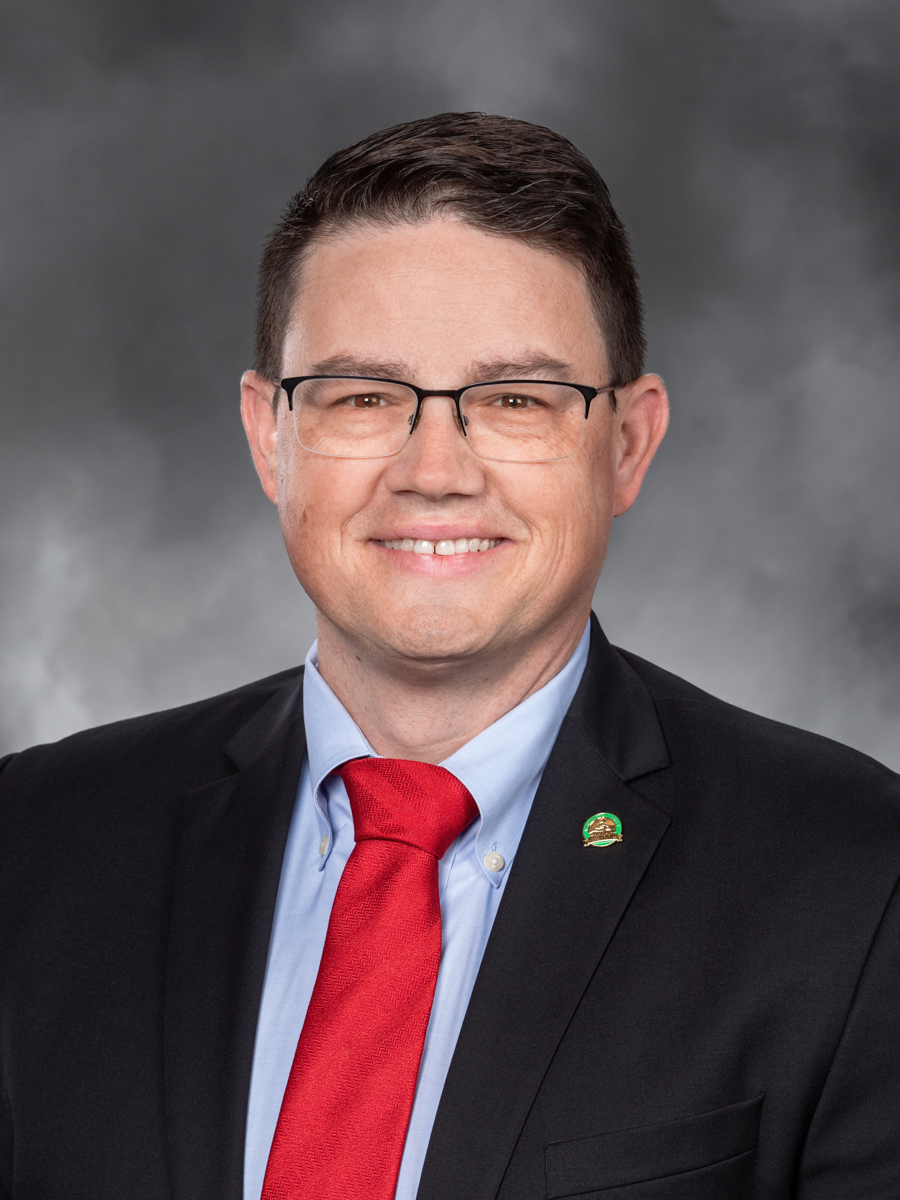
Tina Orwall
95% support rate
Top opponent
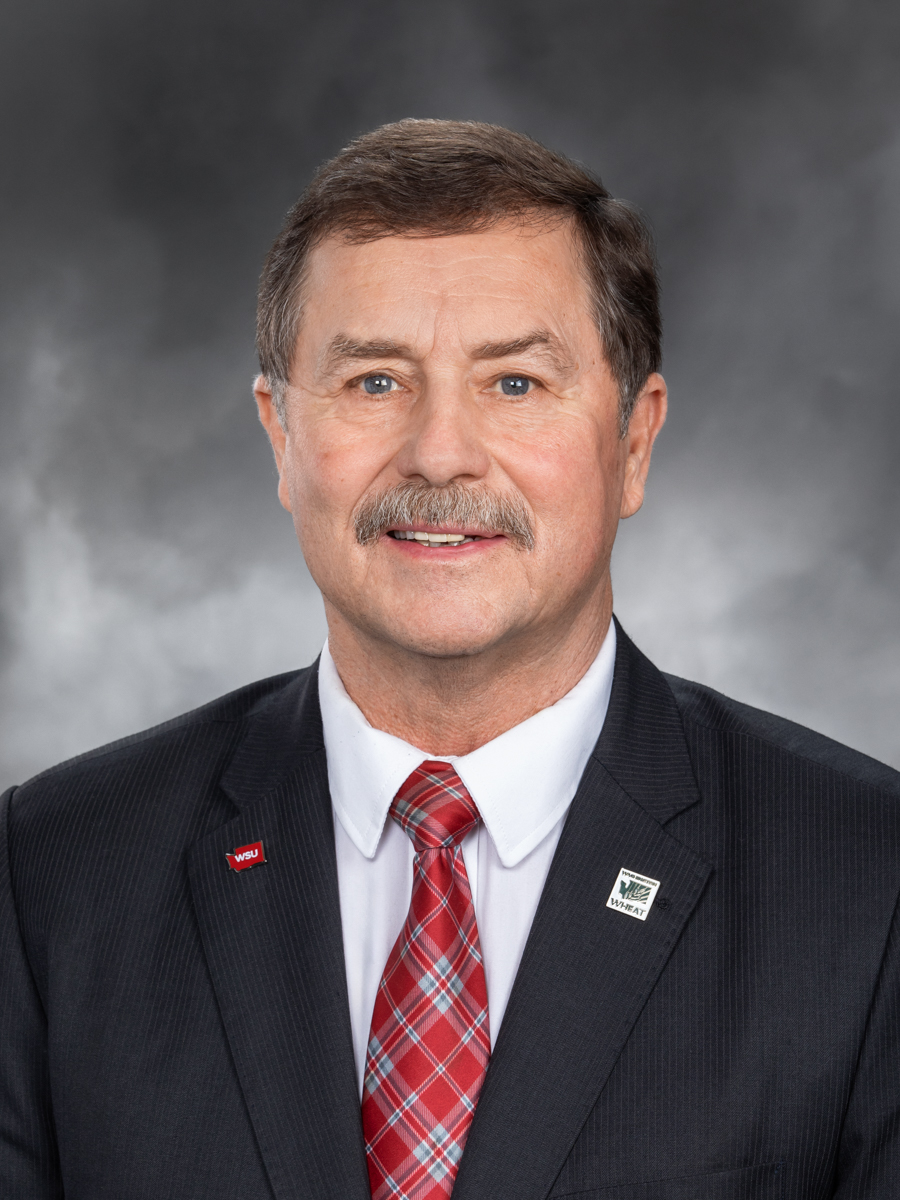
Shelly Short
9% support rate
Ranked legislators
10
5 support · 5 oppose
Key legislators

Who's moving labor & employment in Washington

Legislators moving labor & employment in Washington
Legislator Party Stance Support rate Votes
Tina Orwall
Tina Orwall Senate · District 33
D
Strong +
95% 154
Annette Cleveland
Annette Cleveland Senate · District 49
D
Strong +
93% 159
T'wina Nobles
T'wina Nobles Senate · District 28
D
Strong +
93% 155
June Robinson
June Robinson Senate · District 38
D
Strong +
93% 159
Jamie Pedersen
Jamie Pedersen Senate · District 43
D
Strong +
93% 159
Shelly Short
Shelly Short Senate · District 7
R
Strong −
9% 159
Chris Corry
Chris Corry House · District 15
R
Strong −
10% 180
Leonard Christian
Leonard Christian Senate · District 4
R
Strong −
10% 159
Jim McCune
Jim McCune Senate · District 2
R
Strong −
10% 159
Mark Schoesler
Mark Schoesler Senate · District 9
R
Strong −
12% 159
Showing 131–140 of 339 bills

All labor & employment bills

in committee · Washington · House Jan 12, 2026

HB 2216: Protecting emergency responders and emergency response operations in Washington.

HB 2216 strengthens protections for emergency responders by amending Washington’s obstruction law (RCW 9A.76.020) to define "emergency responder" broadly to include firefighters, paramedics, and other emergency personnel responding to active incidents. It makes willfully interfering with these responders a gross misdemeanor, covering situations where responders are in uniform, announce their role, or are reasonably identifiable as such. The bill also includes new provisions requiring cities and counties to revise policies to prevent using local resources for immigration enforcement, ensuring services remain available regardless of immigration status. These changes directly affect emergency personnel, public safety responders, and local government agencies operating in Washington.
Tags Public Safety
in committee · Washington · House Jan 15, 2026

HB 2160: Concerning eligibility for membership in the school employees' benefits board programs during the second school year of employment.

HB 2160 amends eligibility rules for school employees' health benefits in Washington State, requiring employees to work at least 630 hours during their first school year to qualify for benefits in their second year. It also ends the "Smart Health" wellness program for new participants starting January 1, 2028, while allowing employees who met eligibility by December 2027 to receive wellness incentives in 2028. The bill affects school employees and their dependents by setting minimum work-hour thresholds and updating coverage rules for family plans. These changes update existing benefits program criteria under Washington law to standardize eligibility and phase out specific wellness incentives.
signed · Washington · House Mar 11, 2026

HB 2107: Concerning notice requirements of identified hazards at construction worksites.

HB 2107 requires Washington construction site inspectors to provide employers or owners with written notice within 10 working days when they identify an immediate safety hazard during inspections that could cause worker injury. This applies specifically to residential building and general construction projects under the North American Industry Classification System. The law, effective until June 30, 2026, mandates this notice but does not change inspectors' existing authority or the employer's obligation to correct hazards. It also requires the Department of Labor to report by December 1, 2026, on instances where timely notice wasn't given and the reasons for non-compliance.
Sub-Topics Workplace Safety
passed · Washington · Senate Mar 12, 2026

SB 5905: Concerning membership in the public employees' retirement system for port workers who participate in a federal railroad retirement plan, a union-sponsored defined benefit retirement plan, or another employer-funded private pension plan.

SB 5905 amends Washington state law to ensure port workers who participate in federal railroad retirement plans, union-sponsored defined benefit plans, or private employer-funded pension plans are not excluded from the state's public employees' retirement system. The bill specifically modifies RCW 41.40.023 to clarify that such port workers retain eligibility for membership in the state retirement system, removing a previous barrier based on their existing retirement plan participation. This change directly affects port workers employed in Washington who already have alternative retirement coverage. The policy adjustment ensures port workers can access the state retirement system without being denied membership solely due to their prior enrollment in other qualified retirement plans.
in committee · Washington · House Feb 3, 2026

HB 2141: Concerning building codes.

HB 2141 freezes new building code updates for 10 years after the 2024 adoption cycle, preventing the state council from initiating or implementing further code editions until 2034. After 2036, substantive code updates would occur no more than every six years, rather than the previous three-year cycle. The bill directly affects the State Building Code Council, local governments implementing codes, and construction professionals by altering the timeline for adopting new safety and accessibility standards. Key provisions include prohibiting local code amendments during the freeze period and requiring emergency code changes only for public health/safety emergencies or federal compliance.
in committee · Washington · House Feb 9, 2026

HB 2186: Supporting the acquisition of federal funds to promote economic development.

HB 2186 creates a state program to help Washington communities access federal economic development funds by providing matching state dollars. It requires the Department of Commerce to develop scoring criteria prioritizing applications based on job creation, federal funding amount, and rural/districted area impact, while setting limits on matching funds (up to 100% for nonprofits and rural projects, 50% for utilities). The bill mandates reporting on jobs created and federal funds secured, and directs the department to expand a public website with federal grant opportunities by 2028. It directly affects local governments, nonprofits, economic development organizations, and tribes seeking federal grants for projects like housing, infrastructure, and workforce training.
Sub-Topics Tax Incentives Workforce Development Tags Economic Development
passed · Washington · Senate Mar 12, 2026

SB 5931: Concerning workforce education investment accountability and oversight board administrative changes.

SB 5931 amends Washington's workforce education oversight board structure to improve accountability. It specifies the board's 18-member composition (including legislative chairs, business representatives, labor groups, higher education leaders, students, and other stakeholders) and extends cochair terms from one to two years. The bill requires the board to report annual recommendations to the legislature by December 31st, using data from education and workforce agencies to assess if funding boosts student success metrics like completion and job placement. This procedural change directly affects the oversight board and its coordination with the Student Achievement Council and workforce agencies. It does not create new funding but refines how existing workforce education investments are reviewed and reported.
in committee · Washington · House Feb 19, 2026

HB 2191: Concerning workers' wages and benefits in the construction industry.

HB 2191 requires owners and direct contractors to jointly pay unpaid wages and benefits (including health insurance, retirement contributions, and tool reimbursements) to construction workers when subcontractors fail to pay. It creates a direct legal path for workers, their representatives, or the attorney general to sue owners or direct contractors for withheld payments, rather than only pursuing subcontractors. The bill establishes a rebuttable presumption that workers are employees (not independent contractors), prevents liability waivers for nonpayment, and sets a 3-year deadline for filing claims. This directly affects construction workers, subcontractors, and higher-tier contractors across all project tiers in Washington state.
in committee · Washington · House Jan 12, 2026

HB 2214: Allowing self-insurers to accept certain industrial insurance claims

HB 2214 amends Washington State workers' compensation laws to clarify procedures for self-insurers (companies that self-fund employee injury claims) handling industrial injury claims. It shortens the deadline for self-insurers to issue claim decisions from 60 to 30 days and requires them to notify workers and the state department if they fail to act within 65 days, triggering temporary payments and department review. The bill also specifies that accepting initial payments does not bind the self-insurer to future payments or the worker’s rights, and gives the state department authority to investigate disputed claims. This directly affects self-insurers and injured workers in Washington’s industrial sector by standardizing claim processing timelines and oversight.
in committee · Washington · House Feb 19, 2026

HB 2157: Regulating high-risk artificial intelligence system development, deployment, and use.

Washington State's HB 2157 regulates high-risk artificial intelligence systems that make consequential decisions affecting major life areas like housing, employment, healthcare, loans, and education. It applies to developers (with over $100,000 annual revenue) and deployers operating in Washington who use AI systems for these decisions. The law prohibits algorithmic discrimination - unlawful bias based on protected characteristics - and requires systems to be designed and tested to prevent such outcomes, while excluding research activities and certain facial recognition uses.
Showing 131 to 140 of 339 bills
Previous 1 13 14 15 34 Next