Issue · Labor & Employment

Labor & Employment

Every labor & employment bill, vote, and legislator stance in Washington, automatically classified by Maddy, our AI policy reader.

Total bills
339
2025-2026 Regular Session
Top supporter
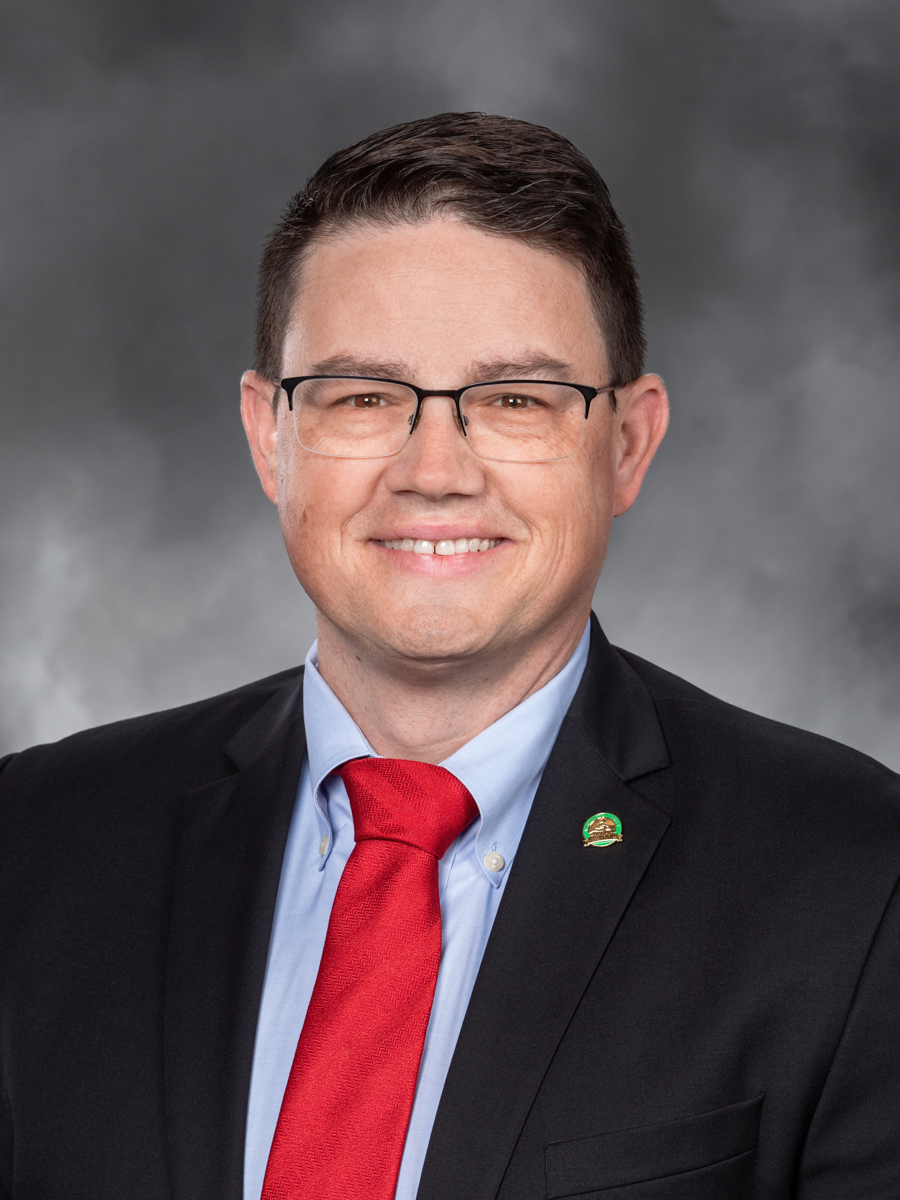
Tina Orwall
95% support rate
Top opponent
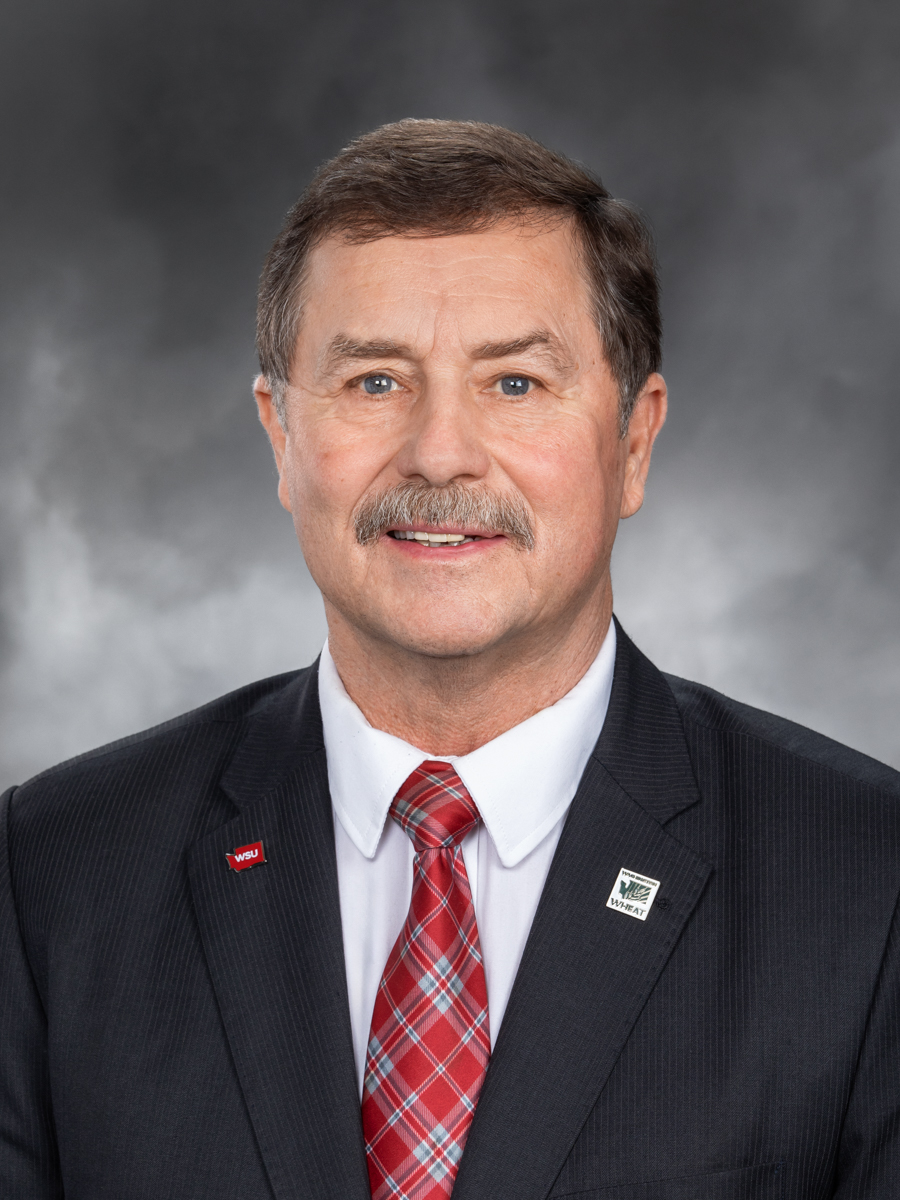
Shelly Short
9% support rate
Ranked legislators
10
5 support · 5 oppose
Key legislators

Who's moving labor & employment in Washington

Legislators moving labor & employment in Washington
Legislator Party Stance Support rate Votes
Tina Orwall
Tina Orwall Senate · District 33
D
Strong +
95% 154
Annette Cleveland
Annette Cleveland Senate · District 49
D
Strong +
93% 159
T'wina Nobles
T'wina Nobles Senate · District 28
D
Strong +
93% 155
June Robinson
June Robinson Senate · District 38
D
Strong +
93% 159
Jamie Pedersen
Jamie Pedersen Senate · District 43
D
Strong +
93% 159
Shelly Short
Shelly Short Senate · District 7
R
Strong −
9% 159
Chris Corry
Chris Corry House · District 15
R
Strong −
10% 180
Leonard Christian
Leonard Christian Senate · District 4
R
Strong −
10% 159
Jim McCune
Jim McCune Senate · District 2
R
Strong −
10% 159
Mark Schoesler
Mark Schoesler Senate · District 9
R
Strong −
12% 159
Showing 121–130 of 339 bills

All labor & employment bills

in committee · Washington · House Jan 16, 2026

HB 2137: Expanding the definition of law enforcement personnel regarding correctional officers for purposes of interest arbitration.

HB 2137 expands the definition of "uniformed personnel" under Washington state law to include correctional officers working in specific facilities (jails in counties over 70,000 population, correctional facilities under RCW 70.48.095, or detention facilities in counties over 1.5 million population). This change directly affects correctional officers in those facilities by granting them eligibility for interest arbitration - a process where unions and employers negotiate terms like wages and working conditions. The bill amends RCW 41.56.030 to add correctional employees to the existing list of personnel covered under "uniformed personnel," which previously included law enforcement officers, firefighters, and security forces. This is a technical policy change to align correctional officer bargaining rights with other public safety roles.
in committee · Washington · House Jan 27, 2026

HB 2190: Concerning language access providers' collective bargaining.

HB 2190 grants language access providers (like interpreters for state agencies) the right to collectively bargain with the governor as their employer, but only for specific services. It creates three statewide bargaining units: one for health/social services appointments, one for workers' compensation/crime victims, and one for other state agency services. Bargaining is limited to pay, training, grievance procedures, and benefits - excluding retirement - and requires the governor to request funding approval from the legislature for any agreement. The bill clarifies these providers are not state employees for other purposes and includes strict budget processes for implementing agreements.
in committee · Washington · House Jan 12, 2026

HB 2189: Expanding eligibility for voluntary workers' compensation settlements.

HB 2189 lowers the age requirement for voluntary workers' compensation settlements from 50 to 40 years old for workers with self-insured employers, directly affecting those under 50 who currently cannot use this option. The bill maintains the existing 50-year threshold for state fund claims but aligns self-insured settlement eligibility with 44 other states that allow settlements for workers over 18. Key mechanisms include keeping the 180-day waiting period before settlement, requiring board approval, and mandating a review by an industrial appeals judge if a worker is unrepresented by an attorney. The bill preserves the same settlement structure - covering all benefits except medical care - with options for lump-sum or structured payments based on state wage averages.
in committee · Washington · Senate Feb 2, 2026

SB 5852: Concerning immigrant worker protections.

SB 5852 requires Washington employers to notify workers and their representatives within 72 hours if a federal agency conducts an inspection of employment verification forms (I-9) or worker records. It mandates posting multilingual notices in workplaces and sending written notices to all current and recent workers (within the last three years), including details about the federal agency and inspection. The law aims to ensure immigrant workers are informed during federal immigration enforcement actions, with notices required in the five most commonly used non-English languages in the state. Employers must also provide affected workers with copies of federal inspection results. This applies to all Washington employers, including state agencies and businesses.
passed · Washington · Senate Mar 12, 2026

SB 5865: Concerning garnishment forms.

SB 5865 standardizes the forms employers must use when responding to wage garnishment orders in Washington State. It requires employers to provide specific details about the defendant's employment status, earnings, existing garnishments, and calculate disposable earnings using a uniform form developed by the Washington pattern forms committee. This change aims to reduce errors in wage garnishment calculations and clarify employer obligations, directly affecting employers who handle garnishment orders.
in committee · Washington · Senate Feb 26, 2026

SB 5869: Concerning notice requirements of identified hazards at construction worksites.

SB 5869 requires Washington construction inspectors to notify employers or owners within 10 working days when an immediate hazard causing potential worker injury is found during an on-site inspection. This applies only to inspections of construction worksites (classified under NAICS 236) and expires June 30, 2026. The bill does not change existing safety standards but mandates this specific notification process, which employers must still address through their existing safety programs. By December 1, 2026, the Department of Labor must report to the legislature on cases where timely notice wasn’t provided and the reasons for non-compliance.
Sub-Topics Workplace Safety
signed · Washington · Senate Mar 18, 2026

SB 5944: Concerning language access providers' collective bargaining.

SB 5944 establishes a collective bargaining framework for language access providers who work with specific state agencies, including those providing interpreter services for Department of Social and Health Services, Department of Children, Youth, and Families, and Department of Labor and Industries appointments. The bill designates the governor as the public employer solely for bargaining purposes, creating three statewide bargaining units based on service type (e.g., Medicaid appointments, injured workers, or general state agency support). It limits bargaining to economic issues like pay rates, training, grievance procedures, and health benefits - excluding retirement benefits - and requires the governor to submit budget requests for approved agreements, subject to legislative approval. Providers remain non-employees for all purposes outside bargaining, and the law explicitly preserves federal compliance obligations and legislative authority over service delivery.
passed · Washington · Senate Mar 12, 2026

SB 5835: Concerning the threshold for payment of a lump sum retirement allowance in lieu of a monthly benefit.

SB 5835 raises the threshold for receiving a lump sum retirement payment (instead of monthly benefits) from $50 to $250 annually adjusted. It applies to Washington state public employees and beneficiaries whose calculated monthly retirement benefit would be below this new threshold. The bill requires the lump sum to be the greater of the actuarial equivalent of future monthly payments or the member's accumulated contributions plus interest. It also includes specific rules for converting from monthly to lump sum payments and for reinstating retirement service if a member returns to work. This change affects retirees and beneficiaries under Washington's public retirement systems (41.40, 41.32, 41.35, and 41.37).
Sub-Topics Retirement Benefits
signed · Washington · House Mar 30, 2026

HB 2105: Concerning immigrant worker protections.

HB 2105 requires Washington employers to notify workers within 72 hours if federal agencies plan I-9 form or worker record inspections. It mandates posting notices in five common non-English languages at workplaces, sending written notices to workers' last known addresses, and sharing federal inspection results with affected workers. The law directly affects all Washington employers and immigrant workers who may face federal immigration verification checks. Key provisions include multilingual notice requirements, timelines for employer communication, and a template for compliance developed by the Attorney General. This bill creates a formal process for transparency during federal I-9 audits, aiming to protect workers' rights during inspections.
Sub-Topics Work Authorization
in committee · Washington · Senate Jan 12, 2026

SB 5889: Limiting supplemental benefits for public employee leave while on paid family medical leave.

This bill limits supplemental paid leave benefits for Washington state and local government employees while they are on approved paid family or medical leave. It prevents total compensation (the primary benefit plus supplemental leave) from exceeding the employee's regular salary or average hourly rate. Supplemental leave used under this rule cannot be counted toward weekly claims submitted to the employment security department. The law takes effect July 1, 2027.
Showing 121 to 130 of 339 bills
Previous 1 12 13 14 34 Next