Issue · Housing

Housing

Every housing bill, vote, and legislator stance in Washington, automatically classified by Maddy, our AI policy reader.

Total bills
236
2025-2026 Regular Session
Top supporter
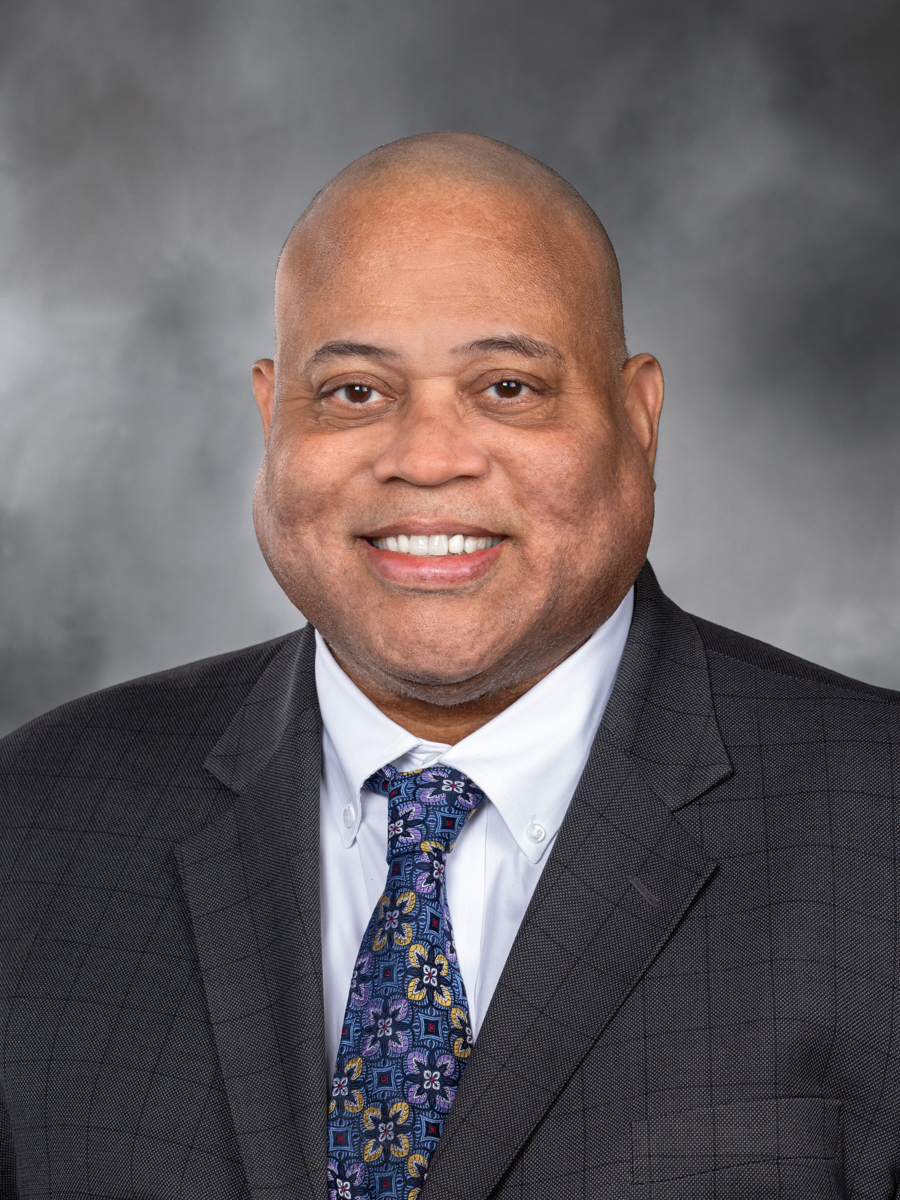
Zach Hall
100% support rate
Top opponent
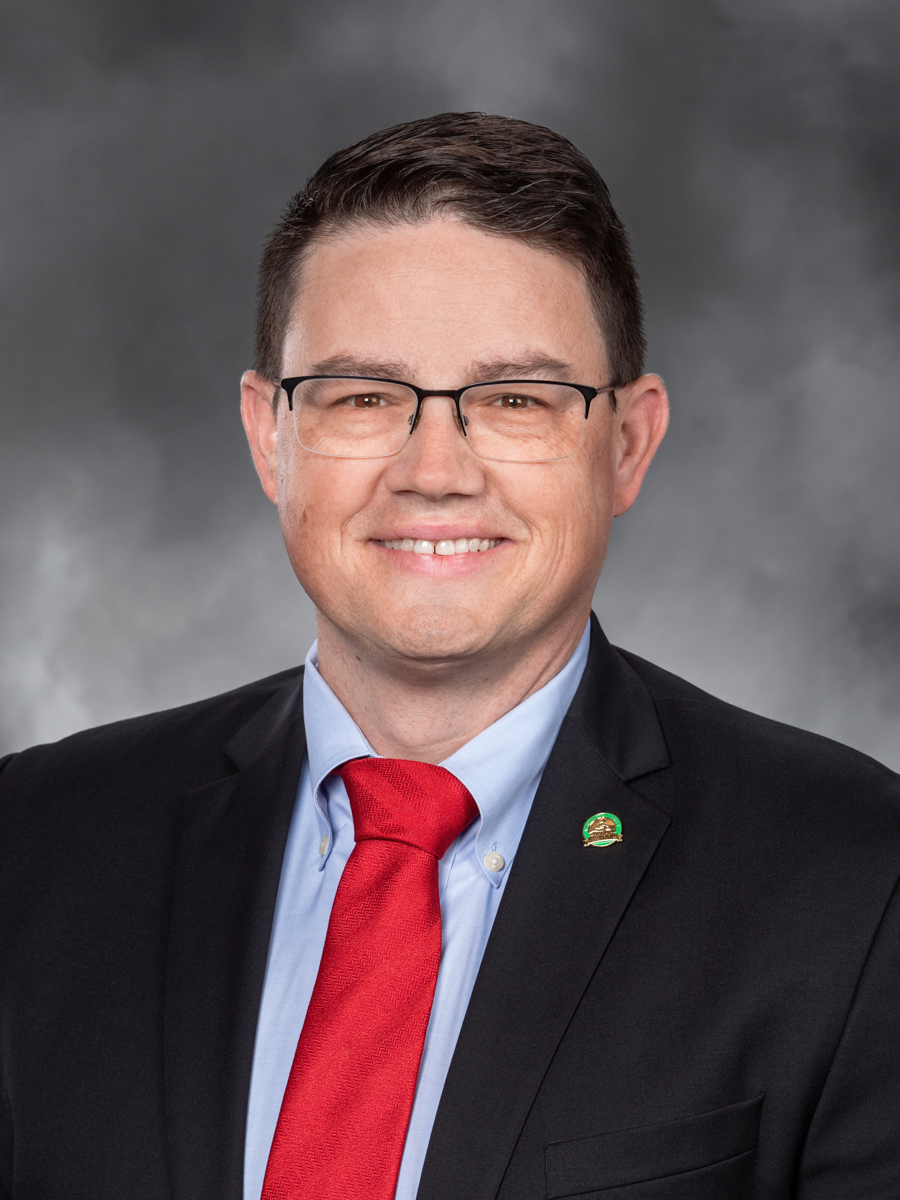
Jeremie Dufault
10% support rate
Ranked legislators
10
5 support · 5 oppose
Key legislators

Who's moving housing in Washington

Legislators moving housing in Washington
Legislator Party Stance Support rate Votes
Zach Hall
Zach Hall House · District 5
D
Strong +
100% 123
David Hackney
David Hackney House · District 11
D
Strong +
100% 154
Greg Nance
Greg Nance House · District 23
D
Strong +
97% 195
Jesse Salomon
Jesse Salomon Senate · District 32
D
Strong +
95% 112
Kristine Reeves
Kristine Reeves House · District 30
D
Strong +
95% 196
Jeremie Dufault
Jeremie Dufault House · District 15
R
Strong −
10% 205
Jim Walsh
Jim Walsh House · District 19
R
Strong −
10% 206
Chris Corry
Chris Corry House · District 15
R
Strong −
10% 196
Michael Keaton
Michael Keaton House · District 25
R
Strong −
10% 207
Joel McEntire
Joel McEntire House · District 19
R
Strong −
11% 134
Showing 61–70 of 236 bills

All housing bills

in committee · Washington · Senate Feb 9, 2026

SB 6015: Concerning permit-ready residential building plans.

SB 6015 creates a state-approved program for "permit-ready" residential building plans to accelerate housing construction in Washington. It directly affects builders (especially small developers), homebuyers, and local governments by allowing projects using these pre-approved plans to bypass local aesthetic and architectural review requirements - such as window placement, rooflines, or facade materials - unless tied to health/safety or wildfire safety standards. The bill requires the state department to establish a public website for approved plans covering single-family homes, accessory units, and multi-unit housing (duplexes through eightplexes), with local jurisdictions getting 30-60 days to review plans before publication. This aims to shorten permitting timelines, reduce costs, and support statewide housing goals by standardizing design approvals across cities and counties.
Sub-Topics Building Codes
signed · Washington · Senate Mar 14, 2026

SB 6149: Concerning the definition of "rural county" for purposes of public facilities funding.

SB 6149 updates Washington state's definition of "rural county" to determine eligibility for a dedicated sales tax funding public facilities. A county qualifies as rural if it has fewer than 100 people per square mile, lacks any city over 45,000 residents, or is smaller than 225 square miles. Rural counties can then impose a sales tax (up to 0.09%, or 0.04% for certain counties) to fund public facilities supporting job creation, affordable workforce housing, or economic development offices. Funds must be used for specific projects listed in economic development plans and reported annually to ensure alignment with job growth and housing goals.
signed · Washington · House Mar 20, 2026

HB 2452: Modifying requirements for service of rent increase notices.

HB 2452 requires landlords in manufactured and mobile home communities to provide tenants with a standardized notice for rent increases, detailing the exact percentage and dollar amount of the increase. The notice must also explain if the increase exceeds Washington’s 5% annual limit and include supporting documentation for any claimed exemptions (such as community purchases or public housing programs). This applies specifically to tenants in manufactured/mobile home communities, not all rental properties. The bill amends existing laws to ensure transparency and compliance with rent increase rules.
Sub-Topics Renters Tenant Rights
passed · Washington · House Mar 12, 2026

HB 2590: Exempting limited equity cooperatives from the Washington uniform common interest ownership act.

HB 2590 exempts limited equity cooperatives (LECs) from Washington's Uniform Common Interest Ownership Act (UCIOA), which governs rules for condos and other shared-property communities. This means LECs - housing models where residents own shares in a cooperative but have limited equity to keep costs stable - will no longer need to follow UCIOA requirements for fees, voting, or shared property maintenance. The bill amends specific state laws (RCW 64.90.010, 64.90.360, and 84.36.675) to create this exemption, directly affecting LEC residents and operators by allowing them to operate under separate rules. The change is procedural, focusing on clarifying regulatory scope rather than altering housing policies.
in committee · Washington · Senate Jan 14, 2026

SB 6120: Regulating high-risk artificial intelligence system development, deployment, and use.

SB 6120 regulates high-risk artificial intelligence systems in Washington State, directly affecting developers and deployers (businesses earning over $100,000 annually) that use AI to make consequential decisions like parole, employment, housing, or loans. The bill requires these entities to prevent "algorithmic discrimination" (unfair bias based on protected characteristics) and mandates risk assessments before deployment. Key provisions include defining "high-risk AI" as systems autonomously making significant life-impacting decisions, excluding common tools like spam filters or calculators, and requiring developers to address new discrimination risks from system modifications. The law aims to ensure AI systems used in critical areas operate fairly and transparently.
in committee · Washington · House Jan 12, 2026

HB 2359: Modifying requirements and allowed uses for certain funding related to providing and maintaining affordable housing and related services.

HB 2359 modifies Washington state law to change how a 0.1% sales tax revenue can be used for affordable housing and related services. It requires at least 60% of the funds to be spent on building or maintaining housing for low-income residents (at or below 60% of county median income), including veterans, the homeless, and people with disabilities, or on behavioral health facilities. The bill also mandates that 15% of new housing units must be reserved for people living near the facility, and allows local governments to use bonds and interlocal agreements to finance these projects. This law affects counties and cities that impose the tax, directing funds toward specific housing and services while ensuring community-focused allocation.
in committee · Washington · Senate Feb 26, 2026

SB 6256: Concerning tax exemptions for unoccupied property used for affordable housing that is owned by a nonprofit entity.

SB 6256 creates a property tax exemption for unoccupied real estate owned by nonprofit entities that will be used for affordable housing within three years. It directly affects nonprofits planning to develop or renovate housing for households earning at or below 50% of the area median income (as defined by HUD). Key provisions require nonprofits to secure financing from specified sources (like state housing programs or affordable housing levies) and maintain at least 75% occupancy by qualifying households to qualify for full exemption. Partial exemptions apply if occupancy falls below 75%, calculated based on the proportion of qualifying units. The bill expands existing exemptions to cover unoccupied properties during development or renovation, ensuring tax relief aligns with future affordable housing use.
signed · Washington · House Mar 24, 2026

HB 2594: Ensuring that unhoused children and youths in Washington have equal access to free, appropriate public education.

HB 2594 ensures homeless children and youths in Washington state have equal access to free public education by removing barriers like residency requirements, documentation delays, and fees. It requires school districts and the Superintendent of Public Instruction to adopt policies that prevent segregation, identify homeless students, and maintain enrollment in their "school of origin" (the school they attended while housed). The bill mandates a state education plan addressing specific obstacles - such as missing immunization records, dress codes, or lack of birth certificates - and ensures homeless students can access all programs, including preschool, extracurriculars, and career training, on the same basis as other students.
in committee · Washington · Senate Jan 23, 2026

SB 6153: Concerning senior independent housing protections.

Washington's SB 6153 creates protections for seniors living in independent housing communities (like retirement communities designed for seniors who don't need daily care). It requires these facilities to register annually with the state, report occupied/vacant unit counts, and fund a dedicated ombuds program to resolve resident complaints about management issues. The bill establishes a statewide database tracking senior housing inventory and mandates a trained ombuds office to handle disputes related to landlord-tenant laws, without conflicting with existing healthcare facilities. This directly affects seniors in these housing types, who previously lacked specialized advocacy services.
Sub-Topics Landlords Tenant Rights Tags Seniors
signed · Washington · Senate Mar 27, 2026

SB 6026: Concerning residential development in commercial and mixed-use zones.

SB 6026 requires Washington cities and counties with populations over 30,000 to allow residential development in commercial and mixed-use zones, directly affecting these municipalities and developers. The bill prohibits local governments from banning residential uses in these zones but permits limited mixed-use requirements (e.g., 20% of non-station areas must include ground-floor commercial space) and allows height increases of at least 10 feet in designated areas. Exceptions include historic properties, business improvement areas, and specific locations like refinery zones or historic main streets. The law preempts conflicting local rules and takes effect one year after enactment, unless local ordinances are updated first. It does not override building permit requirements unrelated to zoning.
Showing 61 to 70 of 236 bills
Previous 1 6 7 8 24 Next