Issue · Housing

Housing

Every housing bill, vote, and legislator stance in Washington, automatically classified by Maddy, our AI policy reader.

Total bills
236
2025-2026 Regular Session
Top supporter
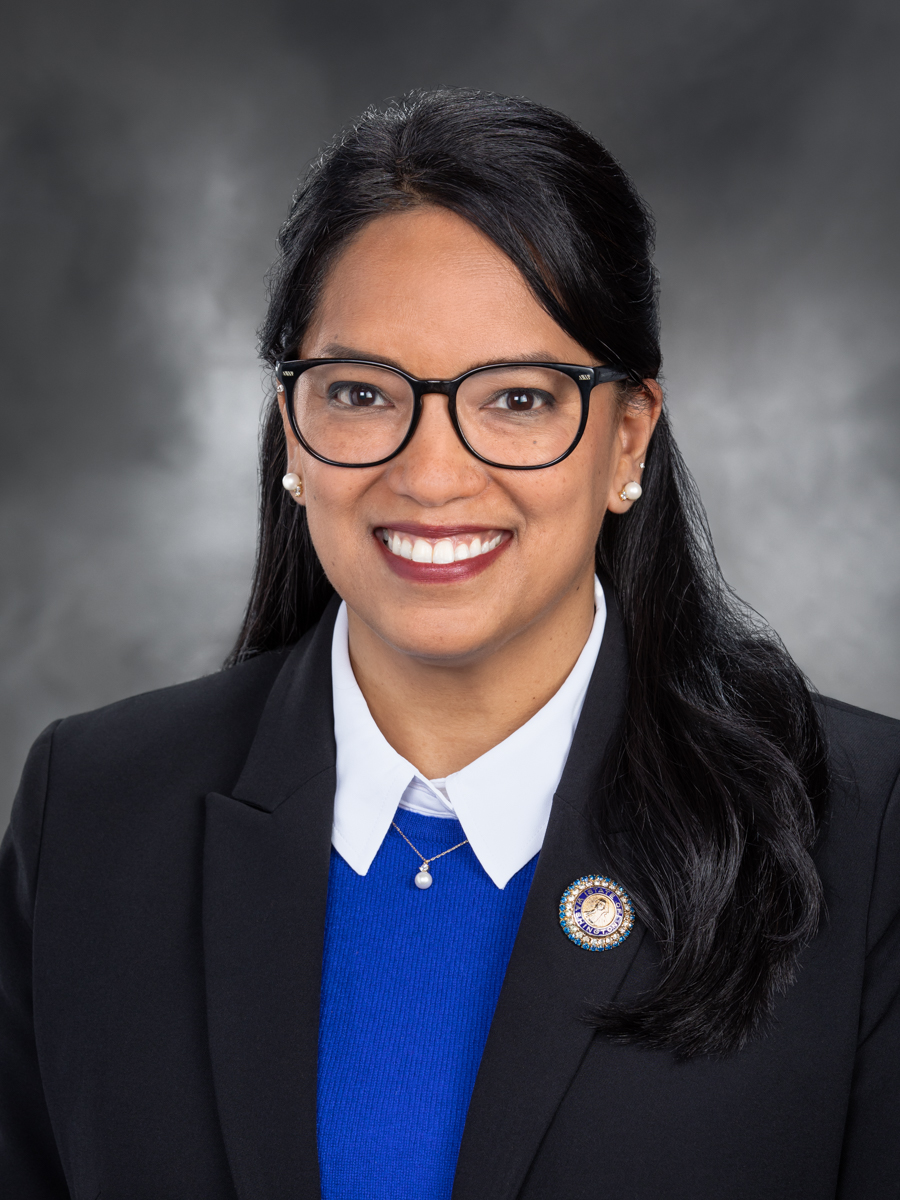
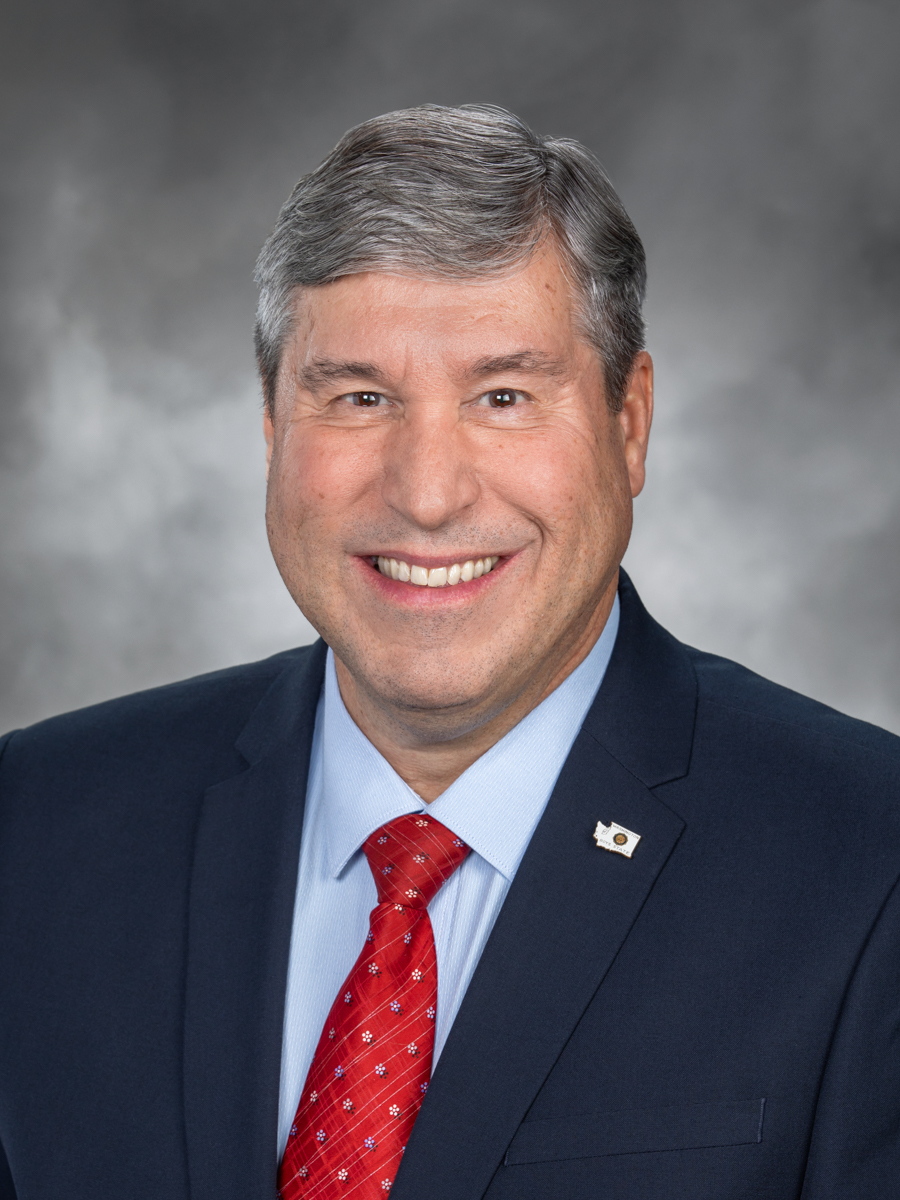
Zach Hall
100% support rate
Top opponent
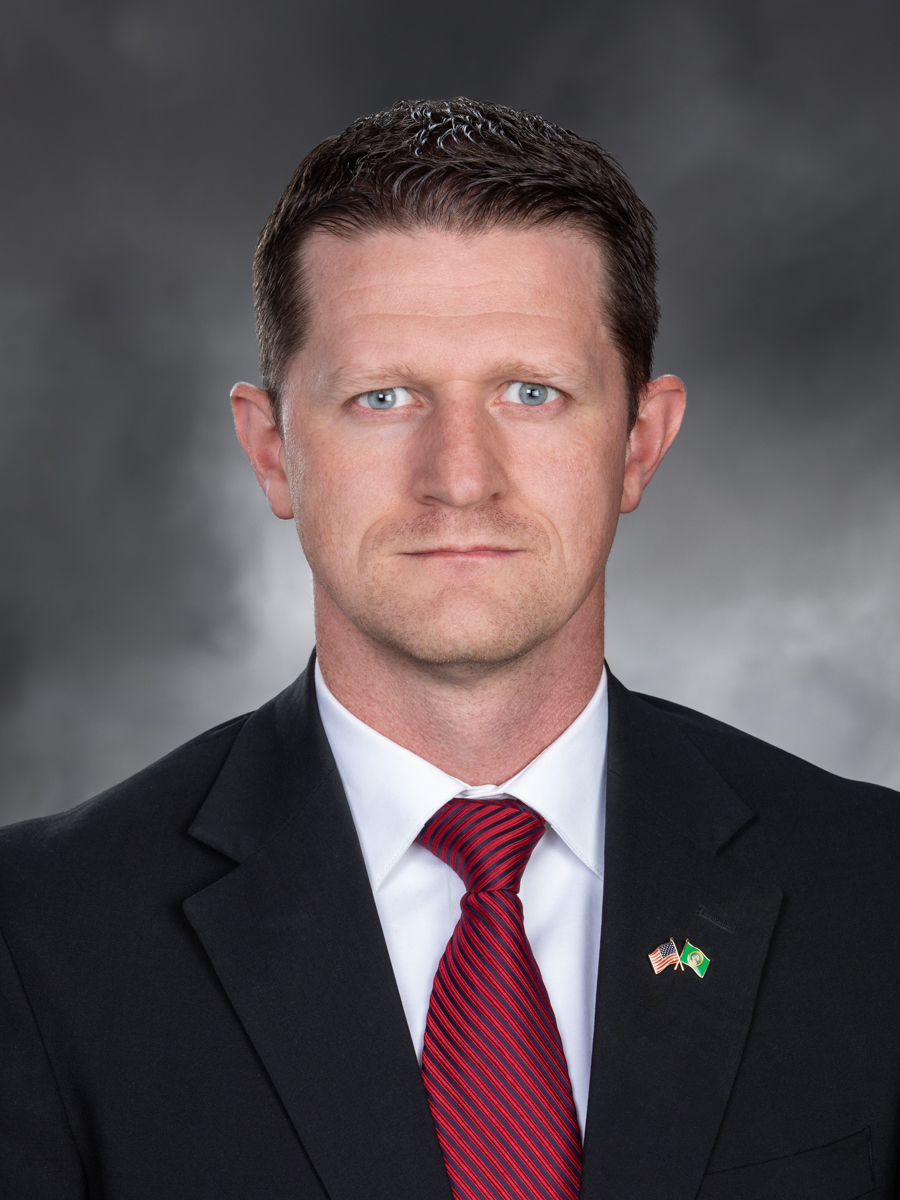
Jeremie Dufault
10% support rate
Ranked legislators
10
5 support · 5 oppose
Key legislators

Who's moving housing in Washington

Legislators moving housing in Washington
Legislator Party Stance Support rate Votes
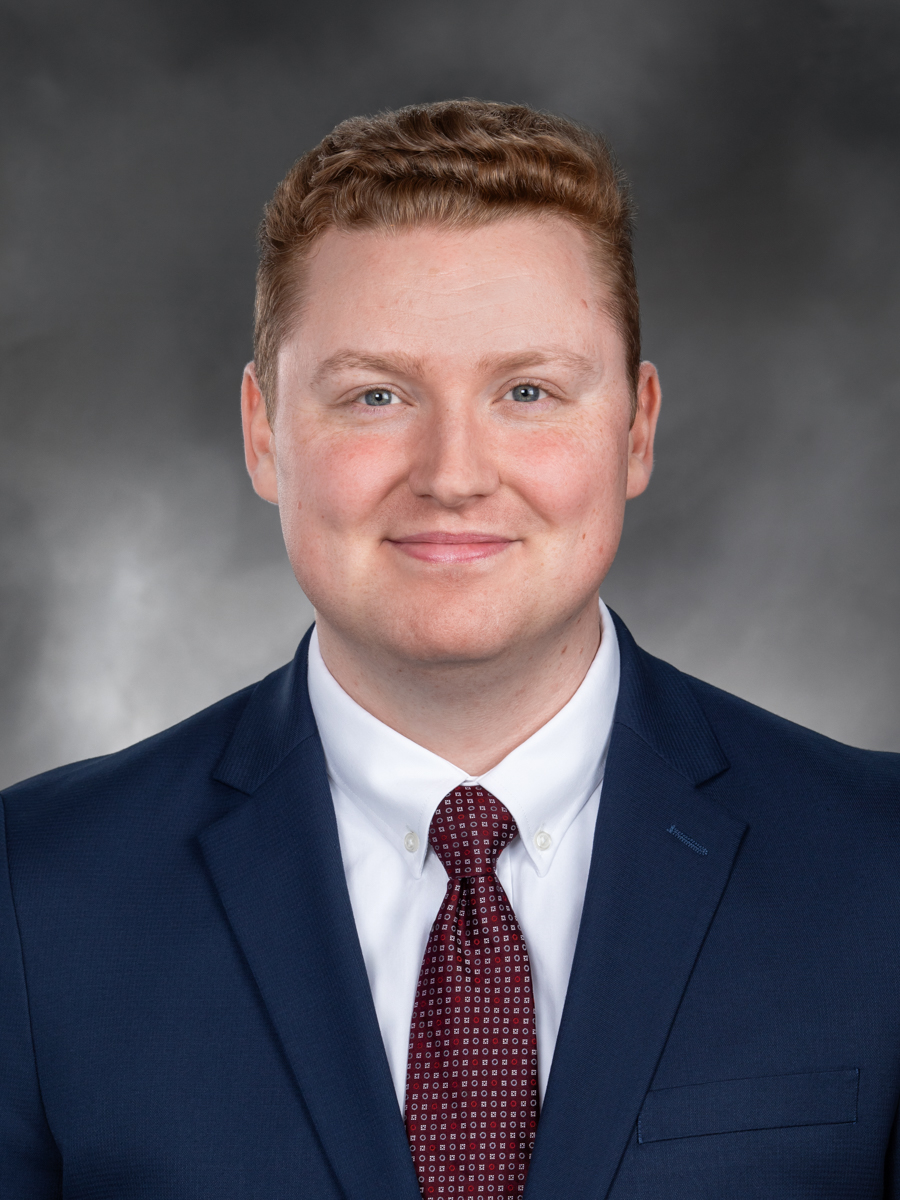
Zach Hall
Zach Hall House · District 5
D
Strong +
100% 123
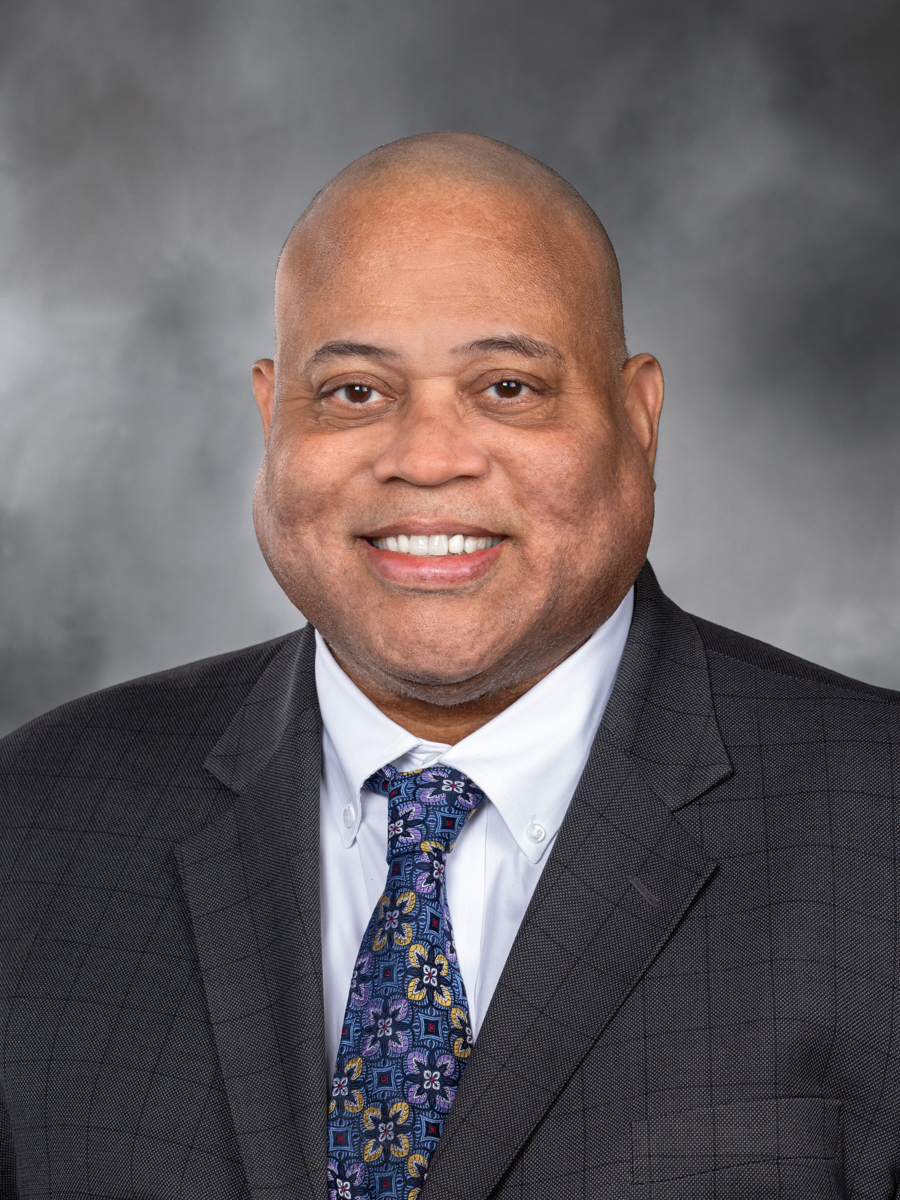
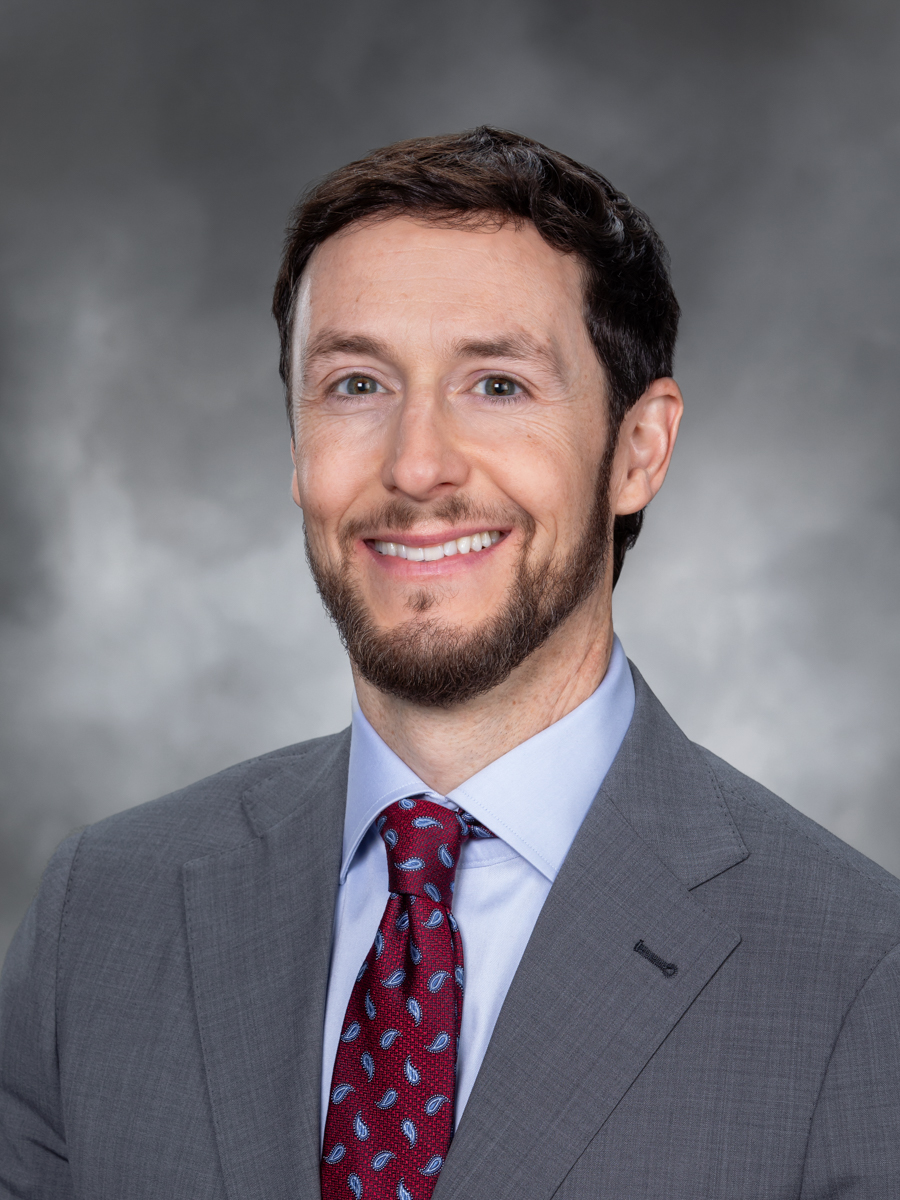
David Hackney
David Hackney House · District 11
D
Strong +
100% 154
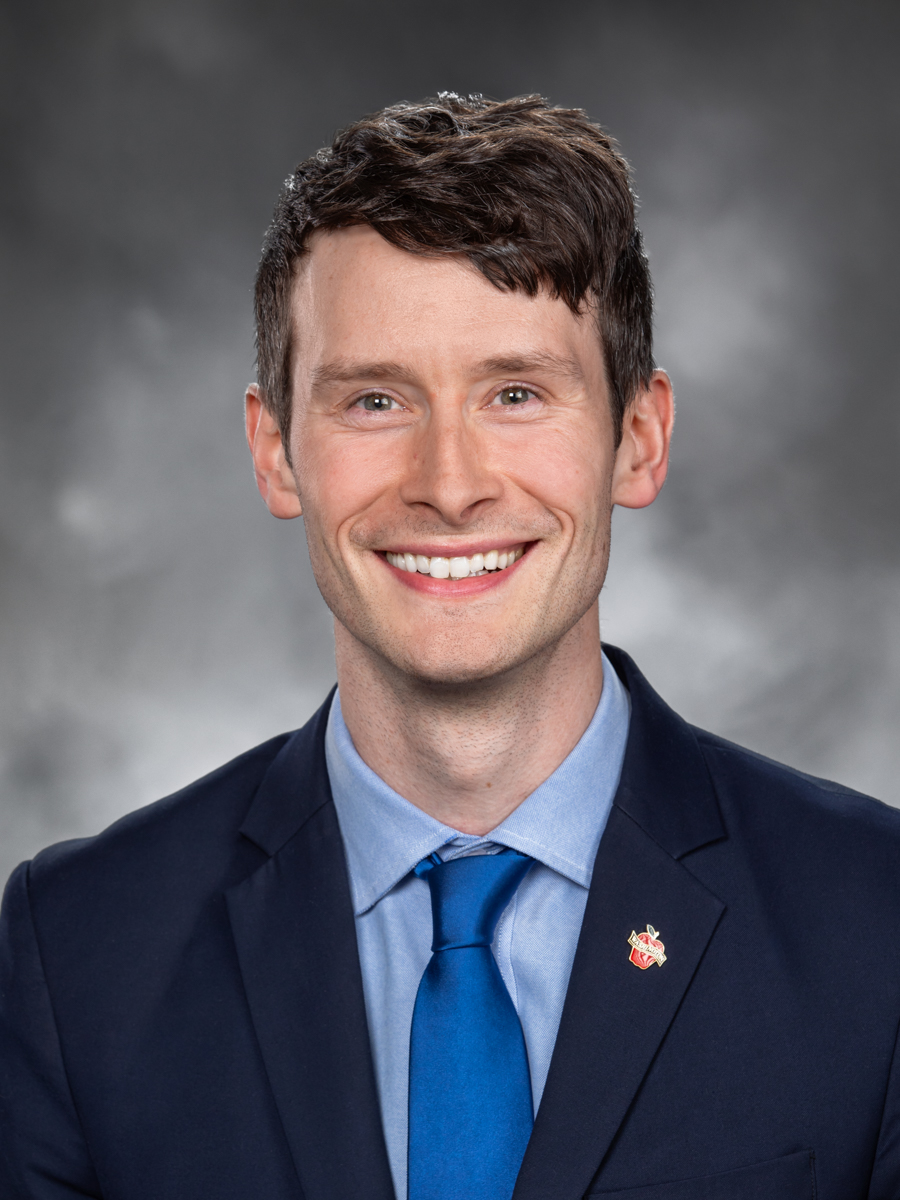
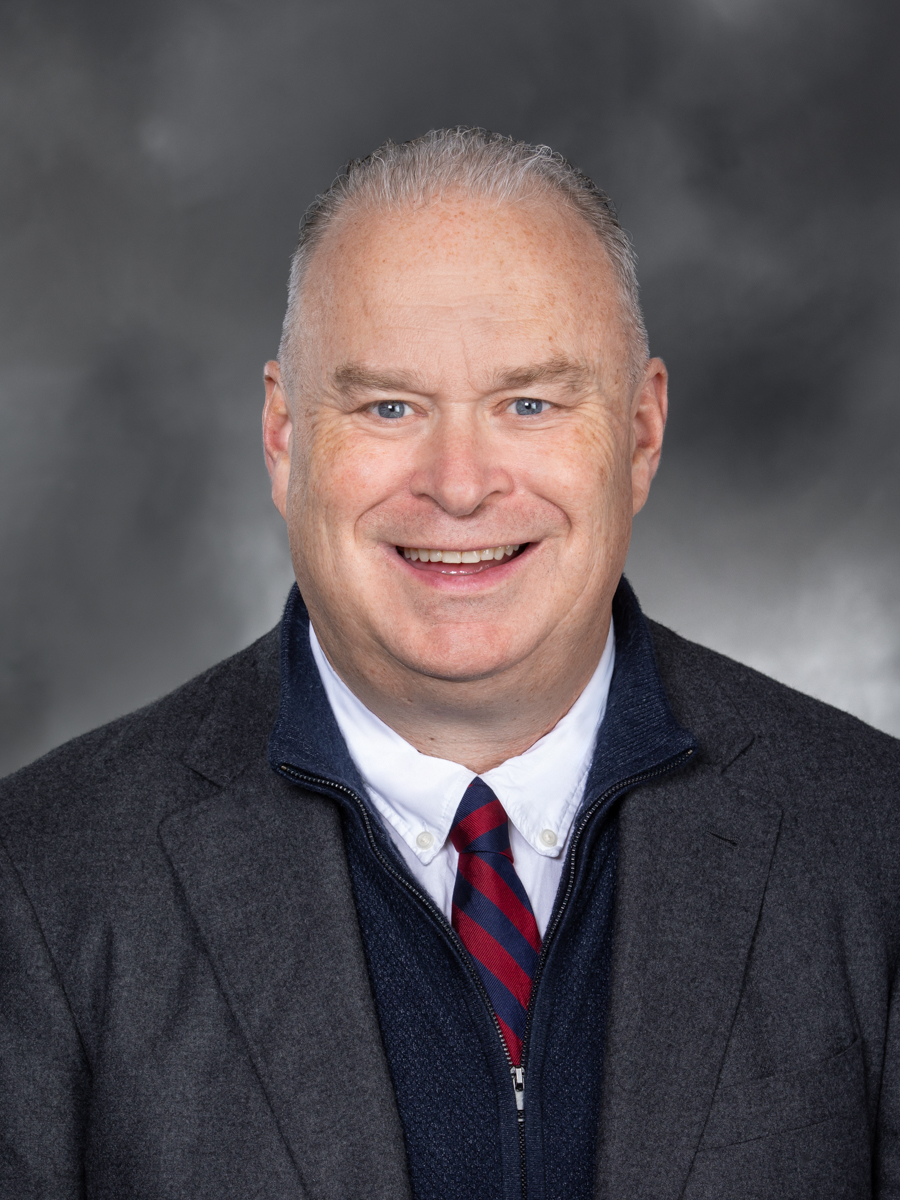
Greg Nance
Greg Nance House · District 23
D
Strong +
97% 195
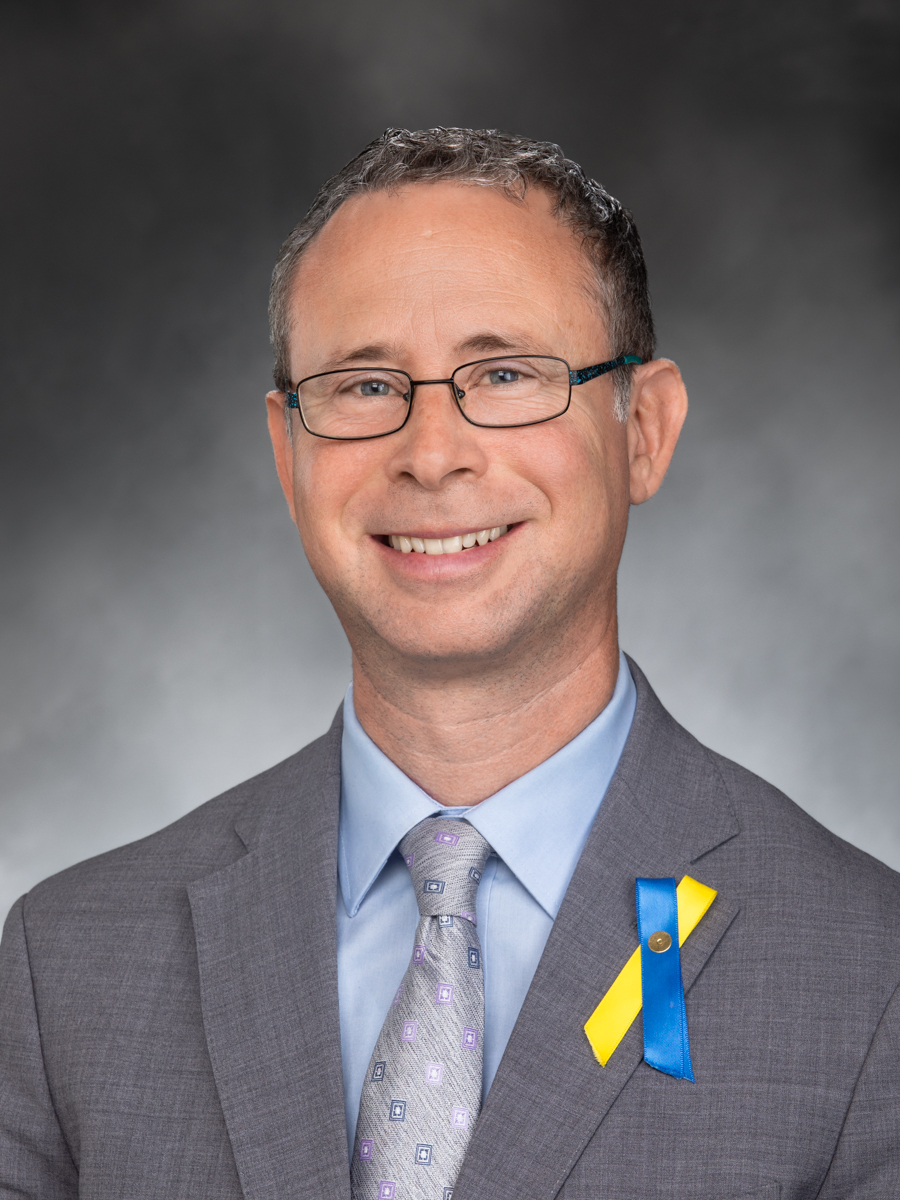
Jesse Salomon
Jesse Salomon Senate · District 32
D
Strong +
95% 112
Kristine Reeves
Kristine Reeves House · District 30
D
Strong +
95% 196
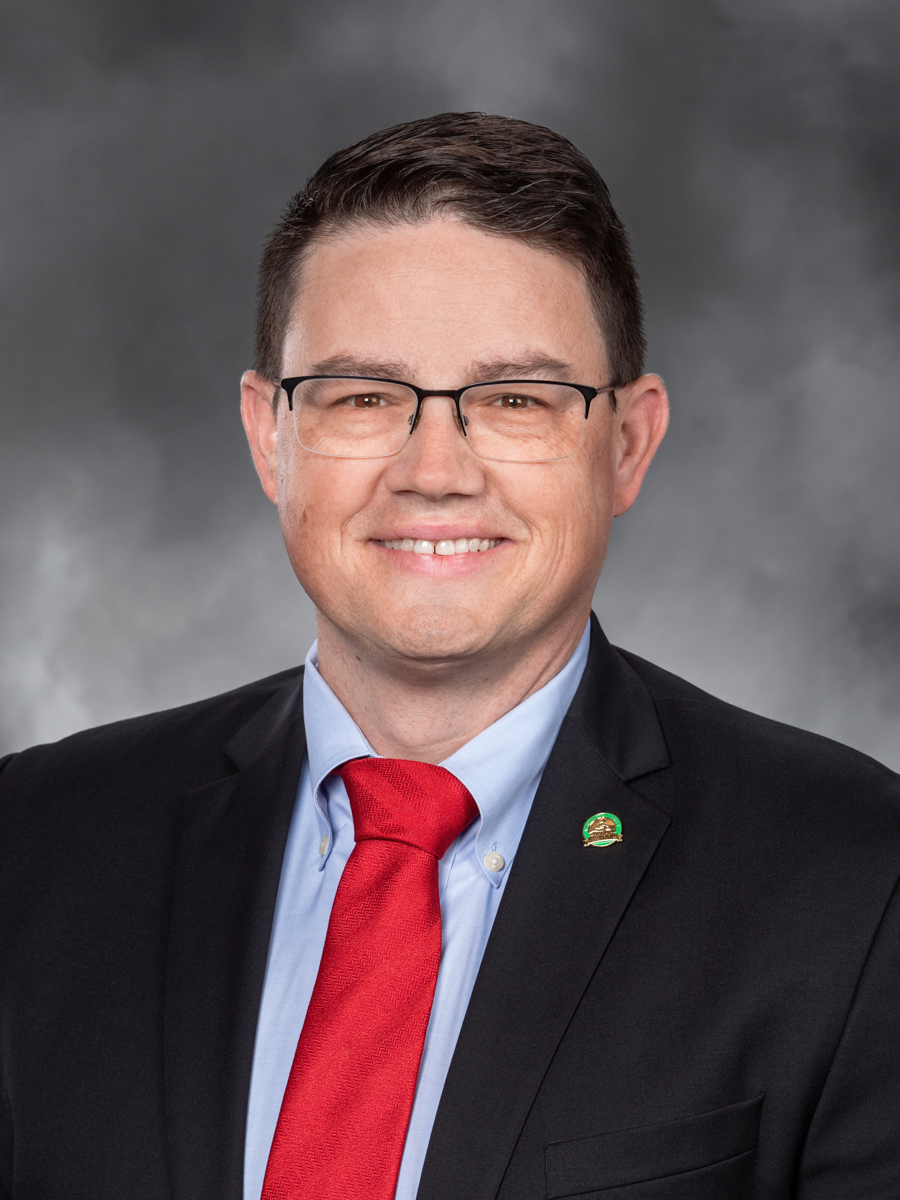
Jeremie Dufault
Jeremie Dufault House · District 15
R
Strong −
10% 205
Jim Walsh
Jim Walsh House · District 19
R
Strong −
10% 206
Chris Corry
Chris Corry House · District 15
R
Strong −
10% 196
Michael Keaton
Michael Keaton House · District 25
R
Strong −
10% 207
Joel McEntire
Joel McEntire House · District 19
R
Strong −
11% 134
Showing 71–80 of 236 bills

All housing bills

signed · Washington · House Mar 27, 2026

HB 2266: Encouraging permanent supportive housing, transitional housing, indoor emergency housing, and indoor emergency shelters.

HB 2266 requires Washington cities and counties to permit permanent supportive housing, transitional housing, indoor emergency shelters, and indoor emergency housing in any zoning district where hotels or residential development is allowed, without imposing stricter rules than those for standard hotels or homes. It standardizes permitting processes, prohibits local governments from restricting these housing types to industrial zones, and mandates that cities/counties meet projected housing needs for emergency shelters. For indoor emergency shelters, the bill requires sponsors to provide written certification of community notification (within 500 feet), one community meeting, a point of contact, and operational policies - without additional requirements. The bill directly affects local governments (by changing zoning rules), housing providers (by streamlining approvals), and people experiencing homelessness (by increasing housing access), aiming to address Washington’s housing crisis through regulatory reform.
in committee · Washington · Senate Feb 26, 2026

SB 6069: Encouraging permanent supportive housing, transitional housing, indoor emergency housing, and indoor emergency shelters.

SB 6069 requires Washington cities and counties to permit permanent supportive housing, transitional housing, indoor emergency shelters, and indoor emergency housing in any zoning area where hotels or residential development is allowed, without imposing extra restrictions beyond standard residential rules. It streamlines permitting by requiring local governments to apply the same development standards (like setbacks and environmental reviews) to these housing types as other lodging, while allowing minor community notification requirements for shelters (e.g., 500-foot notice and one meeting). The bill aims to increase housing supply for people experiencing homelessness by removing regulatory barriers, but does not override restrictions on building in natural hazard zones, agricultural land, or critical areas. It directly affects local zoning decisions and housing providers seeking to expand these services in urban growth areas.
signed · Washington · House Mar 9, 2026

HB 2304: Increasing the supply of condominiums by expanding the types of condominium buildings that may be subject to an express warranty of quality and express warranty insurance coverage.

HB 2304 expands the types of condominium buildings eligible for an express warranty of quality and insurance coverage, directly affecting developers of small residential projects. The bill allows developers to opt out of standard implied quality guarantees (like structural defects) if they provide an express warranty covering defects for specific periods: 1 year for workmanship, 2 years for systems (plumbing/electrical), and 10 years for structural elements. This applies to new or converted buildings with 12 or fewer units, including accessory dwelling units and structures under four stories (with specific configurations like parking or commercial space). Purchasers and future owners gain recourse through this warranty, while developers avoid implied warranty liabilities when meeting the coverage requirements. The change aims to streamline development for smaller condo projects without altering core buyer protections.
in committee · Washington · Senate Jan 13, 2026

SB 6093: Enacting an excise tax on large operating companies on the amount of payroll expenses above the minimum wage threshold of the additional medicare tax to fund services to benefit Washingtonians and establishing the Well Washington fund account.

SB 6093 imposes a tax on large companies' payroll expenses above a threshold (based on the additional Medicare tax threshold) to create the Well Washington Fund. Starting July 1, 2027, 51% of the tax revenue will fund healthcare (including Medicaid), higher education, food assistance programs, and housing initiatives. The bill directly affects large Washington-based companies with significant payroll, while supporting residents relying on these public services. The fund will help offset state budget shortfalls caused by federal funding cuts, with revenues specifically designated for these programs.
in committee · Washington · Senate Feb 26, 2026

SB 6274: Concerning street standards and frontage improvement requirements.

This bill amends Washington state law to update requirements for local governments' comprehensive plans, directly affecting cities and counties that create such plans. It mandates that housing elements within these plans must address specific needs, including housing for low- and very low-income households, emergency shelters, and accessory dwelling units, while identifying barriers like infrastructure requirements that disproportionately impact infill housing. The bill also requires local plans to include strategies for environmental justice, wildfire risk mitigation (e.g., through land use planning), and policies to address racially disparate housing impacts and displacement risks. These changes aim to integrate housing affordability, equity, and climate resilience into local land use decisions.
passed · Washington · Senate Mar 12, 2026

SB 6184: Updating the office of homeless youth program provisions.

SB 6184 updates Washington state's definitions and administrative provisions for homeless youth programs, primarily affecting unaccompanied homeless youth and HOPE centers (facilities providing temporary housing and services). The bill specifically limits stays at HOPE centers to 90 days for most unaccompanied homeless youth, requiring department approval for extensions, while allowing longer stays if a parent arranges return. It revises key terms like "homeless person," "HOPE center," and "street outreach services" to clarify program eligibility and operations. These changes aim to standardize definitions across state agencies and align with existing homelessness housing frameworks without introducing new funding or major program shifts.
Sub-Topics Homelessness
in committee · Washington · House Jan 28, 2026

HB 2702: Increasing the short plat threshold.

HB 2702 increases the threshold for "short subdivisions" in urban growth areas from 9 to 30 lots, allowing developers to bypass full subdivision review for projects creating up to 30 lots if the average lot size meets local minimum requirements. This directly affects property developers seeking to subdivide land in urban growth areas and local governments managing land use regulations. The bill amends Washington’s subdivision laws to simplify approval processes for smaller-scale developments, while maintaining the existing 4-lot limit outside urban growth areas. Key provisions require that average lot sizes comply with local minimums to qualify for the streamlined process.
in committee · Washington · House Jan 12, 2026

HB 2153: Prohibiting homebuyers from receiving multiple state-funded down payment assistance loans or grants.

HB 2153 prohibits homebuyers from receiving more than one state-funded down payment assistance loan or grant from Washington's housing programs. It directly affects first-time homebuyers who might apply for multiple assistance programs, ensuring they can only accept one offer. The bill amends state law to state that applicants applying for multiple programs (or multiple offers from one program) are eligible for only a single loan or grant. This change aims to fairly distribute limited public funds to more qualified homebuyers instead of concentrating benefits on a single buyer.
Sub-Topics Homeownership
signed · Washington · Senate Mar 23, 2026

SB 5938: Concerning the foreclosure prevention fee.

This bill imposes an $80 fee on most residential mortgage loans in Washington at closing, paid by settlement agents and added to the loan if financed. It exempts reverse mortgages for borrowers aged 60 or older, chattel loans for dwellings, and certain homeownership programs (like those under chapter 43.185A RCW). Borrowers must receive a notice about the fee and the statewide foreclosure hotline number. The state must also study using a portion of the fee to create a homeowner assistance fund by July 2027, with the bill expiring August 1, 2028.
in committee · Washington · House Feb 19, 2026

HB 2157: Regulating high-risk artificial intelligence system development, deployment, and use.

Washington State's HB 2157 regulates high-risk artificial intelligence systems that make consequential decisions affecting major life areas like housing, employment, healthcare, loans, and education. It applies to developers (with over $100,000 annual revenue) and deployers operating in Washington who use AI systems for these decisions. The law prohibits algorithmic discrimination - unlawful bias based on protected characteristics - and requires systems to be designed and tested to prevent such outcomes, while excluding research activities and certain facial recognition uses.
Showing 71 to 80 of 236 bills
Previous 1 7 8 9 24 Next