Issue · Housing

Housing

Every housing bill, vote, and legislator stance in Washington, automatically classified by Maddy, our AI policy reader.

Total bills
220
2025-2026 Regular Session
Top supporter
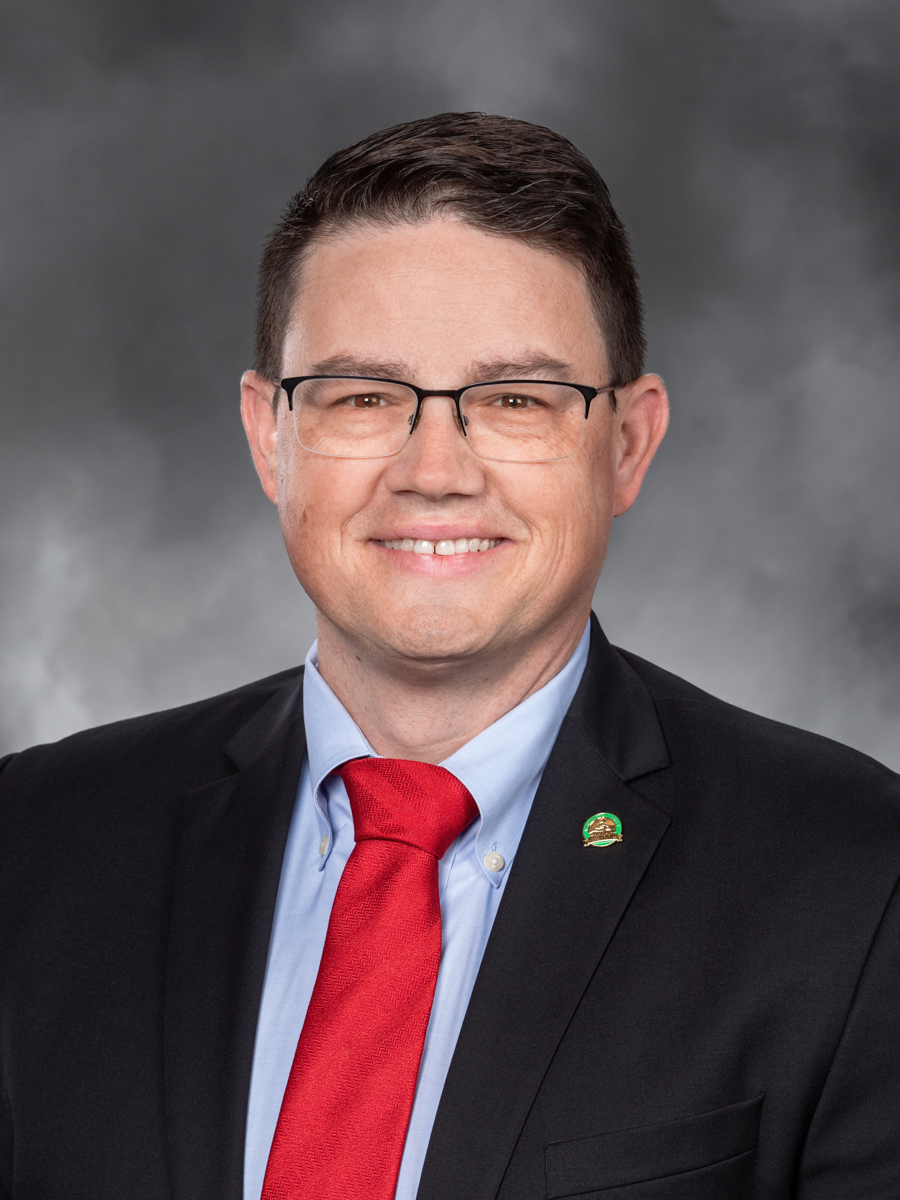
Zach Hall
100% support rate
Top opponent
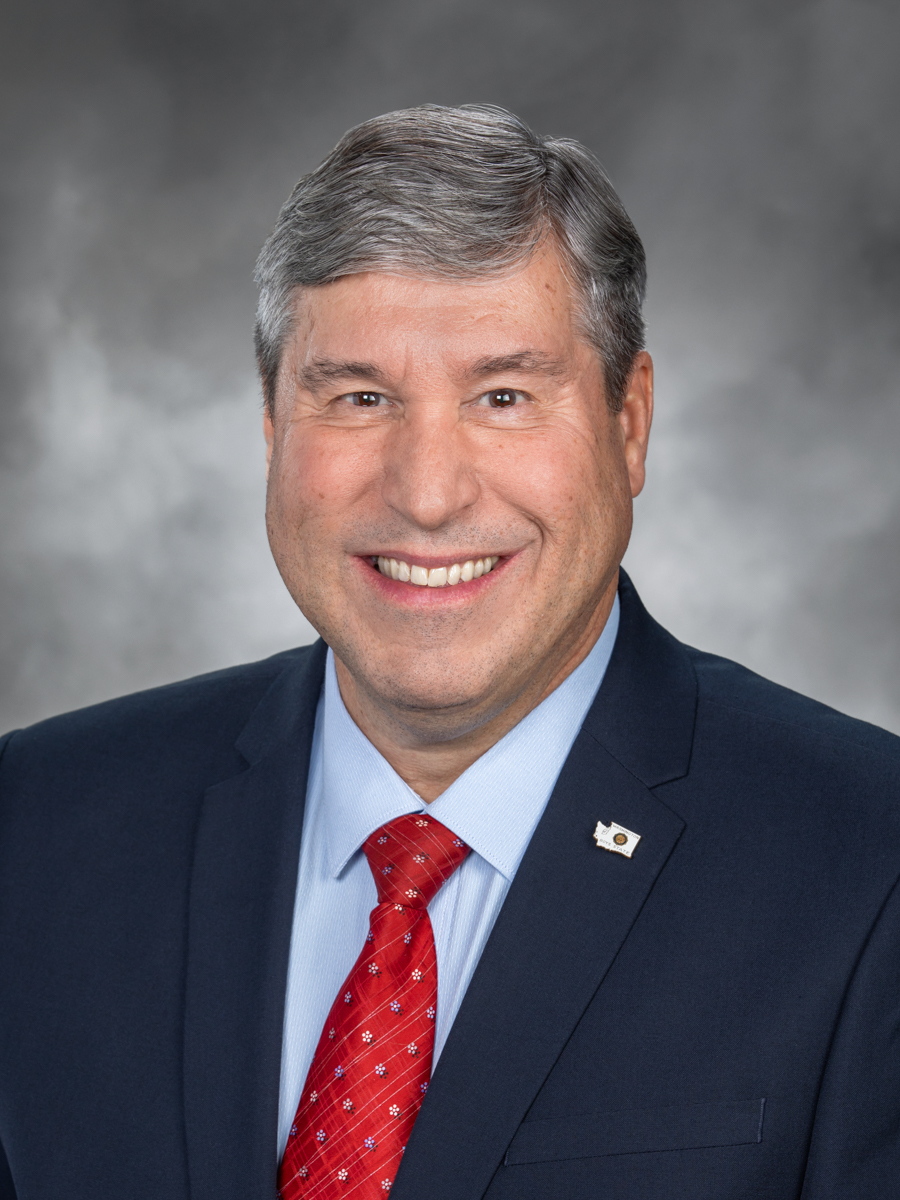
Jeremie Dufault
10% support rate
Ranked legislators
10
5 support · 5 oppose
Key legislators

Who's moving housing in Washington

Legislators moving housing in Washington
Legislator Party Stance Support rate Votes
Zach Hall
Zach Hall House · District 5
D
Strong +
100% 123
David Hackney
David Hackney House · District 11
D
Strong +
100% 154
Greg Nance
Greg Nance House · District 23
D
Strong +
97% 195
Jesse Salomon
Jesse Salomon Senate · District 32
D
Strong +
95% 112
Kristine Reeves
Kristine Reeves House · District 30
D
Strong +
95% 196
Jeremie Dufault
Jeremie Dufault House · District 15
R
Strong −
10% 205
Jim Walsh
Jim Walsh House · District 19
R
Strong −
10% 206
Chris Corry
Chris Corry House · District 15
R
Strong −
10% 196
Michael Keaton
Michael Keaton House · District 25
R
Strong −
10% 207
Joel McEntire
Joel McEntire House · District 19
R
Strong −
11% 134
Showing 1–10 of 220 bills

All housing bills

passed · Washington · Senate Mar 5, 2026

SR 8697: Celebrating the 40th anniversary of habitat for humanity Seattle-King and Kittitas counties.

This Senate resolution formally recognizes the 40th anniversary of Habitat for Humanity Seattle-King and Kittitas Counties, an organization that provides affordable homeownership to low-income families. The bill highlights the nonprofit's achievements, including the construction of 458 homes, advocacy for housing policies, and mobilization of over 600,000 volunteer hours since its founding in 1986. It expresses appreciation for the organization's economic impact and community contributions while encouraging continued efforts to expand affordable housing opportunities.
in committee · Washington · House Jan 20, 2026

HB 2373: Requiring electric utilities to provide monthly bill assistance as part of their obligation to offer energy assistance to low-income households.

HB 2373 requires Washington electric utilities serving 25,000+ customers to offer a monthly bill discount program for low-income households by January 1, 2028, with smaller utilities required to provide at least one such program. The bill mandates income-tiered discounts (minimum five tiers) based on third-party assessments, prioritizing households with higher energy burdens, and requires accessible enrollment options via phone, in-person, and online. Utilities must also provide multilingual materials, streamline eligibility, and report participation data to the state department biennially. This directly affects low-income households and all electric utilities in Washington, aiming to reduce energy burden through structured, ongoing financial assistance.
in committee · Washington · House Feb 24, 2026

HB 2600: Updating the supported living cost report.

HB 2600 requires Washington's Department of Social and Health Services to update the supported living cost report template by July 2026 to align with federal law and address workforce shortages. The updated report must include detailed data on staff counts, wages, benefits (like health insurance and paid time off), and revenue breakdowns by client tier. A new work group - comprising providers, disability advocates, and union representatives - will develop recommendations to improve compensation for direct support professionals, with a final report due to the legislature by December 2026. The bill expires September 1, 2028, and directly affects supported living providers who must submit the new report format.
signed · Washington · House Mar 27, 2026

HB 2418: Concerning permit review processes.

HB 2418 streamlines permit review processes for land use projects in Washington State by requiring local governments (counties and cities) to issue written completeness determinations within 28 days of receiving a project permit application. If a local government fails to provide this written notice within 28 days, the application is automatically deemed complete on the 29th day, preventing unnecessary delays. The bill applies directly to developers seeking permits for projects like subdivisions, site plans, or environmental approvals, but excludes building permits based on code compliance. It aims to create predictable timelines for permit reviews by standardizing procedural requirements and reducing arbitrary delays in local government processing.
Sub-Topics Land Use
in committee · Washington · House Jan 26, 2026

HB 2527: Increasing opportunities for tenants to own homes under eventual tenant ownership programs established under the federal low-income housing tax credit program.

This bill requires private developers using federal low-income housing tax credits to formally transfer home ownership to tenants through programs like rent-to-own or eventual tenant ownership. Developers must set aside funds, clearly inform tenants of ownership rights, and complete transfers on time per agreements. The state housing agency must monitor progress annually, investigate tenant complaints within six months, and impose penalties - including losing future tax credits - for violations. It directly affects developers participating in these federal programs and tenants seeking homeownership opportunities.
in committee · Washington · House Jan 27, 2026

HB 2227: Providing a real estate excise tax exemption for the sale of qualified affordable housing.

HB 2227 would exempt sales of "qualified affordable housing" from Washington's real estate excise tax. This bill amends the state's tax code (RCW 82.45.010) to create this specific exemption for qualifying affordable housing properties. The exemption directly affects sellers of eligible affordable housing units, reducing their tax burden when selling such properties. The bill is currently pending in the House Finance Committee after being prefaced in December 2025.
in committee · Washington · House Jan 28, 2026

HB 2699: Concerning landlord-tenant relations.

HB 2699 changes Washington's landlord-tenant laws by requiring landlords to provide 60 days' written notice before ending fixed-term leases without cause (for leases between 6-12 months). It also extends notice periods to 30 days for nonpayment evictions in federally subsidized housing or properties with federally backed mortgages. The bill affects landlords and tenants statewide, particularly those in federally assisted housing programs or properties with federal loans. Key mechanisms include stricter notice requirements for evictions, clearer definitions of "covered" properties, and new rules for lease terminations without cause. These changes aim to provide greater stability for tenants while clarifying landlord obligations under state law.
in committee · Washington · House Jan 14, 2026

HB 2486: Controlling costs imposed by the state energy code.

HB 2486 aims to reduce construction costs for housing by adjusting Washington's state energy code requirements. It directs the state building code council to prevent cost increases when updating the energy code, specifically prohibiting new requirements that would raise construction costs for homes under 1,700 square feet beyond 2026 baseline levels during 2026 and 2029 code cycles. Code officials can approve less costly energy code alternatives for small residential projects if full compliance would be "economically impractical" (costs wouldn't be recovered through energy savings within 10 years), and must allow affordable housing projects to use older, less expensive energy code versions. The bill directly affects homebuilders, developers, and local code enforcement officials for single-family and small multifamily residential construction.
in committee · Washington · Senate Feb 2, 2026

SB 6028: Establishing a revolving loan fund for mixed-income affordable homeownership development.

SB 6028 creates a revolving loan fund administered by the Washington State Housing Finance Commission to support mixed-income housing developments where a portion of units are permanently affordable for low-income households (defined as those earning under 80% of the county median income). The fund provides loans to eligible developers (nonprofits, for-profits, public agencies) up to $5 million or 50% of project costs, requiring all affordable units to be sold/resold only to low-income households for at least 99 years via deed restrictions. Repaid loans and interest are recycled into new projects, with geographic limits of $5 million per county per funding round to ensure statewide distribution. The bill mandates strict monitoring to verify affordability compliance and penalties for noncompliance, including repayment of full loans plus interest for unmet affordability targets.
in committee · Washington · Senate Jan 12, 2026

SB 5964: Establishing an independent living ombuds to support seniors living in independent living facilities and the independent living portion of continuing care retirement communities.

SB 5964 creates a new state office for a senior independent living ombuds to assist residents of senior housing communities that do not provide medical care (like standard independent living facilities or non-licensed portions of retirement communities). The ombuds will handle complaints about landlord-tenant issues, contract disputes, and facility conditions, while tracking data on these concerns. Facilities must post the ombuds' contact information for residents and prospective residents before agreements are signed. The ombuds cannot issue sanctions but will investigate issues, provide resources, and report annual data to the legislature on resident concerns.
Sub-Topics Landlords Tags Seniors
Showing 1 to 10 of 220 bills
1 2 3 22 Next