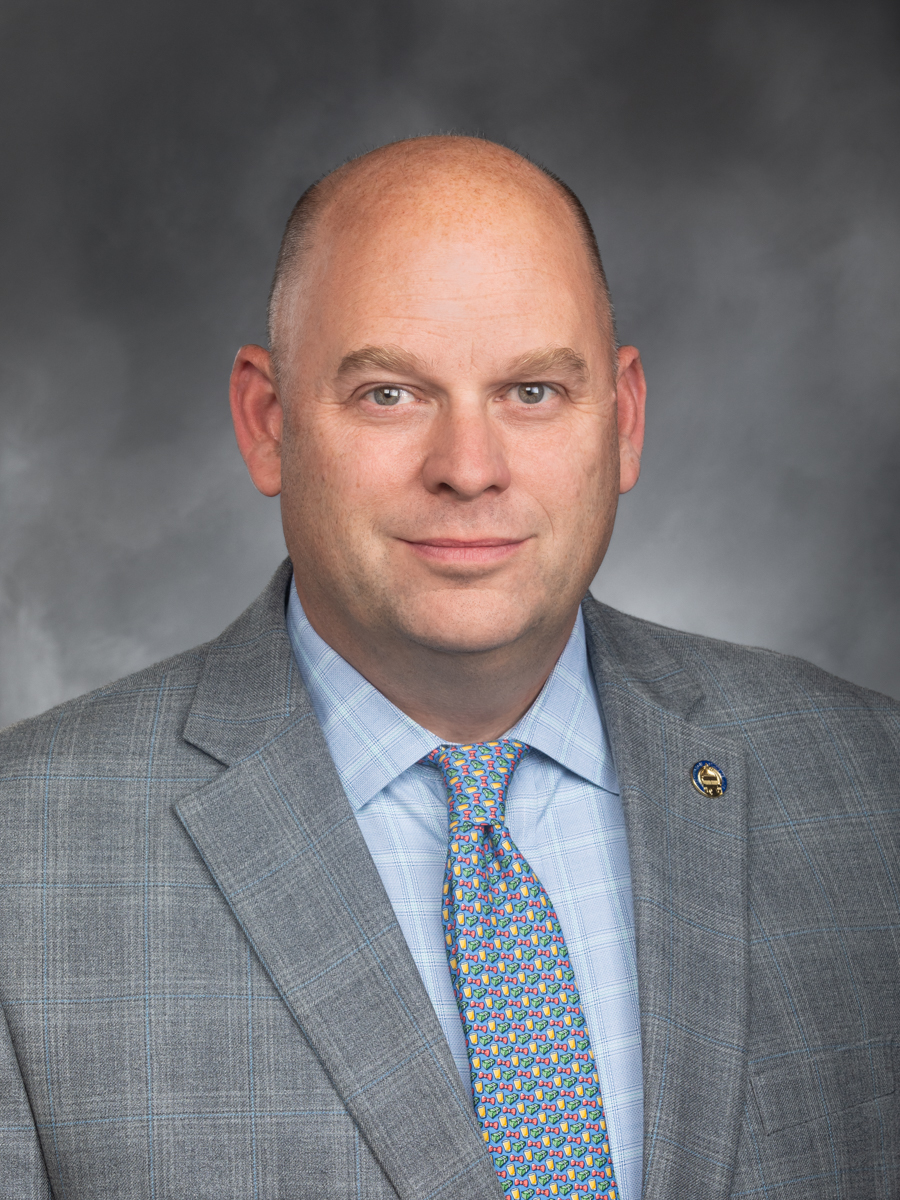
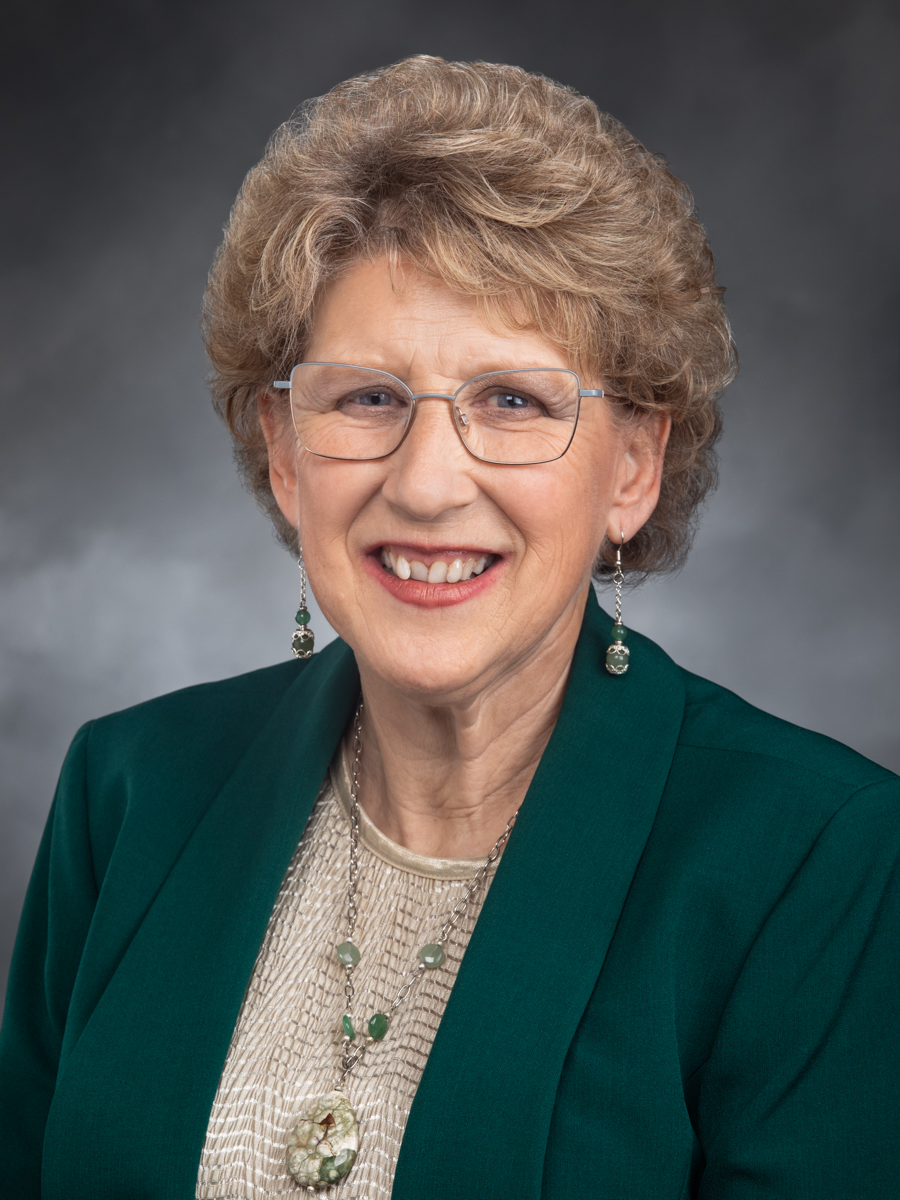
HB 1120 sets new minimum state salary allocation targets for school staff in Washington's basic education program, directly affecting all public school districts. It requires the state to gradually increase minimum salary allocations to reach $67,325 (adjusted for inflation from 2023-24) for classified staff (e.g., office, support roles) starting in the 2025-26 school year, with further increases to $99,164 for classified administrative staff by 2027-28. The bill mandates annual inflation adjustments and regional cost-of-living adjustments based on school district housing values, as specified in the annual budget. These changes aim to align state funding with actual staffing costs, replacing previous formulas that expired after the 2017-18 school year. The bill is currently pending in the Appropriations Committee after being prefaced in December 2024.
HB 1485 increases the maximum allowable annual increase for student services and activities fees at Washington state's public colleges and universities from 4% to 6%. This change applies to all institutions, allowing governing boards to raise these fees by up to 6% yearly (instead of 4%) if deemed reasonable by committees, to help cover rising costs for services like health care, counseling, recreation, clubs, and events. Community colleges have a separate rule tying fee increases to tuition growth, but the bill's main change is the higher 6% cap for all institutions. The bill aims to help schools maintain essential student services amid inflation without altering the existing fee approval process.
HB 1851 prohibits public colleges and universities in Washington from using state funds or tuition/fee revenue to repair property damaged during demonstrations, riots, or other disruptive activities that disrupt campus operations. The bill applies directly to public higher education institutions that permit such events causing property destruction. Key provisions require institutions to cover repair costs themselves using non-state, non-tuition funds, rather than relying on public or student-generated revenue. This policy change specifically targets funding sources for repairs, without restricting protest activities themselves.
House Bill 1414 aims to improve career access for 16 and 17-year-old students involved in preparatory secondary career and technical education (CTE) programs. The bill expands the statewide career and technical education task force within the Office of the Superintendent of Public Instruction. This task force is directed to review existing laws, rules, and state agency policies that create age-based barriers for students to begin coursework, test for licenses, or work in professions after completing CTE programs. The task force will then develop recommendations, including draft legislation, to remove these restrictions and enhance work-integrated learning opportunities and career entry for these students.
SB 5205 sets specific maximum grant amounts for Washington state college students attending different types of institutions. It establishes fixed dollar amounts (e.g., $9,739 for four-year private nonprofits, $3,694 for two-year private nonprofits) that increase annually based on Washington's wage growth rate starting in 2025-26. To receive these amounts, institutions must sign an affidavit and avoid certain legal settlements; otherwise, students get fixed 2024-25 rates. The bill directly affects students at public, private nonprofit, private for-profit, and approved apprenticeship programs in Washington.
This Senate Resolution (SR 8635) recognizes and encourages Washington state residents to celebrate Filipino American educators during October's Filipino American History Month, beginning in 2025. It directly affects Washington citizens and organizations by urging them to acknowledge the contributions of Filipino American educators to public schools, higher education, and community fields. The resolution does not create new laws but formally calls for recognition of these educators' work, referencing their historical impact and listing notable individuals in the state. It directs copies to educational institutions, historical societies, and community groups to support this observance.
HB 1279 enhances consumer protections for students residing in Washington state who are pursuing postsecondary education, especially those enrolled in distance or online learning programs. The bill ensures that Washington's student consumer protection laws apply to all its residents, even if they attend institutions participating in interstate reciprocity agreements. Beginning July 1, 2028, any such agreements must not reduce existing consumer protections, the state's authority to investigate complaints, or financial surety requirements for institutions. It also mandates that these agreements require institutions to disclose information about financial instability, federal aid eligibility, or accreditation issues to students and the state council.
HB 1839 imposes a 1.22% surcharge on select advanced computing businesses with global revenue exceeding $25 billion annually, targeting large tech firms engaged in software, cloud services, or platforms like social media. The tax applies to affiliated groups (e.g., parent companies and subsidiaries), with exemptions for hospitals and healthcare providers. Revenue generated will fund workforce programs, including expanding the Washington College Grant for families earning up to 70% of median income, increasing STEM teacher training, growing in-state college seats, and supporting student work-study in STEM fields. The bill aims to address a projected 600,000-worker shortfall by directing funds to education and training aligned with high-demand sectors like technology and healthcare.
SB 5335 establishes a state-funded rural nursing education program to address nurse shortages in Washington's underserved rural communities. The program provides distance learning and support services - including childcare, transportation assistance, and internet access - to nursing students who commit to working in rural areas after graduation. It requires collaboration between rural hospitals, academic institutions, and community partners to create tailored training models and address workforce barriers like high urban salaries and pandemic-related burnout. The bill targets Washington’s 39 critical access hospitals and aims to build a sustainable pipeline of local nurses for rural health facilities.
SB 5658 modifies Washington state's college grant program to expand financial aid eligibility, raising the income threshold for maximum grants from 55% to 70% of the state median family income. It also creates a new $500 annual "bridge grant" for low-income students receiving the maximum college grant (excluding those in the college-bound scholarship program), to cover non-tuition expenses like books and housing. The bill establishes a "workforce education investment account" funded by a surcharge, directing all revenues to advanced computing programs at institutions like the University of Washington, with automatic enrollment increases when demand exceeds 100 students. This account must supplement, not replace, other funding, and the bill creates an oversight board to manage allocations. The changes primarily affect low-income undergraduate students pursuing higher education in STEM fields, especially those from underserved communities.