Issue · Education

Education

Every education bill, vote, and legislator stance in Washington, automatically classified by Maddy, our AI policy reader.

Total bills
352
2025-2026 Regular Session
Top supporter
Claire Wilson
89% support rate
Top opponent
Zach Hall
13% support rate
Ranked legislators
10
5 support · 5 oppose
Key legislators

Who's moving education in Washington

Legislators moving education in Washington
Legislator Party Stance Support rate Votes
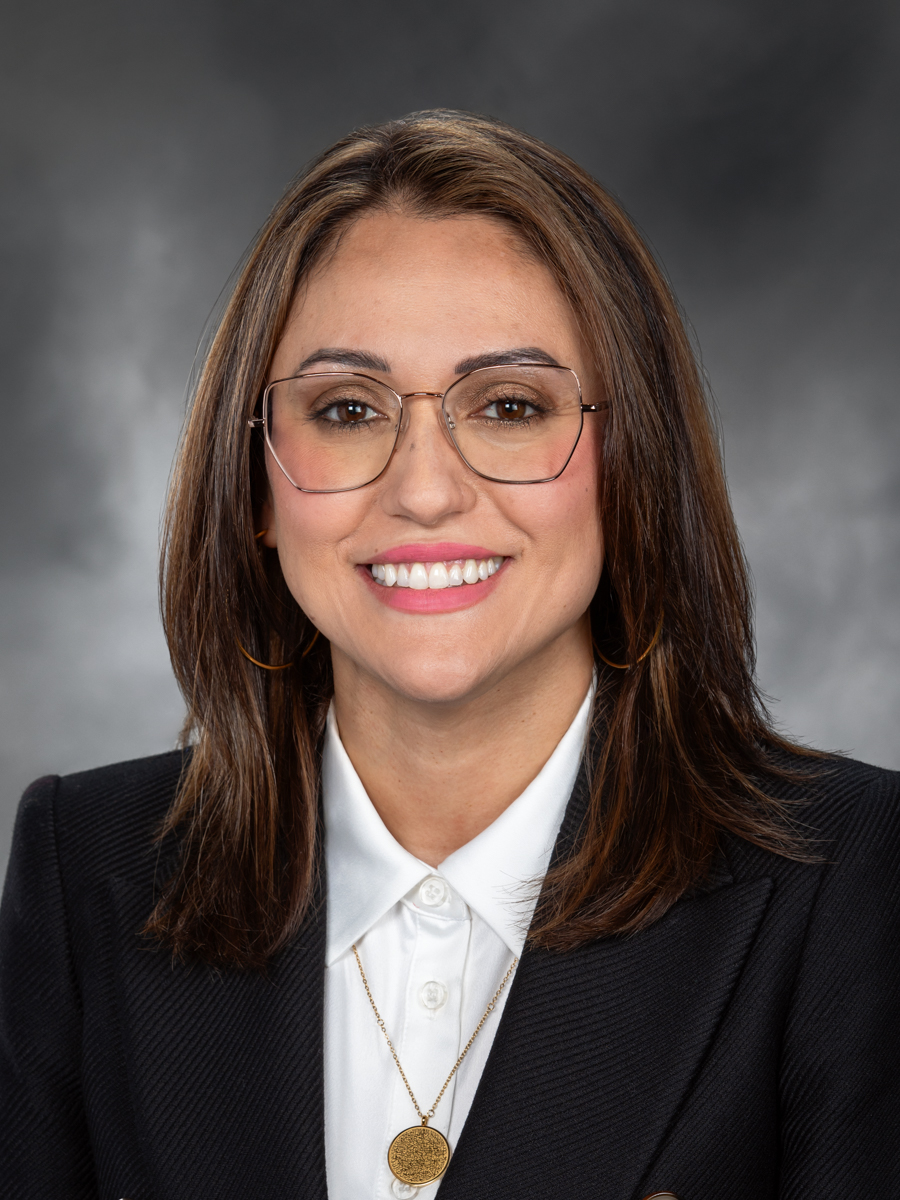
Claire Wilson
Claire Wilson Senate · District 30
D
Strong +
89% 74
Adison Richards
Adison Richards House · District 26
D
Strong +
88% 190
Yasmin Trudeau
Yasmin Trudeau Senate · District 27
D
Strong +
86% 74
Vandana Slatter
Vandana Slatter Senate · District 48
D
Strong +
86% 75
RS
Rebecca Saldaña Senate · District 37
D
Strong +
86% 74
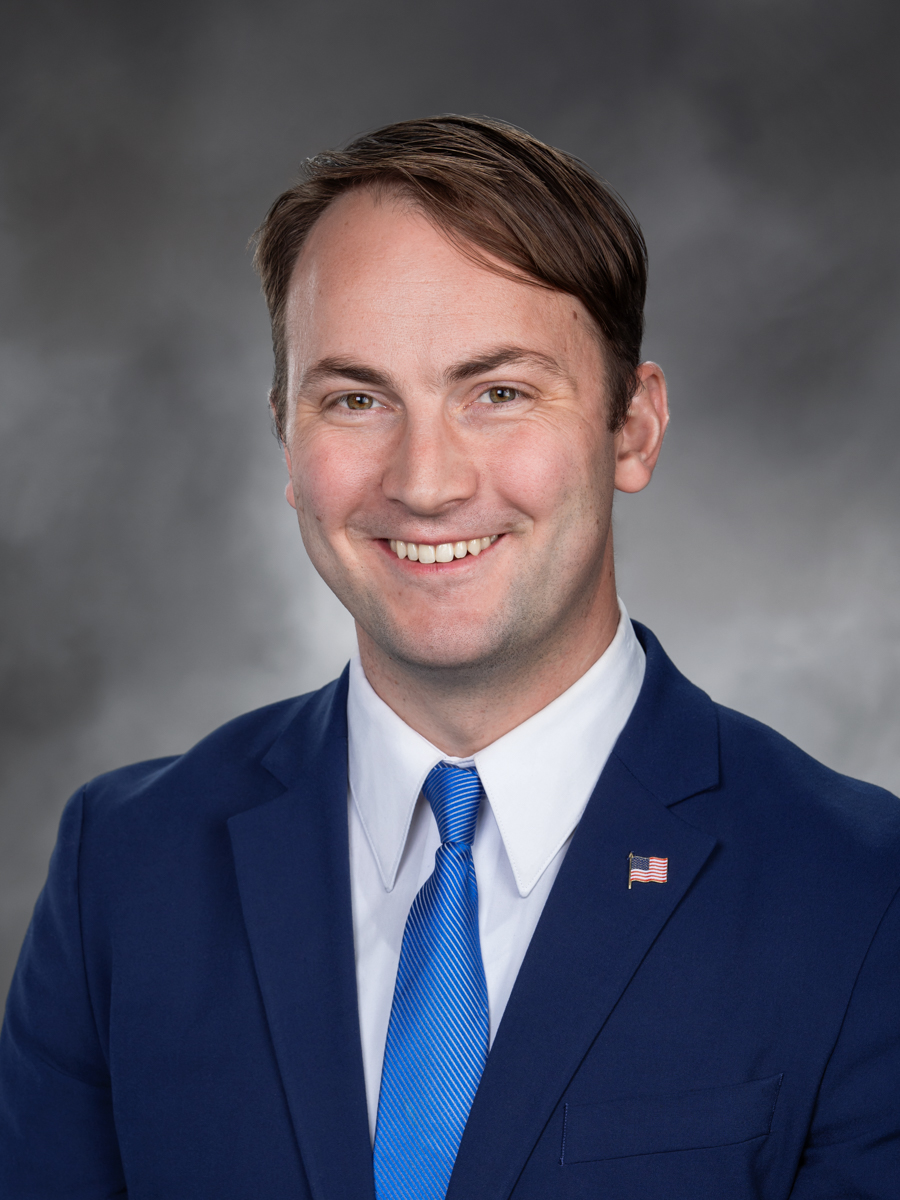
Zach Hall
Zach Hall House · District 5
D
Strong −
13% 135
Leonard Christian
Leonard Christian Senate · District 4
R
Strong −
14% 74
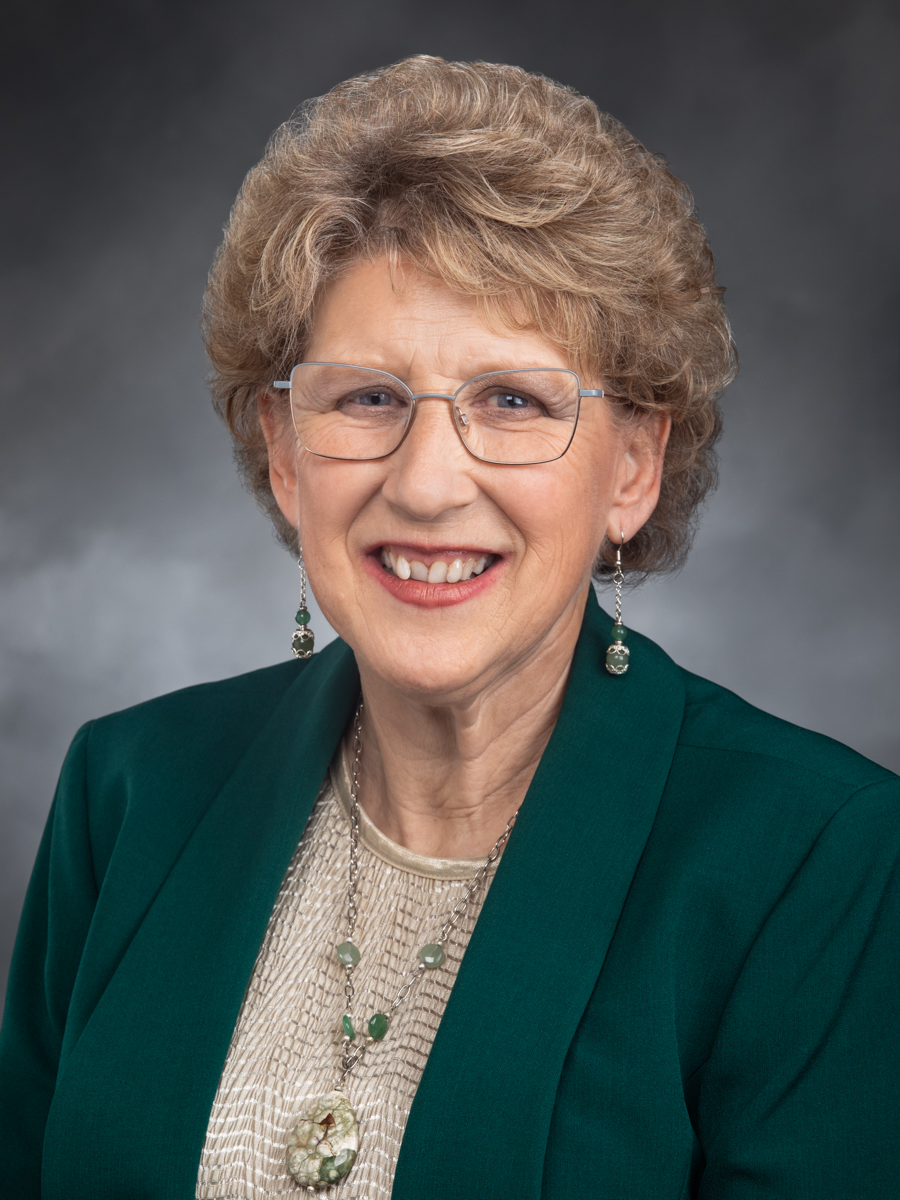
Jim McCune
Jim McCune Senate · District 2
R
Strong −
14% 72
Drew MacEwen
Drew MacEwen Senate · District 35
R
Strong −
16% 73
Shelly Short
Shelly Short Senate · District 7
R
Strong −
18% 74
Showing 271–280 of 352 bills

All education bills

in committee · Washington · Senate Jan 12, 2026

SB 5693: Concerning teacher residency and apprenticeship programs.

SB 5693 establishes new standards for teacher residency and apprenticeship programs in Washington. It defines teacher residencies as year-long programs pairing new educators with mentor teachers for 900 hours of supervised classroom practice (450 hours for graduate students), requiring school district and teacher prep program partnerships, cohort structures, and mentor stipends. The bill also creates teacher apprenticeship programs for bachelor's degree holders needing no graduate degree, mandating 2,000 hours of mentored teaching. Additionally, it adds a scholarship program for educators entering these pathways who commit to teaching in shortage areas, and plans to rename "residency certificates" to "initial certificates" by 2026.
signed · Washington · Senate Apr 22, 2025

SB 5358: Concerning career and technical education in sixth grade.

Senate Bill 5358 addresses career and technical education (CTE) for sixth-grade students. The bill modifies existing state law concerning the allocation of funding for basic education, specifically related to CTE programs. It aims to integrate sixth grade into the scope of CTE provisions, allowing school districts to offer these programs to younger students. This change could expand early exposure to career-focused learning for sixth-grade students.
signed · Washington · House Apr 21, 2025

HB 1540: Expanding eligibility for the students experiencing homelessness and foster youth program to an accredited tribal college.

HB 1540 expands eligibility for the "students experiencing homelessness and foster youth program" to include accredited public tribal colleges in Washington. This program, previously available only at public four-year institutions, provides assistance to students experiencing homelessness and those who were in the foster care system when they graduated high school. Support services can include access to laundry, storage, reduced-price meals, technology, housing assistance, and case management. Participating institutions are also enabled to develop affordable housing from surplus property and are required to submit annual reports to the legislature on the program's impact.
in committee · Washington · House Jan 12, 2026

HB 1404: Increasing student access to free meals served at public schools.

HB 1404 expands access to free school meals in Washington state by removing income-based eligibility requirements. It mandates that all public school students who request a meal receive it at no cost, regardless of family income, to address food insecurity and support academic success. The bill amends several education funding statutes (including RCW 28A.235.135 and 28A.235.160) to align meal access with this new policy. It directly affects every public school student in Washington, ensuring no child experiences hunger during the school day. The policy change replaces previous tiered eligibility systems with universal free meals for all requesting students.
Sub-Topics Student Health
signed · Washington · House Mar 24, 2026

HB 1795: Addressing restraint or isolation of students in public schools and educational programs.

HB 1795 prohibits the use of physical restraint, mechanical restraint, or isolation (seclusion) in Washington public schools for student discipline or staff convenience. It directly affects students, especially those with disabilities, and school staff by requiring schools to use behavioral intervention plans and functional behavioral assessments before implementing restraint. Key provisions include banning chemical restraint unless medically prescribed, defining "isolation" to exclude brief time-outs or emergencies, and mandating staff training in crisis prevention. The bill aims to protect students from traumatic practices while ensuring restraint is only used for immediate safety risks, not as punishment.
in committee · Washington · Senate Jan 12, 2026

SB 5126: Establishing a statewide network for student mental and behavioral health.

SB 5126 creates a statewide network to coordinate school-based mental and behavioral health services for Washington K-12 students. It directs the Office of the Superintendent of Public Instruction (OSPI) to lead strategic planning, streamline access to resources, and establish regional programs through Educational Service Districts. The bill requires schools to implement evidence-based screening, prevention, and intervention services - including substance use education - and coordinate with community partners. This directly affects all public schools, students, and local education agencies by standardizing support systems currently fragmented across multiple state agencies.
signed · Washington · House May 20, 2025

HB 2050: Implementing K-12 savings and efficiencies.

House Bill 2050 updates the system for providing state local effort assistance funding to K-12 public school districts in Washington. This funding helps supplement local school district levies for educational enrichment programs. The bill modifies how this assistance is calculated, including updating financial thresholds and refining definitions for terms like "eligible school district" and "student enrollment." It also removes temporary provisions related to how student enrollment from prior school years was considered for funding calculations. These changes affect how much state funding school districts receive to support their local education efforts, with an effective date of January 1, 2026.
in committee · Washington · House Jan 12, 2026

HB 1910: Increasing funding for teacher-librarians.

HB 1910 modifies Washington State's school funding formula to increase state allocations for teacher-librarians in public schools. The bill specifies minimum staffing levels of 0.66 full-time equivalent positions for teacher-librarians in elementary schools and one full-time equivalent position in middle and high schools. This change directly affects all public school districts receiving basic education funding by mandating additional state resources for school library media programs. The increased funding supports information literacy and technology resources through library programs, as defined in the bill's amendment to the state's education funding law.
in committee · Washington · House Jan 12, 2026

HB 1136: Providing student navigational supports to increase postsecondary enrollment.

HB 1136 establishes a program placing financial aid specialists in Washington high schools to help students complete the free application for federal student aid (FAFSA) and Washington state financial aid forms. The specialists will target schools in educational service districts with the lowest FAFSA completion rates, especially those serving high percentages of low-income students (eligible for free/reduced lunch). Using data from the Student Achievement Council, they will provide direct support to students and families, including outreach at school events and through peer networks. The program requires annual reports tracking application completion rates and enrollment impacts, aiming to reduce barriers like perceived costs that prevent students from pursuing postsecondary education.
in committee · Washington · Senate Jan 12, 2026

SB 5724: Improving student access to dual credit programs, including career and technical education dual credit programs.

SB 5724 aims to improve access to dual credit programs, particularly career and technical education (CTE) dual credit, for Washington high school students. It requires collaboration between community colleges, school districts, and other entities to create a statewide catalog of dual credit courses, align CTE programs with career pathways, and streamline credit transfer processes. The bill also mandates updating the state's administrative data system to better track credits, improve transcript accuracy, and support articulation agreements between high schools and colleges. These changes target students seeking career-focused postsecondary education, with a specific focus on fixing current gaps where CTE dual credit doesn't reliably transfer to college. The bill requires a report on data system improvements by October 2026.
Showing 271 to 280 of 352 bills
Previous 1 27 28 29 36 Next