

Concerning prostitution.
HB 2526 redefines "patronizing a person for prostitution" as a crime targeting individuals who pay for sexual activity, with penalties escalating based on prior offenses (gross misdemeanor for first offense, class C felony for two or more prior convictions after April 1, 2026). It imposes mandatory fees on convicted individuals or those entering reduced charges/diversion agreements: $3,000 for first offenses, $5,000 for one prior offense, and $10,000 for two or more prior offenses. Ninety-eight percent of these fees must fund community-based survivor-led services like mental health counseling, housing, and job training, while 2% goes to the Department of Commerce for reporting. The bill also requires courts to establish payment plans for those unable to pay in full and prohibits fee waivers without documented inability to pay.
Bill status
in committee
1 of 4 stages cleared
Introduction
Jan 2026
Committee Review
Floor Vote
Governor
Introduced Jan 16, 2026
Last action Feb 4, 2026
Maddy AI version diff · 1 comparison
What changed between versions
Bill
→
Substitute Bill
·
4 edits
MODERATE
The bill was amended to revert the charge name from 'commercial sexual exploitation' back to 'patronizing a person for prostitution' and significantly increased the financial penalties for repeat offenders. The substitute bill also redefines 'sexual conduct' to strictly mean sexual intercourse or contact, removes the requirement for a public health system approach, and shifts the majority of fee revenue to survivor-led organizations instead of general county funds.
Scope change
The bill's scope narrowed by removing the broad definition of 'commercial sexual exploitation' and specific focus on vulnerable populations, while tightening the definition of prohibited conduct to only include sexual intercourse or contact.
DEFINITION
The definition of the crime was changed from 'commercial sexual exploitation' to 'patronizing a person for prostitution', and 'sexual conduct' was redefined to exclude non-contact acts.
FISCAL
Fee amounts were increased for repeat offenders (up to $10,000 for two or more prior convictions), and the allocation of revenue was changed to require 98% go to survivor-led organizations instead of being split between prevention and general county funds.
REQUIREMENT
The requirement to establish a public health system and support services for victims was removed from the legislative intent.
ENFORCEMENT
The penalty structure was modified to allow a gross misdemeanor charge that automatically becomes a class C felony only after two or more convictions occurring after April 1, 2026.
Floor votes
How they voted
No floor votes recorded yet.
Full legislative history
Actions timeline
Total actions
7
Key actions
4
Committee
5
Feb 4, 2026
Committee
Referred to Appropriations.
lower
Feb 3, 2026
Lower · Passed
Minority; do not pass.
lower
Feb 3, 2026
Lower · Passed
Executive action taken in the House Committee on Community Safety at 4:00 PM.
lower
Jan 29, 2026
Lower · Passed
Executive session scheduled, but no action was taken in the House Committee on Community Safety at 8:00 AM.
lower
Jan 20, 2026
Lower · Passed
Public hearing in the House Committee on Community Safety at 4:00 PM.
lower
1 primary · 3 co-sponsors
Sponsors
Role
Legislator
Party
State
District
P
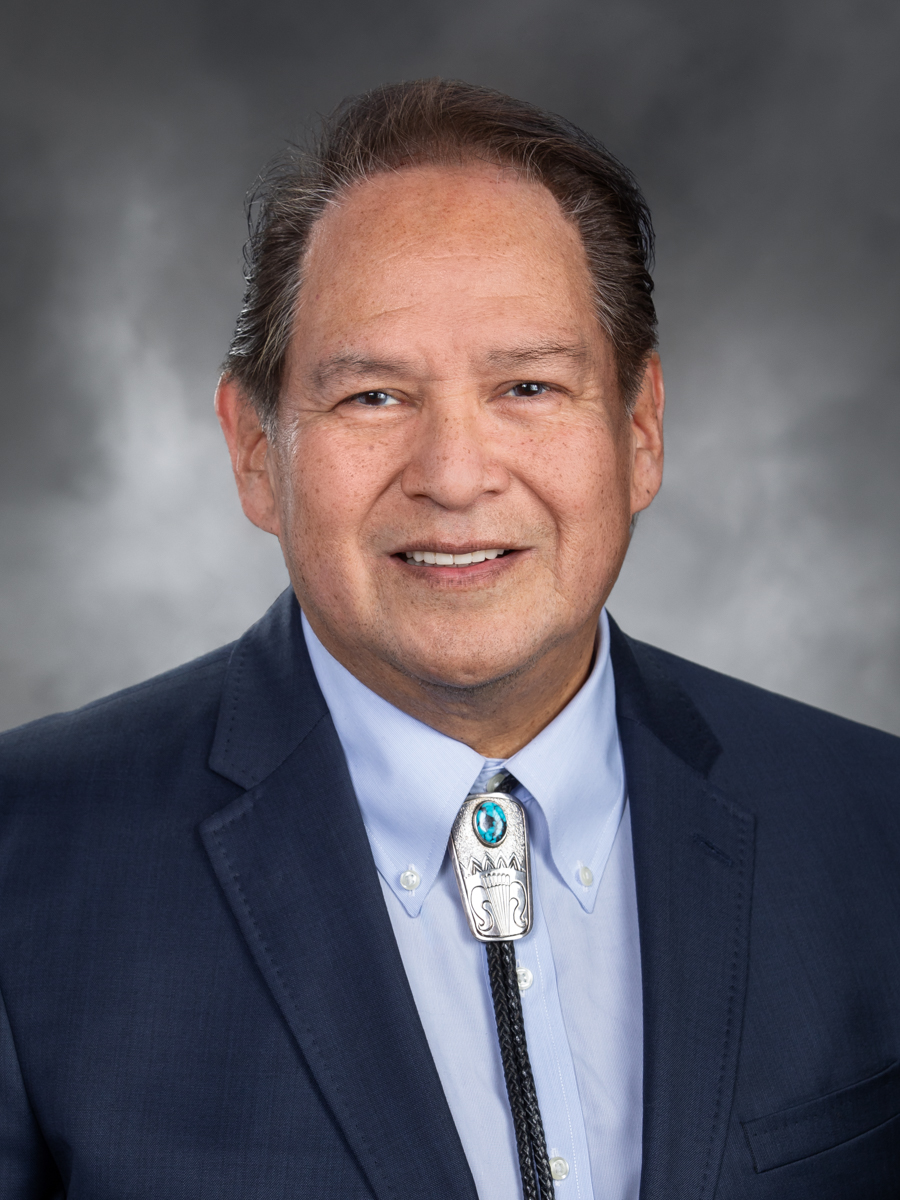
Chris Stearns
DDemocratic
Co
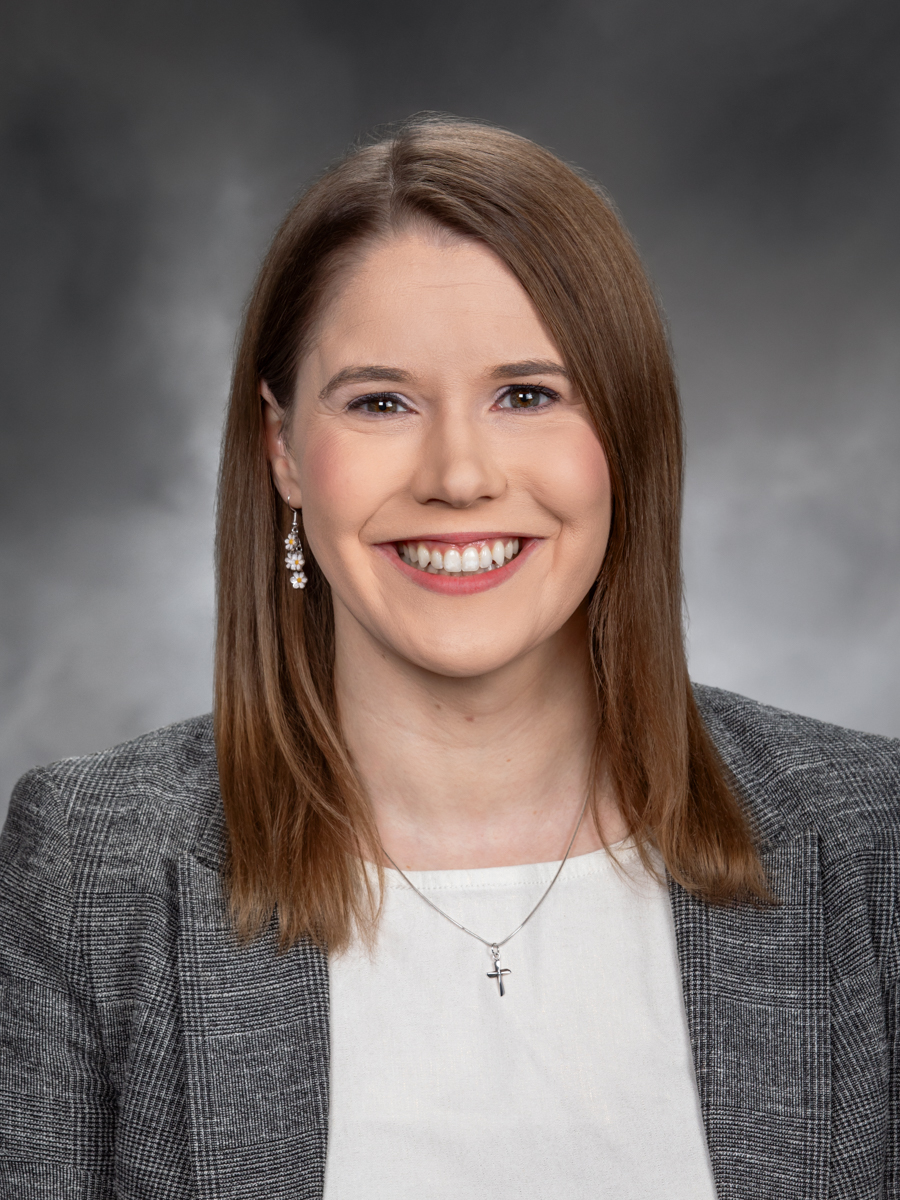
Lauren Davis
DDemocratic
Co
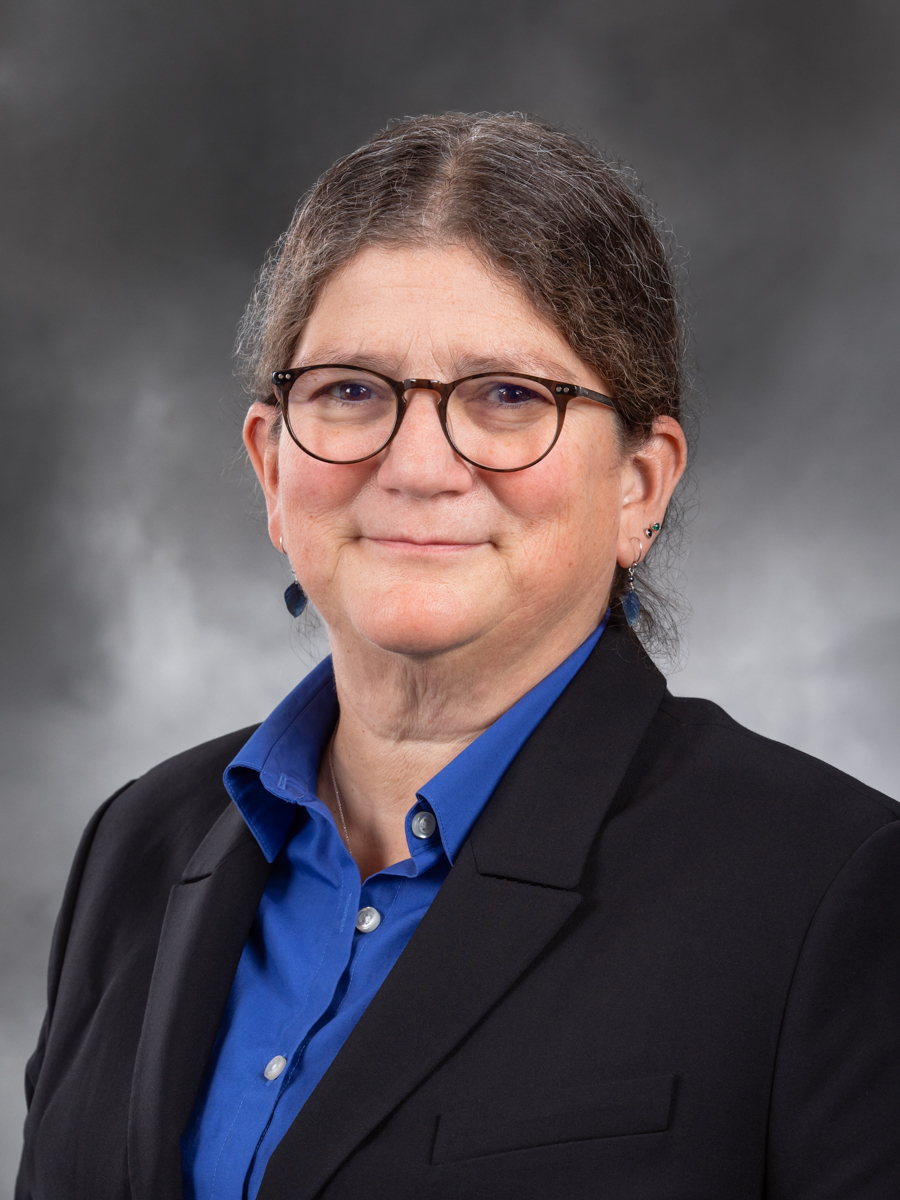
Lisa Parshley
DDemocratic
Co
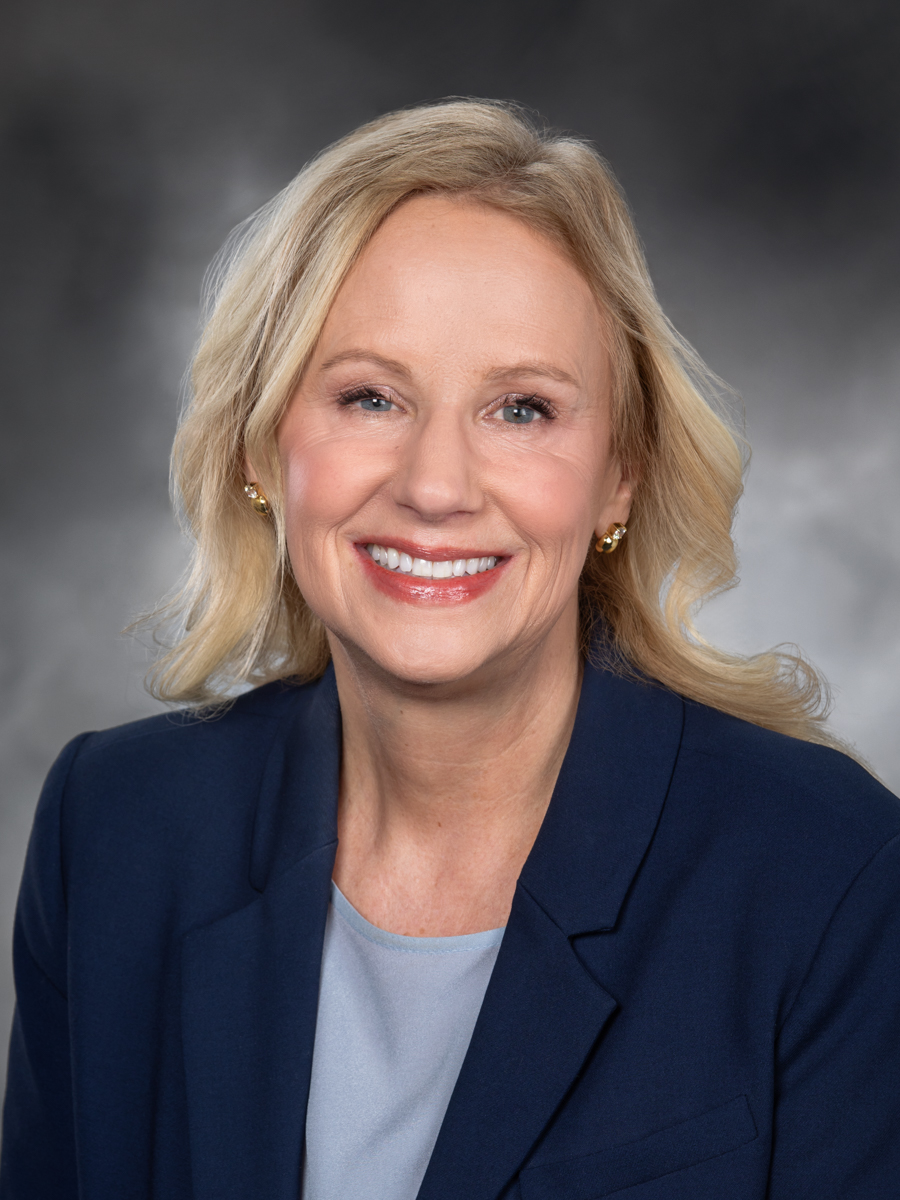
Mari Leavitt
DDemocratic
Ask Maddy
·
AI policy assistant
Ask Maddy about HB 2526
Scope: WA
Hi! I can help you understand HB 2526. What would you like to know?
Try one of these
i
Maddy answers using official bill text and legislative records. Always verify before sharing.
Sources cited inline