Issue · Criminal Justice

Criminal Justice (Courts)

Every criminal justice bill, vote, and legislator stance in Washington, automatically classified by Maddy, our AI policy reader.

Total bills
82
2025-2026 Regular Session
Top supporter
Alex Ramel
100% support rate
Top opponent
April Connors
0% support rate
Ranked legislators
10
5 support · 5 oppose
Key legislators

Who's moving courts in Washington

Legislators moving courts in Washington
Legislator Party Stance Support rate Votes
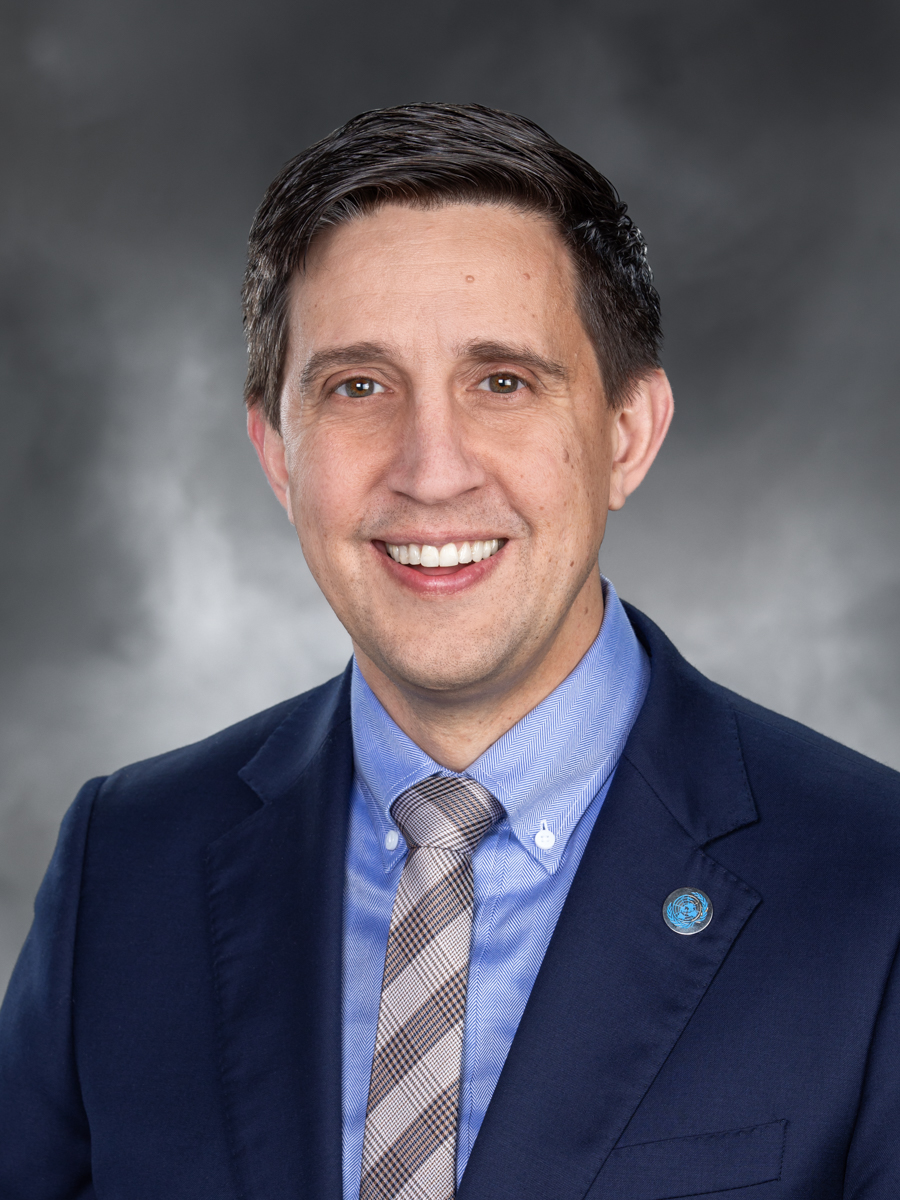
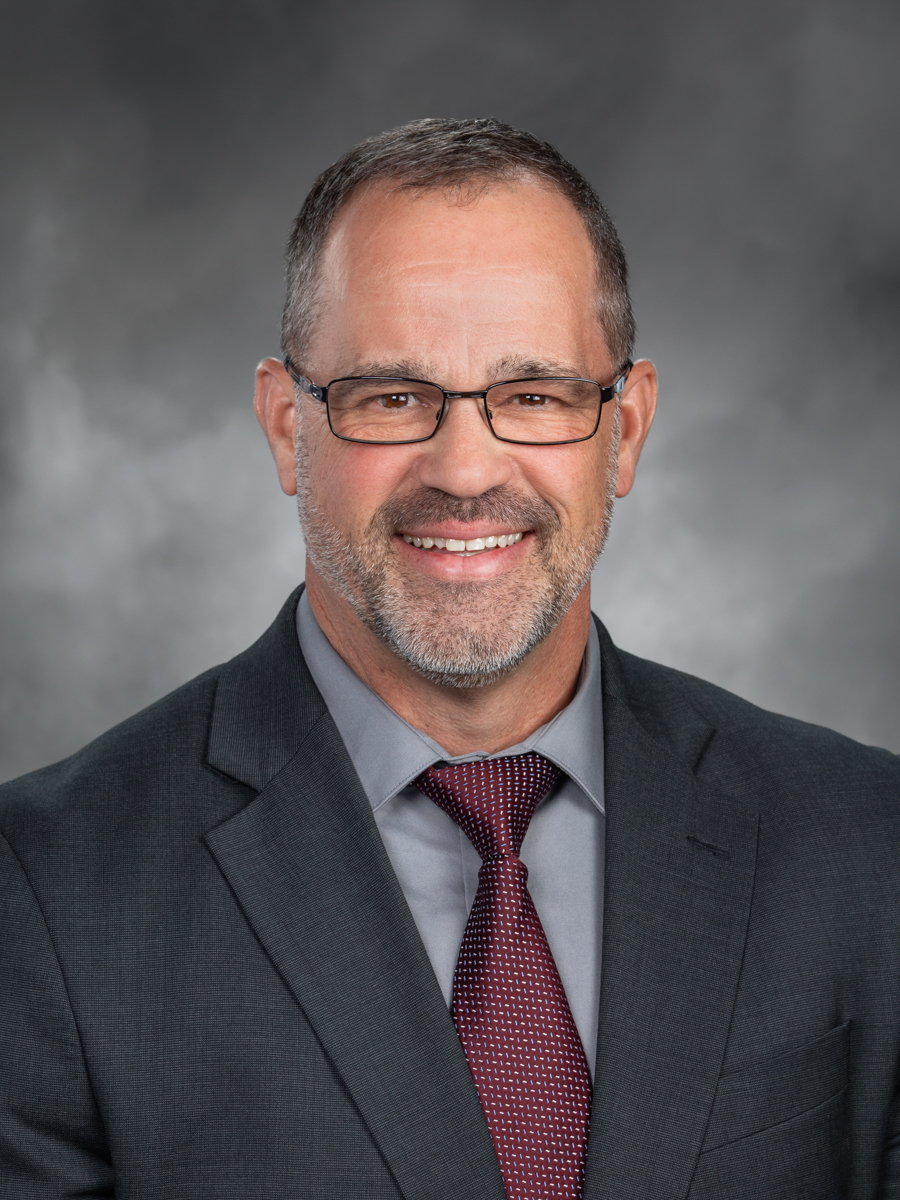
Alex Ramel
Alex Ramel House · District 40
D
Strong +
100% 13
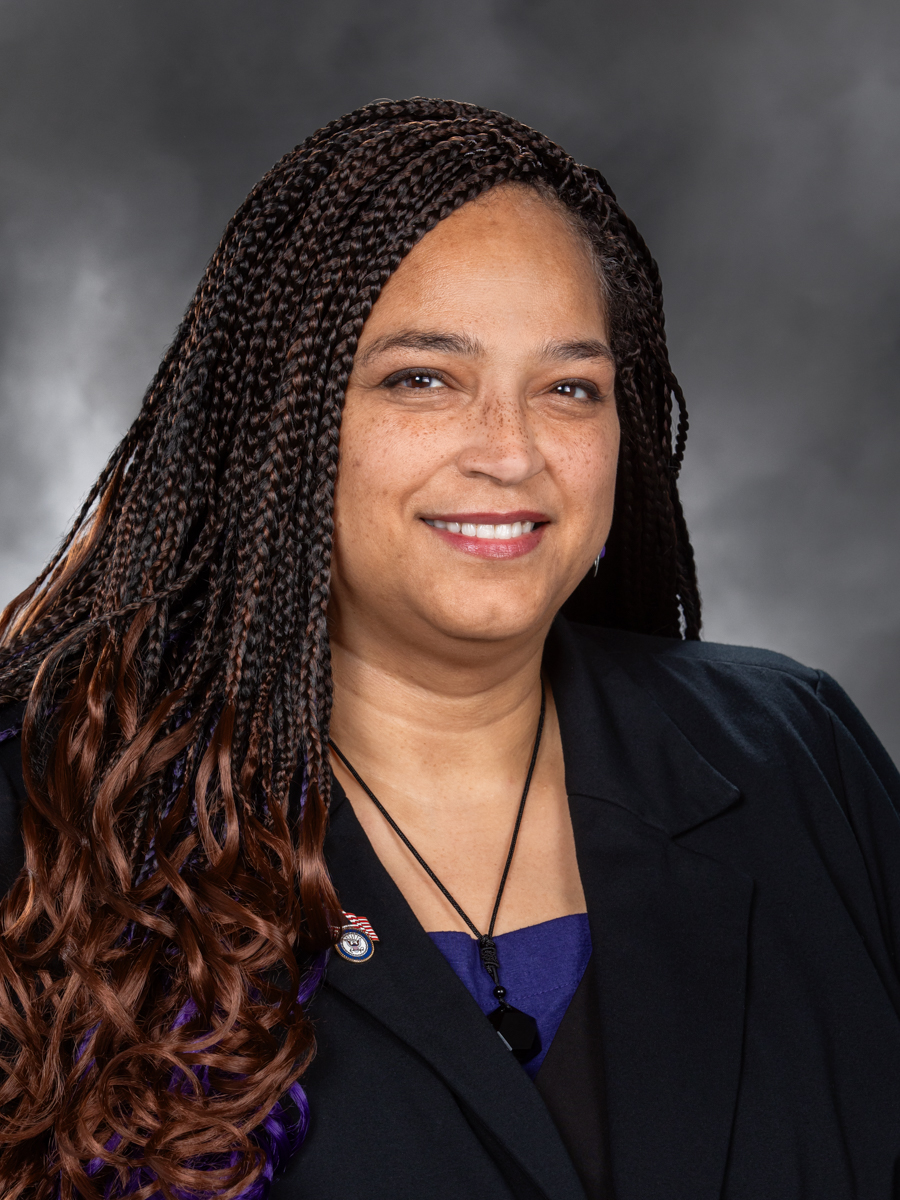
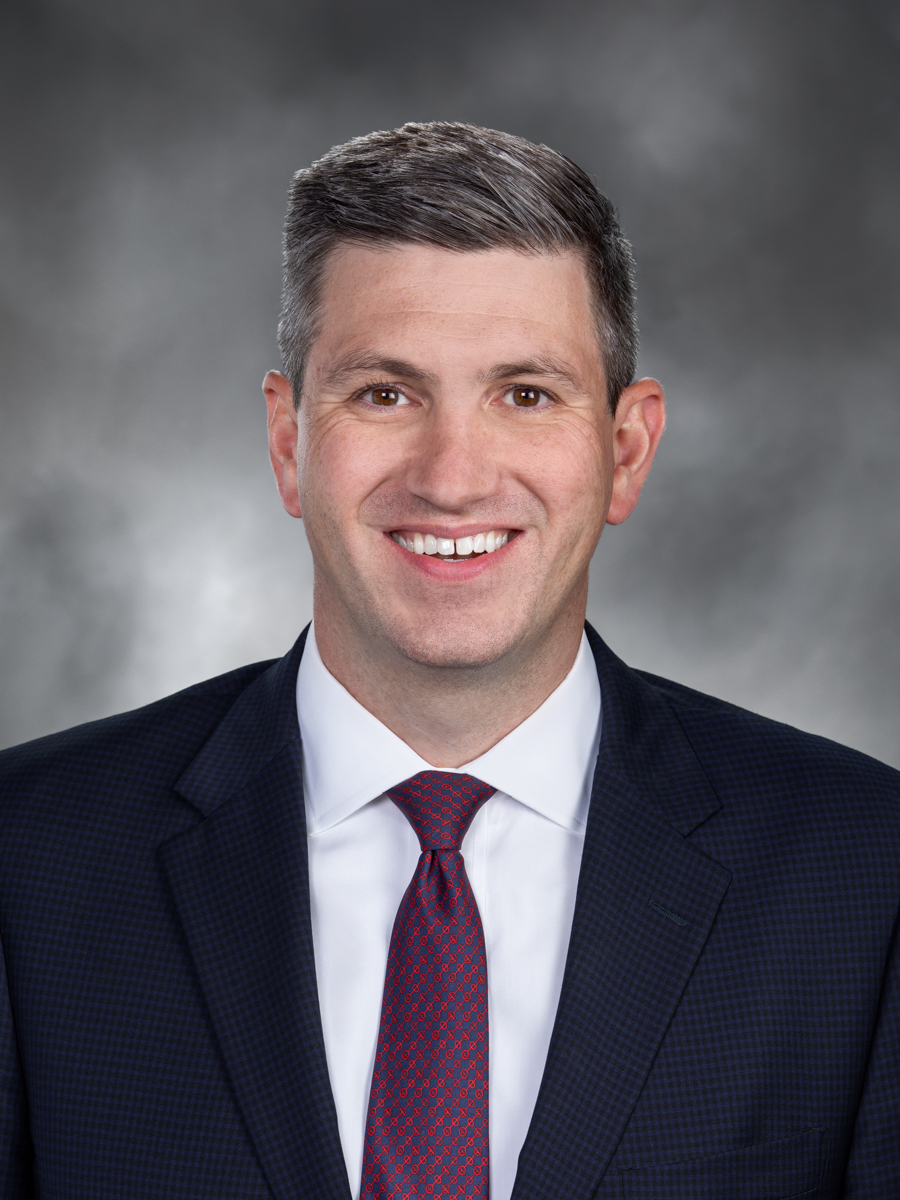
Beth Doglio
Beth Doglio House · District 22
D
Strong +
100% 13
Brandy Donaghy
Brandy Donaghy House · District 44
D
Strong +
100% 13
Brianna Thomas
Brianna Thomas House · District 34
D
Strong +
100% 13
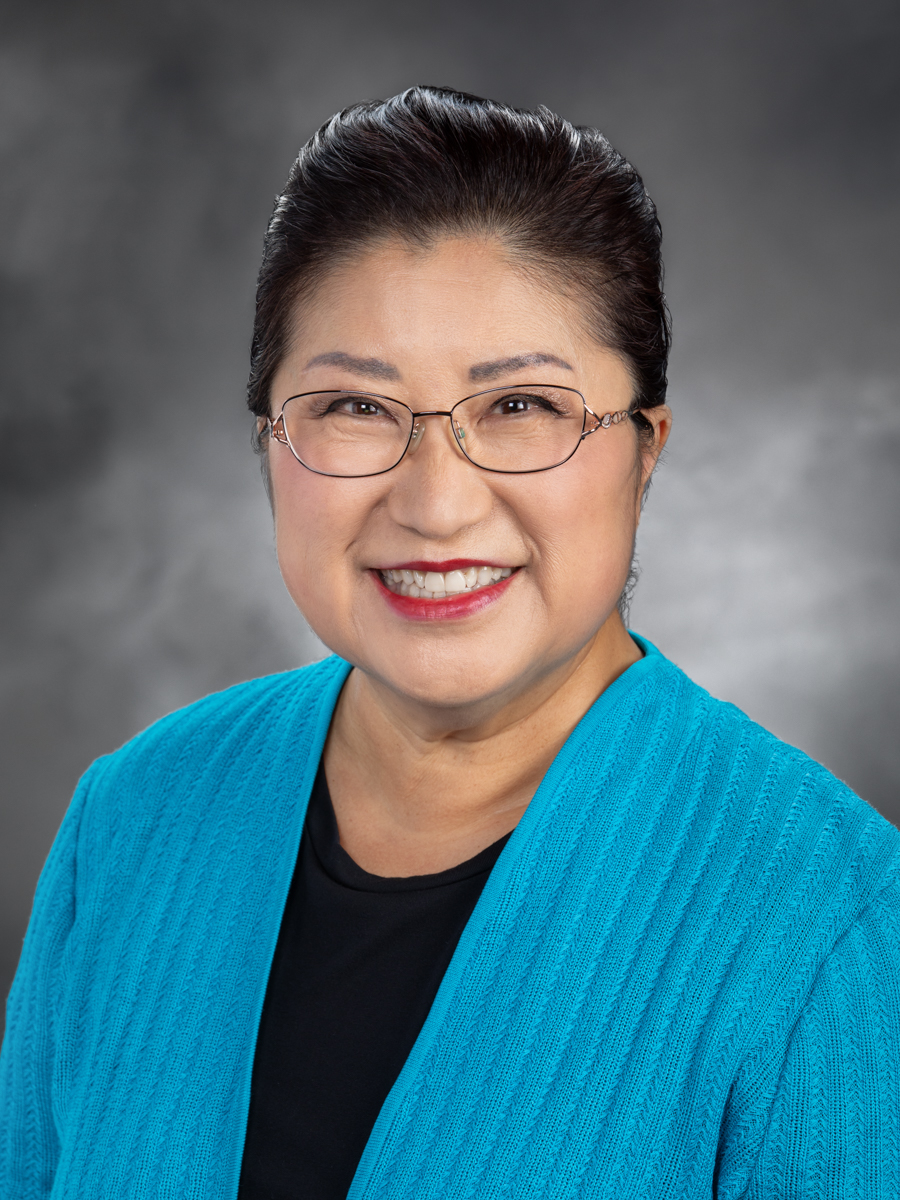
Cindy Ryu
Cindy Ryu House · District 32
D
Strong +
100% 13
April Connors
April Connors House · District 8
R
Strong −
0% 13
Brian Burnett
Brian Burnett House · District 12
R
Strong −
0% 13
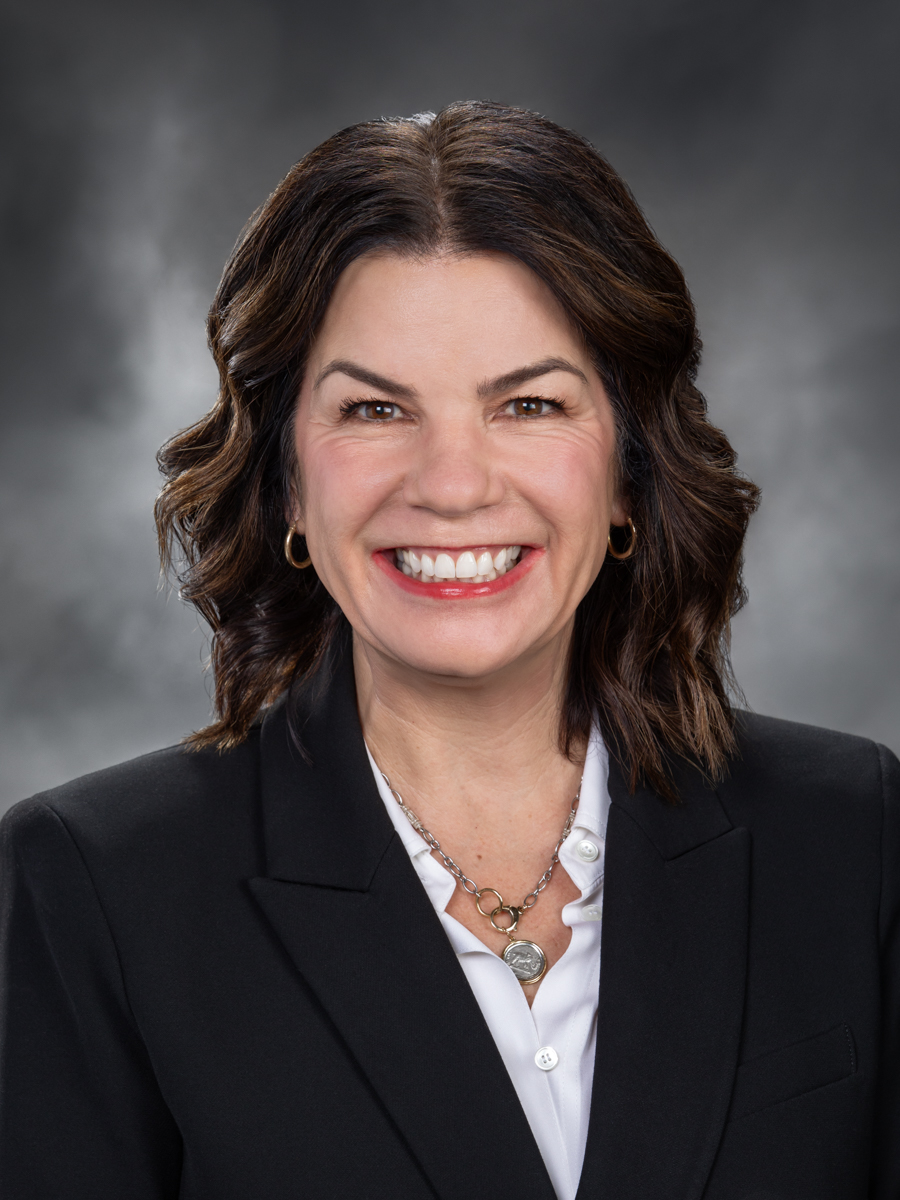
Cyndy Jacobsen
Cyndy Jacobsen House · District 25
R
Strong −
0% 13
Drew Stokesbary
Drew Stokesbary House · District 31
R
Strong −
0% 13
Jim Walsh
Jim Walsh House · District 19
R
Strong −
0% 13
Showing 21–30 of 82 bills

All criminal justice bills

in committee · Washington · Senate Feb 2, 2026

SB 6203: Concerning out-of-state convictions.

SB 6203 clarifies how Washington courts must count out-of-state convictions when calculating an offender's sentencing score under state law. It requires that out-of-state convictions (including foreign convictions meeting due process standards) be classified using Washington's offense definitions, rather than their original jurisdiction's classifications. The bill specifically excludes out-of-state convictions that would have been handled in juvenile court under Washington law, unless they match murder or Class A felony sex offenses. This directly affects defendants with prior convictions from other states or countries who are being sentenced in Washington courts.
in committee · Washington · House Jan 16, 2026

HB 2541: Concerning the standard used to evaluate the reasonableness of a peace officer's use of force.

HB 2541 establishes an objective standard for evaluating police use of force, based on the U.S. Supreme Court's *Graham v. Connor* ruling. It clarifies when officers may use physical force (e.g., during arrests or to prevent escape) or deadly force (only for immediate threats of death or serious injury), requiring de-escalation tactics and consideration of vulnerable individuals like pregnant people, minors, or those with disabilities. The bill mandates that force decisions be judged by whether a reasonable officer in similar circumstances would act the same, without regard to the officer’s intent. It directly affects all peace officers in Washington and the public they interact with during enforcement actions. The law codifies existing guidance to address implementation challenges while preserving constitutional rights.
in committee · Washington · House Jan 23, 2026

HB 2651: Gathering and preserving digital data and evidence relating to federal agent misconduct.

HB 2651 allows Washington's Attorney General or county prosecutors to direct the state patrol to collect and securely retain digital evidence identifying federal agents accused of misconduct, such as location data, cell tower records, or facial recognition information. It applies to federal law enforcement officers and Department of Homeland Security contractors accused of misconduct like excessive force, assault, or constitutional rights violations. Complainants can only access this digital evidence through a court order in a related civil rights or criminal case. The bill establishes a clear process for gathering and limiting access to this data, focusing on factual evidence for accountability.
passed · Washington · House Mar 12, 2026

HB 2333: Protecting elected officials and candidates, executive state officers, election officials, and criminal justice participants against threats and incidents of political violence.

HB 2333 protects elected officials, candidates, election officials, and criminal justice staff (like police, prosecutors, and court personnel) from threats by expanding access to address confidentiality and increasing penalties for harassment targeting them in their official roles. The bill amends Washington’s harassment law to make threats against these groups a class C felony if the threat relates to their duties, and updates the address confidentiality program to include them. This allows eligible individuals to keep their home addresses private (using a state-designated address for official mail) and qualifies them for enhanced security measures. The law directly affects public servants who face threats due to their work, not general public safety. It focuses on concrete policy changes: stronger legal penalties for threatening officials and simplified access to address protection.
Sub-Topics Courts Policing
in committee · Washington · House Feb 3, 2026

HB 2412: Adding an additional superior court judge in Yakima county.

HB 2412 amends state law to add one additional superior court judge in Yakima County, increasing the total from eight to nine judges. This change directly affects Yakima County's court system by expanding judicial capacity to handle case loads. The bill modifies existing statute (RCW 2.08.063) to update the authorized number of judges for Yakima County. The measure is procedural, adjusting judicial staffing levels without creating new legal requirements.
Sub-Topics Courts Judges
in committee · Washington · Senate Feb 26, 2026

SB 6017: Supporting crime victims and witnesses by promoting victim-centered, trauma-informed responses.

SB 6017 creates a new procedure for sexual assault and domestic violence cases where the defendant is representing themselves (pro se). It allows courts or standby counsel to conduct direct questioning of victim witnesses during trial if the court finds the victim would suffer severe trauma from the defendant's presence, the prosecutor prepared the victim, and no less restrictive method exists. The defendant retains the right to submit written questions for the court to ask during this process. The bill requires courts to make specific findings on the record to balance victim protection with the defendant's constitutional rights. This policy change aims to reduce trauma for victims while maintaining fair trial procedures.
in committee · Washington · House Jan 12, 2026

HB 2163: Clarifying public defense caseload standards for local jurisdictions.

HB 2163 amends Washington state law to require counties and cities to adopt specific standards for public defense services, directly affecting local jurisdictions that provide legal representation to indigent defendants. The bill mandates that these standards include clear case load limits for attorneys, compensation details, attorney qualifications, handling of expert witness fees, and procedures for monitoring and evaluating service quality. It removes previous language requiring local standards to follow Washington State Bar Association guidelines, instead making those guidelines optional references. The law aims to clarify minimum requirements for public defense systems while allowing jurisdictions to align with court rules where possible.
Sub-Topics Courts
in committee · Washington · House Jan 20, 2026

HB 2102: Concerning legal financial obligations.

HB 2102 eliminates certain unenforceable legal financial obligations (LFOs) for offenders in Washington State, including costs, fees, and accrued interest on restitution or other debts. It automatically voids these debts after the bill’s effective date, prohibits courts from accepting payments for them, and allows judges to waive uncollectible portions of LFOs upon offender request. The bill also stops interest accrual on criminal fines and fees as of June 7, 2018, and updates collection procedures for existing debts. This directly affects individuals with outstanding criminal or civil LFOs, particularly those deemed uncollectible. The law clarifies that courts may not enforce or collect these specific debts while preserving mechanisms for individual court-based relief.
Sub-Topics Courts Victims' Rights
in committee · Washington · House Jan 22, 2026

HB 2173: Concerning the use of face coverings by law enforcement officers.

HB 2173 prohibits Washington law enforcement officers from wearing facial coverings (like balaclavas or ski masks) during routine public interactions, while allowing exceptions for active undercover operations and protective gear used by specialized units like SWAT teams. The bill defines "facial covering" to exclude medical masks, helmets, and clear face shields. It also establishes that individuals detained in violation can sue officers for financial compensation, attorney fees, or other court-ordered remedies. The law applies to all "peace officers" as defined under state law during standard public duties.
Sub-Topics Courts Law Enforcement
signed · Washington · Senate Mar 18, 2026

SB 5880: Concerning toxicology testing by certified or accredited laboratories.

SB 5880 requires that toxicology testing for alcohol or drugs in DUI cases must be conducted by laboratories certified under international ISO/IEC 17025 standards for forensic testing, directly affecting drivers facing DUI charges and law enforcement. It specifies strict protocols for admissibility in court, including detailed requirements for breath test equipment calibration, sample collection procedures, and blood draw qualifications (limited to specific licensed medical professionals). The bill also mandates that any additional tests requested by the accused must use generally accepted methods, while maintaining that basic proof of proper testing procedures must be shown for results to be admitted. The law includes an expiration date and applies to both blood and breath testing under Washington’s DUI statutes.
Sub-Topics Courts Law Enforcement
Showing 21 to 30 of 82 bills
Previous 1 2 3 4 9 Next