Issue · Criminal Justice

Criminal Justice (Drug Policy)

Every criminal justice bill, vote, and legislator stance in Washington, automatically classified by Maddy, our AI policy reader.

Total bills
15
2025-2026 Regular Session
Top supporter
Adrian Cortes
100% support rate
Top opponent
Bob Hasegawa
33% support rate
Ranked legislators
10
5 support · 5 oppose
Key legislators

Who's moving drug policy in Washington

Legislators moving drug policy in Washington
Legislator Party Stance Support rate Decisive votes
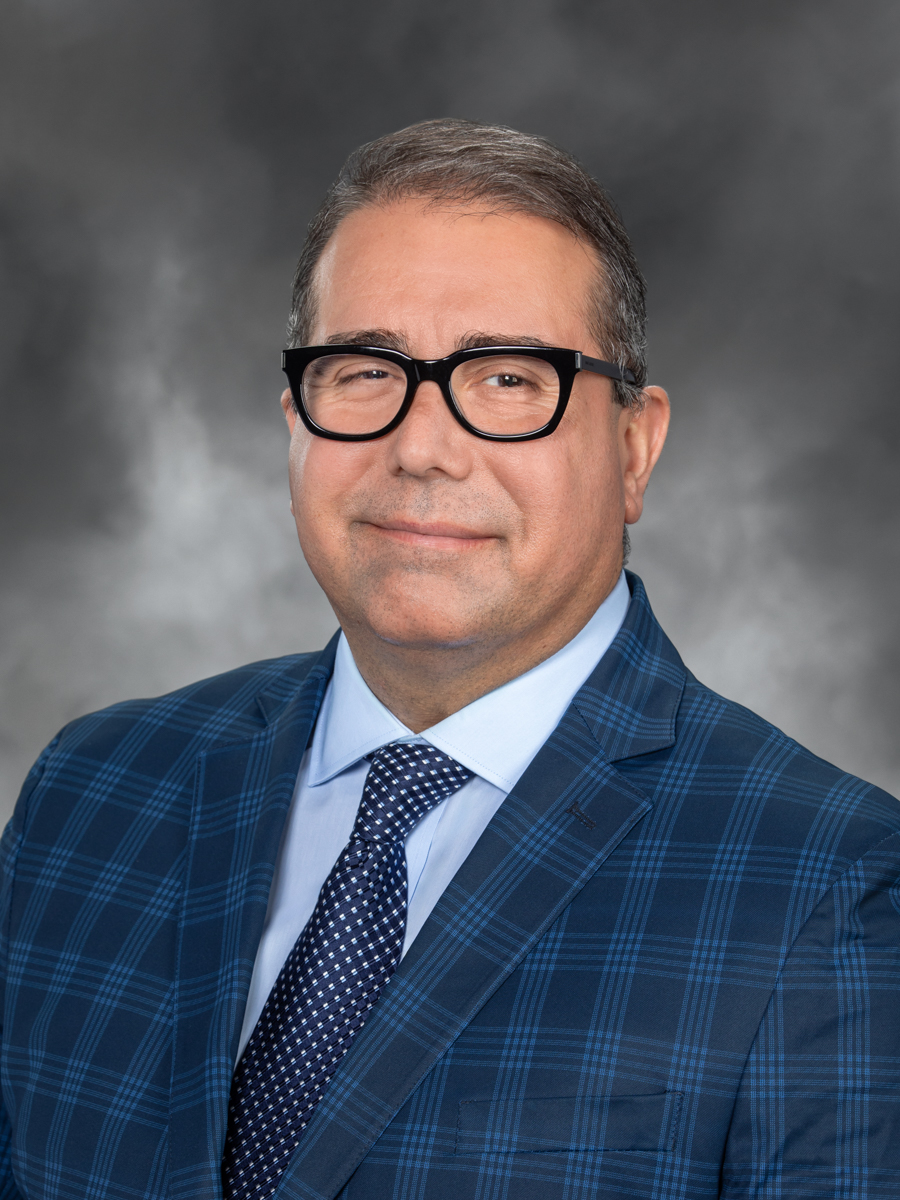
Adrian Cortes
Adrian Cortes Senate · District 18
D
Strong +
100% 3
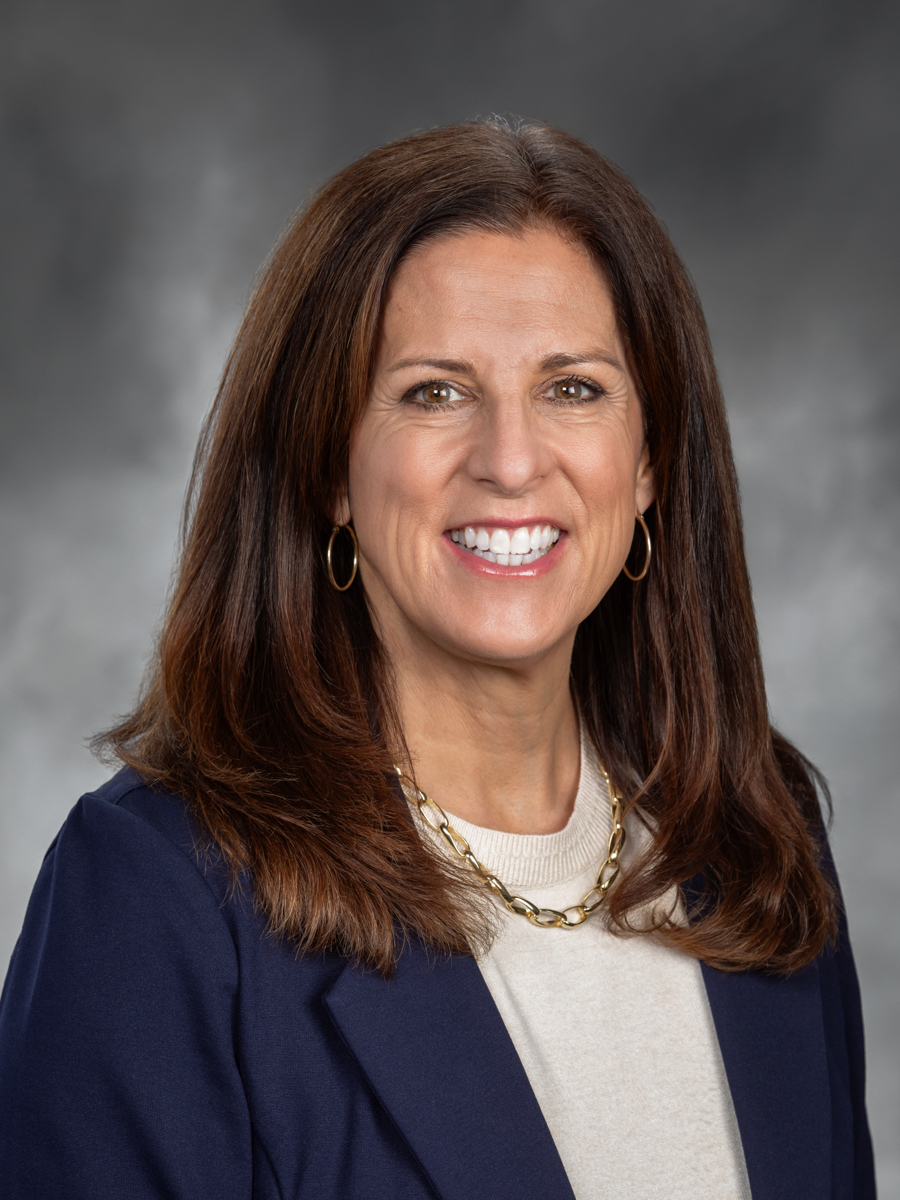
Annette Cleveland
Annette Cleveland Senate · District 49
D
Strong +
100% 3
Curtis King
Curtis King Senate · District 14
R
Strong +
100% 3
Deb Krishnadasan
Deb Krishnadasan Senate · District 26
D
Strong +
100% 3
Derek Stanford
Derek Stanford Senate · District 1
D
Strong +
100% 3
Bob Hasegawa
Bob Hasegawa Senate · District 11
D
Oppose
33% 3
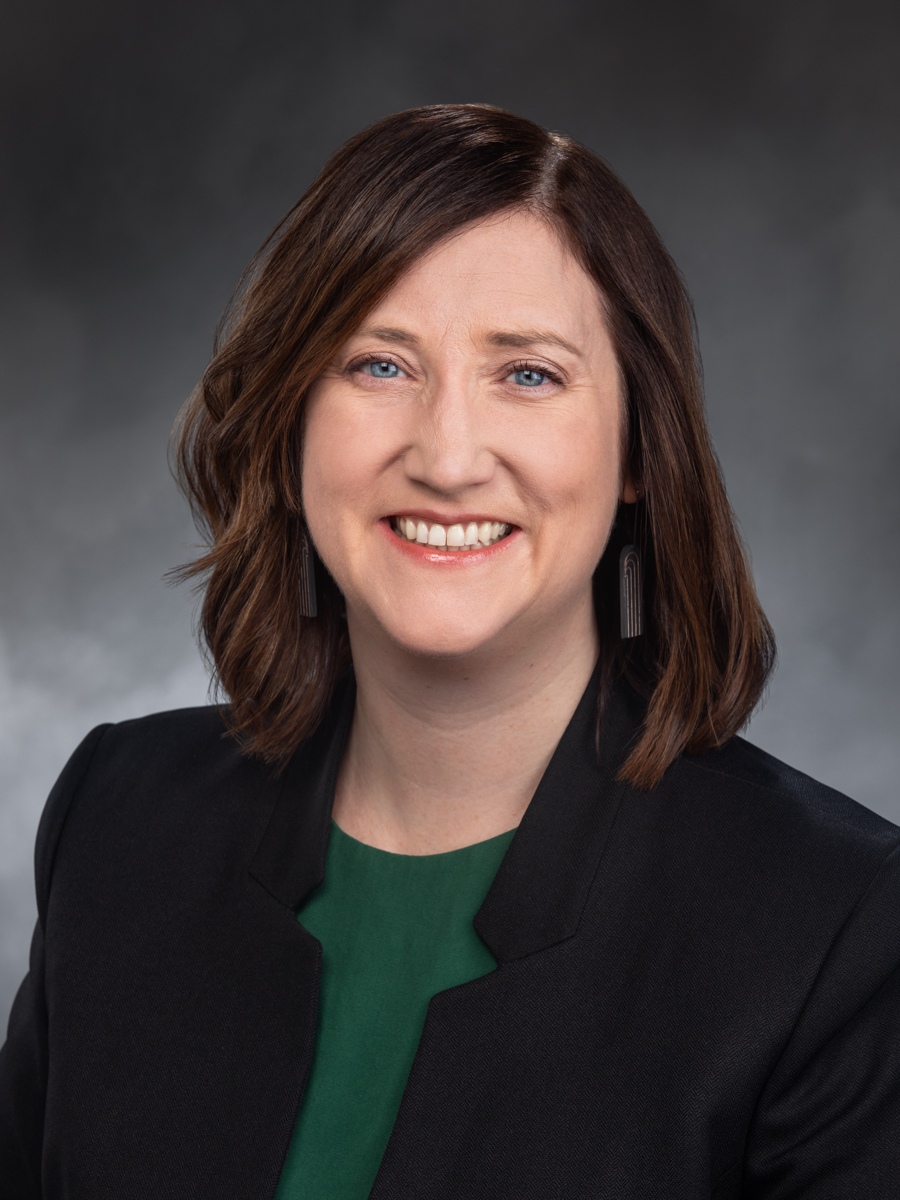
Claire Wilson
Claire Wilson Senate · District 30
D
Oppose
33% 3
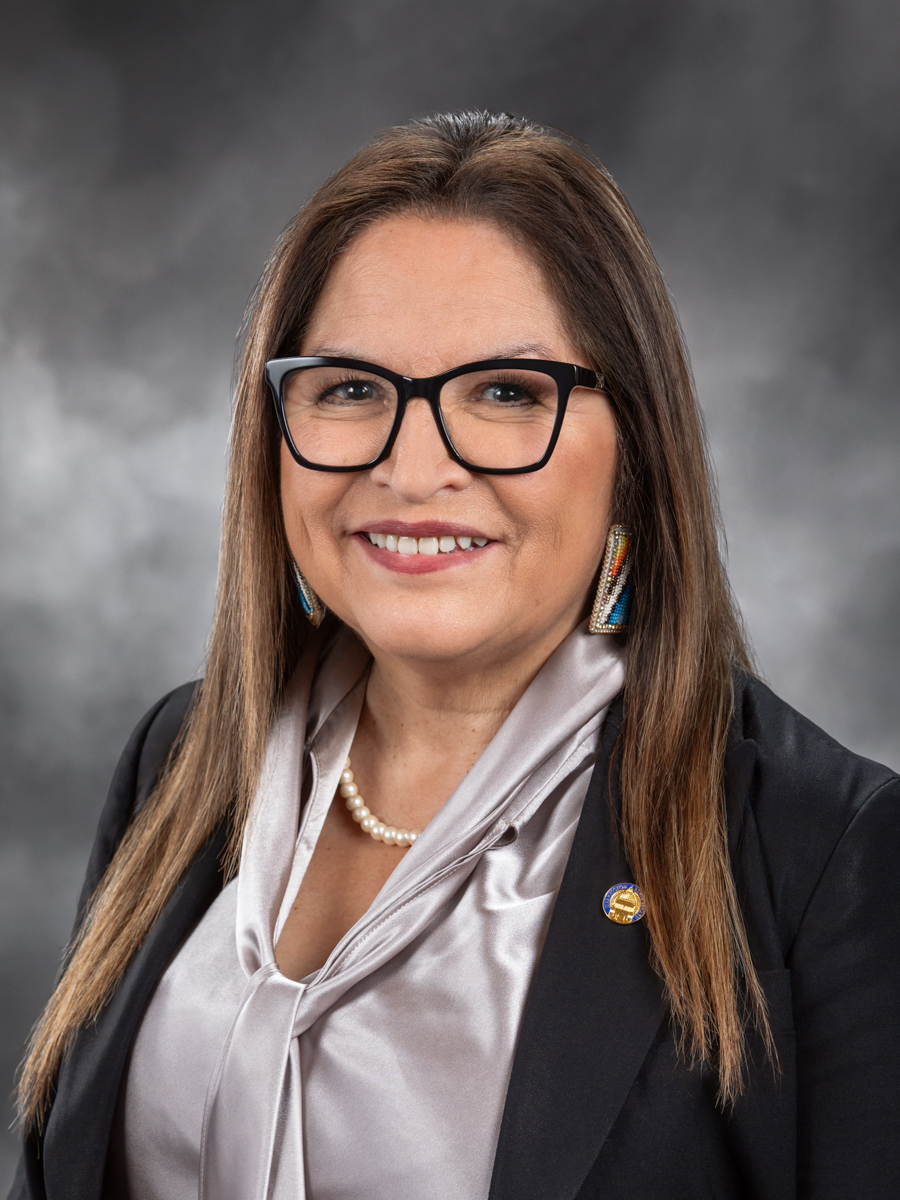
Claudia Kauffman
Claudia Kauffman Senate · District 47
D
Oppose
33% 3
Noel Frame
Noel Frame Senate · District 36
D
Oppose
33% 3
Rebecca Saldaña
Rebecca Saldaña Senate · District 37
D
Oppose
33% 3
Showing 11–15 of 15 bills

All criminal justice bills

in committee · Washington · House Jan 12, 2026

HB 1000: Expanding the circumstances that may constitute a major violation of the uniform controlled substances act.

HB 1000 expands the definition of a "major violation" under Washington's drug sentencing law (VUCSA) by adding specific scenarios that would trigger harsher penalties. It directly affects individuals convicted of drug offenses who meet new criteria, such as conducting three or more separate drug transactions, distributing large quantities beyond personal use, manufacturing drugs, or knowingly distributing fentanyl causing harm. Key provisions include listing factors like high position in drug distribution, sophisticated operations, or using professional roles (e.g., pharmacist) to facilitate drug trafficking. This bill changes sentencing guidelines - not criminal law - by clarifying when drug offenses qualify as "major" for enhanced penalties. It does not alter what constitutes illegal drug activity but affects sentencing outcomes for qualifying cases.
Sub-Topics Drug Policy Sentencing
in committee · Washington · Senate Feb 26, 2026

SB 5227: Concerning offenses involving child sex dolls.

Washington's SB 5227 criminalizes the sale, distribution, manufacturing, and possession of "child sex dolls" - anatomically correct objects designed to resemble minors for sexual use. It classifies trafficking, manufacturing, or sending such dolls into the state as a class B felony, while simple possession is a gross misdemeanor on first offense (escalating to a class C felony with prior convictions). The bill also requires a $1,000 fee per conviction for violations, collected into a child rescue fund. These provisions directly affect individuals involved in creating, selling, or possessing these dolls, with penalties based on the number of dolls involved.
passed · Washington · Senate Mar 12, 2026

SB 5268: Classifying unlawful possession of a firearm as a violent offense.

SB 5268 amends state law concerning community custody terms for offenders. This bill mandates that individuals convicted of unlawful possession of a firearm will be sentenced to a period of community custody in addition to other penalties. Initially, this community custody term is set at one year. Beginning January 1, 2026, offenders sentenced to over one year imprisonment for unlawful firearm possession will receive an eighteen-month community custody term. This change directly impacts individuals convicted of these firearm offenses by adding a mandatory post-release supervision component to their sentence.
Sub-Topics Drug Policy Firearms
signed · Washington · Senate May 15, 2025

SB 5323: Concerning the penalties for theft and possession of stolen property from first responders.

SB 5323 increases the penalties for stealing or possessing stolen property that belongs to firefighters and emergency medical service (EMS) providers. It expands the definitions of first-degree theft and first-degree possession of stolen property to include essential equipment taken from fire stations, EMS buildings, or their vehicles. These actions become a Class B felony if the equipment is critical to emergency work and its loss significantly delayed a response, or if the equipment is valued over $1,000. This bill aims to protect the vital tools first responders use by applying stricter penalties to those who steal or possess their equipment under these specific circumstances.
Sub-Topics Drug Policy Tags Public Safety
in committee · Washington · House Jan 12, 2026

HB 1139: Promoting public safety and deterring unlawful firearm possession by increasing criminal penalties for unlawful possession of a firearm.

HB 1139 increases penalties for unlawful firearm possession by classifying certain cases as violent crimes, resulting in higher sentencing levels. It mandates immediate jail booking for individuals arrested for violating firearm laws, eliminating the option of release on bail or personal recognizance. The bill directly affects people who possess firearms unlawfully, particularly those with prior violent criminal records. This legislation amends Washington state laws to enhance public safety through stricter enforcement of firearm possession restrictions.
Showing 11 to 15 of 15 bills